


As the year winds down, many of us feel a mix of things: pride in what we accomplished, a little guilt about what we didn’t, and a vague pressure to “do better next year.” Then January arrives, we scribble a few big resolutions, and by February they’re forgotten.
There’s a better way. Instead of jumping straight to resolutions, start with a thoughtful end-of-year review. Look back honestly at what happened, learn from it, and then build a realistic plan for the year ahead. It doesn’t take a whole weekend, though you can certainly make it a treat. A few focused sessions are enough.
In this guide, I’ll walk you through a simple process for reviewing your year and planning the next one, for your life, your finances, and your business.
Why Review Before You Plan?
Planning without reflection is guessing. When you review the past year, you can:
- Celebrate wins you may have forgotten
- Spot patterns in what energized or drained you
- Learn from setbacks without judgment
- Understand what worked so you can repeat it
- Set goals that fit your real life, not an imaginary one
- Let go of what no longer serves you
Think of it as clearing the table before setting it for the next meal.

Before You Begin: Set the Scene
Choose a time when you won’t be rushed. Even two or three one-hour sessions across a week work well. Create a pleasant atmosphere: your favorite drink, a cozy spot, music, and a notebook or planner.
Gather materials:
- Your calendar from the past year
- Photos on your phone
- Planners, journals, and notes
- Bank and credit card statements
- Business sales and expense records
- Habit or mood trackers
If your records are scattered, don’t worry. Start with what you have and note what you’d like to track better next year.
Part 1: Review Your Year
Step 1: Start with a brain dump
Spend ten minutes writing everything that comes to mind about the year: events, feelings, lessons, people, projects, challenges. Don’t organize it yet. The Brain Dump Worksheets give you structure if you’d like some prompts.

Step 2: Walk through your calendar
Flip through your calendar month by month. For each month, jot down:
- Key events and milestones
- Projects completed
- Trips or special moments
- Challenges
- How you felt
You’ll likely remember accomplishments you’d forgotten. This step alone can be encouraging.
Step 3: Answer reflection questions
Choose the questions that resonate most.
Wins and growth
- What am I most proud of this year?
- What was my biggest accomplishment?
- What new skill or habit did I develop?
- What did I do that scared me but I did anyway?
Challenges and lessons
- What was the hardest part of the year?
- What did I learn from it?
- What would I do differently?
- What disappointed me, and what can I let go of?
Energy and joy
- When did I feel most alive or fulfilled?
- Which activities gave me energy?
- Which drained me?
- What made me laugh the most?
Relationships
- Who supported me this year?
- Which relationships do I want to nurture?
- Who should I thank?
Health and wellbeing
- How did I take care of my body and mind?
- What habits helped? Which didn’t?
Work and money
- How did my work or business go?
- What were my best income sources?
- Did I reach my financial goals?
- What was my biggest expense or surprise?
Step 4: Review your habits and mood

If you tracked habits or moods during the year, look for patterns. The Mini Habit Tracker Journal and the Mood Tracker Journal can reveal which routines supported you and when your energy dipped. Even without tracking, think about which months felt best and why.

Step 5: Review your finances
Look at your income, spending, savings, and debt. You don’t need a perfect spreadsheet. Ask:
- How much did I earn and spend?
- Did I meet my savings goals? The Savings Goals Journal can show how far you’ve come.
- Where did my money go?
- What unexpected expenses came up?
- What financial habit would help most next year?

Step 6: Review your business
If you run a business or side hustle, gather your numbers:
- Total revenue and expenses
- Profit
- Best-selling products or services
- Marketing that worked
- Customer feedback
- Time spent versus results
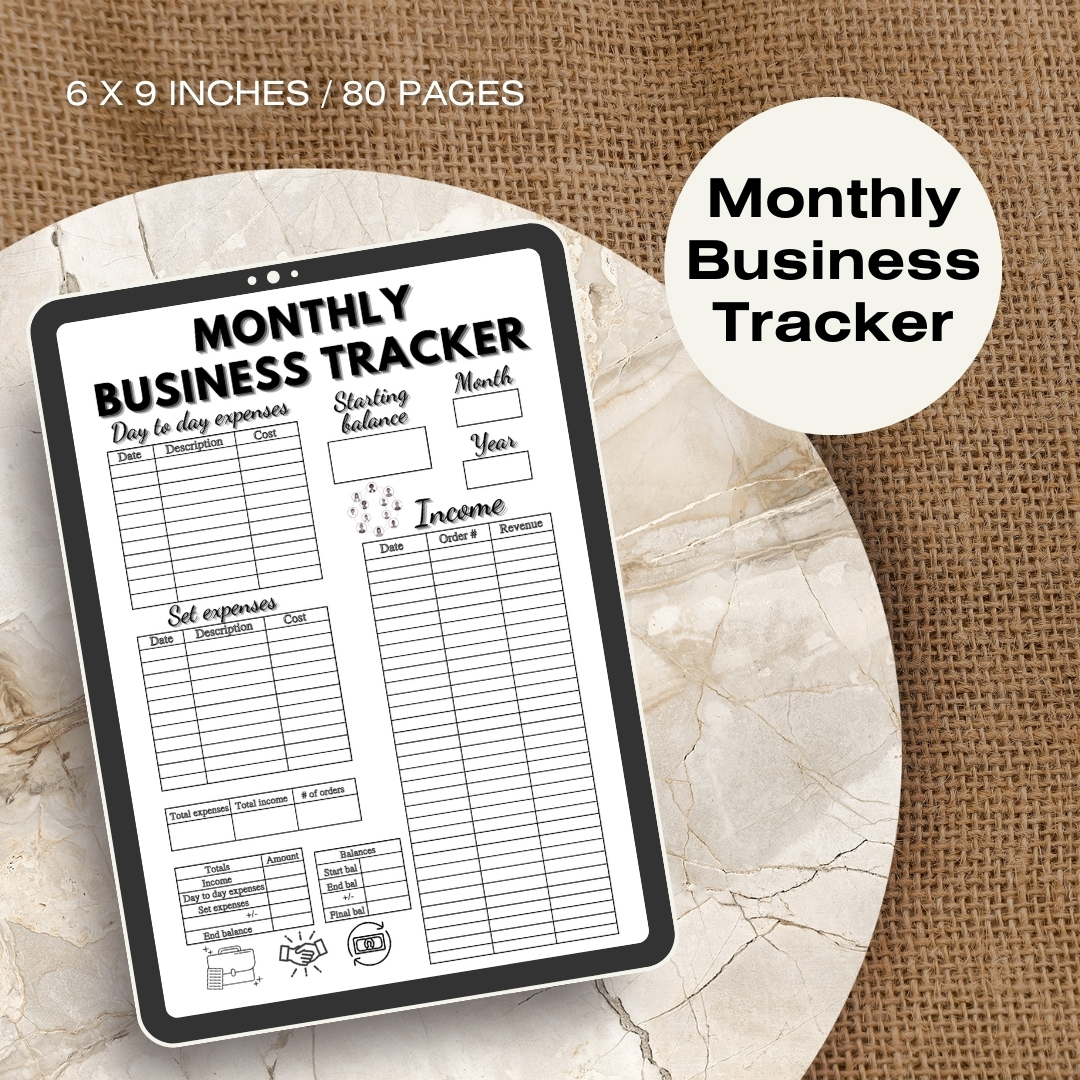
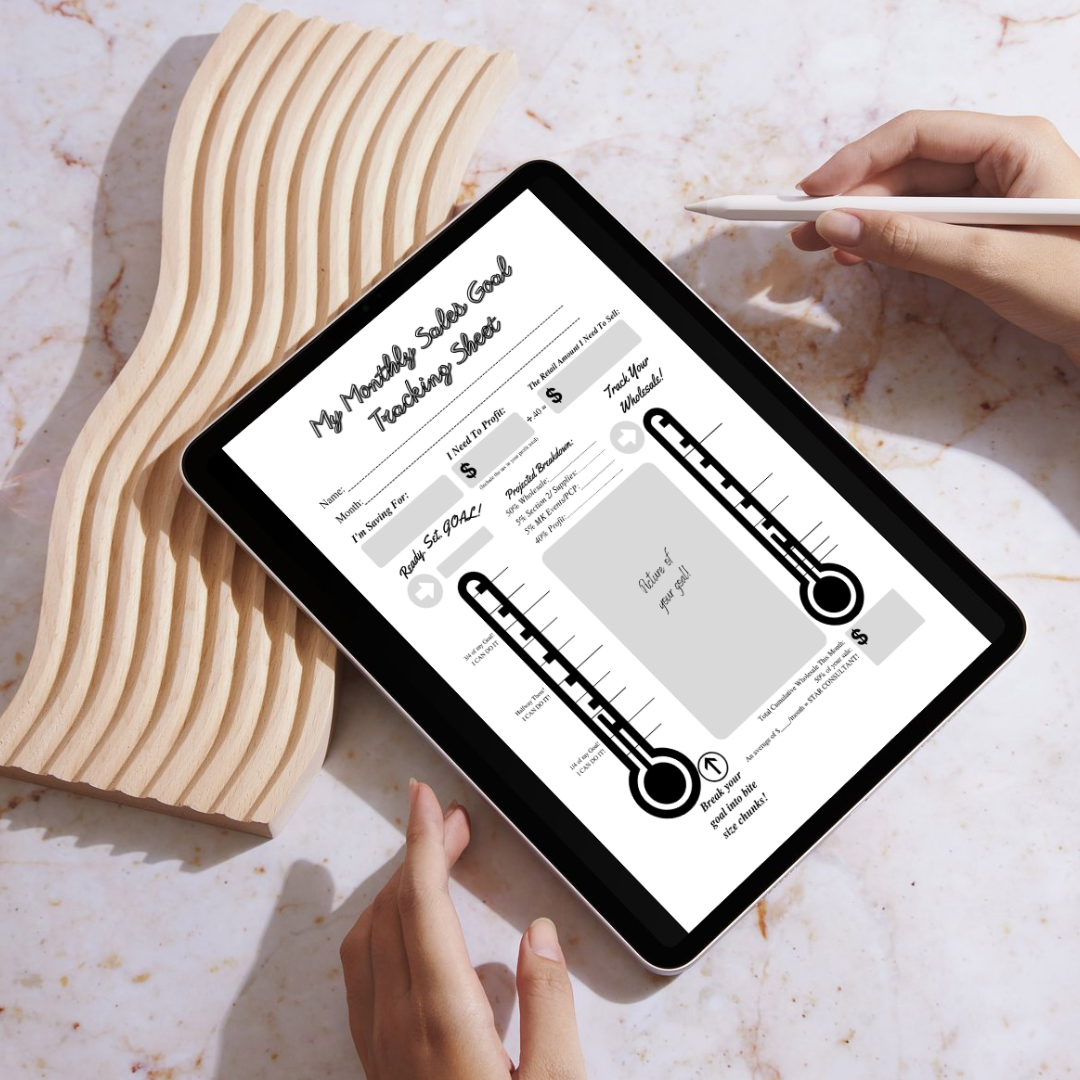
A Monthly Business Tracker and sales records make this simple. If you tracked goals month by month with the My Monthly Sales Goal Tracking Sheet, you’ll already have a clear view of your best and slowest seasons.
Step 7: Summarize your findings
Create a short summary:
- Top 5 wins
- Top 3 lessons
- What to keep doing
- What to stop doing
- What to start doing
This one-page summary becomes the bridge to your plan.
Part 2: Plan the Year Ahead
Step 1: Dream first
Before setting goals, imagine your ideal year. Ask:
- What do I want my days to look like?
- How do I want to feel?
- What do I want more of? Less of?
- What would make this year a success?
Write freely, with no limits. The Daily Future Self Journal is a lovely tool for describing the person you want to become and linking your daily actions to that vision.

Step 2: Choose a theme or word of the year
Some people like a single word to guide their year, such as “focus,” “peace,” “growth,” or “courage.” A theme gives you a lens for decisions throughout the year.
Step 3: Set your top three goals
Resist the urge to write twenty goals. Choose three that matter most. Consider one for each major area: work or business, personal life, and finances or health.
The Top 3 Main Goals Right Now Journal helps you narrow your focus and keep your goals visible all year. Make each one specific and measurable:
- Instead of “save more,” write “save $3,000 by December 31.”
- Instead of “grow my business,” write “reach 50 sales a month by June.”
- Instead of “be healthier,” write “walk 20 minutes, four days a week.”

Step 4: Break goals into quarters
Divide each goal into four chunks. For example, a $3,000 savings goal becomes $750 per quarter. A business goal might include milestones like launching a new product in Q1 and growing your email list in Q2.
Step 5: Map out key dates
Add major dates to a yearly overview:
- Holidays and seasonal peaks
- Birthdays and events
- Vacations and time off
- Business launches or busy seasons
- Deadlines
- Tax dates
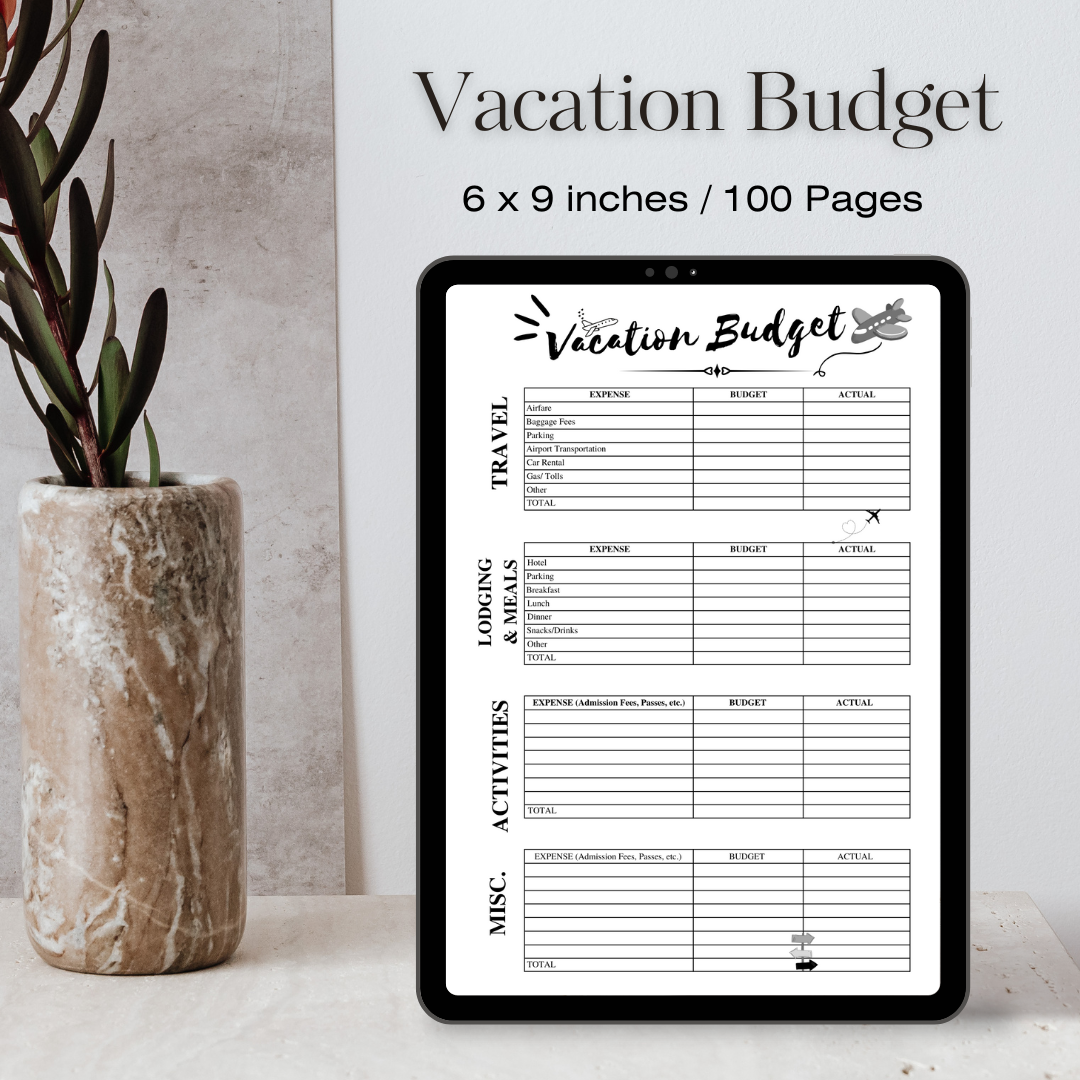
If you’re planning a getaway, start budgeting early with the Vacation Budget planner.
Step 6: Plan monthly themes
Assign each month a focus. This keeps your goals moving without overwhelm.

Adapt this to your own priorities.
Step 7: Build habits that support your goals
Goals are achieved through daily actions. Choose one to three small habits that will carry you toward your goals, such as a five-minute morning plan, saving a little every week, or journaling at night. Track them to build consistency.

Step 8: Plan your systems
Decide how you’ll keep yourself organized throughout the year:
- A weekly planning session
- A monthly review
- A daily planner like the Work Day Organizer
- A way to track progress, such as the Staying on Track Journal
Put recurring reviews on your calendar right away.

Step 9: Plan for rest and joy
A realistic plan includes downtime. Schedule breaks, vacations, hobbies, and time with loved ones. Avoiding burnout is as important as reaching goals.
Part 3: Start the Year Strong
Create a launch routine for the first week of January
- Declutter your workspace and home
- Set up your planners and trackers
- Schedule your first monthly review
- Take one small action toward each top goal
- Celebrate starting
Keep it simple
Don’t try to overhaul everything at once. Start with a few commitments and add more once they’re established.
Check in regularly
- Weekly: Look at your top three priorities.
- Monthly: Review progress, celebrate wins, and adjust.
- Quarterly: Reassess goals and make bigger changes.
Remember, a plan is a guide, not a contract. If life changes, adjust.
Year-End Gratitude
Before turning the page, take time for gratitude. Write down what you’re thankful for, thank the people who helped, and acknowledge yourself. A few quiet minutes with the 10 Minutes to Let Your Mind Reflect, Joy & Thanks journal is a lovely way to close out the year with a thankful heart.

Common Year-End Planning Mistakes
Skipping the review. Learn from the past before planning.
Setting too many goals. Focus on three.
Making goals too vague. Add numbers and dates.
Ignoring your real life. Plan around actual commitments.
Being too hard on yourself. Reflect with kindness.
Planning once and forgetting. Review regularly.
Neglecting joy. Include things you look forward to.

Year-End Planning Checklist
[ ] Schedule time for your review
[ ] Brain dump the year
[ ] Review calendar, photos, and notes
[ ] Answer reflection questions
[ ] Review finances and business numbers
[ ] Summarize wins, lessons, keep, stop, start
[ ] Dream about next year
[ ] Choose a theme or word
[ ] Set three main goals
[ ] Break goals into quarters
[ ] Map out key dates
[ ] Plan habits and systems
[ ] Schedule rest and joy
[ ] Set review dates
Final Thoughts
A great new year doesn’t begin with a burst of motivation. It begins with honest reflection and a simple plan. Take the time to look back, learn, and choose your focus. Then move forward one step at a time.
You’ve already done more than you realize this year. Celebrate that, and then decide where you want to go next.
Ready to plan? Start with the Top 3 Main Goals Right Now Journal, map your savings with the Savings Goals Journal, and keep your vision alive with the Daily Future Self Journal.










Leave a Reply