

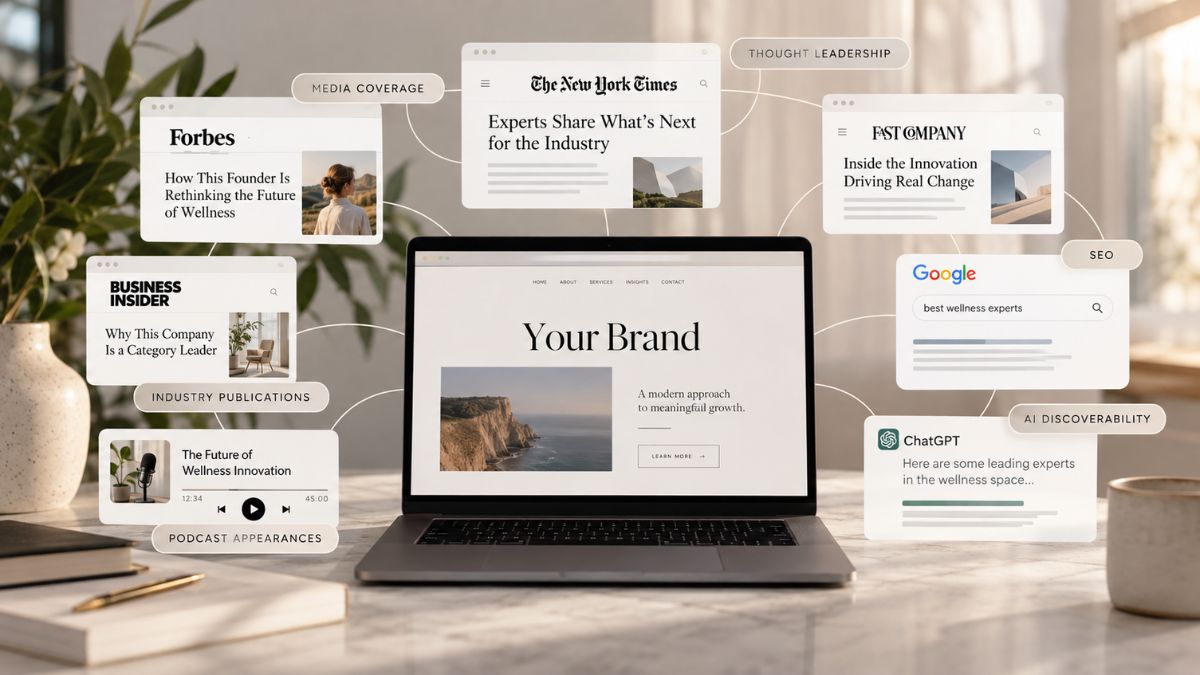
A friend of mine runs a small accounting firm. Her website is clean, her blog posts are good, and she can’t understand why a competitor with a worse site keeps showing up in AI answers and local recommendations. When we dug in, the reason was almost embarrassingly simple: the competitor was everywhere else. Podcast interviews, local news quotes, industry roundups, community forum answers, a dozen reviews, a YouTube channel. My friend’s expertise lived on one website. His lived across the internet.
That difference matters more than ever. Studies of AI-powered search show that answers draw on many sources beyond brand websites. An SE Ranking analysis of more than 100,000 keywords found social or community sources in about 68% of Google AI Overviews, about 32% of AI Mode answers, and about 8% of ChatGPT answers, with YouTube, Reddit, Quora, LinkedIn, and others among the most common. Research shared in creator-economy newsletters found creators accounted for roughly 60% of product videos cited by AI recommendation tools, versus about 10% for brands. And Google reports that people choosing “preferred sources” grew around sevenfold, while its AI Mode updates added sections that surface official sources.
In this guide, I’ll explain how to build digital PR and brand mentions that strengthen your authority in search, AI answers, and real-world trust, without spammy tactics.
What “Authority” Means Now
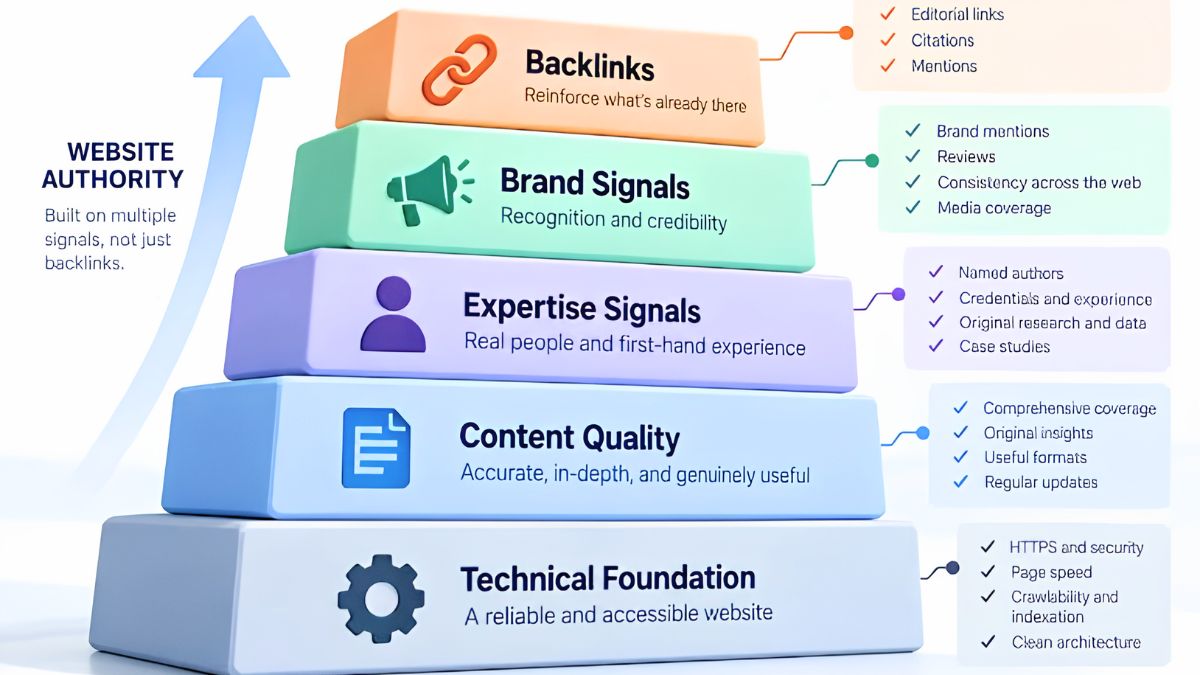
Search engines and AI systems try to answer a simple question: is this brand a credible source on this topic? They look for signals such as:
- Consistent identity across your website and profiles
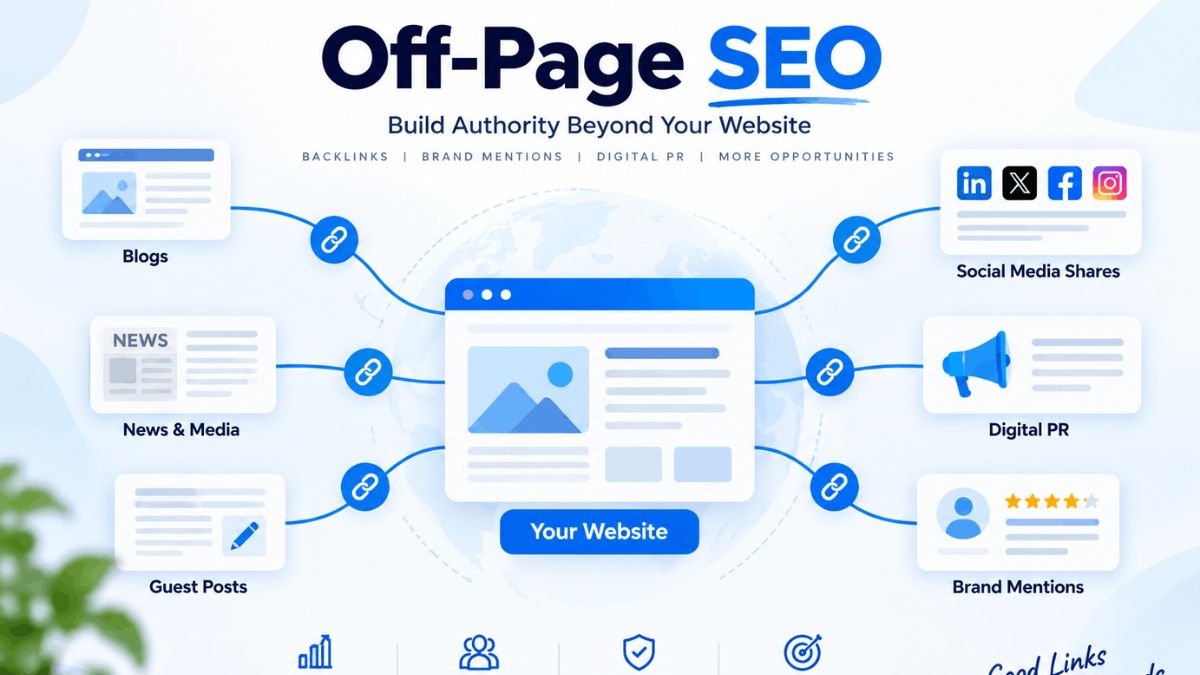
- Mentions and links from respected sources
- Real expertise and first-hand experience shown in your content
- Reviews and customer feedback
- Presence where people discuss your topic: communities, video, podcasts, and professional networks
- Freshness and accuracy of what you publish
Nobody outside the AI companies knows the exact formulas, but these patterns show up repeatedly in what gets cited.
Here’s the truth: you can’t fake authority, but you can earn it faster by being useful in more places.
Step 1: Define Your Expertise Clearly
Write one sentence:
“I’m known for helping [specific audience] with [specific topic].”
Every pitch, bio, and profile should repeat that idea. Fuzzy expertise gets ignored.
Step 2: Create “Linkable Assets”
People mention and link to things that are useful, original, or interesting:
- Original data: a small survey of customers, a benchmark from your own work, or trends from your client base
- Practical tools: calculators, templates, checklists, and swipe files
- Definitive guides on narrow topics
- Case studies with real numbers (with permission)
- Expert commentary on news in your industry
- Helpful visuals: diagrams, charts, and simple infographics
Even a small survey of 50 customers can produce a quotable statistic that journalists and bloggers find useful, as long as you explain your method honestly.
Step 3: Pitch Journalists and Editors (Respectfully)
- Find the right writers: look for people who cover your topic, and read their recent work.
- Respond to expert requests on journalist-source platforms and social media, but only where you truly have expertise.
- Keep pitches short: who you are, what insight or data you have, and why it matters to their readers now.
- Offer something exclusive or useful: a quote, a chart, or a story angle.
- Be accurate and responsive. Reliability makes reporters come back.
Don’t send mass, generic emails. Quality beats volume.
Step 4: Get on Podcasts and Events
Guest appearances build trust, mentions, and links:
- List 20 podcasts, newsletters, and events in your niche.
- Pitch a specific topic and three talking points, not just “I’d love to be a guest.”
- Prepare a short bio and a headshot.
- Share the episode afterward and thank the host.
- Repurpose the conversation into clips, blog posts, and email content.
Transcripts and show notes often create text that search and AI systems can read.

Step 5: Show Up in Communities (Honestly)
Community platforms appear often in AI answers, but they’re also protective of authenticity:
- Read the rules of each community before posting.
- Answer questions helpfully without dropping links in every comment.
- Disclose your connection to your business when it’s relevant.
- Share first-hand experience, not generic advice.
- Avoid fake accounts, astroturfing, and posting purely to manipulate rankings. Search guidelines have been expanding to cover abuse of user-generated content areas, and communities ban spammers quickly.
Step 6: Strengthen Reviews and Directory Listings
- Ask happy customers for honest reviews on the platforms that matter in your industry.
- Reply to every review, positive or negative, professionally.
- Claim and complete listings on relevant directories and your Google Business Profile.
- Keep your name, address, phone, and descriptions consistent everywhere.
- Never buy, fake, or incentivize reviews in ways that violate platform rules.
If you’re a creator or brand with a sizeable audience, check whether you qualify to claim a Google Search profile that gathers your accounts and content in one verified place.
Step 7: Build Real Partnerships
- Collaborate with complementary businesses on webinars, guides, and events.
- Trade expertise through guest posts or interviews.
- Sponsor or support local events or community groups if it fits your business.
- Work with relevant creators on honest, disclosed collaborations.
Partnerships earn natural mentions because they come with real relationships.
Step 8: Be Present on Video
Video and creator content are cited often in AI recommendations. Publish helpful tutorials, honest reviews, and demonstrations on YouTube, and connect them to your site and email list.
Step 9: Monitor and Measure
- Set up alerts for your brand name and key people.
- Track mentions in a simple spreadsheet: source, date, link, and context.
- Check what AI assistants say about your brand and your topic. Note where they get facts wrong and fix the underlying information.
- Watch referral traffic and branded search growth in your analytics.
- Ask new customers where they heard about you.
Not every mention includes a link, but mentions still build familiarity and trust.

What to Avoid
- Buying links or joining link schemes.
- Fake reviews, fake experts, or made-up statistics.
- Mass-generated guest posts with no value.
- Spamming communities.
- Exaggerating credentials.
- Plagiarizing or scraping other people’s work.
- Ignoring corrections. If you get something wrong, fix it quickly and openly.
A 30-Day Authority Plan
- Week 1: Write your expertise sentence, audit your profiles, and list 20 target podcasts, writers, and communities.
- Week 2: Create one linkable asset, like a short survey, template, or case study.
- Week 3: Send 10 personalized pitches and answer 10 community questions helpfully.
- Week 4: Ask five customers for reviews, publish one helpful video, and set up mention tracking.
Build Authority Into a Complete Marketing System
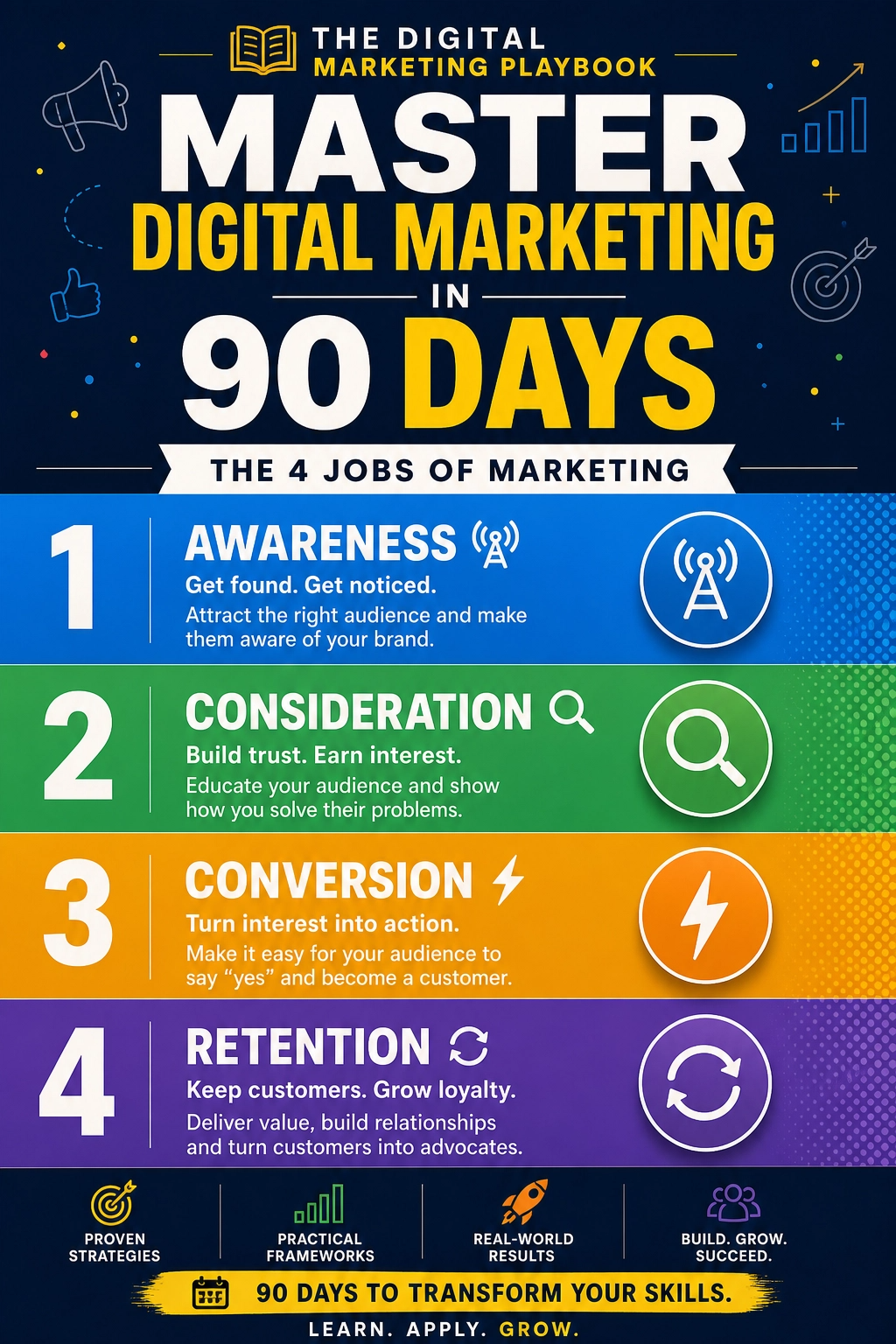
Authority works best when it feeds a clear offer, a strong website, and a way to follow up with people. If you’d like a step-by-step guide to building a complete marketing system, take a look at my ebook:
The Digital Marketing Playbook
Trust me, being known for one thing in many places beats being everywhere for nothing.
Final Thoughts
In the age of AI answers, your website is only one place where your reputation lives. Create genuinely useful assets, earn mentions from credible people and publications, participate honestly in communities, and keep your reviews and listings strong. Build trust the slow way, and both people and algorithms will notice.









Leave a Reply