


I once landed in a new country with a dead phone, no local SIM and a bank card that got blocked. Not my proudest moment. The good news is that a few smart tools prevent 90 percent of those disasters.
Here’s the essentials toolkit I recommend to every new nomad.
1. Health Insurance
Most digital nomad visas require health insurance that covers you in the host country. Look for:
- Coverage for hospital stays and emergencies.
- Medical evacuation options.
- Family or dependent coverage.
- Clear rules about pre-existing conditions.
Read the policy fine print. Cheap plans often have big gaps.
2. Banking and Money
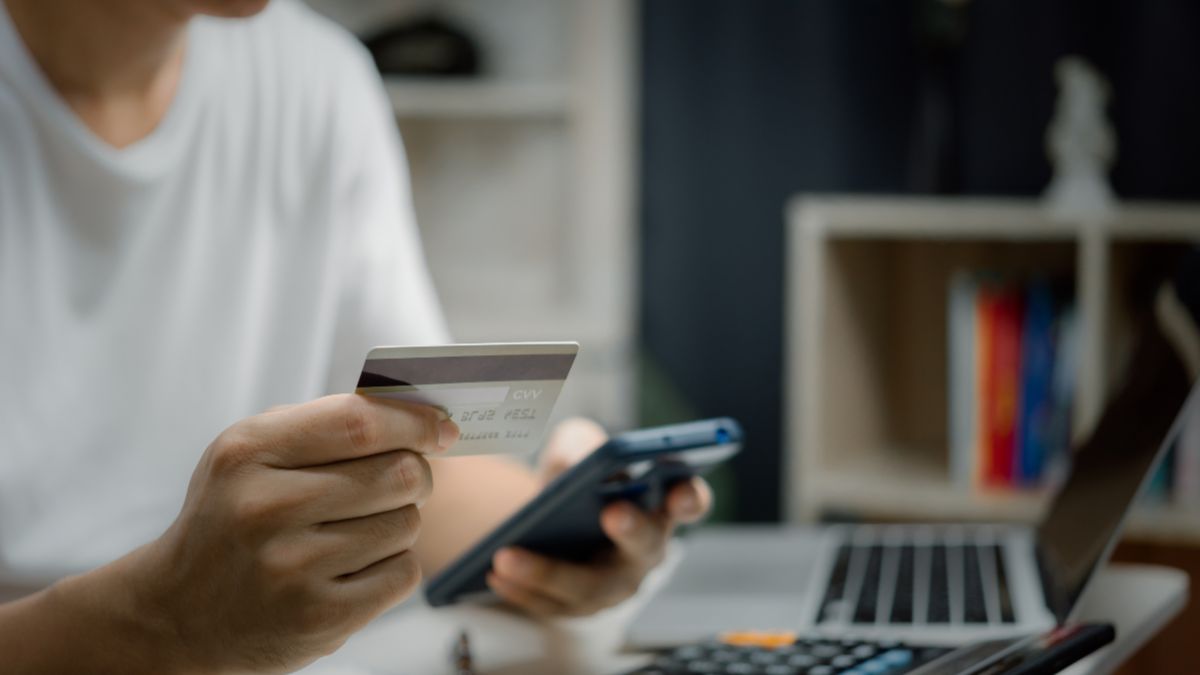
- Multi-currency account: lower fees on transfers and spending abroad.
- Two cards from different banks: if one is blocked, you have a backup.
- Notify your bank before you travel, if your bank requires it.
- Emergency cash in a small amount of local currency.
3. Internet and Phone
- eSIM: the easiest way to get data when you land.
- Local SIM: often cheaper for longer stays.
- Portable hotspot as a backup for important calls.
- Speed test before booking: ask your host for a screenshot of the Wi-Fi speed.

4. Digital Security
- Use a reputable VPN on public Wi-Fi.
- Turn on two-factor authentication everywhere.
- Use a password manager.
- Back up files to cloud storage and a small external drive.
5. Work Setup
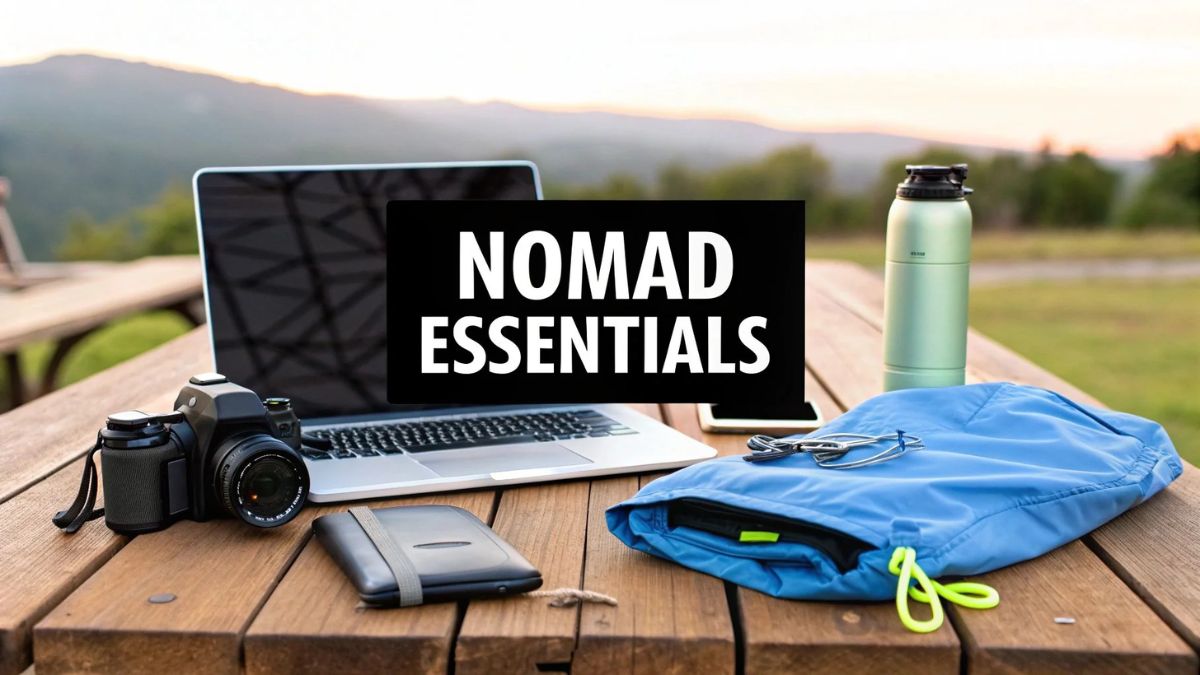
- A lightweight laptop with good battery life.
- Noise-canceling headphones.
- A portable laptop stand and a compact keyboard to protect your back.
- Universal power adapter and a small power strip.

6. Coworking and Community
Coworking spaces give you fast internet, a routine and friends. Look for family-friendly spaces or ones with childcare nearby if you travel with kids.
7. Travel and Safety
- Share your itinerary with a trusted person.
- Keep digital and printed copies of your passport, visa and insurance.
- Save local emergency numbers and the nearest embassy contact.
- Learn a few basic phrases in the local language.
Pack-Light Checklist
- Laptop and charger
- Headphones
- Universal adapter
- Portable hotspot or eSIM-ready phone
- Backup drive
- Small first-aid kit and medications
- Copies of key documents
Common Mistakes
- Relying on one bank card.
- Skipping insurance to save money.
- Using public Wi-Fi without protection.
FAQ
Do I need a VPN? It’s a smart layer of protection on public networks, though it’s not a substitute for good security habits.
What if my visa requires specific insurance? Check the official requirements and choose a policy that meets them in writing.
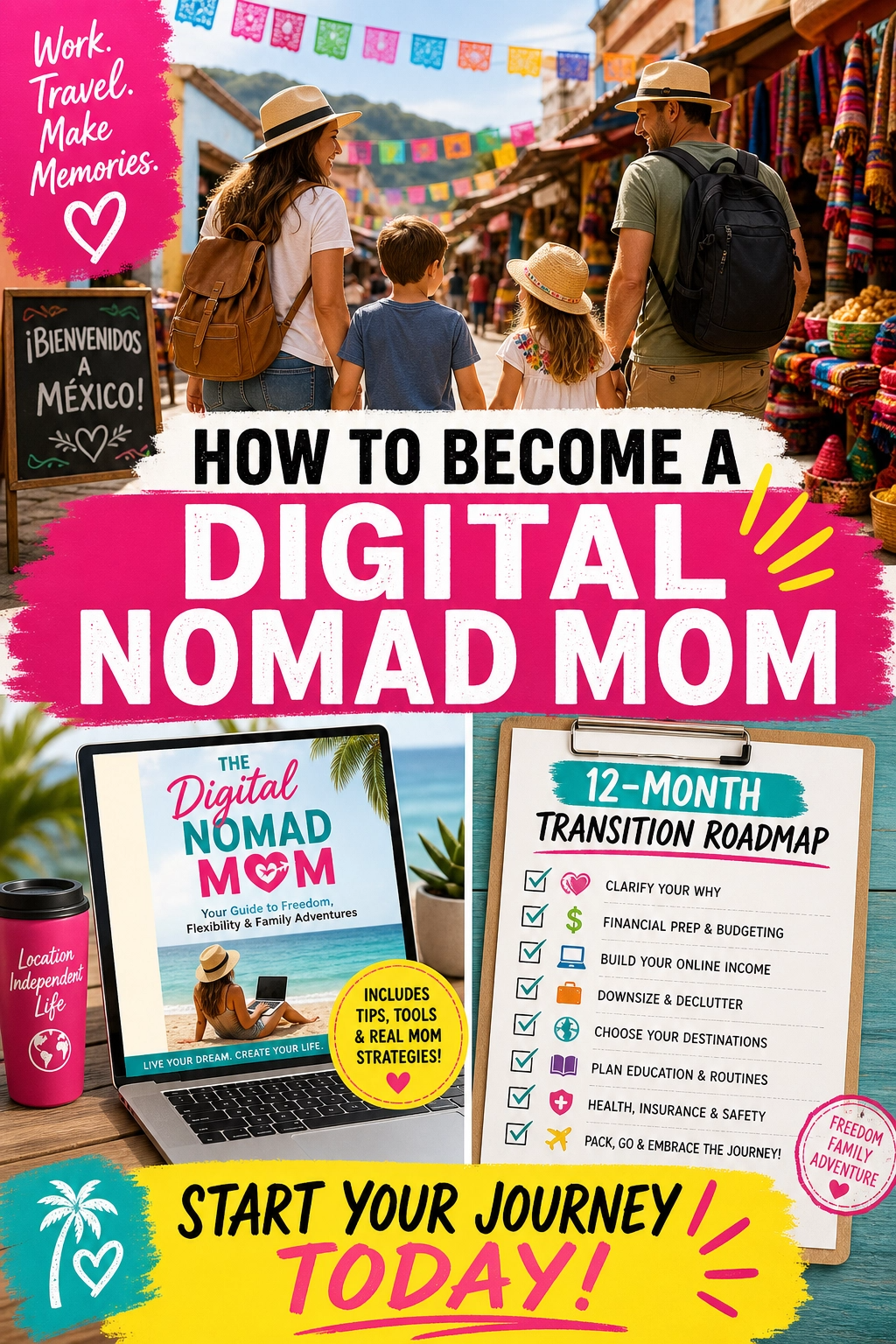
Want a complete checklist for your first move? The Digital Nomad Mom gives you the roadmap: Download it here










Leave a Reply