

Here’s a story I tell every new entrepreneur. A few years ago, a social platform I relied on changed its algorithm overnight. My reach dropped by more than half, and the traffic I’d spent months building vanished. I felt sick. But my email list, small as it was, kept right on working. Those subscribers still opened my emails and still bought my products. That was the day I understood why people say, “Your email list is the only audience you truly own.”
If you want to build an email list that supports your online income, you’re making one of the smartest moves a beginner can make. And you don’t need thousands of followers to start.
In this guide, I’ll walk you through choosing an email platform, creating a freebie people actually want, growing your subscribers, writing emails that get opened, and turning your list into income.
Why Your Email List Matters
Here’s why I recommend building a list before almost anything else:
- You own it. Platforms change rules. Your list stays with you.
- Higher engagement. People who sign up have asked to hear from you.
- Direct selling. You can promote products and services without competing with an algorithm.
- Relationship building. Email feels personal and builds trust.
- Resilience. If one traffic source fades, you still have a way to reach your audience.
The honest part: Building a list takes time, and early growth can feel painfully slow. But even 100 engaged subscribers can generate real income when you serve them well.
Step 1: Choose an Email Platform
You’ll need an email service provider (ESP) to collect subscribers, send emails, and stay legally compliant. Popular beginner-friendly options include MailerLite, ConvertKit (now Kit), Flodesk, and Mailchimp. Many offer free plans for small lists, though features and limits change, so check current pricing.
What to Look For
- Free or low-cost starter plan
- Easy sign-up forms and landing pages
- Simple automation (such as welcome sequences)
- Reliable deliverability
- Clear unsubscribe and compliance tools
Pro tip: Don’t spend weeks comparing. Pick one, learn it well, and switch later if you must.
Step 2: Create a Lead Magnet People Want
A lead magnet is a free resource you offer in exchange for an email address. Mine used to be vague (“Join my newsletter!”), and almost nobody signed up. When I switched to a specific freebie, my sign-ups jumped.
Lead Magnet Ideas
- Checklists: “10-Step Checklist to Launch Your First Digital Product”
- Templates: A budget spreadsheet, content calendar, or email script
- Mini-guides or ebooks: A short PDF solving one problem
- Cheat sheets: One-page quick references
- Mini email courses: Five daily lessons delivered by email
- Prompt packs: Ready-to-use AI prompts for a specific task
- Discount codes for product-based businesses
What Makes a Great Lead Magnet
- Solves one specific problem quickly.
- Delivers a quick win within 15 to 30 minutes.
- Matches your paid offers, so subscribers are likely buyers later.
- Looks professional. Canva makes this easy.
An AI assistant can help brainstorm ideas and draft the content, which you then personalize. The Claude Advantage shows how to prompt effectively for this.
Step 3: Set Up Your Sign-Up Page and Forms
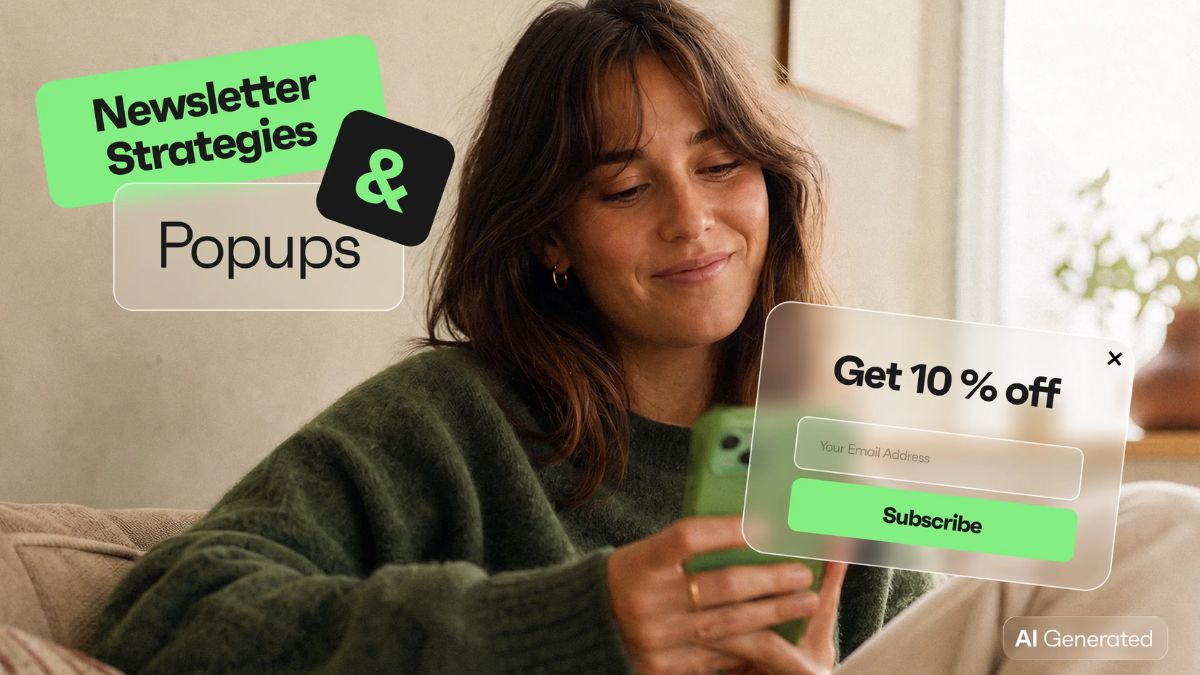
- Create a simple landing page in your email platform with a clear headline, three benefit bullets, and a sign-up form.
- Add forms to your website, blog sidebar, and within posts.
- Use a welcome email that delivers the freebie immediately.
- Ask only for what you need, typically a name and email address.
- Include a privacy note and follow regulations like GDPR and CAN-SPAM where they apply.
A strong headline example: “Get My Free Weekly Meal Planner and Save Two Hours Every Sunday.”
Step 4: Drive Traffic to Your Sign-Up Page
A great freebie needs visibility. Here are channels that work for beginners:
- Pinterest: Create pins promoting your freebie.
- Blog posts: Add content upgrades, which are bonus downloads relevant to each post.
- Social media: Share your freebie in your bio and posts.
- Collaborations: Swap shout-outs with creators in your niche.
- Communities and groups: Share it when it’s genuinely helpful and allowed by group rules.
- Your existing network: Invite friends who fit your audience.
To learn how to attract and convert visitors, The Digital Marketing Playbook explains the fundamentals clearly.
Step 5: Write a Welcome Sequence
Your welcome emails make the best first impression. Here’s the simple five-email sequence I use:
- Email 1 (immediately): Deliver the freebie and welcome them.
- Email 2 (day 2): Share your story and why you do this work.
- Email 3 (day 4): Offer your best free tip or a quick win.
- Email 4 (day 6): Share a case study or testimonial.
- Email 5 (day 8): Introduce a helpful paid offer with a clear call to action.
Keep a warm, conversational tone, as though writing to a friend. Your personal brand is what makes people open the next email. The Personal Brand Blueprint helps you find your voice and stand out.
Step 6: Send Emails Readers Love
Frequency
Consistency matters more than volume. Start with one email per week, then adjust based on your capacity and audience response.
Content Ideas
- Helpful tips related to your niche
- Personal stories that build connection
- Behind-the-scenes updates
- Product recommendations with honest explanations
- Reader questions and answers
Subject Lines
Aim for clear and curious. Examples: “The $5 tool I can’t live without,” “I made this mistake so you don’t have to,” or “Quick question about your budget.”
Step 7: Turn Your List Into Income
Once subscribers trust you, they’re far more likely to buy. Ways to earn include:
- Selling digital products: Planners, templates, ebooks, and courses.
- Offering services: Freelancing, coaching, and consulting.
- Affiliate recommendations: Share tools you truly use, with clear disclosure.
- Sponsorships: Brands may pay to reach an engaged audience.
- Memberships or communities.
If you need ideas for what to sell to your audience, The Stay-At-Home Mom’s Guide to Making Money Online is full of practical inspiration.
A Sample Weekly Email You Can Borrow
Staring at a blank email can feel intimidating, so here’s the simple structure I use for a weekly newsletter:
- Subject line: Clear, curious, and short.
- Opening story (2–3 sentences): Something real from your week, like a small win or a mistake you learned from.
- One useful tip or lesson: Keep it practical and specific.
- One recommendation or offer: A product, resource, or service, with honest context.
- A friendly sign-off and a question: Invite replies. Replies boost engagement and build relationships.
Keep emails between 200 and 400 words. Short, human emails often beat long, polished ones. And when someone replies, answer personally. Those conversations have led to some of my best clients and product ideas.
How to Get Your First 100 Subscribers
The first hundred feel the hardest, so here’s the exact plan I’d follow today:
- Week 1: Finish your freebie and landing page. Email ten friends or contacts who fit your audience and ask them to try it and share honest feedback.
- Week 2: Create ten Pinterest pins linking to your landing page. Post a short, helpful social post about the freebie.
- Week 3: Add a sign-up form or content upgrade to your three best blog posts, or write one new post designed to attract subscribers.
- Week 4: Collaborate with one creator in your niche for a shout-out swap.
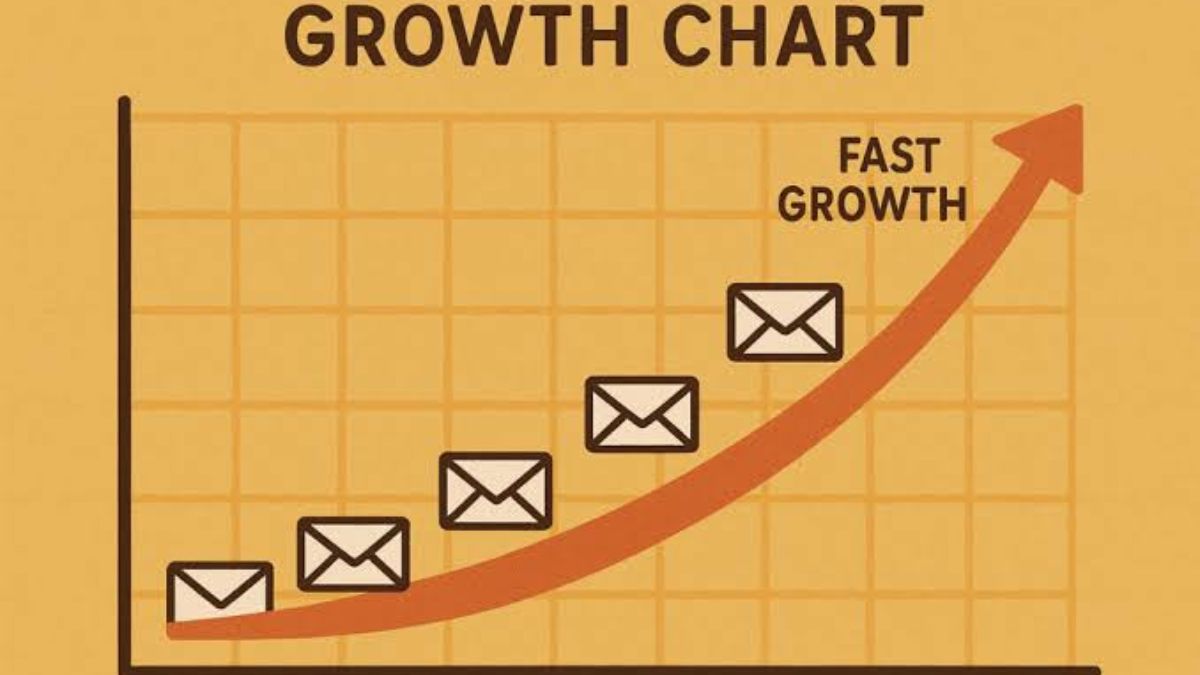
Repeat and improve. Even five new subscribers a week becomes over 250 in a year, and those people are far more valuable than random followers.
Keep Your List Healthy
- Remove inactive subscribers occasionally to protect deliverability.
- Segment your audience by interest to send more relevant emails.
- Test subject lines and send times.
- Always provide an easy unsubscribe link.
- Never buy email lists. It harms your reputation and often breaks the law.

A Realistic Growth Timeline
- Month 1: Set up your platform, freebie, and welcome sequence.
- Months 2–3: Your first 50 to 100 subscribers, depending on your traffic.
- Months 4–6: Growth as your content and promotion compound.
- Year 1: A few hundred to a few thousand subscribers is common for consistent creators.
Results vary widely, so focus on engagement rather than raw numbers.
Mistakes to Avoid
- A vague freebie. Specific beats generic.
- Waiting for a big audience. Start collecting emails now.
- Only selling. Provide value in most emails.
- Inconsistent sending. Choose a rhythm you can maintain.
- Ignoring the legal basics. Follow email regulations in your region.
- Neglecting your money habits. Track income carefully, and consider The Smart Mom’s Complete Guide to Money for simple financial structure.
Quick Answers About Building an Email List
How many subscribers do I need to make money? You can earn with a small list if it’s engaged and your offer fits their needs.
Is email marketing still effective? Yes. Email remains one of the most reliable ways to reach and sell to your audience directly.
Can I start with no website? Yes. Many platforms offer hosted landing pages.
How often should I email? Once a week is a solid starting point.
Start Collecting Emails Today
When you build an email list, you create a lasting asset that no algorithm can take away. Choose a platform, create a helpful freebie, set up a simple sign-up page, and share it consistently. Then show up for your subscribers with real value.
This week, pick your platform, outline your freebie, and write your first welcome email. Trust me, the first time a subscriber replies with “This helped me so much!”, you’ll know every minute was worth it. Let’s get started!









Leave a Reply