

Every few months, a new wave of videos promises that you can “make passive income publishing books on Amazon with AI in a weekend.” I understand the appeal. I’ve also watched friends upload a stack of quickly generated journals and then spend weeks wondering why nothing sold, and one of them got a warning about her account. The gold rush, if there ever really was one, has changed.
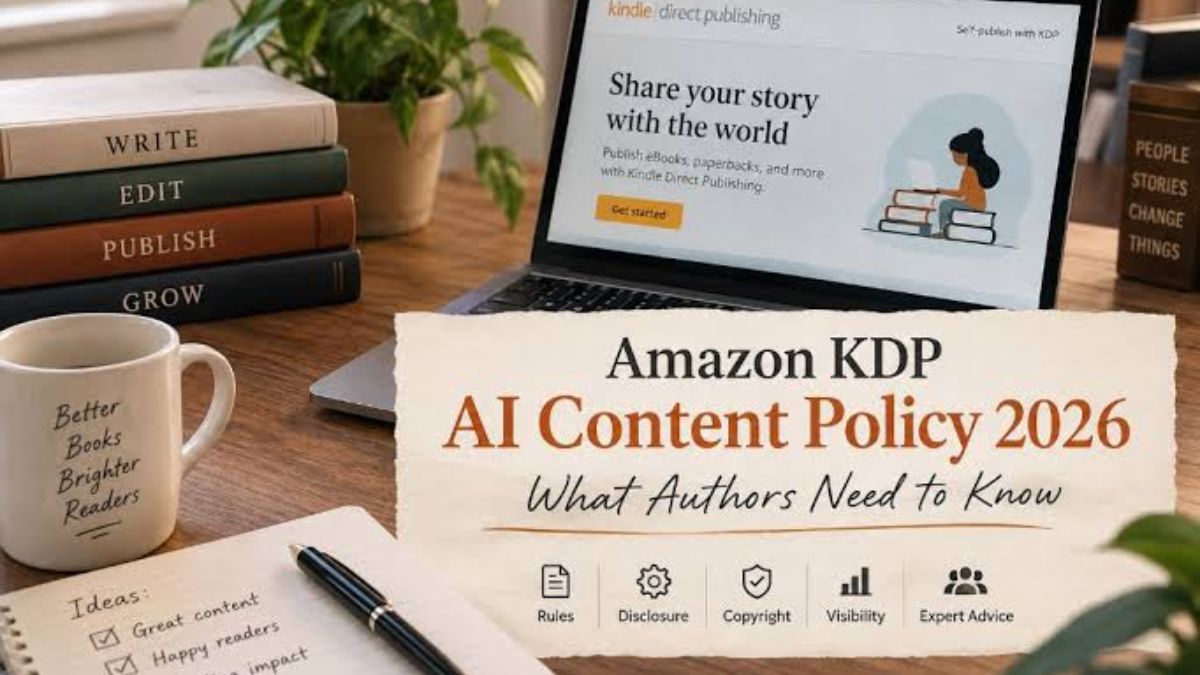
Amazon’s self-publishing platform, Kindle Direct Publishing (KDP), still lets anyone publish a book for free. But the rules around AI have become much more serious. Authors must disclose AI-generated text, images, and translations in the publishing process. Reports say enforcement has increased, with books removed and accounts restricted for undisclosed AI content. Amazon has also introduced limits on how many titles can be submitted in a day and expanded its attention to low-content and duplicate books.
In this guide, I’ll explain how self-publishing on Amazon KDP works with AI: what’s allowed, what the rules mean, how to write a book you can be proud of, and how to protect your account. (Policies change, so read KDP’s official guidelines. Earnings are never guaranteed, and many books sell very little.)
What KDP Actually Requires About AI
Based on KDP’s published guidance and recent coverage:
- AI-generated content must be disclosed. When you publish or republish a book, you declare whether it contains AI-generated text, images (including cover art and interior images), or translations.
- AI-assisted content is treated differently. KDP’s guidance distinguishes AI-generated content (where AI created the text, images, or translations, even if you edited them afterward) from AI-assisted content (where you created the work and used AI tools to edit, refine, brainstorm, or check it). The disclosure requirement targets AI-generated content.
- Not disclosing is risky. Failing to disclose AI-generated content can lead to a book being removed and, for repeat issues, account-level action.
- Title limits apply. Reports describe daily limits on how many titles an account can submit, with exemptions available case by case. Details can change, so check the current rules.
- Low-content and spam enforcement has expanded. Duplicate, thin, or mass-produced books, including some journals and logbooks, are increasingly scrutinized.
- Other retailers have rules too. Some other platforms, such as Apple Books, also ask for AI disclosure.
Here’s the truth: AI isn’t banned. Misrepresenting how your book was made, or flooding the platform with low-quality books, is what gets people in trouble.
Is KDP Still Worth It for a Stay-at-Home Mom?
It can be, for the right kind of book, but be realistic:
- Most books earn little. Success usually comes from a genuinely useful or engaging book, good marketing, and patience.
- Quality beats quantity. One well-written, well-edited book with a clear audience is worth more than ten rushed ones.
- It works best with expertise. Moms often know a lot: budgeting on a tight income, picky eaters, homeschooling, organizing, or surviving the newborn stage.
- It’s slow money. Many authors earn nothing for months while they build an audience.
Step 1: Choose a Book That Helps Someone
Start with a problem you can solve:
- A short practical guide (“30-Day Meal Prep for Busy Families”)
- A workbook with real exercises
- A children’s book you wrote yourself, with illustrations you have the rights to
- A niche planner or journal with an original concept
- A memoir or personal story with a clear angle
Research similar books. Look at what readers like, what they complain about, and what’s missing.
Step 2: Write With Your Own Voice
AI can help, but readers can tell when a book has no heart:
- Use AI for brainstorming, outlines, and editing help, not as the author of the whole book.
- Put your real experience in it: stories, mistakes, and lessons.
- Fact-check everything, especially health, financial, legal, or safety information. AI can invent facts.
- Don’t copy other authors’ work or imitate it closely.
- Edit carefully, and consider a human editor or proofreader.
If AI generates substantial text, images, or translations, disclose it when you publish.
Step 3: Handle Covers and Images Properly
- Know the rights to every image, font, and graphic you use.
- If you use AI-generated images, disclose them in the publishing process.
- Avoid copyrighted characters, brands, and celebrity likenesses.
- Make a cover that looks professional, since it’s the first thing readers see. Hire a designer if you need one.
Image-heavy books with AI disclosures can take longer to review, so plan extra time.
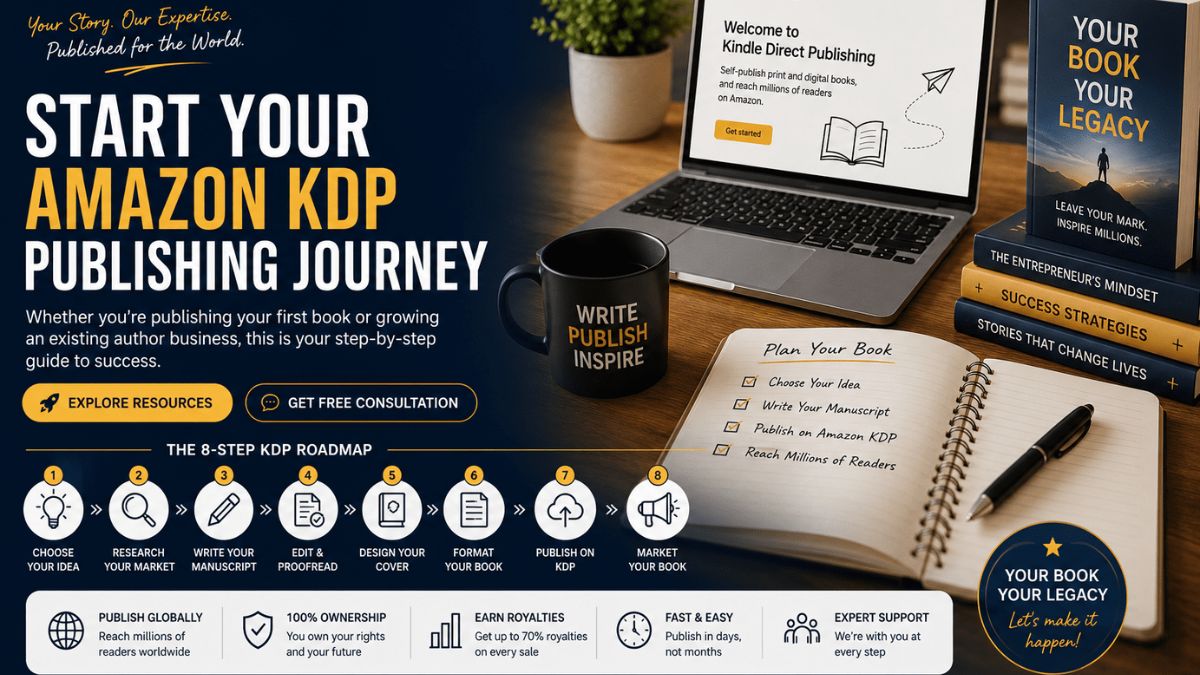
Step 4: Format and Publish Correctly
- Create a KDP account and complete your tax and payment information.
- Format your manuscript following KDP’s guidelines for ebooks or print.
- Write a clear title, subtitle, and description that tell readers what they get.
- Choose categories and keywords based on how readers search.
- Answer the AI disclosure question honestly.
- Set your price and rights.
- Review the preview carefully before submitting.
Step 5: Market Your Book
Publishing isn’t the finish line.
- Build an email list and invite readers to a free sample or companion printable.
- Share your story on social platforms where your readers are.
- Make short videos about the problem your book solves.
- Ask early readers for honest reviews, following Amazon’s review rules. Never buy or fake reviews.
- Update and improve your book based on feedback.
- Consider a series or companion products once you learn what readers want.
Step 6: Protect Your Account
- Follow the content guidelines closely, and recheck them when you publish updates.
- Don’t mass-produce near-duplicate books.
- Keep records of how you created your work.
- Disclose AI honestly, even if you aren’t sure. When uncertain, read the definitions or ask KDP support.
- Fix problems quickly if you receive a notice.
Taxes and Business Basics
In the U.S., royalties are generally self-employment income. Net earnings of $400 or more trigger self-employment tax, so keep records of sales and expenses, and set money aside. Non-U.S. authors and sellers have their own tax rules, so check with a professional.
Mistakes to Avoid
- Treating KDP as a get-rich-quick scheme.
- Publishing AI text without disclosure or editing.
- Uploading many thin or duplicate books.
- Skipping a professional cover and proofreading.
- Making unsupported claims, especially in health or money topics.
- Buying fake reviews.
- Ignoring policy updates.
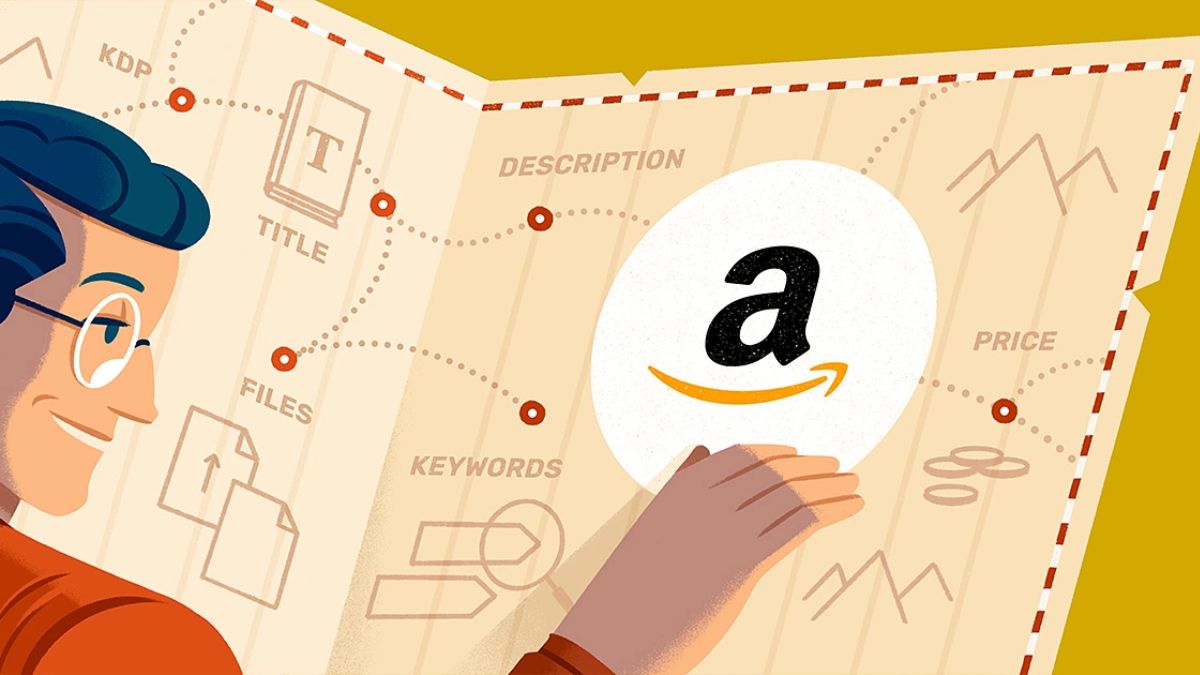
Your 60-Day KDP Plan
- Weeks 1-2: Choose your topic, research competitors, and outline your book.
- Weeks 3-5: Write your draft in your own voice. Use AI only for support, and fact-check everything.
- Weeks 6-7: Edit, proofread, and design the cover.
- Week 8: Format, answer the AI disclosure question honestly, publish, and share with your first readers.
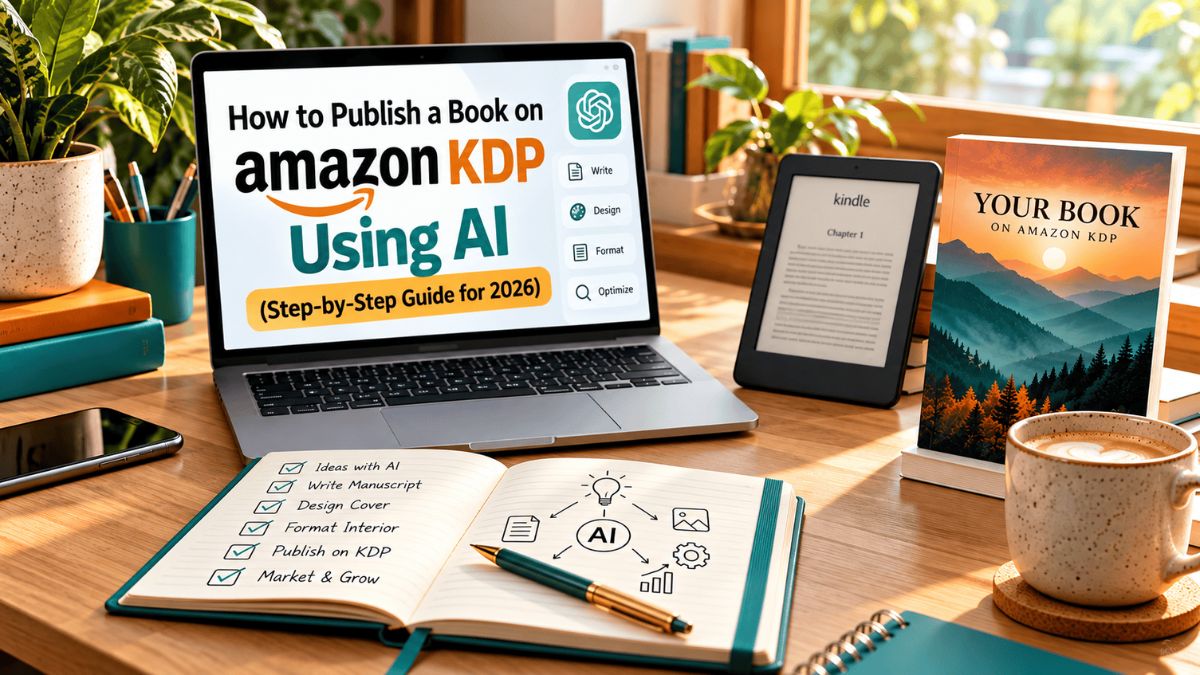
Build Books Into a Bigger Plan
A book can be a great piece of your online income, especially when it supports your email list, services, or products. If you’d like a beginner-friendly roadmap made for moms, take a look at my ebook:
The Stay-At-Home Mom’s Guide To Making Money Online
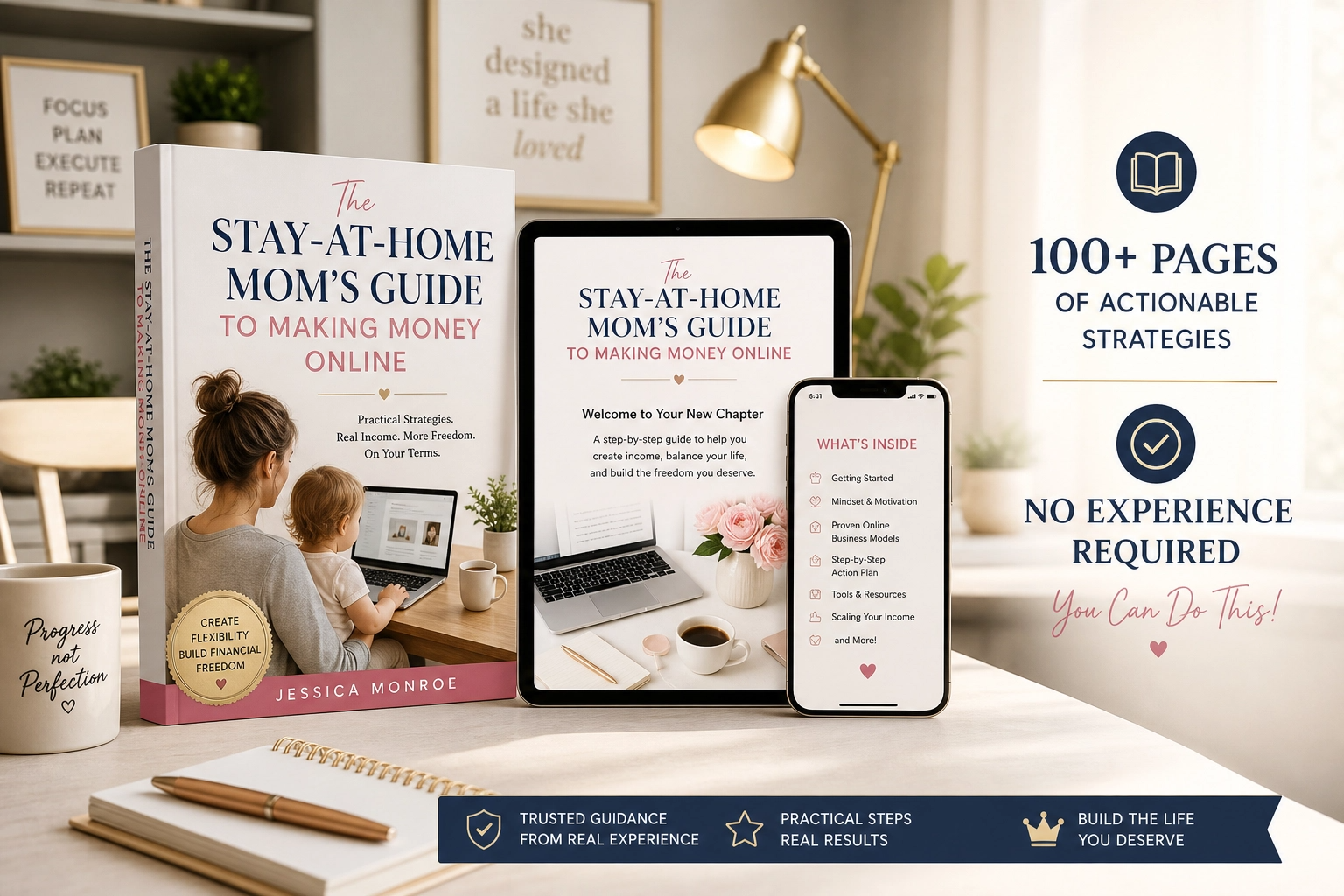
Trust me, a book works best when it’s part of a plan and not a gamble.
Final Thoughts
Self-publishing on KDP is still open to anyone, but the days of effortless AI-generated books are fading. Write something genuinely helpful, use AI as an assistant rather than a ghostwriter, disclose honestly, and invest in quality and marketing. Your experience as a mom is real expertise, and readers are looking for exactly that.









Leave a Reply