

The first thing I ever sold online was a stroller my youngest had outgrown. It had been sitting in the garage for a year, collecting dust and guilt. I took five photos, wrote a simple description, and listed it that night. By morning, a mom had messaged to buy it. The $65 I earned paid for our grocery run that week, and my garage felt lighter in more ways than one.
If you want to sell used items online, you’re tapping into one of the easiest ways to earn extra money with almost no startup cost. You already own things you no longer use. With a bit of organization, good photos, and honest descriptions, those items can become cash.
In this guide, I’ll walk you through what sells well, where to sell, how to price, how to photograph and describe items, how to ship safely, and how to avoid scams.
Why Selling Used Items Works
- Zero or low startup cost. You’re selling what you already have.
- Fast results. Some items sell within hours or days.
- Decluttering benefits. Less stuff, more space.
- Flexible. List items whenever you have a few minutes.
- A stepping stone. Many people expand into reselling for profit.
The honest part: Selling takes time, items may sell for less than you hoped, and fees and shipping costs reduce your earnings. Treat it as a practical side income and a way to reclaim space, not a guaranteed money maker.
Step 1: Gather and Sort Items to Sell
Walk through your home and look for items you no longer use.
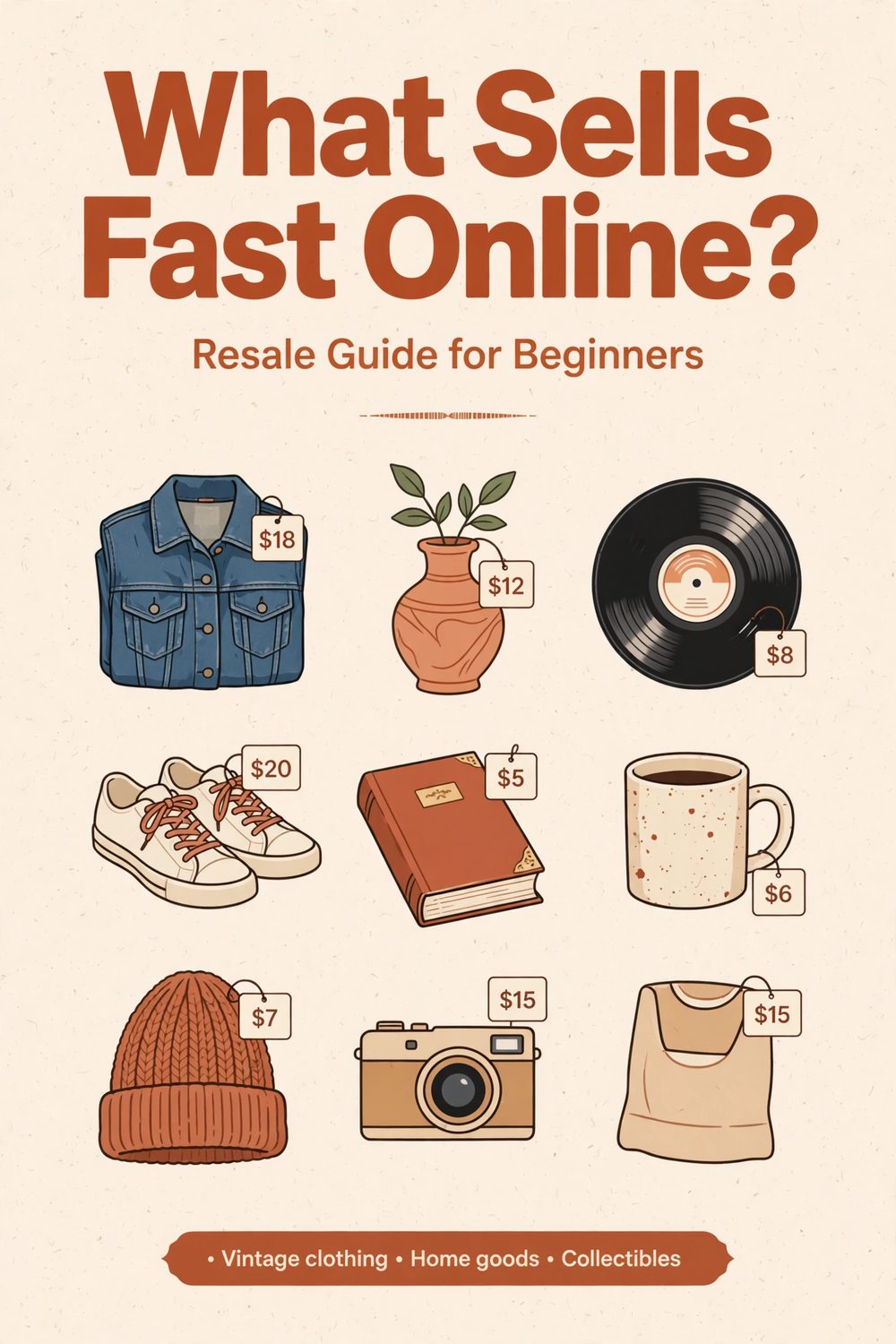
Items That Often Sell Well
- Kids’ clothing, toys, and gear.
- Brand-name clothing, shoes, and accessories in good condition.
- Electronics that still work.
- Furniture and home decor.
- Books, games, and media.
- Sports and fitness equipment.
- Kitchen appliances and cookware.
- Craft supplies and hobby gear.
- Baby items that meet current safety standards.
- Collectibles and vintage items.
Safety Notes
- Don’t sell recalled or unsafe items, especially baby and child products. Check recall lists.
- Don’t sell items with personal data stored on them. Reset and wipe electronics.
- Be honest about flaws.
- Follow rules for restricted items on each platform.
Step 2: Clean, Repair, and Prepare
Presentation affects price.
- Wash clothing and remove lint.
- Wipe down electronics and furniture.
- Test items to make sure they work.
- Replace missing parts or batteries when it’s inexpensive.
- Gather boxes, manuals, and accessories.
- Remove stains or odors where possible.
A clean, complete item typically sells faster and for more.
Step 3: Choose Where to Sell
Different platforms suit different items.
- Local marketplace apps and community groups: Great for furniture and bulky items, with no shipping.
- Fashion resale apps: Good for clothing, shoes, and accessories.
- General marketplaces: Wide audience for electronics, collectibles, and household goods.
- Kids’ resale sites and groups: Ideal for baby and children’s items.
- Book and media resale sites.
- Consignment stores or in-person sales for convenience.
Fees, rules, and policies vary and change, so check current terms. Many sellers list items on more than one platform, then remove them when sold.
Step 4: Research Prices
- Search for the same item on your chosen platforms.
- Filter by “sold” listings where possible to see what people actually paid.
- Consider condition, brand, age, and demand.
- Account for fees and shipping.
- Price slightly above your minimum so you have room to negotiate.
Pricing Tips
- Don’t base prices on what you paid.
- Be realistic. Used items usually sell for a fraction of retail.
- Bundle small items to sell them faster.
- Lower prices gradually if items don’t sell.
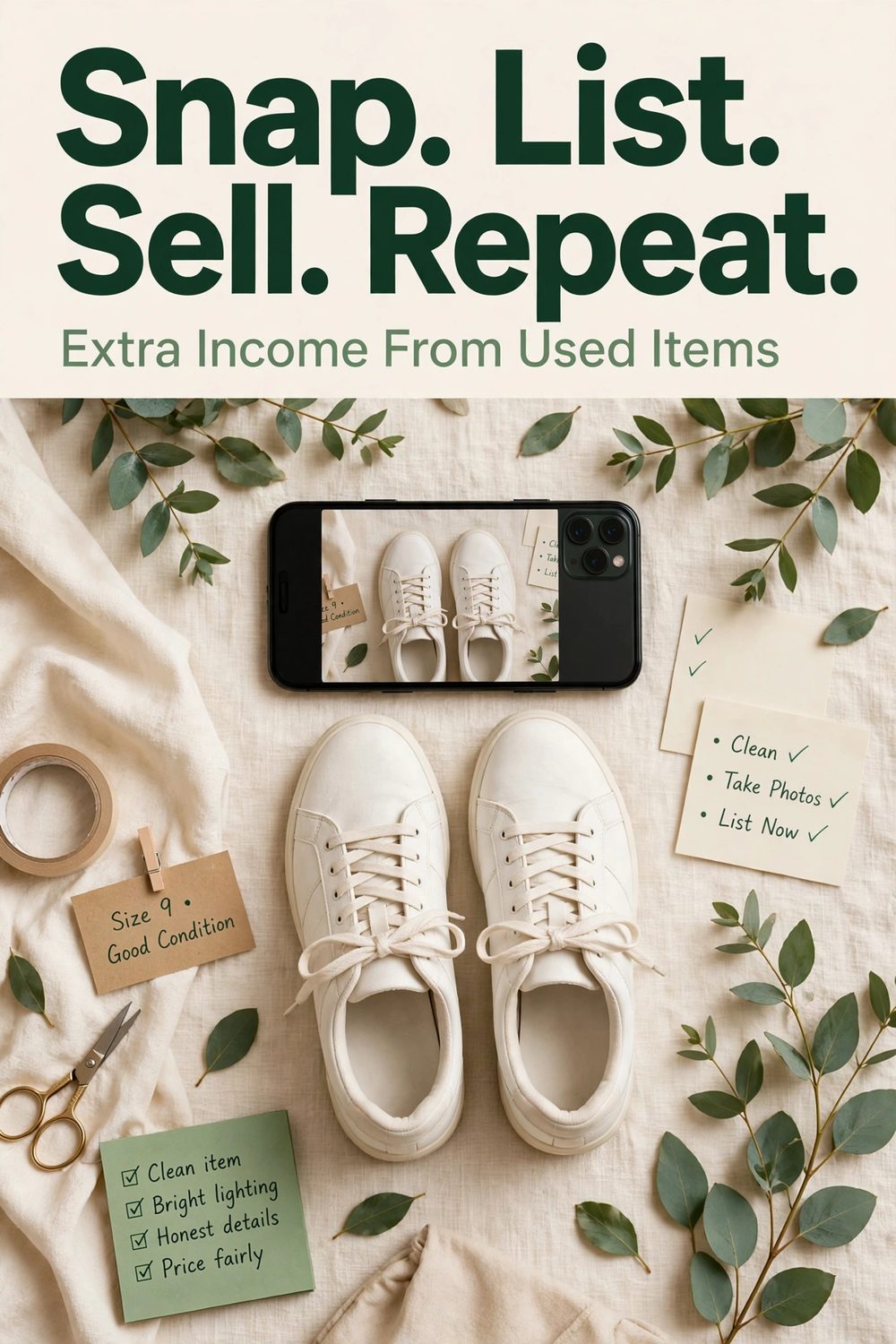
Step 5: Take Photos That Sell
Good photos matter more than almost anything.
- Use natural light near a window.
- Choose a clean, neutral background.
- Take multiple angles, including labels, tags, and flaws.
- Show scale with a common object if helpful.
- Take close-ups of important details.
- Keep images sharp and uncluttered.
For clothing, lay items flat or hang them, and show measurements. For electronics, show the screen on and any accessories included.
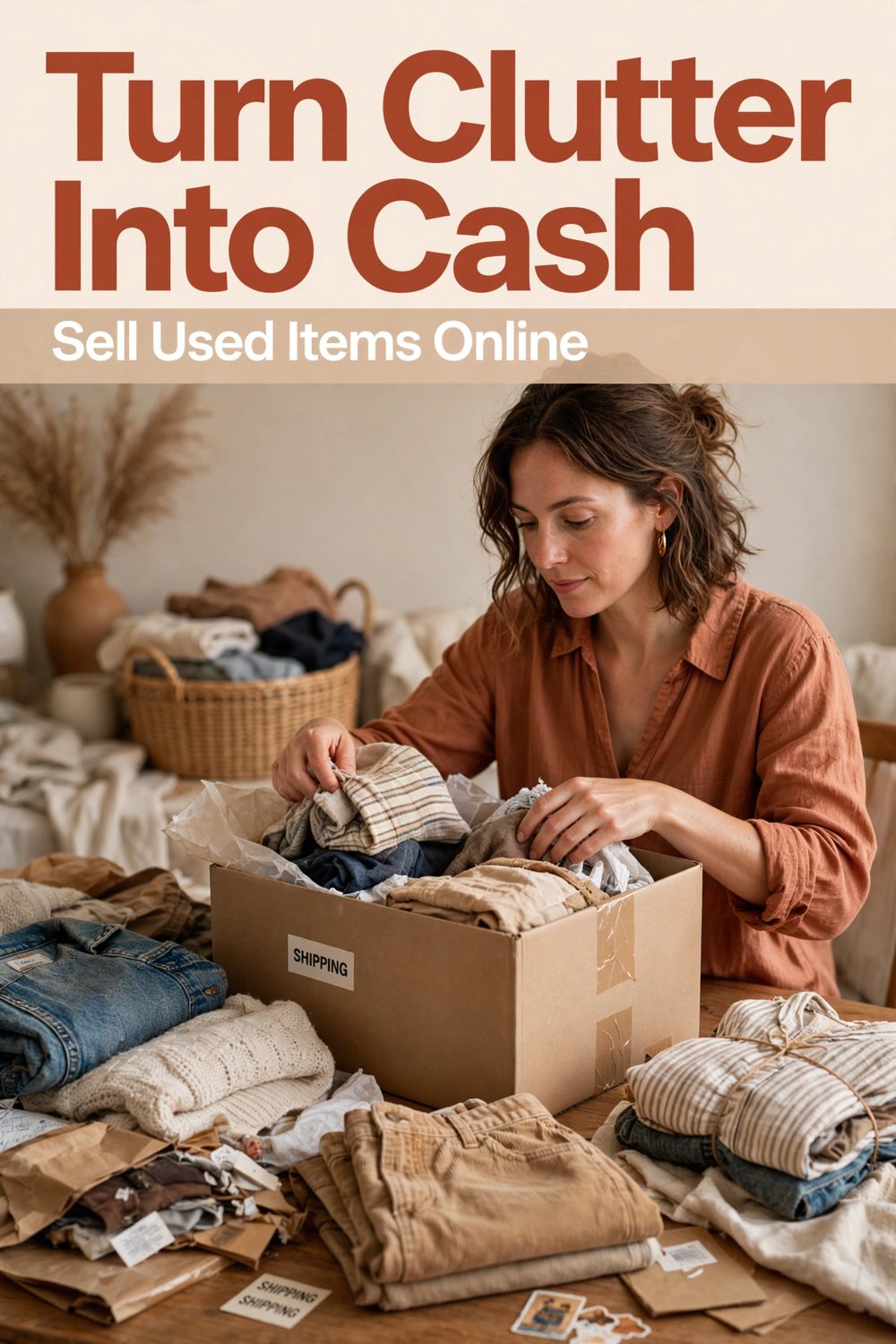
Step 6: Write Honest, Helpful Listings
What to Include
- A clear title with brand, item type, size, and key features.
- Condition described honestly.
- Measurements and size information.
- Material and color.
- Why you’re selling (optional).
- Pickup, shipping, or delivery options.
- Payment methods you accept.
A Simple Listing Template
“[Brand] [Item], size [size], [color]. Condition: [excellent/good/fair], [mention flaws]. Smoke-free and pet-free home. Measurements: [details]. Pickup from [general area] or shipping available.”
AI can help you draft titles and descriptions quickly. Always review them for accuracy and honesty. The Claude Advantage shows how to prompt effectively for listings and planning.
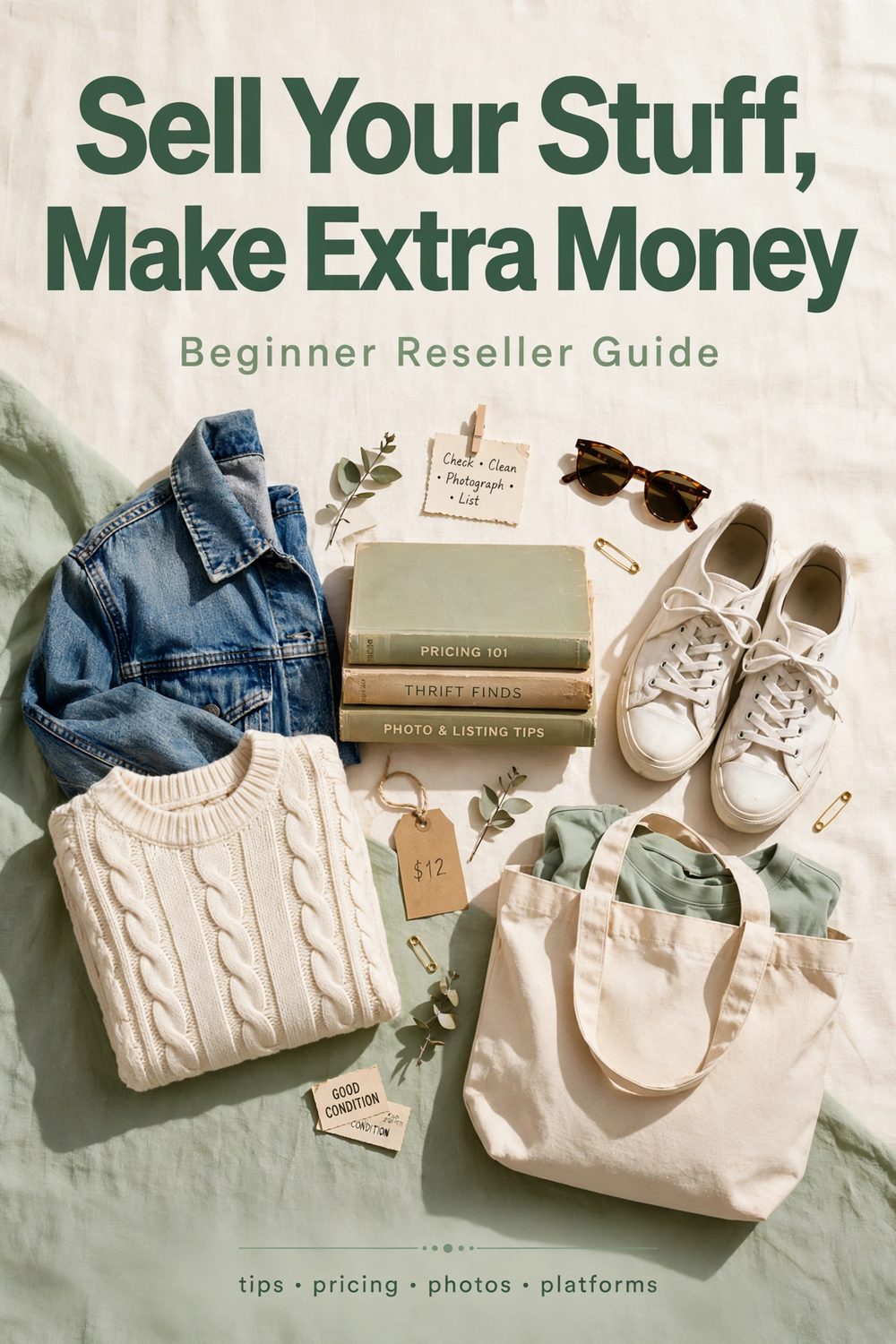
Step 7: Communicate and Negotiate Smartly
- Respond quickly and politely.
- Answer questions honestly.
- Decide your lowest acceptable price in advance.
- Don’t be afraid to decline lowball offers.
- Keep conversations on the platform when possible.
Step 8: Ship Safely and Meet Safely
Shipping
- Weigh and measure items and calculate shipping costs.
- Pack carefully with sturdy boxes and padding.
- Use tracking.
- Ship promptly after payment clears.
- Keep proof of shipment.
Local Meetups
- Meet in a public, well-lit place, such as a busy parking lot or a designated safe-exchange location.
- Bring a friend for large transactions.
- Tell someone where you’re going.
- Accept secure payment methods.
- Trust your instincts.
Step 9: Avoid Common Scams
- Overpayment scams: A buyer sends too much and asks you to refund the difference. Don’t.
- Fake payment confirmations: Verify payment in your actual account.
- Requests to move off-platform or pay with gift cards.
- Buyers who want you to ship before payment clears.
- Suspicious links and verification codes. Never share one-time codes.
- Fake courier or “agent” arrangements.
If something feels off, pause. For more guidance, see our article on avoiding online money-making scams.
Step 10: Grow From Decluttering to Reselling
If you enjoy it, you might expand.
- Thrift store, garage sale, and clearance sourcing to resell for profit.
- Specialize in a niche, such as vintage clothing, kids’ items, or electronics.
- Track costs and profit for each item.
- Build a brand on a platform or your own shop.
- Scale carefully to avoid ending up with unsold inventory.
If you’re exploring other flexible ways to earn from home, The Stay-At-Home Mom’s Guide to Making Money Online offers beginner-friendly ideas, and The Digital Marketing Playbook explains how to promote a growing resale business.
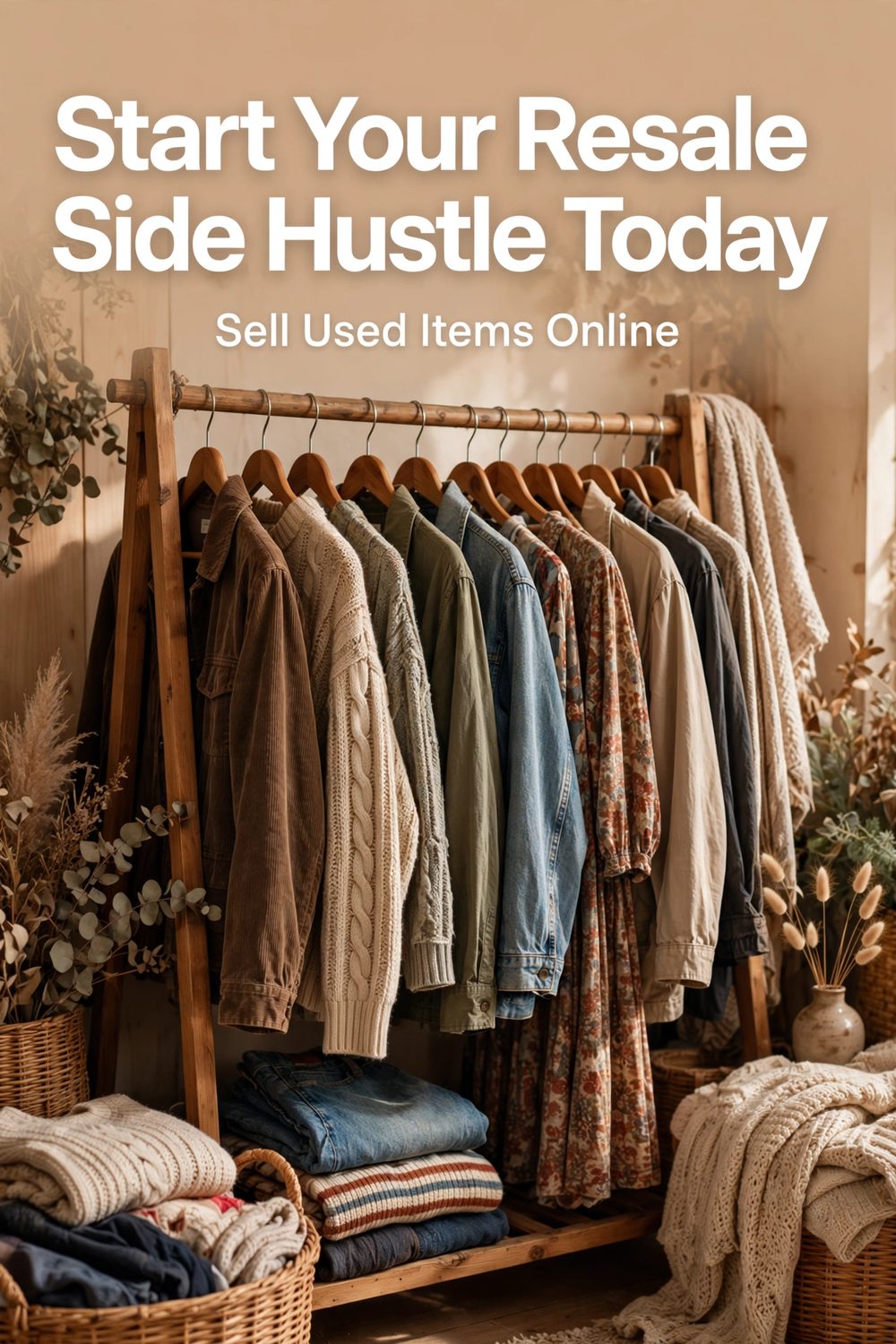
Handle the Money Wisely
- Track sales and expenses, especially if you resell regularly.
- Understand tax rules. Selling used personal items at a loss is often treated differently than reselling for profit, and rules vary by location. Consult a qualified professional.
- Set aside some proceeds for savings or debt.
- Consider a separate account if reselling becomes regular.
The Smart Mom’s Complete Guide to Money offers friendly guidance for putting extra income to good use.
A One-Weekend Declutter-and-Sell Plan
- Friday evening: Walk through your home and collect 15 to 20 items.
- Saturday morning: Clean, test, and photograph everything.
- Saturday afternoon: Research prices and write listings.
- Sunday: Post listings, respond to messages, and schedule pickups.
- Next week: Reduce prices on unsold items and ship or deliver sales.
What to Do With Items That Don’t Sell
Not every listing sells, and that’s normal. Handle leftovers in a few simple ways:
- Refresh the listing with better photos or a clearer title.
- Lower the price by a modest amount every week or two.
- Bundle items into themed lots, such as a set of kids’ books.
- Donate useful items to local charities and keep the receipt if you want to track it.
- Recycle or dispose responsibly if items are no longer usable.
Setting a time limit, such as 30 days, keeps clutter from piling up again and helps you stay focused on items most likely to sell.
Mistakes to Avoid
- Poor photos.
- Overpricing based on what you paid.
- Vague descriptions.
- Ignoring fees and shipping.
- Meeting strangers unsafely.
- Falling for payment scams.
- Selling recalled or unsafe items.
Quick Answers About Selling Used Items
How much can I earn? It varies by what you sell and how much time you invest. Many people earn a few hundred dollars from a first big declutter.
What sells fastest? Items that are in demand, fairly priced, and well photographed, such as kids’ gear and popular electronics.
Is it worth the effort? For many people, yes, especially for higher-value items and quick, local sales.
Do I need to report this income? Rules vary by location and situation. Check with your local tax authority or a professional.
Turn Clutter Into Cash and Calm
Selling used items online is a simple way to earn extra money while creating space in your home. Gather, clean, photograph, price fairly, and communicate honestly.
This week, pick one closet or shelf and list five items. Trust me, the first time a buyer says, “I’ll take it!”, you’ll feel both richer and lighter. Let’s declutter!









Leave a Reply