

My first affiliate commission was $3.20. I was so excited that I screenshotted it and sent it to my sister, who replied, “Is that… a coffee?” Honestly, it kind of was. But that tiny payment proved something huge: a stranger had trusted my recommendation enough to buy through my link.
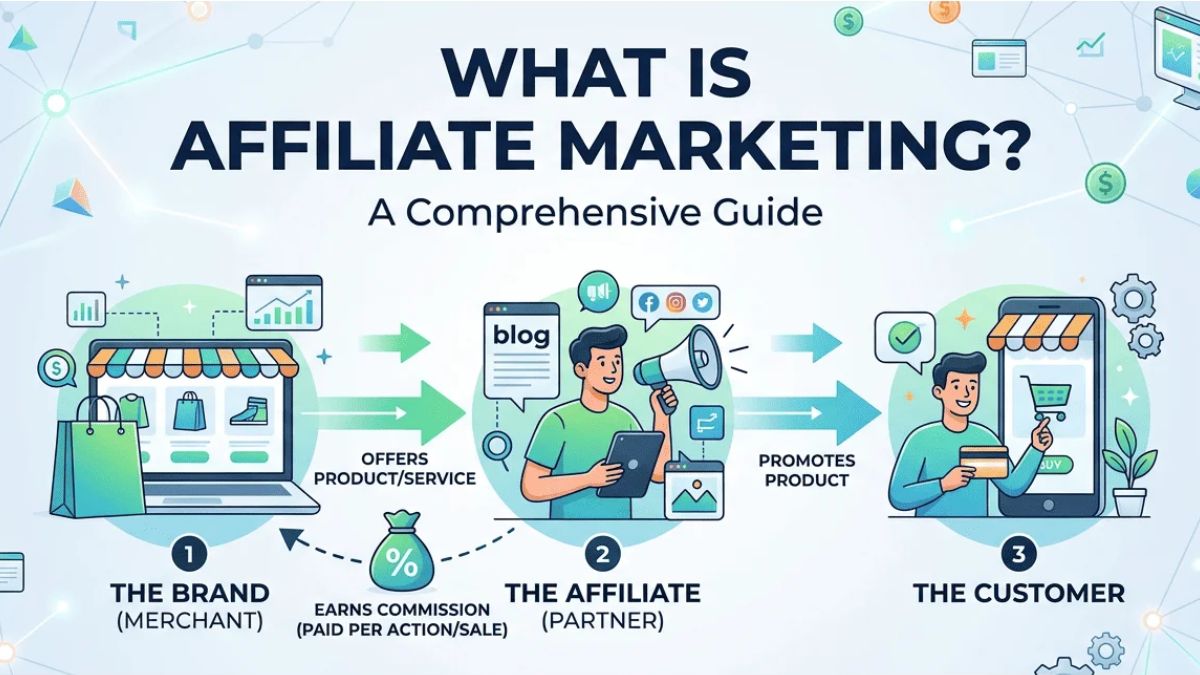
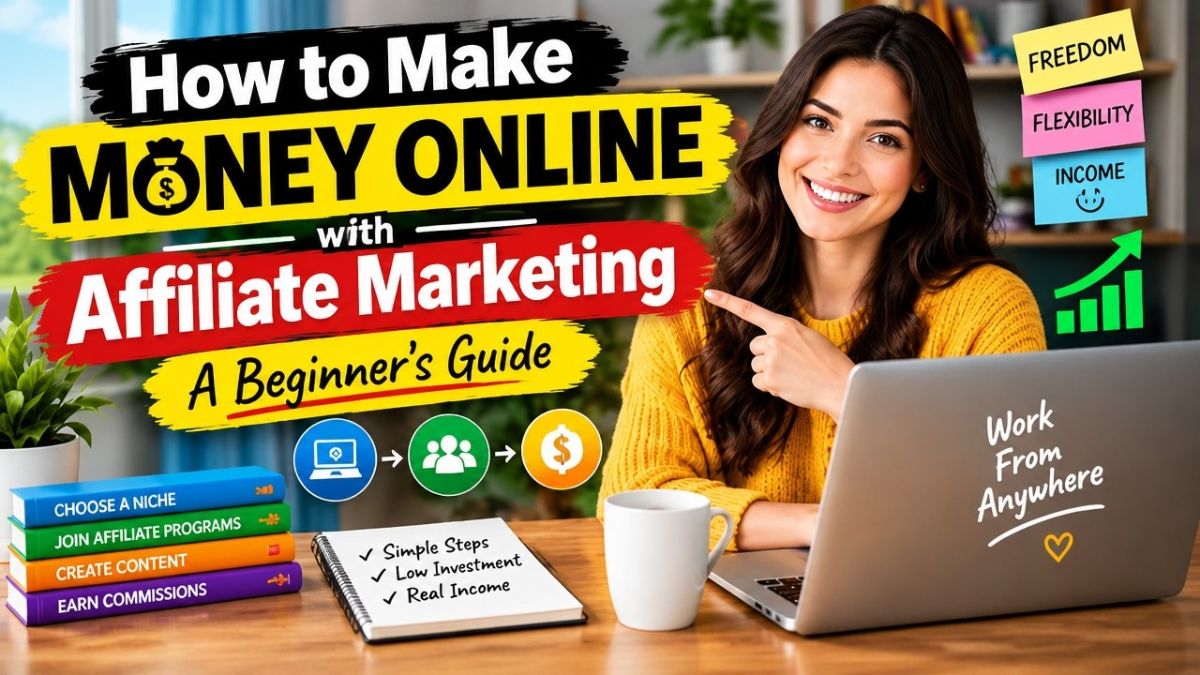
If you’re curious about affiliate marketing for beginners, here’s the simple idea. You recommend products or services you believe in, share a special tracking link, and earn a commission when someone buys through it. No inventory, no customer service, no product creation.
In this guide, I’ll walk you through how affiliate marketing works, how to pick a niche and programs, how to create content that earns trust, and the mistakes that slowed me down at the start.
How Affiliate Marketing Actually Works
Let me break it down:
- You join an affiliate program run by a company or creator.
- You get a unique link that tracks your referrals.
- You share that link in blog posts, emails, videos, or social posts.
- A person clicks and buys within the tracking window.
- You earn a commission, either a percentage or a flat fee.
Why beginners love it:
- Low startup cost. You don’t need your own product.
- Flexible. Work anywhere, anytime.
- Scalable. One helpful post can earn for years.
The honest side: Affiliate income is rarely instant, and trust is everything. If you only chase commissions, your audience will notice. Recommend things you’d tell a close friend about.
Step 1: Choose a Niche You Can Stick With
When I started, I picked a niche only because I’d read it paid well. I got bored in three weeks. Big mistake. Choose using this checklist:
- Interest: Could you talk about it for years?
- Problems: Do people actively look for solutions?
- Spending: Do buyers regularly purchase products in this area?
- Experience: Do you have a real story or perspective?
Beginner-Friendly Niches
- Personal finance and budgeting tools
- Productivity and organization
- Online business tools (design, email, hosting)
- Health and wellness products
- Parenting and family
- Home and lifestyle
- Education and learning resources
Pro tip: Software and digital products often pay recurring or high commissions, which makes them great for beginners.
Step 2: Find the Right Affiliate Programs
There are three main places to look:
- Affiliate networks, which host many brands in one dashboard.
- Direct company programs, usually found at the bottom of a brand’s website under “Affiliates.”
- Creator and digital product programs, where authors and course creators offer commissions to partners.
What to Compare
- Commission rate: Percentage or flat fee.
- Cookie duration: How long the referral is tracked.
- Payout threshold and schedule: When and how you get paid.
- Product quality and reputation: Never promote something you wouldn’t use.
- Brand reputation and support.
Programs change their terms often, so always read the current rules before you promote.
Step 3: Choose Your Platform
You need somewhere to share your links. Options include:
- A blog: Great for long-term, search-driven traffic.
- Pinterest: Ideal for evergreen visual content.
- YouTube: Strong trust and high conversion when you show real use.
- Email newsletter: Direct access to your audience.
- Social media: Good for building relationships, but links may be limited.
I recommend choosing one main platform and one supporting platform. Spreading yourself across five channels is a recipe for burnout.
If you want a clear plan for building traffic, The Digital Marketing Playbook lays out beginner-friendly strategies.
Step 4: Create Content That Earns Trust and Sales
Here are the content types that convert best for me:
Honest Reviews
Share what you liked, what you didn’t, and who the product is for. Honest reviews convert far better than hype.
How-To Guides
Show readers how to solve a problem, then naturally include the tool that helps. For example, a post about starting a blog can mention hosting and email tools you personally use.
Comparisons
“Tool A vs Tool B” posts attract readers who are ready to decide.
Resource Lists
“Best tools for busy moms starting a side hustle” gives readers a shortlist and saves them research time.
Use AI Wisely
I use an AI assistant to outline posts and summarize product features, then add my own experience. The Claude Advantage shows how to prompt AI effectively without losing your voice.
Step 5: Be Transparent and Follow the Rules
Trust is your biggest asset. Always:
- Disclose affiliate links clearly, near the top of your post or before the link.
- Follow advertising rules in your country, such as FTC guidelines in the US.
- Follow program terms, including rules on where and how you can promote.
- Avoid exaggerated claims. Don’t promise specific results or income.
Clear disclosure doesn’t hurt sales. In my experience, readers appreciate the honesty.
Step 6: Build an Email List
Social platforms change, but your email list is yours. Offer a helpful freebie like a checklist or mini-guide, collect subscribers, and send useful tips with occasional product recommendations. Email often converts better than social media because readers already trust you.
A recognizable personal brand also helps people choose your recommendations over a stranger’s. The Personal Brand Blueprint helps you build one.
Step 7: Track, Test, and Improve
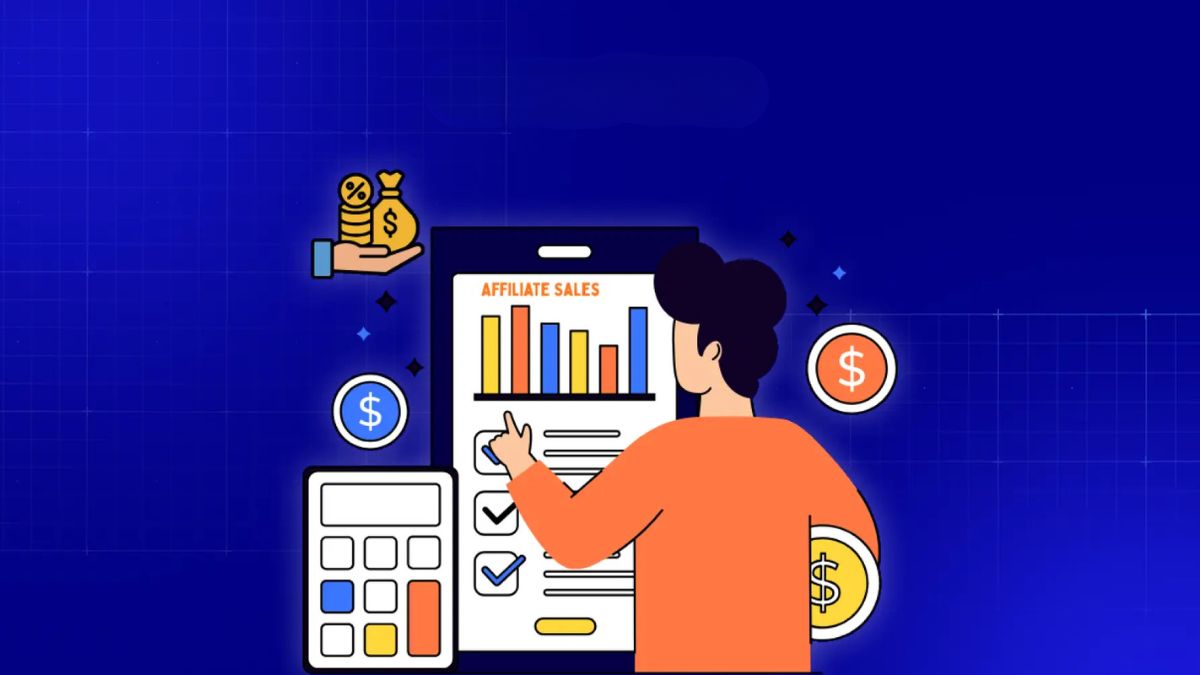
Look at your numbers regularly:
- Clicks: Is your content motivating people to click?
- Conversions: Are clicks turning into sales?
- Top posts: What topics and formats perform best?
- Underperformers: Can you update them with fresh information and better calls to action?
Small changes like clearer headlines, better button text, and updated screenshots can double conversions.
A Sample Affiliate Post Structure You Can Copy
Not sure how to put all this together? Here’s the simple outline I use for a recommendation post:
- Hook: Start with a relatable problem, like “I used to waste hours scheduling social posts by hand.”
- Your story: Share how you found the solution and what changed.
- Who it’s for (and who it isn’t): Honesty builds trust and filters out poor-fit buyers.
- Key features and benefits: Explain what the product does in plain language.
- Pros and cons: Every product has downsides, and readers appreciate hearing them.
- How to get started: Give clear steps and place your link where it feels natural.
- Disclosure: A short, friendly note that you may earn a commission at no extra cost to the reader.
Write the post as though you’re helping one specific friend. When you do, conversions tend to follow naturally.
Where Beginners Get Stuck (and How I Got Unstuck)
Early on, I hit three walls. Maybe you will too.
- “Nobody is clicking.” I realized my posts had no clear call to action. Adding a simple sentence like “Try the free plan here” improved clicks noticeably.
- “People click but don’t buy.” I was sending readers to products that didn’t match the post’s promise. Tightening the match between content and offer helped.
- “I don’t have an audience.” Neither did I. I focused on search-friendly posts and Pinterest, which bring in strangers who are already looking for answers.
If you feel stuck, review your content through the reader’s eyes. Ask, “If I landed here with this problem, would I feel helped?” If the answer is no, improve the post before writing the next one.
A Realistic Affiliate Income Timeline
- Months 1–3: Learning, publishing, and likely no income.
- Months 4–6: First small commissions.
- Months 7–12: Growing traffic and more consistent earnings.
- Year 2 and beyond: Compounding growth if you stay consistent.
Income varies enormously. Be skeptical of anyone promising overnight results.
Affiliate Marketing Beyond Blogging
You can also promote products without a blog:
- Short-form videos demonstrating a product.
- Pinterest pins linking to helpful content.
- Email newsletters sharing curated recommendations.
- Online communities where you answer questions and share resources, following each platform’s rules.
If you’re a mom who wants flexible options, The Stay-At-Home Mom’s Guide to Making Money Online includes beginner-friendly ways to earn from home.
Mistakes to Avoid
- Promoting everything. Choose quality over quantity.
- Hiding your links. Be open and honest.
- Ignoring the reader’s problem. Lead with help, not sales.
- Expecting quick money. Plan for months of building.
- Skipping taxes. Commissions are income, so track and save accordingly. For money basics, see The Smart Mom’s Complete Guide to Money.
Quick Answers About Affiliate Marketing
Do I need a website? Not always, but having a blog or landing page gives you more control and long-term traffic.
How much can I earn? It varies widely. Some people earn small side income, and others build full-time businesses. Your niche, audience trust, and consistency matter most.
Is affiliate marketing free to start? Most programs are free to join. You might spend a little on hosting or tools, depending on your platform.
Is it still worth it? Yes, when you build real trust and offer genuine value.
Start With One Honest Recommendation
Affiliate marketing for beginners is really about helping people make good decisions. Choose a niche you care about, join a few quality programs, create honest content, and be patient while trust and traffic grow.
This week, pick one product you genuinely love and write down why you’d recommend it to a friend. Trust me, that honest recommendation might become your first commission, whether it’s $3.20 or $300. Let’s get started!










Leave a Reply