


I recorded my first podcast episode in a closet, surrounded by winter coats, with a cheap microphone and a very supportive stuffed giraffe. I said “um” about two hundred times, and I was convinced no one would ever hear it. Then a listener emailed to say, “I listened to this on my walk and it was exactly what I needed.” That tiny moment made me understand why podcasting feels different from other content: people let you into their ears, often during moments when they’re doing something else, like driving, cleaning, or walking. That’s intimate, and it builds trust.
That trust can become income, but it takes time. The honest truth is that most podcasts don’t earn much, especially early on. Still, audio is evolving. Video podcasts on platforms like YouTube are growing, and a YouTube trends report found that 73% of respondents call it the best place to explore personal interests. AI answers and recommendation tools cite creator content, and long-form conversations give you rich material to repurpose into clips, newsletters, and articles. For moms who like talking, interviewing, and storytelling, a podcast can be a platform for building an audience, an authority, and eventually, income.
In this guide, I’ll explain how to start a podcast and earn from it as a mom: how to choose a topic, record on a budget, grow an audience, and monetize realistically. (Income varies widely, and most podcasts earn little for a long time. Nothing here is guaranteed.)
Is Podcasting Right for You?
Good fit if you:
- Enjoy talking and listening
- Have a topic you can discuss for months
- Want to build authority and relationships
- Are patient with slow growth
Not ideal if you:
- Need income quickly
- Dislike editing or consistent production
- Have no plan to promote the show
Step 1: Choose a Clear Topic and Format
Pick a niche and a format:
- Solo episodes: easiest to start, with you sharing tips and stories.
- Interviews: guests bring audiences and variety, but require scheduling and prep.
- Co-hosted shows: fun and shared workload, but need coordination.
- Narrative or storytelling shows: more production time.
Examples: “Budgeting for busy families,” “Starting a business with a baby on your hip,” or “Real stories from homeschooling parents.”
Write: “My podcast helps [specific listeners] [get specific value] through [format].”
Step 2: Set Up Simple, Affordable Equipment
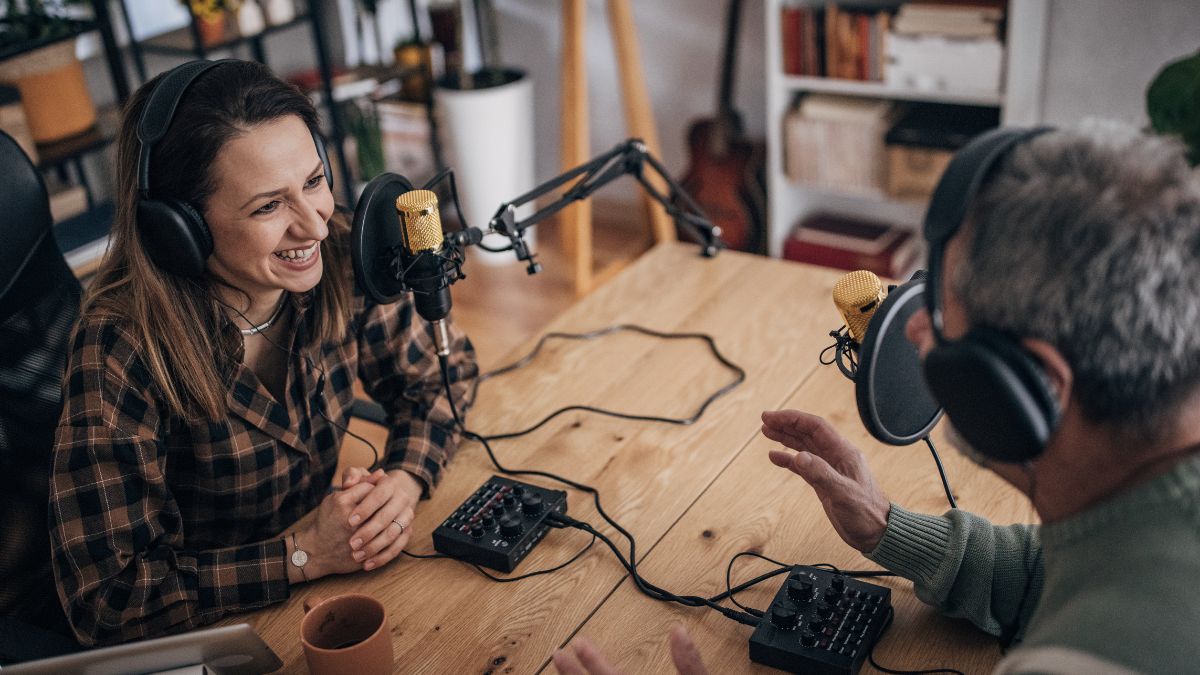
- A USB microphone and headphones
- A quiet room with soft surfaces to reduce echo
- Free or low-cost recording and editing software
- A podcast hosting service that distributes your RSS feed to major platforms
- A webcam or phone if you’ll also publish video
You don’t need a studio. Clean audio matters more than fancy gear.

Step 3: Plan Episodes That Serve Listeners
- Start with 3 to 5 episodes ready before launch.
- Use a simple structure: hook, main content, key takeaway, call to action.
- Keep episodes at a length you can sustain, often 15 to 40 minutes.
- Ask listener questions and answer them.
- Create show notes with links and summaries.
- Plan consistency, such as weekly or every other week.
For interviews, research guests, prepare questions, and agree on scheduling and recording in writing.
Step 4: Publish and Distribute
- Upload to your hosting service, and submit your feed to major podcast apps.
- Add a clear title, description, and cover art with readable text.
- Include transcripts or show notes, which help accessibility and search.
- Publish a video version on YouTube if you can, since video podcasts reach listeners who discover content there.
- Check rights for music and clips. Use properly licensed audio.

Step 5: Grow Your Audience
- Tell your network and ask for honest reviews and shares.
- Be a guest on other podcasts in your niche, which builds credibility and brings listeners.
- Create short clips for social platforms and Pinterest.
- Write a newsletter or blog post for each episode.
- Answer questions in communities with a link to a relevant episode, following the rules.
- Collaborate with other podcasters.
- Ask listeners to join your email list, since platforms change and some limit link reach.
Growth is usually slow. Focus on consistency and quality.
Step 6: Monetize Realistically
Common ways podcasters earn:
- Sponsorships and ads: usually require a meaningful, engaged audience. Brands care about audience fit and engagement, not just downloads.
- Affiliate links: recommend products you genuinely use, and disclose clearly.
- Your own products and services: courses, coaching, templates, or freelance services promoted on your show. For many creators, this is the most reliable path.
- Paid subscriptions or bonus content: early access, ad-free episodes, or member Q&As.
- Live events and workshops
- Speaking and consulting opportunities that come from your visibility
Don’t expect sponsorship money until you’ve built a steady, engaged audience. Be wary of any company that charges you to be listed or promises guaranteed ad income.

Step 7: Follow the Rules
- Disclose sponsorships and affiliate relationships clearly in the audio and show notes.
- Get permission from guests to record and publish.
- Respect copyright for music and quotes.
- Be accurate. Fact-check claims, especially on health, money, and legal topics.
- Protect privacy: don’t share private details about your family or others without consent.
- Use AI carefully: it can help with show notes and outlines, but keep your voice and fact-check everything. Disclose realistic synthetic voices where platforms require it.
- Handle taxes: in the U.S., net self-employment earnings of $400 or more trigger self-employment tax.
Mistakes to Avoid
- Starting with no clear topic.
- Posting irregularly.
- Poor audio quality.
- Skipping promotion.
- Expecting quick sponsorship money.
- Using unlicensed music.
- Burning out before you’ve built momentum.

Your 60-Day Launch Plan
- Weeks 1-2: Choose your topic and format, set up equipment, and record three episodes.
- Weeks 3-4: Edit, create cover art and show notes, and submit your feed.
- Weeks 5-6: Launch with three episodes, share clips, and pitch yourself as a guest on two podcasts.
- Weeks 7-8: Review feedback, publish consistently, and decide how you’ll monetize.
Build Your Online Income on a Roadmap
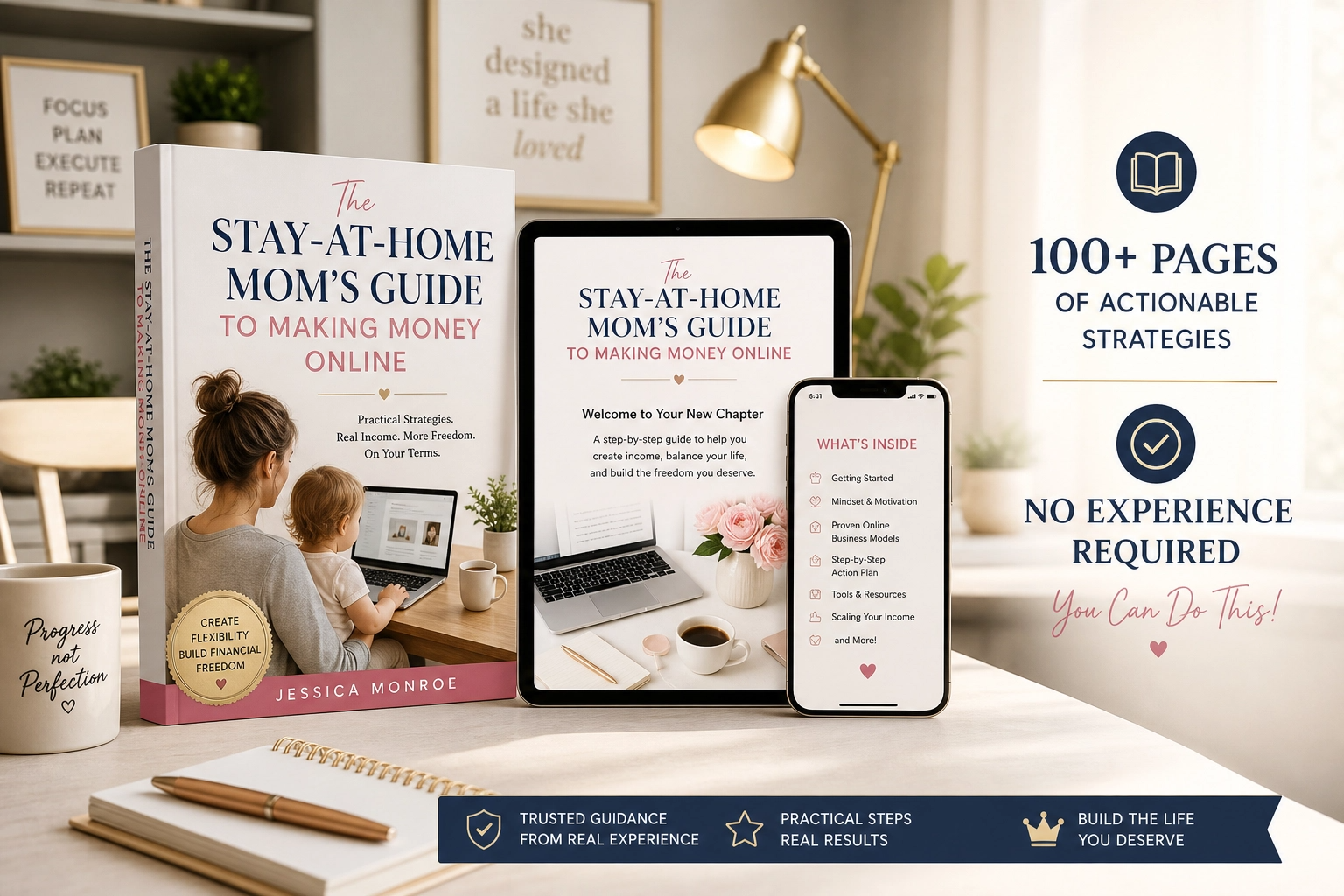
If you’d like a beginner-friendly roadmap for making money online as a stay-at-home mom, take a look at my ebook:
The Stay-At-Home Mom’s Guide To Making Money Online
Trust me, a podcast is a long game, and a plan makes it easier to stay in it.
Final Thoughts
A podcast can be a beautiful way to build a voice, a community, and eventually income, as long as you’re realistic about the timeline. Choose a clear topic, record with simple gear, publish consistently, promote on several channels, and use the show to support products and services you own. The giraffe in the closet is optional.










Leave a Reply