


You’re the CEO, the marketer, the customer service rep, the accountant, and the shipping department. Maybe you’re also a mom, a partner, a daughter, a friend, and the person who somehow remembers everyone’s birthday.
Wearing many hats can feel exciting and rewarding. But it can also lead to exhaustion that sleep doesn’t fix, a creeping sense of dread about work, and a feeling that you’re running on empty.
That’s burnout, and it’s more common than people admit. The good news is that it’s often preventable. In this guide, we’ll look at the early warning signs and practical strategies to protect your energy, so you can build the life and business you want without burning yourself out.
A quick note: I’m not a medical professional, and this article is for general information. If you’re struggling with your health or mental well-being, please speak with a qualified professional.
What Is Burnout?
Burnout is generally described as a state of long-term physical and emotional exhaustion caused by chronic stress, often related to work. The World Health Organization describes it as an occupational phenomenon resulting from chronic workplace stress that hasn’t been successfully managed, characterized by exhaustion, mental distance or negativity toward one’s job, and reduced effectiveness.
It’s not the same as a bad week. It builds slowly, often when demands are consistently higher than your resources for recovery.
Early Warning Signs of Burnout
Catching burnout early makes a huge difference. Watch for these signs.
Physical signs
- Constant tiredness, even after rest
- Frequent headaches or muscle tension
- Changes in sleep (trouble falling asleep, waking early, or sleeping too much)
- Getting sick more often
- Changes in appetite
Emotional signs
- Feeling overwhelmed, irritable, or tearful
- Loss of motivation or enthusiasm
- Cynicism or negativity about your work
- Feeling detached or numb
- A sense of dread on Sunday nights or Monday mornings
Behavioral signs
- Procrastinating more than usual
- Withdrawing from friends and family
- Skipping meals or relying heavily on caffeine
- Difficulty concentrating
- Making more mistakes
- Neglecting self-care
If you recognize several of these, don’t ignore them. Treat them as important information and take action.

Why Women Who Wear Many Hats Are at Risk
Several factors can make burnout more likely:
- Role overload: Juggling work, caregiving, and household tasks
- Perfectionism: The urge to do everything flawlessly
- People-pleasing: Difficulty saying no
- Blurred boundaries: Working from home with no clear start or end time
- Lack of support: Doing everything alone
- Hustle culture: The belief that rest is laziness
- Unclear priorities: Treating every task as urgent
Knowing your own risk factors helps you build protections.

Strategy 1: Check In With Yourself Regularly
You can’t fix what you don’t notice. Build a habit of checking in on your well-being: weekly at minimum.
Ask yourself:
- How is my energy this week?
- What’s draining me? What’s filling me up?
- Am I sleeping, eating, and moving enough?
- What do I need that I’m not getting?

Tools can help. The Wellness Journal gives you a place to track self-care habits and reflect on how you’re doing. Pair it with the Mood Tracker Journal to spot downward trends before they turn into a crisis.

Strategy 2: Get Clear on Your Priorities
Burnout thrives on “everything is important.” Decide what truly matters right now and let the rest wait.
- Choose three main goals for the month or quarter. The Top 3 Main Goals Right Now Journal keeps your focus narrow.
- Each day, choose your top three tasks.
- Write a “not now” list for good ideas that don’t fit the current season.
Saying yes to one thing means saying no to something else. Make sure your yeses count.

Strategy 3: Set Boundaries (and Keep Them)
Boundaries protect your energy. Consider:
Work hours: Decide when you start and stop. Tell clients and family. When the day ends, close the laptop.
Response times: You don’t have to answer messages instantly. Set expectations, like “I reply within 24 business hours.”
Availability: Limit calls and meetings to certain days or times.
Workspace: If possible, keep your work area separate from relaxation areas.
Saying no: Practice polite refusals: “Thank you for thinking of me, but I can’t commit to that right now.”
Boundaries might feel uncomfortable at first, especially if you’re used to saying yes. Remember: boundaries aren’t selfish. They allow you to show up well.
Strategy 4: Plan Realistically
Overpacked schedules are a fast track to burnout. Build in breathing room.
- Plan for 60-70% of your available time, leaving space for the unexpected.
- Add buffer time between tasks.
- Use time blocking to protect both work and rest.
- Review your week ahead of time.
The Work Day Organizer helps you map out a day that’s realistic and balanced. Be sure to schedule breaks, meals, and non-work activities the same way you’d schedule client calls.

Strategy 5: Offload, Delegate, and Simplify
You don’t have to do everything yourself. Look at your task list and ask:
- Can I delegate this to someone else (a family member, a virtual assistant, a freelancer)?
- Can I automate it (scheduled posts, automatic invoices, email templates)?
- Can I simplify it (fewer product options, standard forms, batch tasks)?
- Can I stop doing it altogether?

Using systems and templates reduces mental load. For example, standardized forms like the Order Form Journal mean you don’t have to reinvent your process for each order, and a tool like the Inbox Tracker (Editable in Canva) keeps follow-ups from piling up in your head.

Strategy 6: Protect Your Sleep
Sleep isn’t a luxury. It’s the foundation of mental and physical health. To improve your sleep:
- Keep a consistent bedtime and wake time
- Avoid screens for 30-60 minutes before bed
- Keep your bedroom cool, dark, and quiet
- Limit caffeine in the afternoon
- Do a brain dump or write tomorrow’s to-do list before bed so your mind can settle (the Brain Dump Worksheets are perfect for this)
If you struggle with persistent sleep problems, talk with a healthcare provider.

Strategy 7: Move, Eat, and Hydrate
When you’re busy, basics slip first. Keep it simple:
- Move: A 10-minute walk counts.
- Eat: Plan simple, nourishing meals and snacks. A Grocery List Journal can make meal planning less stressful.

- Hydrate: Keep water nearby.
- Take breaks: Step away from your screen every 60-90 minutes.
You don’t need a perfect routine. Small, consistent habits matter more than dramatic efforts. Use the Mini Habit Tracker Journal to build them gradually.

Strategy 8: Schedule Real Rest
Rest isn’t just sleep. There are different types, and you may need more than one:
- Physical rest: Naps, stretching, gentle movement
- Mental rest: Breaks from screens and decisions
- Emotional rest: Time with people who support you; permission to feel
- Creative rest: Enjoying nature, art, or music
- Social rest: Time alone if you’re drained by people, or time with friends if you’re drained by isolation
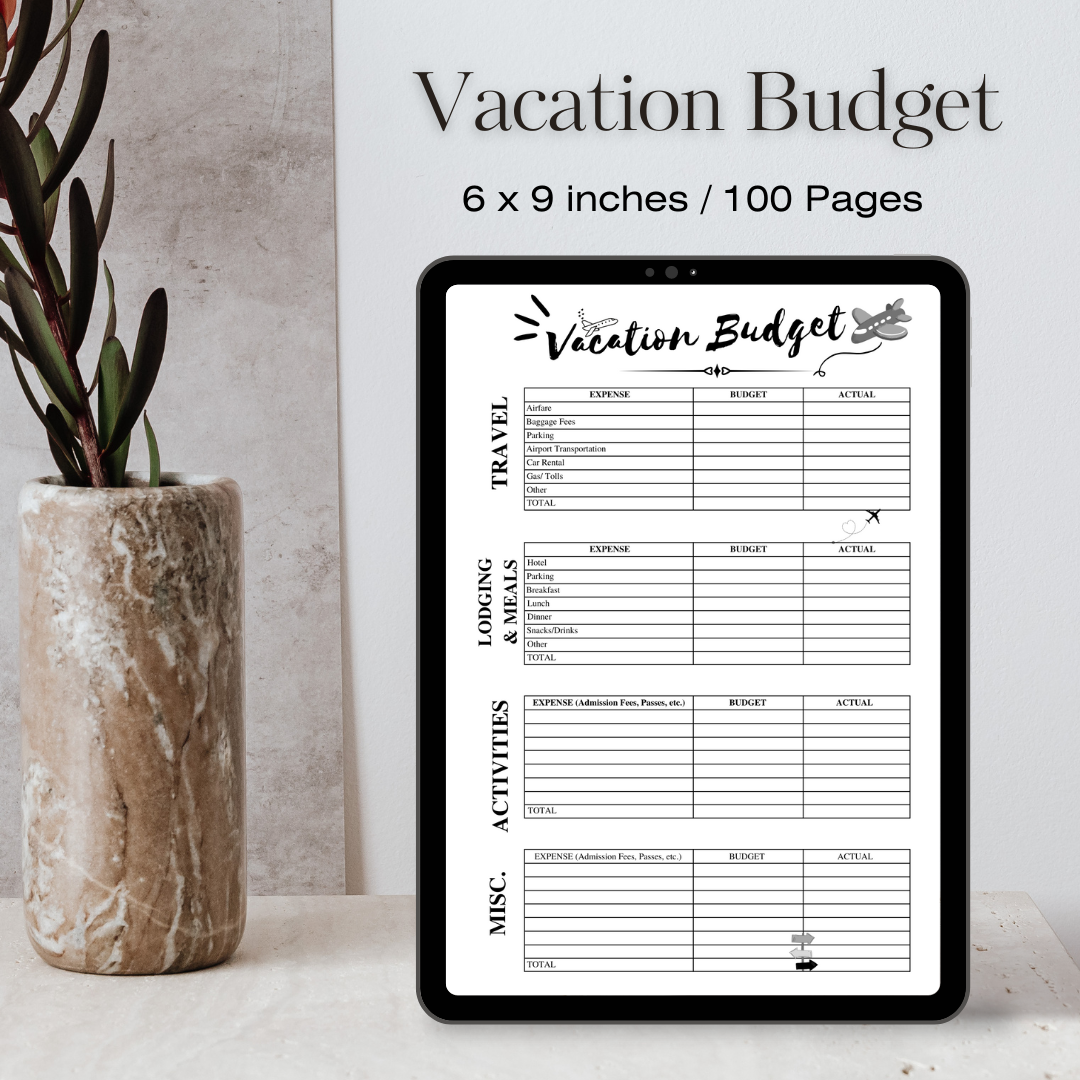
Put rest on your calendar: one evening a week with no work, one full day off if possible, and regular vacations. If you need help with a getaway budget, the Vacation Budget planner makes it easier to plan a break without financial stress.
Strategy 9: Process Your Emotions
Pushing feelings aside doesn’t make them vanish. Give them space:
- Journal. The Self Therapy Journal offers gentle prompts for processing stress and emotions.

- Talk. Share with a trusted friend, partner, mentor, or counselor.
- Move your body. Walks, stretching, or dancing can release tension.
- Practice gratitude. A few minutes with the 10 Minutes to Let Your Mind Reflect, Joy & Thanks journal can shift your perspective.

Strategy 10: Build a Support System
You’re not meant to do this alone. Consider:
- Joining a community of other business owners or working moms
- Finding an accountability partner
- Hiring a coach or mentor
- Asking for help at home
- Seeing a therapist or counselor, especially if you feel stuck or overwhelmed
Asking for support is a strength, not a weakness.
Strategy 11: Reconnect With Your “Why”
Sometimes burnout comes from losing sight of your purpose. Reflect:
- Why did I start this?
- What parts of my work do I love?
- What do I want my life to look like?
The Daily Future Self Journal helps you reconnect with your vision, which can make hard days feel more meaningful, and may help you realize what needs to change.

What to Do If You’re Already Burned Out
If you’re already feeling depleted:
- Acknowledge it. There’s no shame in being tired.
- Reduce your load. Postpone non-essential projects, pause new commitments, or take time off if you can.
- Prioritize basics. Sleep, food, movement, and connection.
- Seek professional support. A doctor or therapist can help rule out other health issues and offer tools for recovery.
- Make changes gradually. Recovery takes time.
- Revisit your systems. Look at what led to burnout and adjust.
If you’re feeling hopeless or having thoughts of harming yourself, please contact a mental health professional or your local emergency or crisis services right away.

Burnout Prevention Checklist
[ ] Weekly well-being check-in
[ ] Clear top priorities
[ ] Defined work hours
[ ] Realistic daily plans with buffers
[ ] Delegate, automate, or simplify at least one task
[ ] Consistent sleep routine
[ ] Daily movement and hydration
[ ] Scheduled rest and time off
[ ] Emotional outlet (journaling, talking)
[ ] Support system in place
Final Thoughts
You can be ambitious and still protect your well-being. In fact, caring for yourself is what allows you to keep going for the long haul. Start with one change this week: set a work cutoff time, schedule a break, or take five minutes to reflect. Small steps add up to a life that feels sustainable and joyful.
Ready to protect your energy? Begin with the Wellness Journal, plan balanced days with the Work Day Organizer, and process your feelings with the Self Therapy Journal.










Leave a Reply