

A consultant I know once told me, “I have a lot to say and absolutely no time to say it.” She’d built a successful practice, her clients adored her, and her LinkedIn profile hadn’t had a new post in eight months. She knew visibility could bring in leads. She just couldn’t face a blank text box at 9 p.m. after a day of meetings.
That’s the gap ghostwriters fill. Busy professionals and founders want a steady presence on LinkedIn, but they need someone to turn their ideas into posts that sound like them. And the platform is leaning into it. LinkedIn recently rolled out consolidated creator analytics, reported strong growth in creator-led ads, added creator marketplace filters, and has talked about buyers wanting validation from credible practitioners instead of brand pitches. At the same time, platforms and audiences are wary of generic, AI-sounding content, so the writers who succeed are the ones who capture a real voice and real experience.
In this guide, I’ll explain how to start a LinkedIn ghostwriting service: how the work happens, how to protect voice and ethics, how to price, and how to find clients. (Income varies and isn’t guaranteed.)
What a LinkedIn Ghostwriter Does
- Interviews the client to collect stories, opinions, and lessons
- Builds a content plan around their expertise and goals
- Writes posts, carousels, and short video scripts in the client’s voice
- Edits and polishes drafts after the client’s feedback
- Schedules content (with permission) or delivers it for the client to post
- Reports on results and recommends adjustments
- Optionally manages comments and outreach under clear rules agreed with the client
Who Hires Ghostwriters
- Founders and executives
- Consultants, coaches, and agency owners
- Sales leaders and professionals building a personal brand
- Experts in finance, HR, technology, health administration, education, and more
- Professionals who want to attract clients, candidates, or partners
Ethics First
Ghostwriting is common, but honesty matters:
- The ideas, experience, and opinions must be the client’s. You help express them.
- Don’t invent stories, results, or credentials.
- Verify facts, numbers, and claims the client provides.
- Respect confidentiality: don’t share private client or employer information.
- Follow disclosure rules if posts promote products or involve partnerships.
- Be transparent about AI in your process if clients ask, and follow their policies.
Skills to Build
- Interviewing and listening: drawing out stories and specifics
- Writing in different voices
- Short-form clarity: strong first lines and one clear lesson per post
- Understanding LinkedIn formats: text posts, documents, short videos, and polls
- Basic strategy: audience, topics, and calls to action
- Analytics reading: which posts attract the right people
- Discretion and professionalism

Step 1: Choose a Niche
Pick an industry you understand:
- Finance and accounting
- HR and recruiting
- Software and tech
- Healthcare administration
- Real estate
- Education and training
- Logistics and operations
- Marketing and sales
Industry knowledge makes your drafts sharper and your pitches more credible.
Step 2: Create Samples
- Write five sample posts for a fictional expert in your niche, in different formats.
- Show a voice-matching example: how you’d adapt the same idea for two different personalities.
- Create a sample content plan for a month.
- Prepare a sample interview question list.
Label samples honestly as samples.

Step 3: Build a Repeatable Process
- Onboarding call: goals, audience, topics, voice, and boundaries.
- Voice document: phrases they use, words they avoid, examples of their writing, and tone notes.
- Weekly or biweekly interviews: 20 to 30 minutes to capture stories and opinions.
- Drafting: write a batch of posts.
- Review: client edits and approves.
- Posting and tracking.
- Monthly review: what worked and what to try next.
AI can help summarize interview notes and outline posts, but the final text should come from your craft and the client’s real material. Never paste confidential information into tools the client hasn’t approved.
Step 4: Package and Price
- Starter package: a set number of posts per month with one revision round.
- Growth package: more posts, a carousel or short video script, and a monthly report.
- Strategy add-on: content plan, profile rewrite, and topic research.
- Engagement add-on: comment and message support within agreed rules.
Price monthly, since consistency drives results. Estimate time for interviews, drafting, revisions, and reporting. Charge extra for profile rewrites, extra posts, and rush requests. Research what ghostwriters in your niche charge, and avoid promising followers or leads.
Step 5: Find Clients
- Warm outreach to professionals you know
- Referrals from coaches, consultants, and agencies
- LinkedIn itself: share helpful posts about content strategy and the problems your ideal client faces
- Local business and industry groups
- Freelance marketplaces for starter work
- Audit-style pitches: share two specific suggestions to improve a person’s profile or recent post
A short pitch: “I noticed your posts get great comments but happen only once a month. I help busy experts stay consistent without losing their voice. May I send a sample post based on your last article?”

Step 6: Protect Yourself and Your Client
- Use a written agreement covering scope, voice approval, confidentiality, payment, ownership, and AI use.
- Get written approval before anything is published.
- Use platform-approved access if you manage accounts. Don’t ask for passwords where invite or delegate options exist.
- Don’t promise results.
- Keep records of drafts, approvals, and fact checks.
- Handle taxes: in the U.S., net self-employment earnings of $400 or more trigger self-employment tax.
Mistakes to Avoid
- Writing generic posts that could belong to anyone.
- Inventing stories or numbers.
- Skipping the interview step.
- Posting without approval.
- Promising followers or leads.
- Underpricing the time of interviews and revisions.
- Taking clients in industries you can’t research well.

Your 30-Day Launch Plan
- Week 1: Choose your niche and write five sample posts.
- Week 2: Build your process documents and interview questions.
- Week 3: Create packages and an agreement, and send 10 personalized pitches.
- Week 4: Offer a one-month starter package, run your first interview, and deliver your first batch.
Build Your Freelance Income on a Roadmap
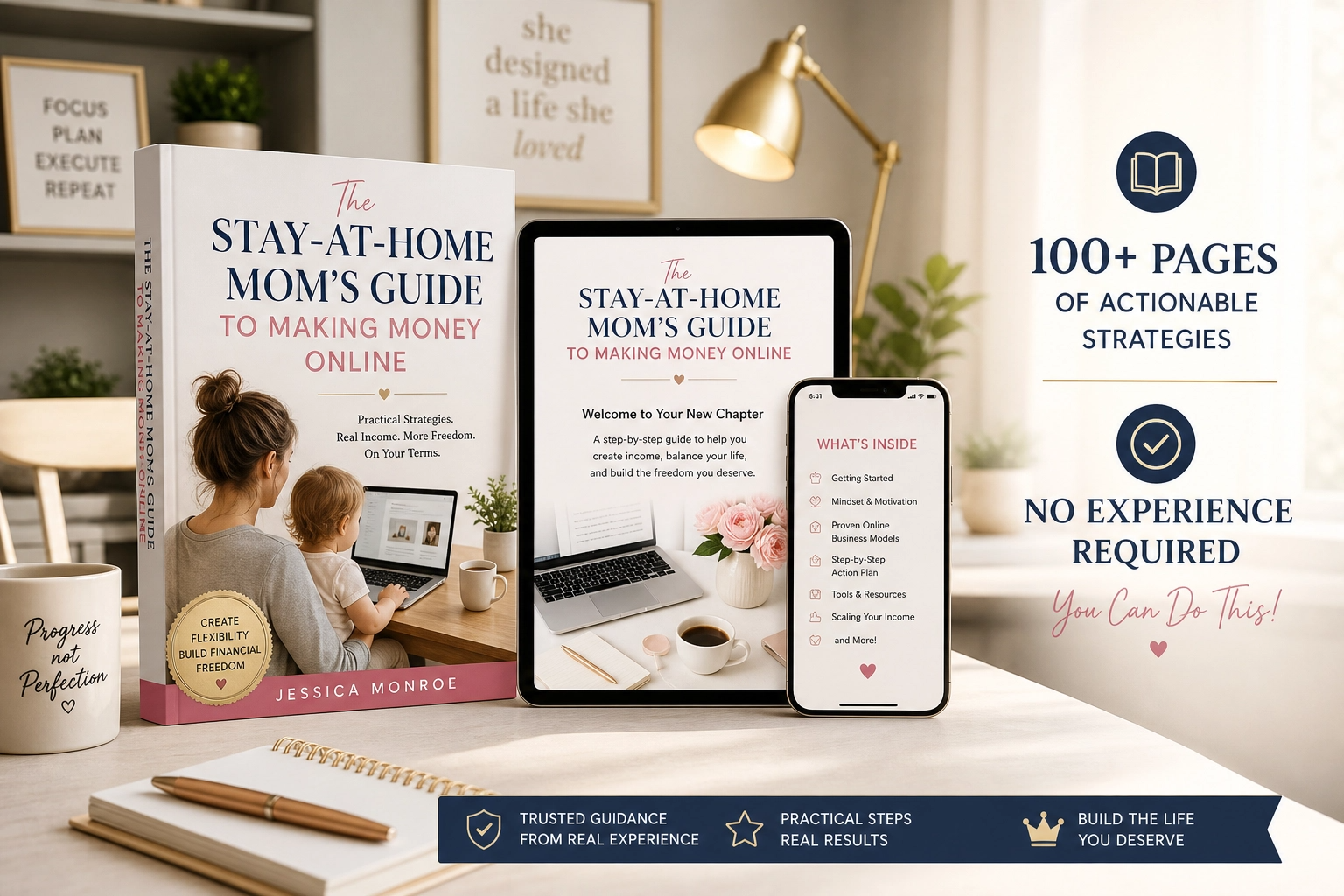
If you’d like a beginner-friendly roadmap for making money online as a stay-at-home mom, take a look at my ebook:
The Stay-At-Home Mom’s Guide To Making Money Online
Trust me, helping someone find their voice is both profitable and meaningful.
Final Thoughts
LinkedIn ghostwriting works when it combines real expertise from the client with your skill at shaping it. Interview well, protect honesty, write in their voice, price for the whole process, and keep improving. The best ghostwriters make their clients sound more like themselves.










Leave a Reply