

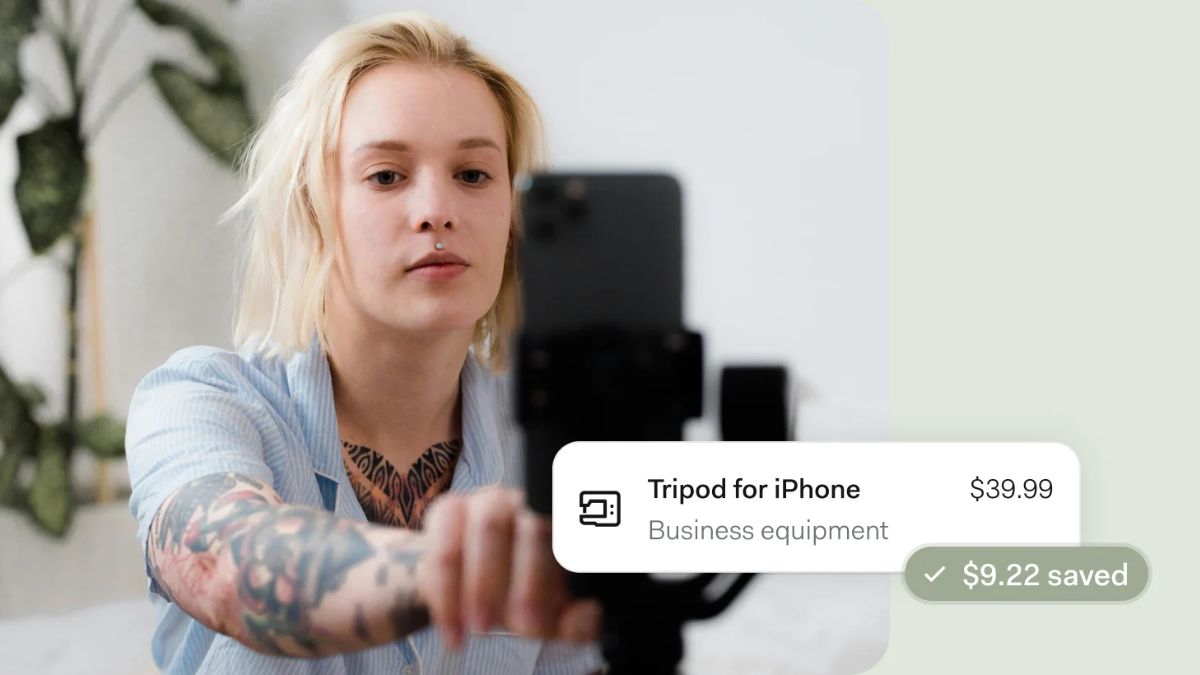
The day I realized I was running a business, I was standing in my kitchen holding a shoebox of receipts and an unpaid invoice that was now three weeks late. I’d been calling myself “a creator” for two years, and I’d been treating it like a hobby that happened to pay me. The tax paperwork said otherwise. So did the clients. So did my stress levels.
If you earn from content, whether you call yourself a KOL, a KOC, an influencer, or a creator, you’re running a small business. And the world is slowly catching up to that idea. The U.S. Small Business Administration recently issued guidance to help creators understand whether they qualify for government-backed funding and support, and it opened a public comment period on a creator-specific industry classification. A major payments company and a large creator business announced plans for cards, business tools, and financial education aimed at creators. A QuickBooks survey summarized in a solopreneur news roundup counted more than 30 million solopreneurs in the U.S., and 66% planned to hire freelance help within a year. These are signs that creators are increasingly being treated as business owners, with business needs.
In this guide, I’ll explain how to set up your creator business: money basics, taxes (with a U.S. focus), contracts, tools, and when to get professional help. (Rules differ by country and change often. This is general information, not legal, tax, or financial advice. Please check your local rules and consult qualified professionals.)
Step 1: Think Like a Business Owner
- Define your business: what you sell (content, services, products, and audience access) and who your customers are (brands, viewers, and clients).
- Set income goals for the next three, six, and twelve months.
- Track your numbers: income, expenses, hours, and results.
- Plan for slow months. Creator income is often uneven.
Step 2: Separate Your Money
- Open a separate bank account for creator income and expenses.
- Use one payment method for business costs when possible.
- Move a set share of each payment to a tax savings account.
- Pay yourself a regular amount from the business account into your personal account.
Separate accounts make taxes, budgeting, and contracts much easier.
Step 3: Understand the Tax Basics (U.S. Focus)
Rules differ widely by country, so check with your local tax authority. For U.S. creators, general points include:
- All income is taxable, whether or not you receive a form. That includes brand deals, affiliate commissions, platform payouts, tips, and the value of gifts and trades in some cases.
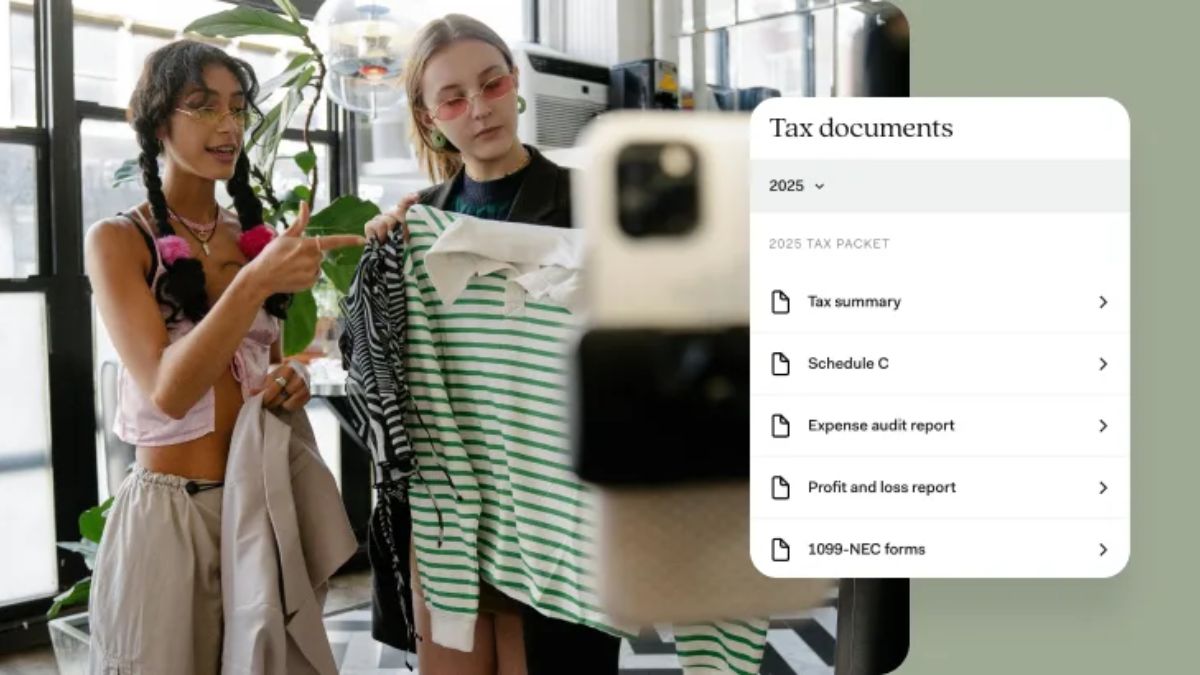
- Self-employment tax: net earnings of $400 or more trigger self-employment tax (generally 15.3% of net earnings), reported on Schedule SE, with business income and expenses typically reported on Schedule C.
- Estimated quarterly taxes: if you expect to owe $1,000 or more in federal tax, you generally need to make estimated payments during the year.
- A rule of thumb: many tax professionals suggest setting aside roughly 25% to 30% of net earnings, but your situation may differ.
- Forms you might see: a 1099-K from payment platforms and marketplaces (generally issued only above $20,000 in payments and 200 transactions), a 1099-NEC from clients (reported thresholds have changed, so verify the current figure), and others. You must report income even if you don’t get a form.
- Deductions: ordinary and necessary business expenses may be deductible, such as equipment, software, props, editing help, advertising, and a reasonable share of internet and phone. Keep receipts and records, and don’t deduct personal expenses.
Outside the U.S., requirements for registration, invoicing, VAT or sales tax, and income tax differ. Ask a local accountant or your tax authority.

Step 4: Choose a Business Structure (With Professional Advice)
Many creators start as sole proprietors, then consider a company structure as income grows. Options and implications vary by country. A professional can explain:
- Liability protection
- Tax treatment
- Registration and compliance costs
- Banking and contract advantages
Don’t rush this decision, but don’t ignore it as your income and risk grow.
Step 5: Use Contracts and Invoices
- A written agreement for every paid collaboration covering deliverables, payment terms, usage rights, exclusivity, AI clauses, and cancellation (see our contract guide).
- Professional invoices with your business name, dates, amounts, payment terms, and payment details.
- Deposits on larger projects.
- Follow-ups on late payments, politely and promptly.
Step 6: Track Income and Expenses
Choose a simple system:
- A spreadsheet or bookkeeping app
- Categories: income by source, and expenses like equipment, software, travel, and fees
- Monthly review: income, expenses, taxes set aside, and profit
- Digital storage for receipts and contracts
If you’re not comfortable with this, consider a bookkeeper. Creators increasingly use accounting and business tools made specifically for them.

Step 7: Explore Financial Tools Made for Creators
New products aim at creators’ needs, such as business cards, payment tracking, and financial education. A major payments company and a large creator business announced plans for these kinds of offerings. When evaluating any financial product:
- Read fees, interest rates, and terms carefully.
- Check whether it fits your situation and country.
- Avoid products that encourage overspending.
- Keep business and personal finances separate.
Step 8: Understand Funding and Support Options
The U.S. SBA’s guidance for creators is meant to clarify whether creators qualify for government-backed funding and support programs. Eligibility rules are specific, and the guidance is evolving, so check official sources and speak to a lender or advisor before borrowing. Other countries have different support programs. Think carefully about debt: borrowing for equipment or growth should be tied to a clear plan for income.
Step 9: Protect Your Business
- Insurance: ask a professional whether equipment, liability, or other coverage makes sense.
- Account security: strong passwords and two-factor authentication.
- Intellectual property: keep originals, dated drafts, and licenses. Consider trademark advice as your brand grows.
- Likeness and AI: include clear terms about AI and your likeness in contracts, and use platform protection tools.
- Privacy: protect personal information, including your family’s.

Step 10: Plan for Growth
- Diversify income streams: brand deals, affiliate, products, services, and an email list.
- Consider help: editors, assistants, managers, and bookkeepers when your income supports it.
- Set aside an emergency fund for slow months.
- Review your business quarterly: income, expenses, goals, and risks.
Mistakes to Avoid
- Mixing personal and business money.
- Ignoring taxes until the deadline.
- Not setting aside tax money.
- Working without contracts or invoices.
- Not keeping receipts.
- Borrowing without a repayment plan.
- Ignoring local rules for registration and tax.
Your 30-Day Business Setup Plan
- Week 1: Open a separate account and set up an income and expense tracker.
- Week 2: Learn the tax rules for your country, and set your tax savings percentage.
- Week 3: Create your contract and invoice templates.
- Week 4: Book a session with an accountant or tax advisor, and plan your next quarter.

Build Your Creator Business on a Roadmap
If you’d like a step-by-step guide to building a KOL or influencer career as a real business, take a look at my ebook:
The Complete Beginner’s Guide to Building a KOL/Influencer Career

Trust me, the creators who last are the ones who treat their work like a business.
Final Thoughts
Creators aren’t just entertainers. They’re small business owners with real income, real risks, and real opportunities. Separate your money, understand your taxes, use contracts and invoices, track your numbers, and ask professionals for help when stakes are high. A solid foundation lets your creativity last.









Leave a Reply