

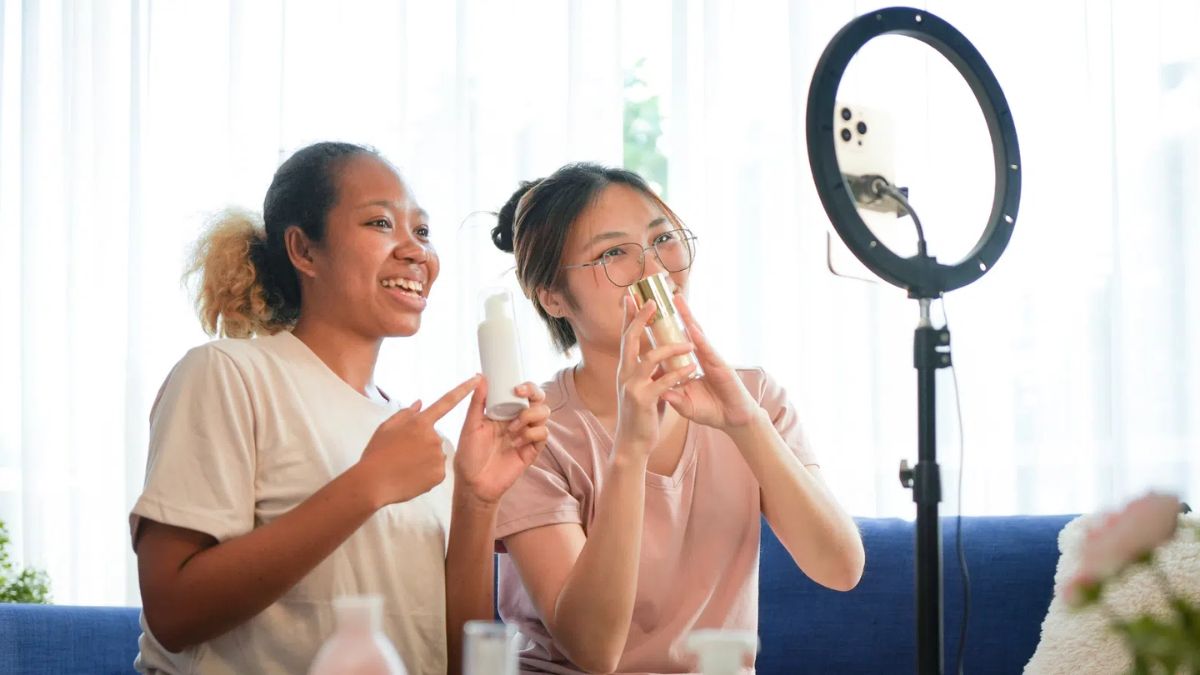
Early in my career, I felt embarrassed by my follower count. I’d see accounts with hundreds of thousands of followers and quietly assume brands would never look at someone like me. Then a small local brand reached out and said, “Your comments are full of people asking where to buy things. We’d love to work with you.” My audience was tiny. But it was real, and it was paying attention.
That story is becoming more common. Across markets, brands are rethinking what influence means. An AnyMind Group analysis of Southeast Asia noted that creators with roughly 1,000 to 10,000 followers can deliver higher returns for some brands than large influencers. One regional vendor claims KOC recommendations convert at around 12%, compared with 3% to 5% for traditional influencer marketing (a vendor figure, so treat it with caution). Surveys cited in the Vietnamese market show high trust in everyday users’ reviews, and brands increasingly combine large and small voices. Globally, brands are building creator departments, giving creators dedicated budgets, and investing in performance-based deals, while research shared in newsletters found that creators accounted for about 60% of the product videos cited by AI recommendation tools, compared with about 10% for brands.
In this guide, I’ll explain why micro-influencers and KOCs are winning brand deals, what brands look for in smaller creators, and how you can position yourself, without pretending to be bigger than you are. (Results vary and aren’t guaranteed.)
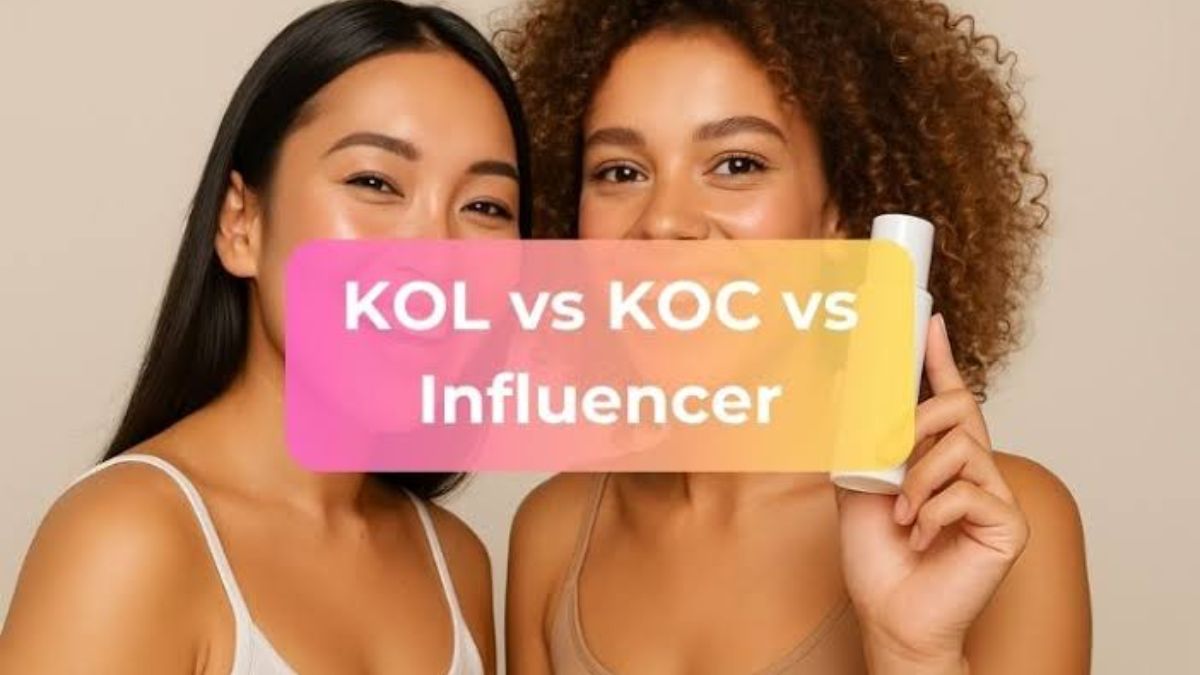
Who Are Micro-Influencers and KOCs?
- Nano-influencers: small audiences, often under a few thousand followers, with close relationships.
- Micro-influencers: typically thousands to tens of thousands of followers, often with a specific niche.
- KOCs (Key Opinion Consumers): everyday consumers who share honest product experiences. They may have small audiences but strong trust.
These groups overlap, and definitions vary by market. What they share is authenticity, closeness, and niche focus.
Why Brands Want Smaller Creators
1. Trust and relatability
Viewers see smaller creators as “like me.” Their recommendations feel less like advertisements, especially in categories where personal experience matters, such as beauty, parenting, food, and home products.
2. Better engagement and niche fit
A creator who talks to 5,000 people about oily-skin routines can be more valuable to a skincare brand than a general account with 500,000 followers who don’t care about skincare.
3. More content, more variety
Brands often need many creatives to test and refresh. Working with several small creators gives them variety and fresh angles. An industry index reported that nearly all brands repurpose creator content and most paid media teams use creator creative, so a steady flow of authentic content is valuable.
4. Lower cost and flexible deals
Small creators are often more open to performance-based pay, product-plus-fee deals, and long-term relationships. Performance deals have become common: newsletters report them at about half of creator deals.
5. Local reach
Local and regional brands benefit from creators who understand their communities. Even large trade brands have launched campaigns with local creators to reach specific audiences.
6. Visibility in AI answers and search
Detailed, honest reviews from real creators tend to be cited by AI recommendation tools, which can help brands and creators get discovered beyond social feeds.
What Brands Worry About (And How to Address It)
- Fake followers and inflated engagement: Verification is common in some markets. Be honest, and show real analytics.
- Inconsistent content quality: Show a clear style and a reliable posting rhythm.
- Compliance risks: Show that you verify products, disclose clearly, and follow advertising rules.
- Reliability: Respond quickly, meet deadlines, and communicate clearly.
- Results: Offer trackable links or codes and share outcomes.
How to Position Yourself as a Small Creator
1. Own your niche
Say exactly who you help and what you review. “Budget skincare for teens with acne” is stronger than “beauty.”
2. Show real engagement
Use screenshots of comments, saves, and replies that show people asking questions and taking action. Quality beats quantity.
3. Share real usage
Show the product in your daily life. Be honest about pros and cons. Viewers trust balanced reviews.
4. Build proof
- Results from affiliate links or codes
- Short testimonials from followers
- A small portfolio of content for different products
- Early collaborations, even small ones
5. Be easy to work with
- A simple media kit and rate card
- Clear deliverables and timelines
- Fast, polite communication
- Willingness to share content for the brand’s own channels, priced fairly with usage rights
6. Offer more than a post
- Content the brand can reuse (with usage rights)
- Honest feedback on the product
- Ideas for creative angles
- A repeat series for longer partnerships

How Small Creators Get Paid
- Product for content, best as a starting point with safe, relevant products
- Flat fee for deliverables
- Commission on sales through links or codes
- Hybrid: smaller base fee plus commission
- Usage rights: extra payment for ads and brand channels
- Long-term ambassador deals as trust grows
Be careful not to accept free product as payment forever. Set a point at which you move to paid collaborations.
How to Find Opportunities
- Brands you already use and love
- Small and local businesses that need content
- KOC and creator programs from legitimate brands and platforms
- Creator marketplaces and affiliate networks (never pay to join)
- Social commerce platforms, where brands look for creators to sell
- Communities and referrals from other creators

Compliance and Safety Reminders
- Verify products before promoting, especially cosmetics, food, supplements, and health items. In Vietnam, influencers promoting misleading products can be held jointly liable under the amended advertising law.
- Disclose ads, gifts, and affiliate links clearly.
- Avoid scams: never pay for brand deals, and be wary of deposit-and-send-money requests.
- Protect your privacy and your family’s information.
Mistakes to Avoid
- Hiding your size. Honest numbers build trust.
- Chasing every brand instead of fits.
- Working for free forever.
- Promoting products you haven’t tested.
- Buying followers or comments.
- Ignoring contracts.
- Giving unlimited usage rights.

Your 30-Day KOC Growth Plan
- Week 1: Choose your niche and list 10 products you genuinely use.
- Week 2: Create five honest review videos or posts, with pros and cons.
- Week 3: Build your media kit and track engagement, saves, and comments.
- Week 4: Pitch 10 fitting brands with a specific idea and your proof.
Build Your Career From Where You Are
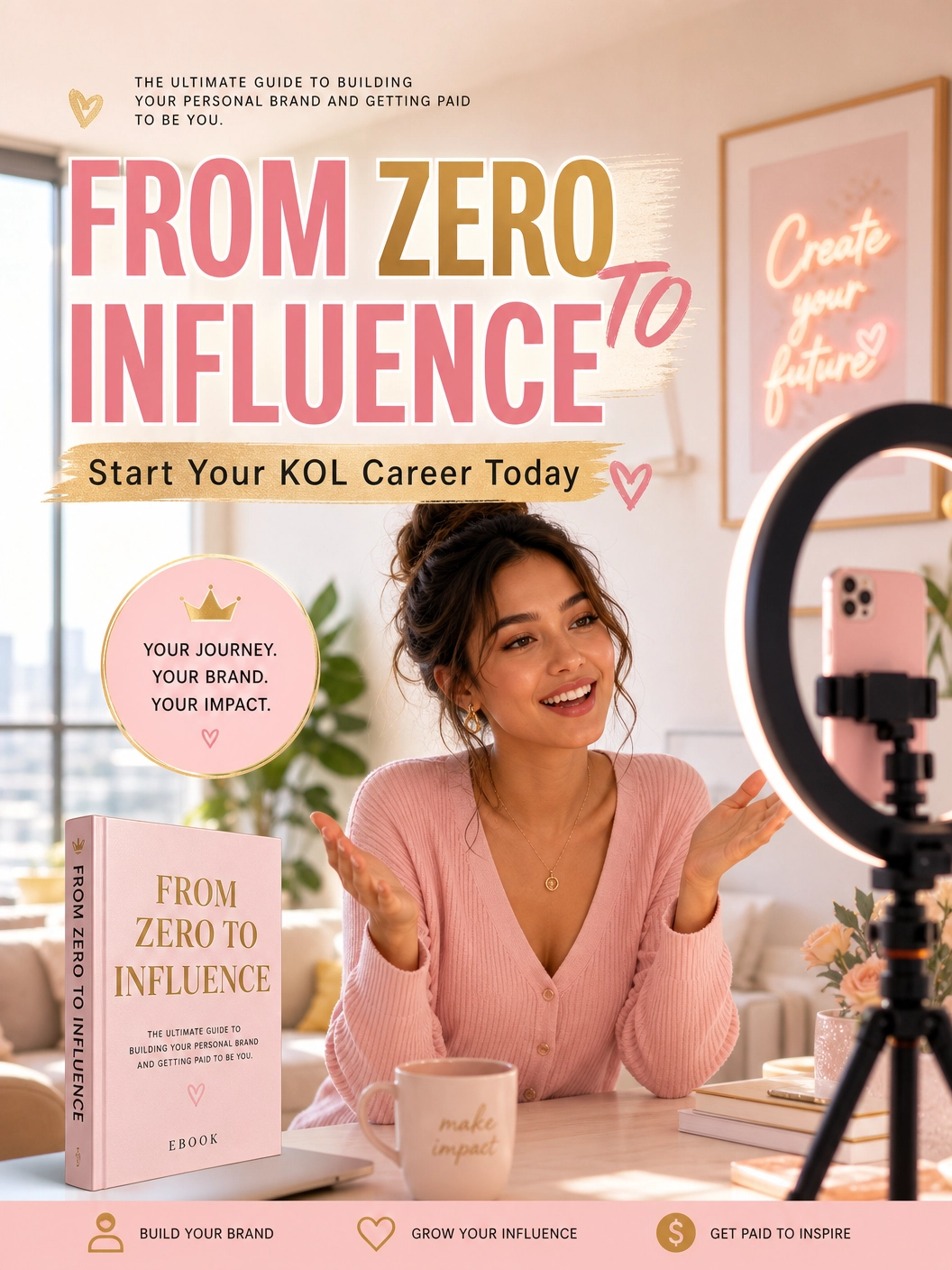
If you’d like a step-by-step guide to building a KOL or influencer career from a small audience, take a look at my ebook:
The Complete Beginner’s Guide to Building a KOL/Influencer Career
Trust me, small, honest, and consistent beats big and empty.
Final Thoughts
Brands are learning that influence isn’t just about reach. It’s about trust, relevance, and results. If you’re a micro-influencer or KOC, you’re not behind. You’re in a position many brands want. Be honest, be specific, show proof, and treat every collaboration as a chance to build a reputation that outgrows your follower count.



Leave a Reply