

I once helped a small software company that had a beautiful LinkedIn company page. Clean logo, consistent graphics, a weekly schedule of polished posts. It had about 400 followers and almost no leads. Meanwhile, one of their engineers posted a rambling, honest video about a bug he’d fixed, and it brought in three sales conversations in a week. Nobody had planned it. It worked because a real practitioner shared something genuinely useful.
That story captures where B2B marketing on LinkedIn is heading. LinkedIn recently announced new tools for in-person networking, a Network feed, and early work on helping B2B marketers find and vet creators based on niche, audience quality, and engagement authenticity instead of follower count. Its message to marketers was about trust: buyers want validation from credible practitioners, not just brand pitches.
The broader data points the same way. A figure attributed to Edelman and LinkedIn research says about 73% of B2B buyers trust expert content more than marketing materials, though stats like this circulate widely and should be treated as directional. And LinkedIn’s own research found about half of young professionals say short-form video is the best way to engage Gen Z buyers, who are increasingly involved in business decisions.
In this guide, I’ll explain how to do LinkedIn marketing for a B2B business in a way that builds trust and generates leads, whether you’re a solo consultant or a small team.
What’s New on LinkedIn
- Digital business cards you can design, add to a phone wallet, and share when you meet someone in person, rolling out globally over time.
- A Network feed that gathers posts from your connections and people you follow.
- Private profile notes for recording where you met someone and what you discussed.
- Creator discovery for B2B marketers, with tools for finding and vetting creators by niche, audience quality, and engagement authenticity.
- Analyst commentary that the feed rewards topic relevance, specific insights, and real conversation more than generic thought leadership, though LinkedIn doesn’t publish its ranking formula, so treat these interpretations as educated guesses.
Here’s the truth: LinkedIn is a trust platform. The question isn’t “how do I broadcast?” but “how do I become someone worth listening to?”
Step 1: Define Your Buyer and Their Questions
Write one sentence:
“We help [specific type of company or role] solve [specific problem] so they can [specific result].”
Then list the 15 questions that buyers ask before they buy. Examples: “How long does implementation take?” “What does this really cost?” “What goes wrong in the first 90 days?” Those questions become your content calendar.
Step 2: Build Your Foundation
Company page
Keep it simple and complete:
- Clear tagline that states who you help and how
- Services or products, with links to key pages
- Recent posts, employee spotlights, and customer stories
- A way to contact you or book a call
Founder and team profiles
This is where most B2B trust is built. Encourage key people to:
- Use a clear photo and a headline about who they help
- Write an About section focused on problems solved
- Feature case studies, guides, or a booking link
Company pages are the brochure. People are the conversation.
Step 3: Let Real People Speak
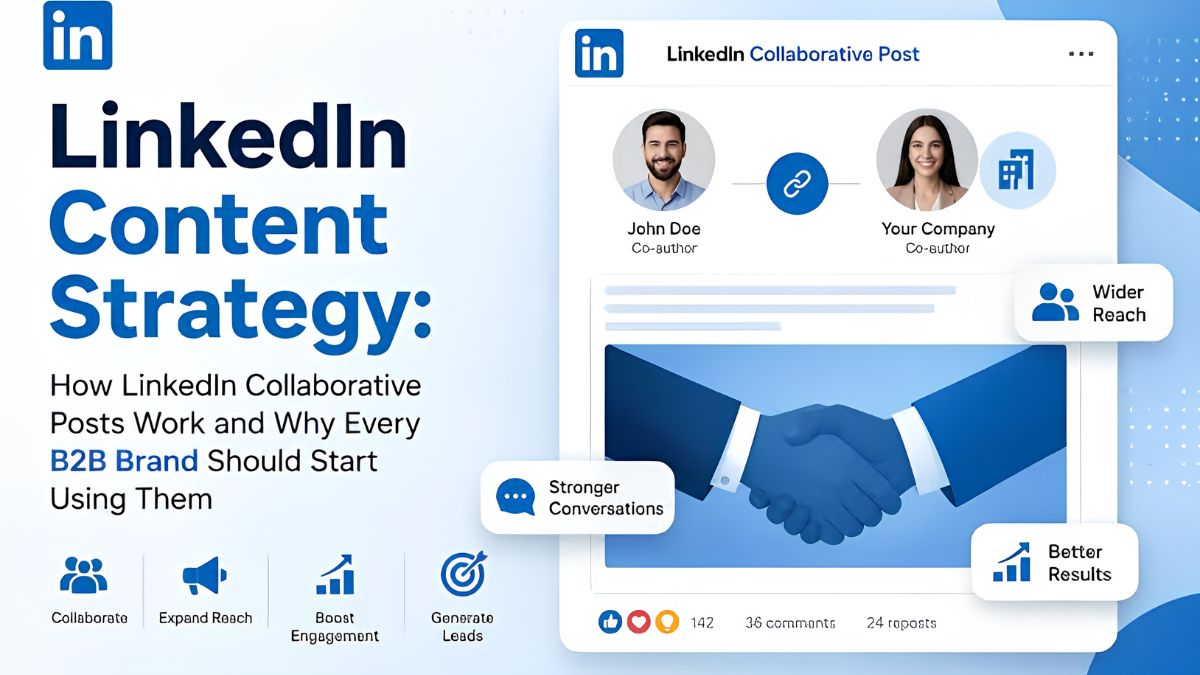
Brand posts often get less engagement than posts from the people behind the brand. Try this:
- Founder or expert posts sharing lessons, mistakes, and opinions
- Employee voices: engineers, designers, customer success, and operations sharing what they actually do
- Customer-led stories, with permission
- Short videos explaining one idea in plain language
Give people simple guidelines, not scripts: what topics to focus on, what not to share (confidential information), and how to disclose relationships. Authentic beats polished.
Step 4: Choose Content Formats That Show Expertise
Formats that tend to work when the content is genuinely useful:
- Short text posts with a strong first line and one lesson
- Carousels or documents that teach a process step by step
- Short videos that answer a question
- Mini case studies with a problem, action, and result
- Behind-the-scenes posts that show how work gets done
- Original data or insights from your own customers or projects
Aim for content someone would screenshot or send to a colleague.
Step 5: Explore Creator Partnerships
With LinkedIn building better creator discovery for B2B marketers, partnering with credible practitioners may get easier. Before you do:
- Choose relevance over reach. A niche expert with an engaged audience can beat a bigger, generic account.
- Check authenticity. Read their comments. Are real people in your industry responding?
- Start small: a guest post, a joint webinar, an interview, or a sponsored series.
- Set clear terms: deliverables, disclosure, usage rights, and payment.
- Disclose partnerships following LinkedIn’s rules and advertising laws.
- Measure results with unique links and tracked conversations.
Step 6: Turn Attention Into Conversations
Leads come from relationships, not just impressions:
- Reply to comments quickly, especially in the first hour after posting.
- Comment thoughtfully on posts from your buyers and peers.
- Send personal messages after real interactions. Reference what they posted or said.
- Use the new business cards and private notes after events to follow up within a day.
- Offer value first: a checklist, template, or short audit.
- Make the next step easy: a booking link or simple contact form.
Step 7: Consider LinkedIn Ads (Carefully)
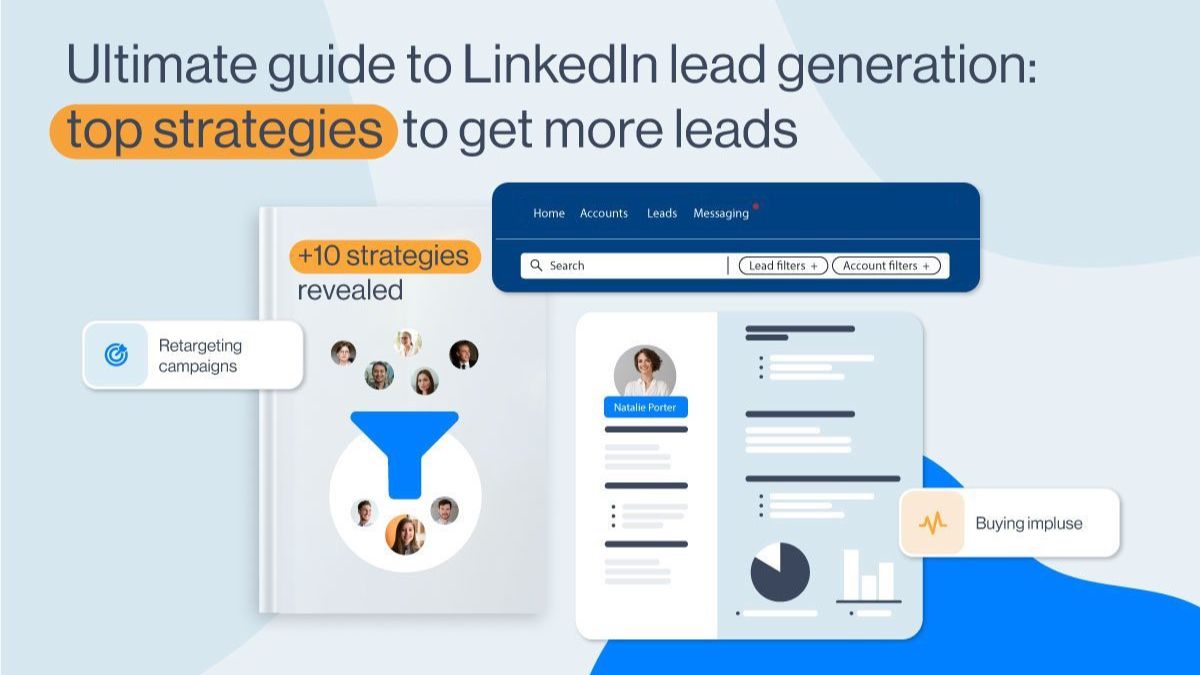
Paid LinkedIn campaigns can reach specific job titles and industries, which is powerful for B2B but often costly. If you try them:
- Start with a clear offer, like a guide or webinar, rather than a hard sell.
- Use a small test budget and a specific audience.
- Send traffic to a focused landing page.
- Track leads and pipeline, not just clicks.
- Compare cost per qualified lead with your other channels.
Step 8: Measure What Matters
Track monthly:
- Profile views and follower growth among your target audience
- Post engagement: comments and shares, which signal real interest
- Inbound messages and meeting requests
- Leads and opportunities that mention LinkedIn
- Pipeline and revenue influenced by LinkedIn (ask prospects how they found you)
A Simple Weekly Routine (About 3 Hours for a Small Team)
- Monday: Choose two buyer questions to answer this week (20 minutes).
- Tuesday: Founder or expert publishes a post or short video (30 minutes).
- Wednesday: Team members comment on and share it, and engage with five posts from buyers (30 minutes).
- Thursday: Publish a second post, case study, or carousel (30 minutes).
- Friday: Follow up with new connections and review results (40 minutes).
Mistakes to Avoid
- Posting only company announcements.
- Engagement bait and automation, which analysts say LinkedIn has been targeting.
- Sharing confidential client information.
- Hard-selling in every post.
- Neglecting profiles that people visit after seeing a post.
- Copying generic AI content. Add your own proof and perspective.
- Choosing creators by follower count alone.
Your 30-Day LinkedIn B2B Plan
- Week 1: Define your buyer, list 15 questions, and update company and key team profiles.
- Week 2: Publish four posts answering buyer questions.
- Week 3: Share one mini case study and one short video, and start engaging daily with buyer content.
- Week 4: Review results, follow up on every conversation, and plan a small creator or webinar partnership.
Build LinkedIn Into a Larger System
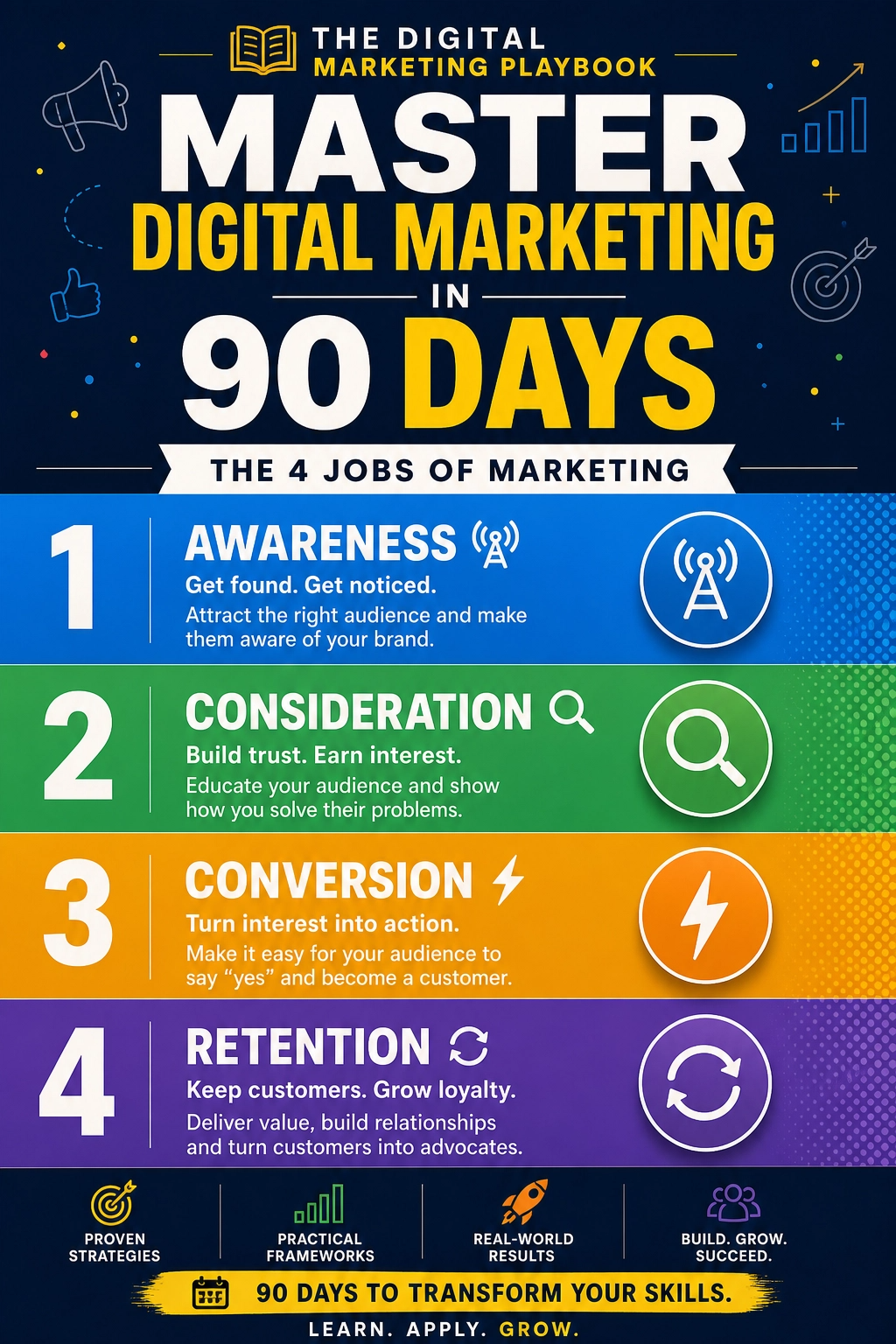
LinkedIn works best alongside your website, email, and a clear offer. If you’d like a step-by-step guide to building a complete marketing system, take a look at my ebook:
The Digital Marketing Playbook
Trust me, trust compounds, and LinkedIn is one of the best places to build it.
Final Thoughts
B2B buyers want help from credible, real people, and LinkedIn’s newest tools reflect that. Share what you actually know, let team members speak, partner with relevant practitioners, and focus on conversations instead of vanity numbers. Do that consistently, and your LinkedIn presence can become one of your most reliable sources of qualified leads.









Leave a Reply