


Every December, I used to make the same promise to myself: this year I will not spend more than we can afford. And every January, I’d open my credit card statement and stare at it like it was a ransom note. The gifts, the food, the teacher presents, the school party snacks, the cookie exchange I forgot I’d agreed to… somehow it all added up to a number I hadn’t planned for.
If that sounds familiar, you’re not alone. And this season looks like a tricky one. Retail forecasters expect strong holiday spending, but prices for groceries and gas are putting extra pressure on many households. Surveys show many families are planning carefully, hunting for deals, and waiting for big sales.
In this guide, I’ll share the latest holiday spending numbers, what they mean for your family, and a practical step-by-step plan to build a holiday budget that protects your wallet and your peace of mind. (I’m not a financial advisor, and this is general information, not personal advice.)
What the Latest Forecasts Say
Here’s a snapshot of recent holiday spending reports and surveys:
- The National Retail Federation (NRF) expects holiday sales to grow 4.2%, reaching more than $1 trillion for November and December. The forecast is not adjusted for inflation, and NRF economists say about half of the projected growth is expected to come from real consumer spending rather than price increases.
- Deloitte’s survey of about 4,000 consumers suggests the average household’s holiday spending could rise 4% to roughly $1,654, with gains driven by Gen Z and millennial shoppers.
- A Circana study found consumers expect to spend an average of about $779 on holiday purchases, slightly lower than the year before, though more than one in five expected to spend over $1,000.
- Higher prices are on people’s minds. In an NRF survey, 56% said the economy will affect their holiday spending plans. Other surveys found that around half of consumers say rising grocery costs make hosting more stressful, and a majority say higher prices will affect their spending decisions.
- Shoppers are waiting for deals. The NRF’s survey found that 64% say they’re likely to do most of their holiday shopping during Thanksgiving weekend sales.
- The pressure isn’t equal. NRF economists say higher food and gas prices are weighing more on moderate- and lower-income households, while higher-income households, supported by rising wealth, continue to spend.
Notice that these numbers don’t match each other perfectly. Different surveys ask different questions of different groups, so treat them as a general picture, not a target for what you should spend.

The Holiday Debt Problem
Here’s the number that worries me most. According to a LendingTree survey from the previous holiday season, 37% of consumers took on holiday debt, averaging $1,223, and 63% expected to need three months or longer to pay it off. With credit card APRs around 22% for people who carry a balance (one recent estimate), holiday debt gets expensive quickly. A $1,200 balance that lingers can cost a meaningful amount in interest before it’s gone.
That’s why a plan matters. You can have a joyful holiday without a financial hangover.
Step 1: Decide Your Total Number (Before You Shop)
Start with what you can afford, not what you want to buy. Here’s a simple way:
- Look at your cash flow. How much can you set aside from now until the holidays without missing bills or savings goals?
- Check your emergency fund. Don’t raid it for gifts.
- Subtract holiday income. Any bonuses, side income, or things you can sell?
- Set a firm total, and write it down.
Pro tip: If you only have a few weeks left, divide your total by the number of paychecks between now and the holidays to see how much you can set aside from each one.

Step 2: List Every Holiday Expense (Not Just Gifts)
The biggest budget busters are the ones we forget. Make a list that includes:
- Gifts: immediate family, extended family, friends
- Kids’ extras: teacher gifts, class parties, school fundraisers, charity drives
- Food: holiday meals, hosting, baking, party contributions
- Decorations and wrapping
- Travel: gas, flights, lodging
- Entertainment: events, photos, activities
- Clothing: outfits for events and photos
- Shipping and postage
- Cards and stamps
- Pet-related costs
In surveys, shoppers say they most often shop at online retailers, grocery stores, discount stores, and department stores, so don’t forget that groceries are part of the holiday bill.
Step 3: Assign a Dollar Amount to Each Category
Add up your categories and compare them with your total. If the list is too long, you have three choices:
- Cut categories. Skip things that don’t matter much.
- Lower amounts. Set a limit per person.
- Increase your total, but only by money you actually have.
Write a per-person gift limit next to each name. It takes the guesswork out of shopping.

Step 4: Use Strategies That Stretch Your Money
Smart shopping
- Make a list, and stick to it. Impulse buys add up.
- Shop sales wisely. With many shoppers waiting for Thanksgiving weekend, deals are plentiful, but only buy what’s on your list and compare prices first.
- Use price tracking and coupon tools. Discount codes are a top strategy for shoppers trying to save.
- Start early to spread out costs, but only if you’re tracking spending.
- Compare unit prices at the grocery store, and plan holiday meals around sales.
Gift ideas that cost less
- Homemade gifts: baked goods, jars of mix, framed photos
- Experience gifts: a movie night, a day at the park, a promise of a babysitting evening
- Secret Santa or gift exchange instead of buying for everyone
- Set limits with family: one gift per child, or a “want, need, wear, read” rule
- Secondhand and thrift finds in good condition
Hosting without overspending
- Make it a potluck.
- Choose a few showpiece dishes and keep the rest simple.
- Buy store brands for staples.
- Plan for leftovers.

Step 5: Pay in a Way That Protects You
- Use cash or debit for categories where you tend to overspend. When the envelope is empty, you’re done.
- Use a card only if you can pay it off, ideally in full when the statement arrives.
- Be careful with buy now, pay later. Several small installment plans can stack up and be easy to lose track of. Write down every payment date.
- Track as you go. A notes app, spreadsheet, or envelope system works.
- Watch for scams. Fake shipping texts, too-good-to-be-true deals, and gift card requests spike during the holidays.
Step 6: Keep a Little Room for Surprises
Build a small cushion in your budget, maybe 5% to 10% of your total, for forgotten gifts, shipping fees, or a last-minute invitation. If you don’t use it, send it to savings.
Step 7: Plan for January
The holiday season doesn’t end on December 26th. Plan ahead for:
- Credit card statements. Have a payoff plan ready.
- Returns and exchanges. Know the return policies and deadlines.
- Back-to-routine expenses. January bills, taxes, and school costs arrive soon after.
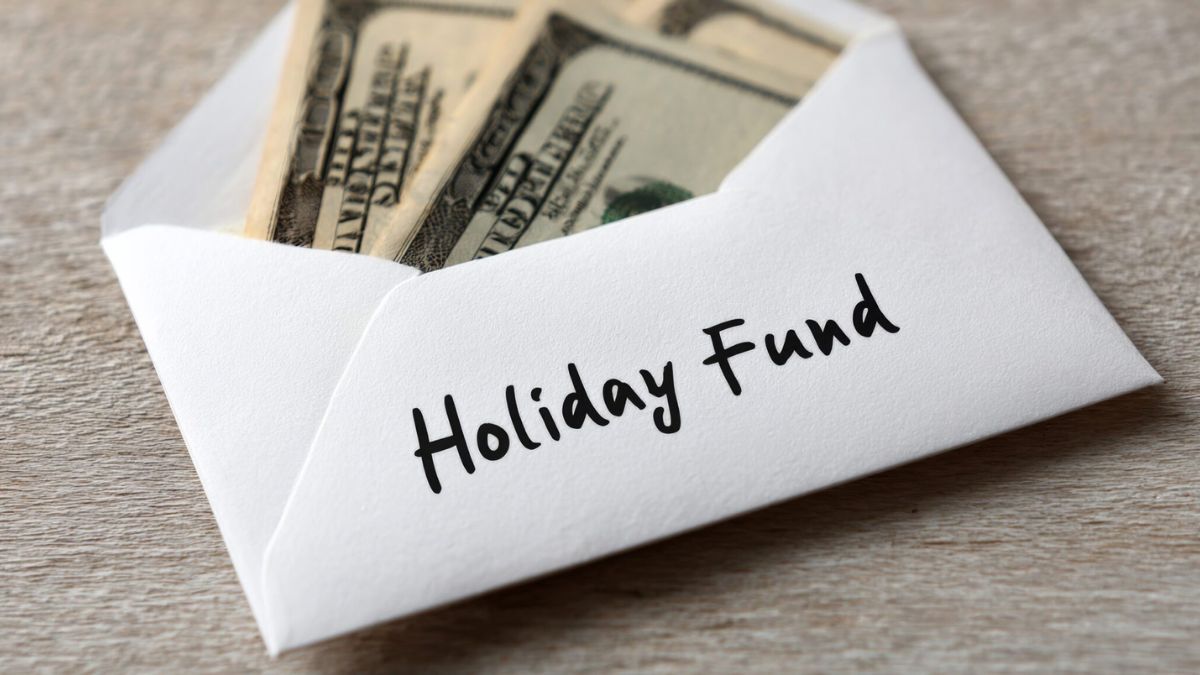
- Next year’s holiday fund. Start a sinking fund with a small monthly transfer so the next season doesn’t feel like a surprise.
If You’ve Already Overspent
It happens. Here’s what to do:
- Don’t panic or hide from it. Look at your balances and APRs.
- Make a payoff plan. Pay more than the minimum, and consider paying off the highest-APR balance first.
- Cut back temporarily. Pause non-essentials for a few weeks and redirect the money to your balance.
- Ask your card issuer whether a hardship program or lower rate is available.
- Avoid new debt while you pay it down.
- Consider nonprofit credit counseling if you feel overwhelmed. Be careful with companies that charge high upfront fees.
A Simple Holiday Sinking Fund (For Next Time)
Take your total holiday spending and divide by 12. Put that amount in a separate savings account each month. By next season, you’ll have your holiday money ready without touching credit.
Teach Your Kids About Holiday Money (Optional but Powerful)
- Let older kids help set a gift budget and compare prices.
- Encourage them to make something or earn money for gifts.
- Talk openly about how your family decides what to spend on the holidays.
Build a Year-Round Money Plan
A holiday budget works best as part of a bigger plan that includes your emergency fund, debt payoff, and savings goals. If you’d like a step-by-step guide made for busy moms, take a look at my ebook:
The Smart Mom’s Complete Guide to Money

Trust me, when your money has a plan, the holidays feel a lot lighter.
Final Thoughts
The holidays are about connection, not credit card balances. Set a total you can afford, list every expense, give each category a number, shop smart, and pay in a way that protects you. Even with prices higher and budgets tighter, thoughtful planning can help your family enjoy the season without spending the new year in debt. Your kids will remember the memories far longer than the gifts.










Leave a Reply