

I’ll never forget the week one of my accounts lost most of its reach overnight. Same content, same posting schedule, same effort, and suddenly almost nobody saw it. I had thousands of followers and exactly zero way to contact any of them directly. That was the day I started my email list, and honestly, it’s the best business decision I’ve made.
This fall, platforms keep reminding creators why. Meta now limits link posts for free business accounts, some Instagram link features have moved behind a paywall, Reddit is ending RSS feeds and public API access, and Instagram is retiring the series-linking tool in its Edits app. If your personal brand lives entirely on someone else’s platform, you’re a tenant, and the landlord just changed the rules again.
In this guide, I’ll explain why a newsletter is the backbone of a personal brand in 2026, what’s changed on the platforms, and how to launch your first one in a weekend.
What Platforms Changed This Fall
Here are the recent updates, according to industry roundups:
- Meta One for Business (September): Meta introduced paid business plans. Reports say non-paying Facebook Pages are now limited to about two link posts per month, and Meta noted that posts without links make up roughly 98.7% of U.S. feed views. Netmatters’ October roundup also noted that Meta has begun charging for some features, including clickable links in Instagram posts.
- Instagram Edits (October 28): The series-linking feature is being retired, replaced by a way to film over the audio and footage of an earlier Reel.
- Reddit (November 13 and March 2027): Reddit announced it is ending RSS feed support on November 13 and plans to shut down public API access in March 2027, which affects social listening tools and some AI assistants.
- Algorithm shifts: Facebook now lets users shape what their algorithm shows them, and YouTube said it will cut reach for reposted content in Shorts.
Here’s the truth: every one of these changes affects reach you don’t control. Email is the one channel where the relationship is directly yours.
Why Newsletters Work for Personal Brands
- You own the list. No algorithm decides whether your subscribers see your message.
- Trust builds faster. An email lands in a personal space. Readers who open your emails weekly get to know you.
- It’s flexible. You can share stories, teach, promote offers, and ask questions in the same place.
- It supports other platforms. Roundups citing Gitnux report that newsletters grow personal brand audiences by about 40%. Treat that as directional, but it matches what many creators see: social posts bring discovery, email brings depth.
- It’s a direct line to income. Whether you sell services, products, or sponsorships, a warm list converts better than cold traffic.
The newsletter space is also growing. Several recent summaries say Substack has passed roughly five million paid subscriptions and has evolved into a multi-format platform with video, podcasts, and chat. Numbers vary by source, so check the platform’s own announcements before quoting them.
Step 1: Define Your Reader Promise
Before you pick a platform, write one sentence:
“Every [week/two weeks], I help [specific person] [achieve specific result] by sharing [type of content].”
Example: “Every Thursday, I help new freelance designers price their work confidently by sharing real quotes, scripts, and mistakes.”
This sentence becomes your signup page, your bio link, and your content filter.
Step 2: Choose a Platform
There are many options, including Substack, Beehiiv, ConvertKit (now Kit), MailerLite, and others. When comparing, look at:
- Cost and fees: Some charge monthly fees, some take a percentage of paid subscriptions (one comparison article lists a 10% cut for Substack, though that article comes from a competitor, so verify).
- Ownership and export: Can you download your subscriber list at any time? This is non-negotiable.
- Features: Landing pages, automations, paid tiers, referral tools, analytics.
- Ease of use: The best platform is the one you’ll actually use every week.
Pro tip: Start simple. You can always migrate later as long as your platform lets you export your list.

Step 3: Create a Reason to Subscribe
Give people something valuable right away. A “lead magnet” can be:
- A one-page checklist or template
- A short guide or swipe file
- A mini video tutorial
- A private resource list
Keep it specific. “5 Instagram caption formulas for coaches” beats “Free marketing tips.”
Step 4: Write a Welcome Email That Does the Heavy Lifting
Your welcome email is often your most-opened message. Include:
- A warm thank-you and who you are in two sentences
- The free resource you promised
- What to expect and how often you’ll email
- A simple question: “What’s your biggest challenge with X? Hit reply and tell me.”
- Your best three links (not twenty)
Replies teach you what your audience actually needs, and they help your emails land in inboxes.

Step 5: Choose a Simple, Sustainable Format
Consistency matters more than complexity. A format I recommend for beginners:
- Subject line: Specific and curious
- Opening: A short personal story or observation (2-4 sentences)
- Main lesson: One idea, explained clearly
- Action step: One thing the reader can do today
- Closing: A soft call to action (reply, share, or check out an offer)
Send weekly or every two weeks, and choose a rhythm you can keep even in a busy month.
Step 6: Grow Your List With Your Existing Platforms
Use social media as a pipeline, not a destination:
- Put your newsletter link in your bio, pinned posts, and video descriptions.
- Mention your newsletter naturally: “I go deeper on this in my email list.”
- Share one “newsletter-only” tip each week as a teaser.
- Add a signup link on your website and in your email signature.
- Collaborate: swap recommendations with creators in complementary niches.
- Since link posts are limited on some platforms, use your bio link, comments, stories, and videos strategically, and always follow each platform’s current rules.

Step 7: Respect Your Readers (and the Rules)
- Use clear consent and a visible unsubscribe link.
- Honor privacy rules in your region (such as GDPR in Europe).
- Never add people without permission.
- Disclose sponsorships and affiliate links.
- Keep subscriber data secure.
A Weekend Launch Plan
Saturday morning: Write your reader promise and pick your platform. Saturday afternoon: Create your lead magnet and signup page. Sunday morning: Write your welcome email and first issue. Sunday afternoon: Add signup links to your bio, website, and signature, and tell your audience.
Ways to Earn From Your Newsletter Later
- Sell your own offers: services, coaching, templates, courses
- Affiliate recommendations you truly use
- Sponsorships once you have an engaged niche list
- Paid tiers for deeper content or community
Start with trust. Income follows.
Build a Brand Foundation Before You Build the List
A newsletter works best when your positioning is clear. If you want a step-by-step framework for defining who you serve, what you’re known for, and how to tell your story consistently, take a look at:
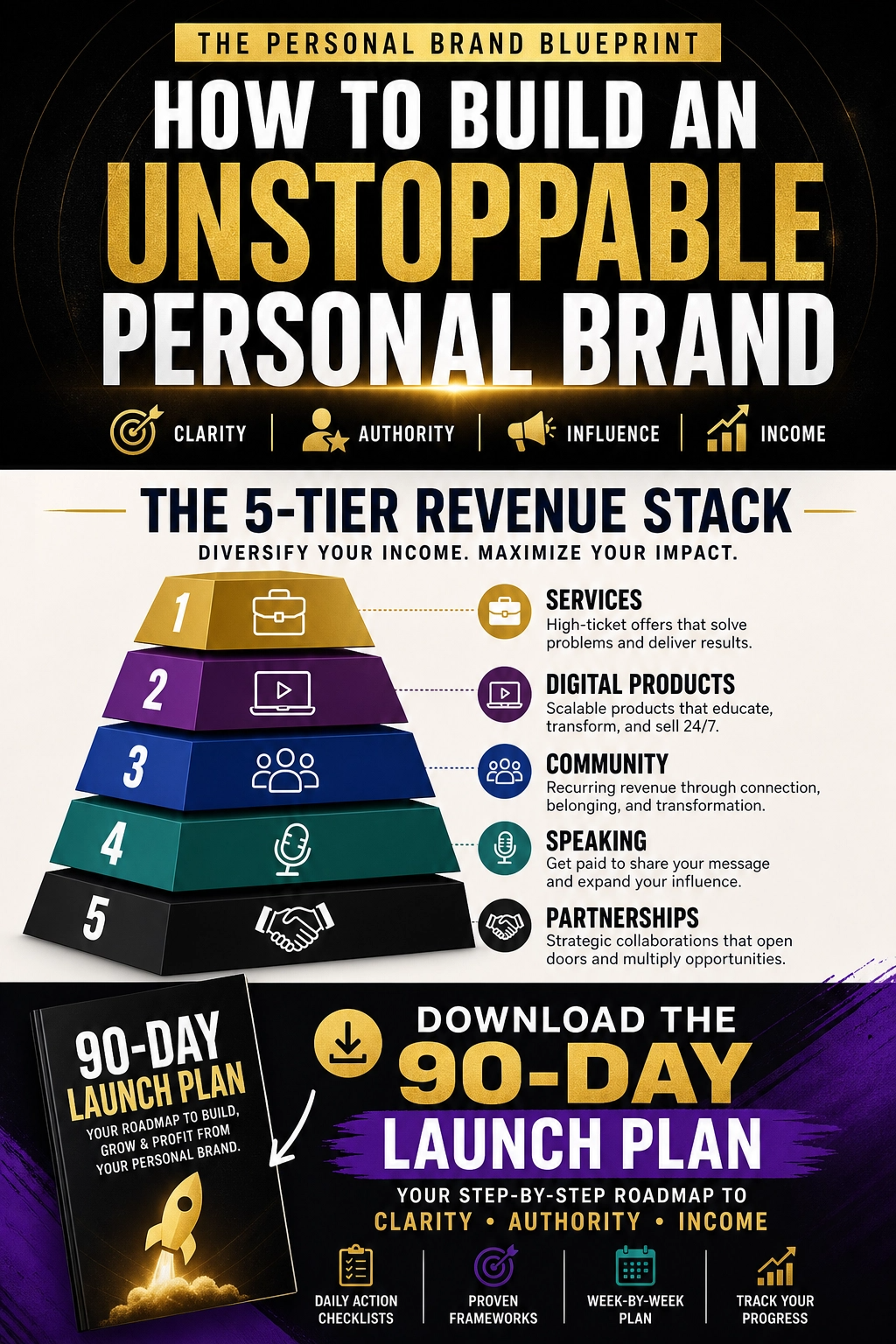
Trust me, it’s much easier to write to a list when you know exactly who you’re writing for.
Final Thoughts
Platforms will keep changing the rules, adding fees, and moving the goalposts. A newsletter gives your personal brand something rare: a direct, durable relationship with the people who care about your work. Launch a simple one this month. Even 50 engaged subscribers who know and trust you are worth more than 5,000 passive followers who barely see your posts.









Leave a Reply