

I used to treat LinkedIn like an online resume I’d update once a year and forget. Big mistake. The day I started treating my profile like a tiny website for me, with a clear headline, real stories, and one simple message, my inbox began to change. Fewer random pitches. More people who actually knew what I did.
This fall, LinkedIn announced new features that make that shift even more important. In the same month, industry analysts have been writing about how the feed now favors relevance, expertise, and professional context over generic “thought leadership.” If you’re building a personal brand for a job, a business, or a freelance career, here’s what’s new and what to do about it.
In this guide to LinkedIn personal branding in 2026, I’ll cover the latest product updates, what the algorithm seems to reward, and a simple weekly routine you can actually keep.
What’s New on LinkedIn This Month
According to industry roundups published in late October 2026:
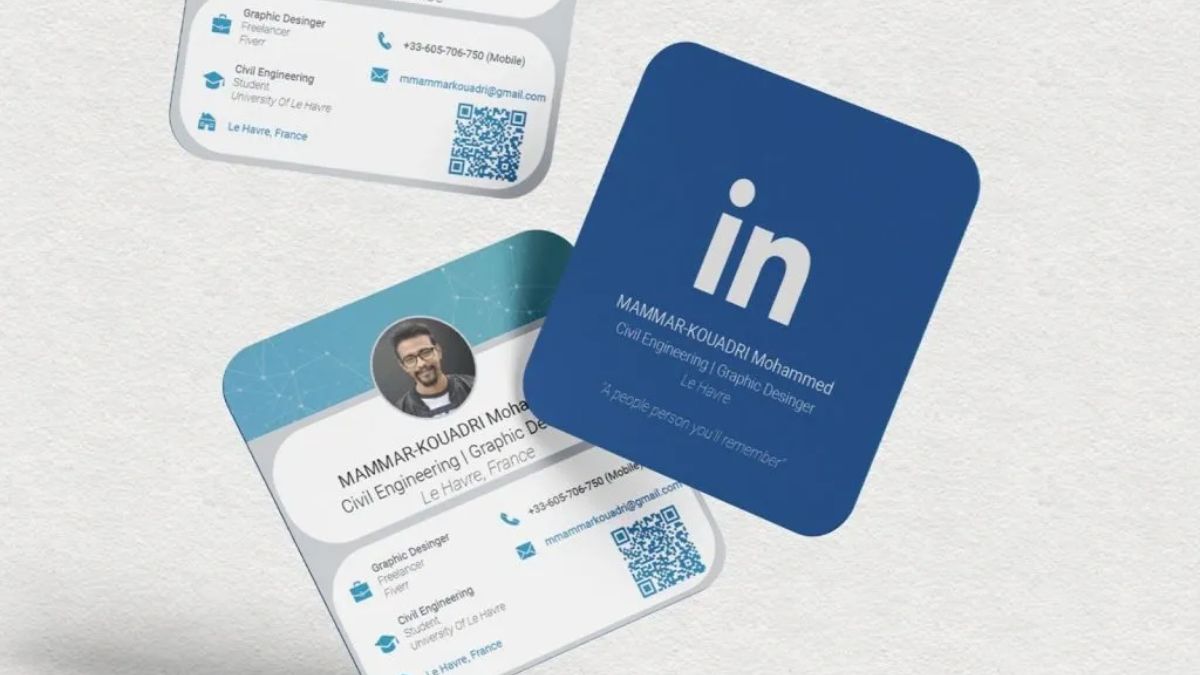
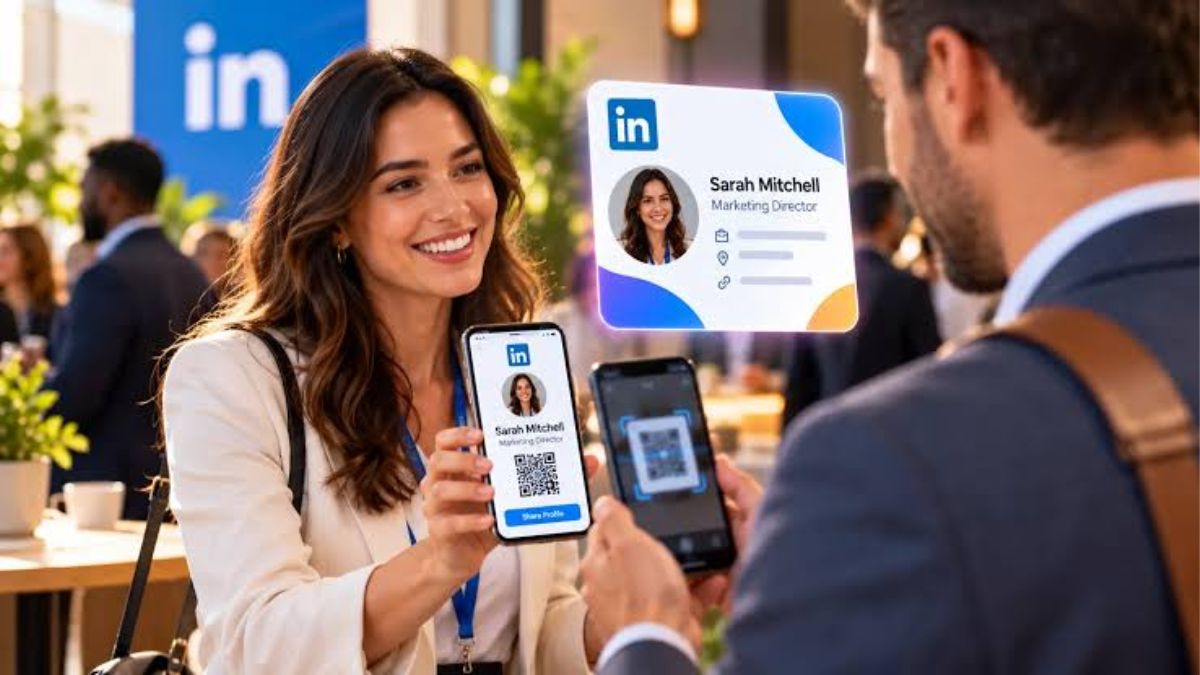
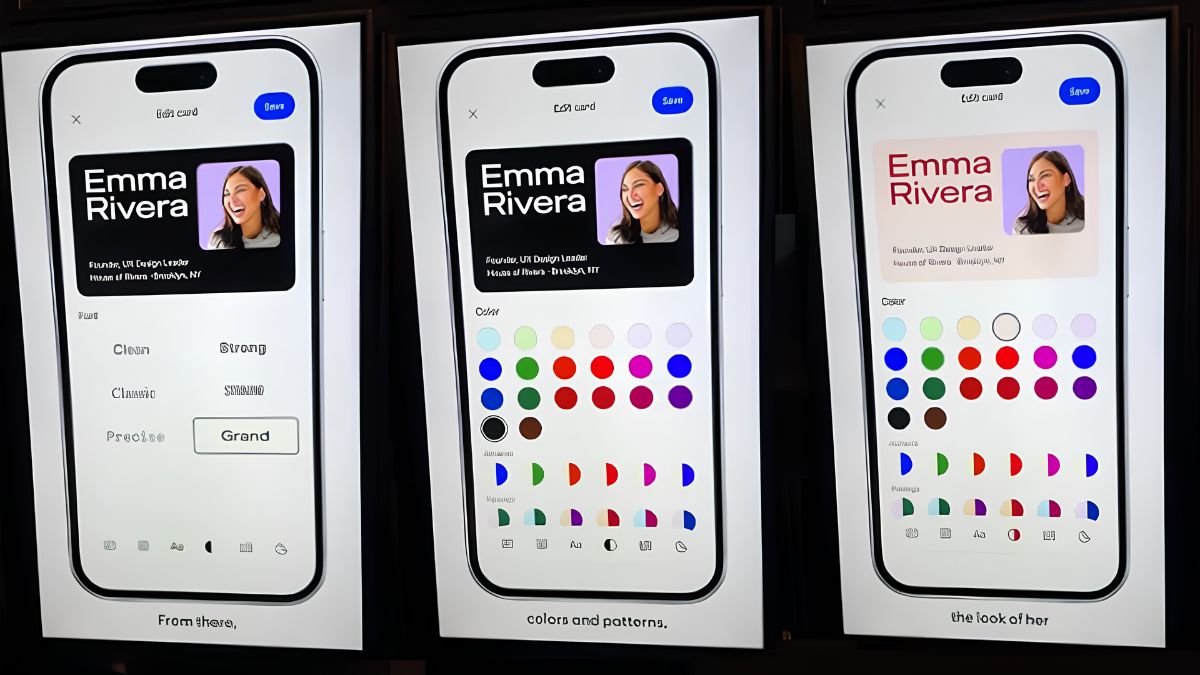
- Digital business cards. You can design and personalize a LinkedIn business card, add it to your phone’s digital wallet, and use it to connect with people you meet in person. The feature is rolling out globally over the coming months.
- A new Network feed. It puts posts from your connections and the people you follow in one place.
- Private profile notes. You can record context about a connection, such as where you met or what you talked about, so your follow-ups feel personal.
- Better creator discovery for B2B marketers. LinkedIn is testing more advanced ways for brands to find and vet creators by niche, audience quality, and engagement authenticity rather than just follower count.
LinkedIn’s own words in the creator-discovery announcement were about trust: buyers want validation from credible practitioners, not just product pitches. That’s a big signal for anyone building a personal brand in a professional niche.
What the Algorithm Seems to Reward in 2026
I want to be upfront here: LinkedIn doesn’t publish its ranking formula, and many articles about “the algorithm” are educated guesses. But several industry analyses published this year point in the same direction:
- Relevance and professional context over pure network size. Commentators describe the feed moving away from being purely network-based toward interests and topics.
- Generic content is struggling. Recycled thought leadership and posts designed mainly to force comments are described as less likely to perform well.
- Topic consistency may matter. Analysts report that LinkedIn appears to use signals like your profile, content history, engagement patterns, and expertise positioning to understand what you’re about.
- Real conversation counts. Advice from LinkedIn itself includes replying to comments in the first hour after posting and repurposing top posts in new formats.
- Original insight travels. Original research, frameworks, and specific lessons are described as harder to replace than general commentary.
Here’s the truth: you don’t need to chase every tweak. The common thread is simple. Be clear about your topic, be specific, and be useful to a particular type of person.
Step 1: Fix Your Profile (It’s Your Homepage)
Your profile is the first thing people see after a post catches their attention. Update these basics:
- Photo: Clear, friendly, well-lit, recent.
- Headline: Say who you help and the result, not just your job title. Example: “I help busy women launch their first online offer | Marketing coach”.
- About section: Three short paragraphs: the problem you solve, your proof, and how to work with you.
- Featured section: Pin your best post, a free resource, and a way to contact you.
- Keywords: Use the terms your ideal client would actually search.
Step 2: Choose Two or Three Topics (and Stick With Them)
Pick two or three themes that connect your experience to your audience’s problems. For example, a freelance designer might choose: brand identity for small businesses, pricing and client boundaries, and design mistakes to avoid. Repeating a few topics helps people (and the platform) understand what you’re known for.
Step 3: Use Content Formats That Show Expertise
Industry guides suggest these formats tend to do well when the content is genuinely useful:
- Carousels or document posts that teach a process step by step
- Short text posts with a sharp first line and one clear lesson
- Short videos where you explain one idea in plain language
- Behind-the-scenes posts that show how you actually work
- Mini case studies with a problem, action, and result
Pro tip: If a reader would screenshot it or send it to a colleague, you’re on the right track.
Step 4: Make Connections Personal
The new business card and private notes features are small but useful. Here’s how I’d use them:
- After meeting someone at an event, scan or share your card right away.
- Add a private note: where you met, what they care about, one follow-up idea.
- Send a short, specific message within 24 hours, such as sharing an article they’d like.
That’s relationship building, not spam.
What to Avoid
- Engagement bait and pods. Analysts say LinkedIn has been targeting comment automation and engagement groups.
- Over-promoting. Educational content tends to outperform constant sales pitches.
- Posting only when you’re job hunting. People notice the pattern.
- Copy-pasting AI posts. Generic content blends in. Add your own story and proof.
- Neglecting your profile. Great posts that lead to a messy profile waste the attention you earn.

A Simple Weekly LinkedIn Routine (About 2 Hours)
- Monday (20 minutes): Plan two posts based on questions your audience asks.
- Tuesday (30 minutes): Write and publish post one. Reply to comments within the first hour.
- Wednesday (15 minutes): Comment thoughtfully on five posts from people in your niche.
- Thursday (30 minutes): Write and publish post two.
- Friday (25 minutes): Send three personal messages to new connections and review what worked.
Keep a small tracker: post topic, format, comments, profile views, and any inbound messages.
Build a Personal Brand That Goes Beyond One Platform
LinkedIn is a powerful place to be seen, but you never want your whole career or business to depend on one algorithm. If you want a complete framework for defining your positioning, telling your story, and building a brand across platforms, take a look at my guide:
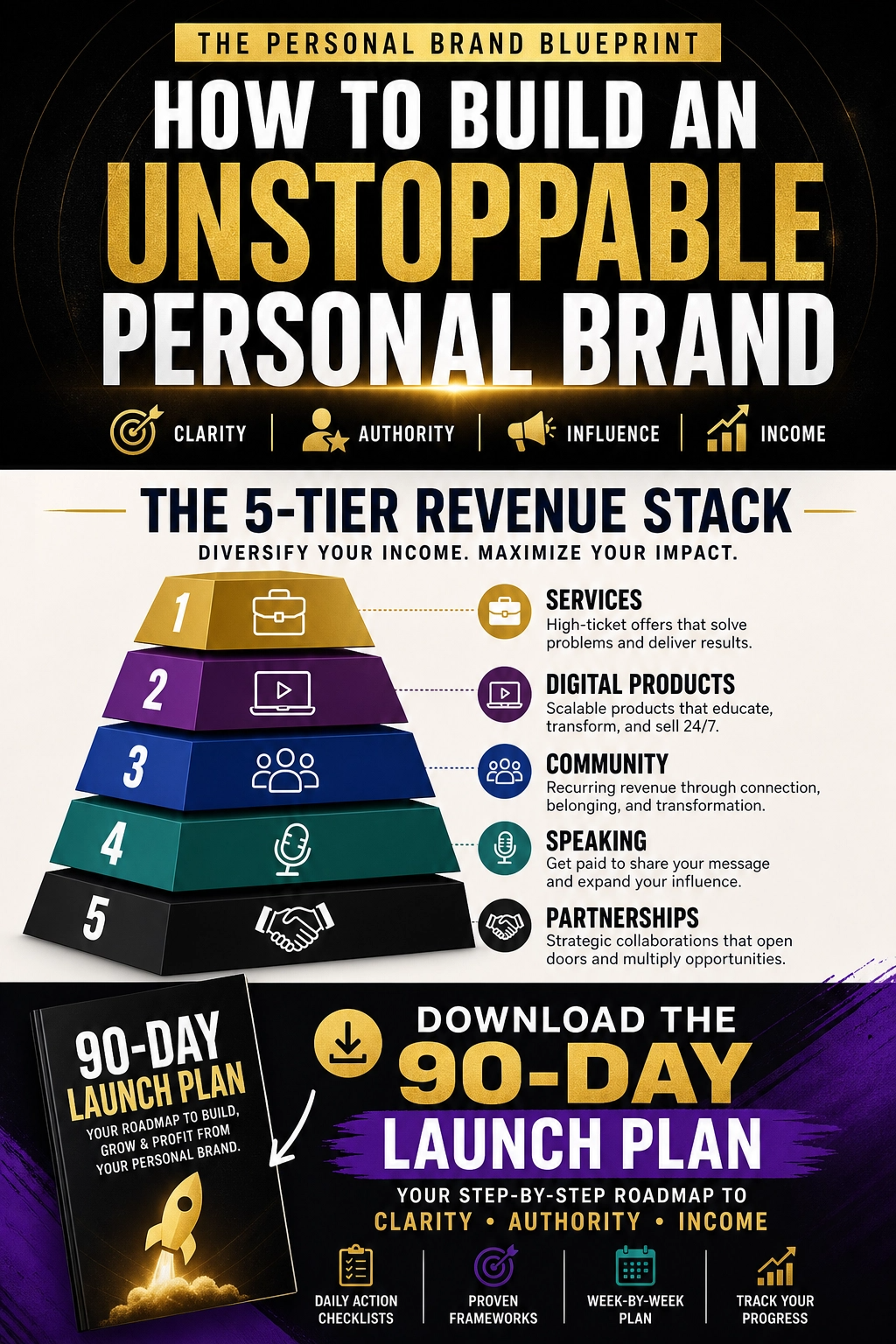
Trust me, a clear blueprint makes every platform easier.
Final Thoughts
LinkedIn’s newest features and the shift toward relevance and expertise reward people who are clear, specific, and genuinely helpful. You don’t need to post every day or sound like a guru. Update your profile, choose a few topics, share what you’ve actually learned, and build real relationships. Do that consistently for 90 days, and your brand will start working for you even while you sleep.









Leave a Reply