

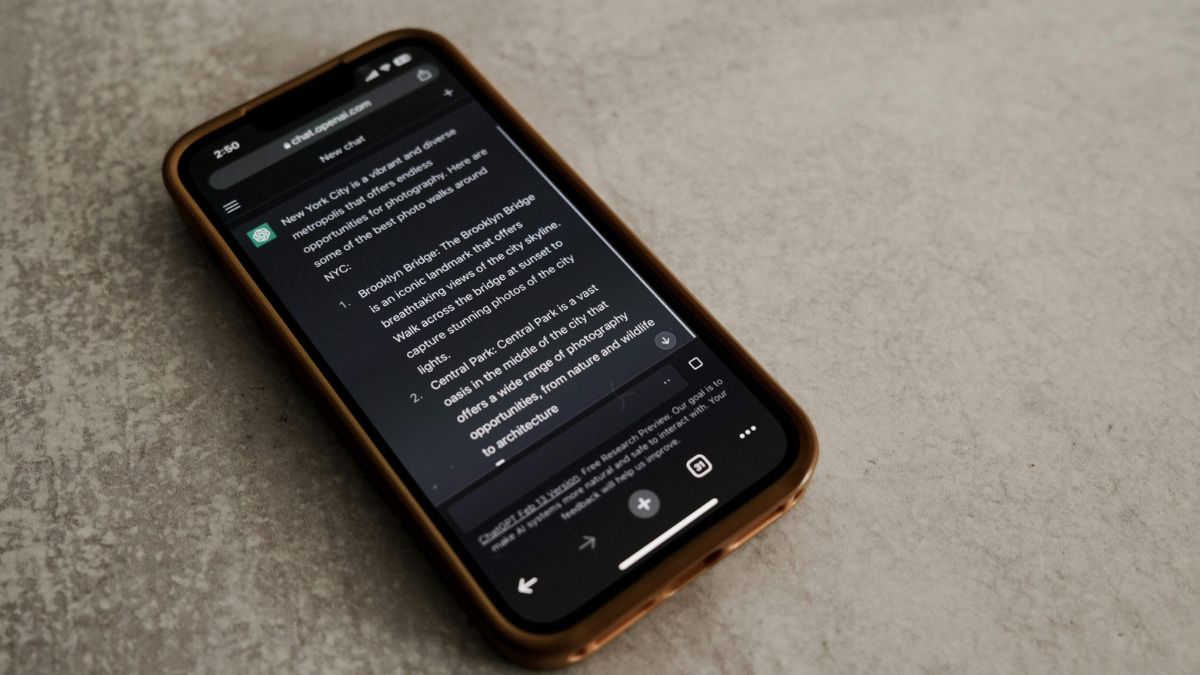
The first time I ran a paid ad, I spent about three days refreshing the dashboard like it was a slot machine. I didn’t know what a “good” click cost, what to test, or when to stop. If you’ve ever felt that mix of excitement and confusion, you’ll understand why the newest ad platform in town has people talking: ChatGPT Ads.
Six months after launch, advertisers are still figuring out what good results look like. But the platform keeps growing. OpenAI says ChatGPT reaches about 1.2 billion people weekly, and in recent weeks it has announced visual ads, new measurement partners, and conversational “Sponsored Agents.” If you run a small business, a creator brand, or a side hustle, you’re probably wondering: should I try ChatGPT ads, or wait?
In this guide, I’ll walk you through what’s new, what the early numbers say, and a low-risk way to test without burning your budget.
What Are ChatGPT Ads?
ChatGPT Ads are sponsored placements that appear inside ChatGPT conversations. Based on current reporting:
- Sponsored ads appear below the organic ChatGPT response as text and image units.
- Advertisers can access reporting inside ChatGPT’s Ads Manager, including impressions, clicks, and spend.
- OpenAI controls ad delivery and placement.
Comscore’s Q2 2026 AI report found ads appearing in a large share of some chat categories: about 47% of video game chats, roughly 24% of toys-and-hobbies chats and travel prompts, and about 22% of chats about books, music, or videos. That tells us brands are already experimenting heavily.

What’s New in September and October 2026
Here’s the recent news timeline:
- Mid-September: Sponsored Agents. Instead of a simple ad, users can click and start a conversation with a business-sponsored agent that answers questions, suggests products, and shares a direct purchase link. OpenAI also announced AI-assisted campaign tools, optional AI-powered ad text customization (including automatic translation), and integrations with HubSpot and Shopify.
- Early September: Amazon DSP pilot. Amazon began piloting ChatGPT ads through its DSP for a limited group of U.S. advertisers, buying on a CPC or CPM basis.
- Early October: Visual ads and measurement. OpenAI announced a visual ad format (testing later this month with select U.S. advertisers), stronger links with measurement tools like Hightouch, Tealium, and LiveRamp, incrementality-testing pilots with several partners, and brand-suitability pilots with DoubleVerify and Integral Ad Science.
- Also in October: Google began testing ads inside AI Mode for people who connect apps like Gmail and Photos through its Personal Intelligence feature, a sign that paid placements are spreading across AI assistants.

The Honest Truth About Results So Far
Here’s the part I want you to hear clearly: nobody knows what “good” looks like yet.
Six months in, advertisers reported cost-per-click anywhere from under $3 to $10 or even $13, and OpenAI doesn’t yet publish performance benchmarks. That huge range makes it hard to predict your results.
One more reality check from other research: a recent study found 47% of U.S. digital shoppers say they’ve never used a retail chatbot and aren’t interested, up from about 38% in an earlier survey. So AI-assistant advertising is promising, but it isn’t a guaranteed win for every audience.
Who Should Test ChatGPT Ads (and Who Should Wait)
Good fit if you…
- Sell a product or service people research before buying (software, courses, coaching, travel, home goods, hobby items)
- Already have a converting landing page and clear offer
- Can track sales or leads accurately
- Have a small budget you can afford to experiment with
Wait if you…
- Don’t yet have a proven offer
- Don’t have analytics or conversion tracking set up
- Rely on impulse purchases with very low prices
- Can’t afford to lose your test budget
Pro tip: If your organic content, email list, and one platform (like Google or Instagram) aren’t working yet, fix those first. Ads magnify what’s already working. They rarely rescue what isn’t.

A Low-Risk 4-Week Test Plan
I like testing new channels the way I’d test a recipe: small batch first.
Week 1: Prepare
- Define one goal (email signups, sales, or booked calls).
- Set up conversion tracking and UTM links.
- Write down your “break-even” cost per result.
- Choose a small test budget you won’t miss.
Week 2: Launch one simple campaign
- Pick one offer and one audience theme.
- Create two or three versions of the message: one benefit-focused, one problem-focused, one question-style.
- Send traffic to a fast, mobile-friendly landing page that matches the ad.
Week 3: Learn
- Compare click-through rate, cost per click, and cost per result.
- Check whether visitors from ads behave differently than organic ones (time on page, signups, sales).
- Don’t change everything at once. Change one thing at a time.
Week 4: Decide
- If cost per result is below your break-even, scale slowly (increase budget by 20-30%).
- If it’s close, improve the landing page or message and run another small test.
- If it’s well above break-even, pause and put the budget somewhere proven.

Smart Habits That Protect Your Budget
- Start small and stay patient. Early data is noisy.
- Measure real outcomes. Clicks aren’t the goal. Sales, leads, and signups are.
- Check your brand safety settings. New suitability tools are still being piloted.
- Be honest in your ad copy. Misleading claims hurt trust and may break platform rules.
- Keep your owned channels strong. Email and SEO don’t depend on any platform’s ad rules.
Build the Foundation Before You Buy the Ads
Paid ads work best when they’re one part of a bigger marketing system: a clear offer, a landing page that converts, an email list, and content that builds trust. If you’d like a step-by-step framework for putting all of that together, take a look at my guide:
The Digital Marketing Playbook
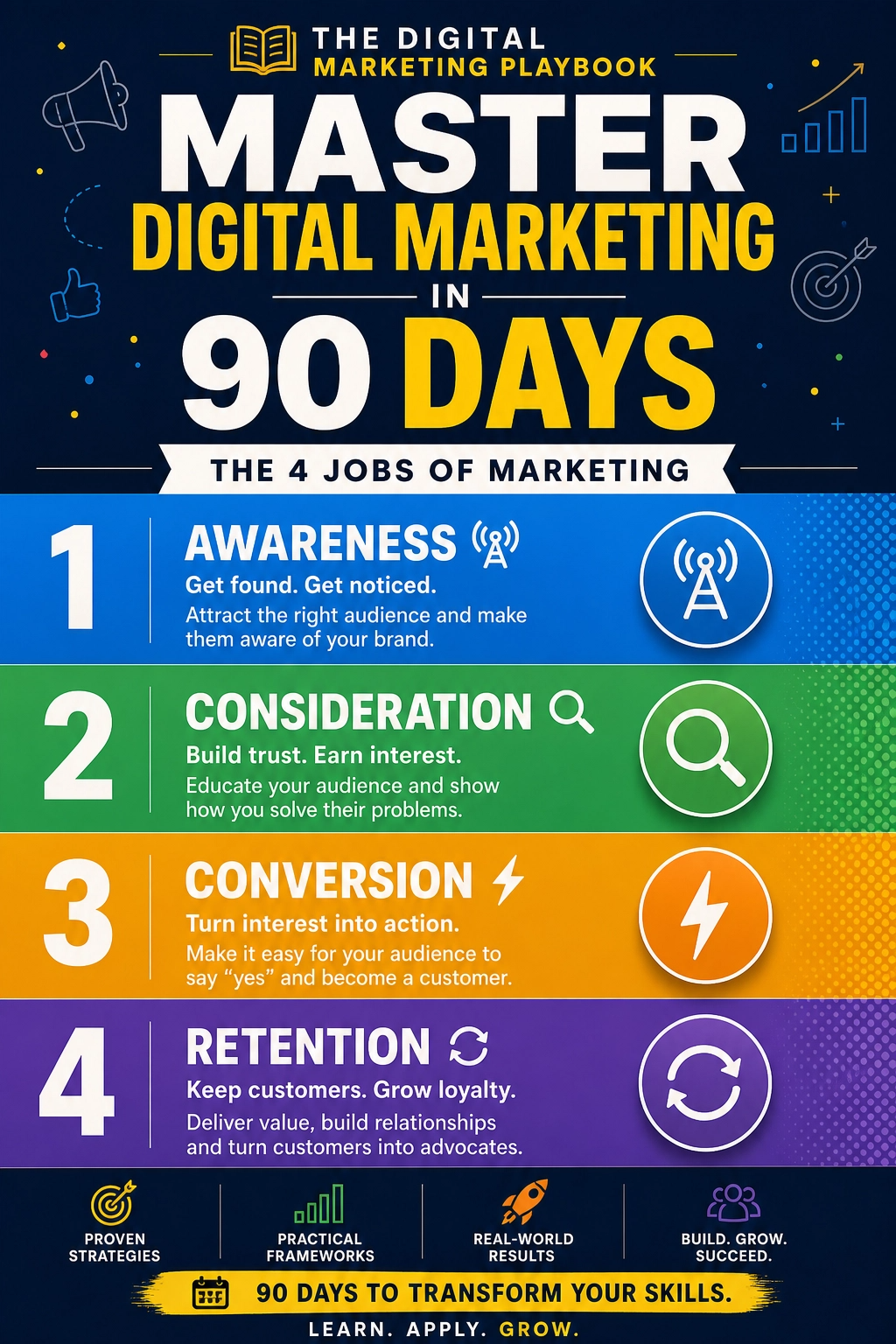
I wish I’d read something like it before I wasted my first ad budget.
Final Thoughts
ChatGPT Ads are real, growing, and still unproven. For small businesses and creators, that means curiosity is great, but discipline is better. Prepare your tracking, test small, measure what matters, and decide with data. The best marketers aren’t the ones who jump on every new platform first. They’re the ones who test smartly and scale what works.









Leave a Reply