


When I landed my first paid brand collaboration, I had no idea what I was doing. I quoted a number that felt scary-high to me, the brand said yes in about ten minutes, and I spent the rest of the day wondering how much money I’d left on the table. Sound familiar? If so, this post is for you.
The good news? Influencer marketing budgets in 2026 are growing fast, and the newest industry data shows that creator spending is turning into its own line item inside brand marketing teams. The not-so-good news? Brands are also getting pickier about proving results. Let me break down what the latest reports say and, more importantly, what you can do with that information.
In this guide, I’ll cover the newest budget numbers, the shift toward performance-based deals, how brands now think about ROI, and a practical plan for pricing yourself and pitching smarter.
The Big Numbers: Where Influencer Budgets Stand in 2026
Let’s start with the headline data from CreatorIQ’s State of Creator Marketing 2026-2027 report, released on September 30, 2026. It surveyed around 2,000 brand and agency decision-makers across nine countries:
- The average organization now invests about $4.8 million in creator marketing, up roughly 33% year over year.
- At enterprise level, the average climbs to about $8.8 million.
- 38% of growing creator budgets are net-new money (up from 33% the previous year).
- The share of creator budgets carved out of paid media fell from 64% to 52%.
What does that last one mean in plain English? Creator marketing isn’t just stealing from the ad budget anymore. It’s getting its own budget. That’s a big deal for you, because a dedicated budget means dedicated people who need to hire creators consistently.

Other reports point the same direction. A Kolsquare survey of 1,123 marketing decision-makers across 12 European markets describes an industry moving “from experiment to infrastructure.” And one widely shared market estimate puts the global influencer marketing industry at roughly $40 billion in 2026, with about three in four marketers planning to raise their budgets. (Market-size figures vary by research firm, so treat any single number as a ballpark.)
Here’s the truth: the money is there. The question is whether brands see you as a safe place to put it.
Performance-Based Deals Are Taking Over
One trend I really want you to pay attention to: creator deals are moving away from flat fees toward performance pay. Creator-economy newsletters this year have reported that performance-based models now make up around half of creator deals.
The clearest example this fall is ShopMy’s Spotlights, launched September 30, 2026. The idea works like this:
- The platform finds creator posts that are already driving affiliate sales.
- Brands run those posts as paid ads (Meta Partnership Ads and TikTok Spark Ads).
- Creators get paid on commission instead of an upfront usage fee.
In the launch case study, a skincare brand reported a 55% ROAS lift versus its standard Meta campaigns, and creator earnings rose 62%. Those numbers come from the vendor, so take them with a grain of salt, but the mechanism matters: sales data now chooses which creator content gets amplified.
What this means for you
- Good news: If your content converts, you can earn more than a one-time flat fee ever paid.
- Watch out: Commission-only deals can leave you with nothing if you don’t track your own results.
- Smart move: Ask for a hybrid, a smaller base fee plus commission and a bonus above a sales threshold.
Big mistake I made early on: saying yes to commission-only without asking about attribution windows. I never found out what I was owed. Learn from my pain!
Brands Want Proof, Not Just Followers
Here’s the plot twist in the CreatorIQ data. About 48% of brands report getting 3x ROI or better from creator marketing (up from 37%), yet many of those same teams say connecting creator data and measuring performance is their biggest obstacle. One analyst pointed out that a self-reported return from a vendor survey isn’t the same as audited attribution, and that the first finance leader to ask for the math will separate programs that actually work from programs that just sound good.
Why should you care? Because brands that can’t measure will favor creators who can show their own numbers.
There’s a cultural shift too. At a recent industry gathering, creator Dhar Mann brought together more than 50 creators and brand marketers to push for partnerships built around shared ideas instead of follower counts. Brands are slowly realizing creators aren’t ad space. They’re creative partners.
How to Price Yourself in 2026
I can’t hand you a magic rate card (anyone who does is guessing), but here’s the framework I use:
- Start with your outcomes. Average views, saves, link clicks, and any sales you’ve driven in the last 90 days.
- Add usage rights. If a brand wants to run your video as an ad, that’s worth more than just posting it on your page.
- Add exclusivity. If you can’t work with competitors for 30-90 days, charge for it.
- Choose your structure. Flat fee, flat fee plus commission, or commission with a minimum guarantee.
- Leave room to negotiate. Quote slightly above your target so you have space to settle.
Pro tip: Put your pricing logic in your media kit in simple language: what’s included, how many revisions, how long the brand can use the content, and what costs extra.

Build a Proof Pack Brands Can’t Ignore
Since brands want measurable results, hand them the evidence before they ask:
- Screenshots of analytics (with permission to share)
- Past campaign results, even tiny ones
- Audience demographics from your platform insights
- A short case study: goal, content, result
- A trackable link or discount code for every collaboration
Even if you’re just starting and have no brand deals yet, you can create practice case studies from your own content: “I posted three videos about X, one drove Y clicks.” It shows you think like a marketer.
Your 30-Day Action Plan
- Week 1: Audit your last 90 days of analytics and write down your top three posts.
- Week 2: Build or refresh your media kit with a clear rate structure and proof section.
- Week 3: Pitch 10 brands that fit your niche. Lead with results, not your follower count.
- Week 4: Set up tracking links and a simple spreadsheet for every deal so you always know what you’re owed.
Want a Roadmap for Getting Paid?

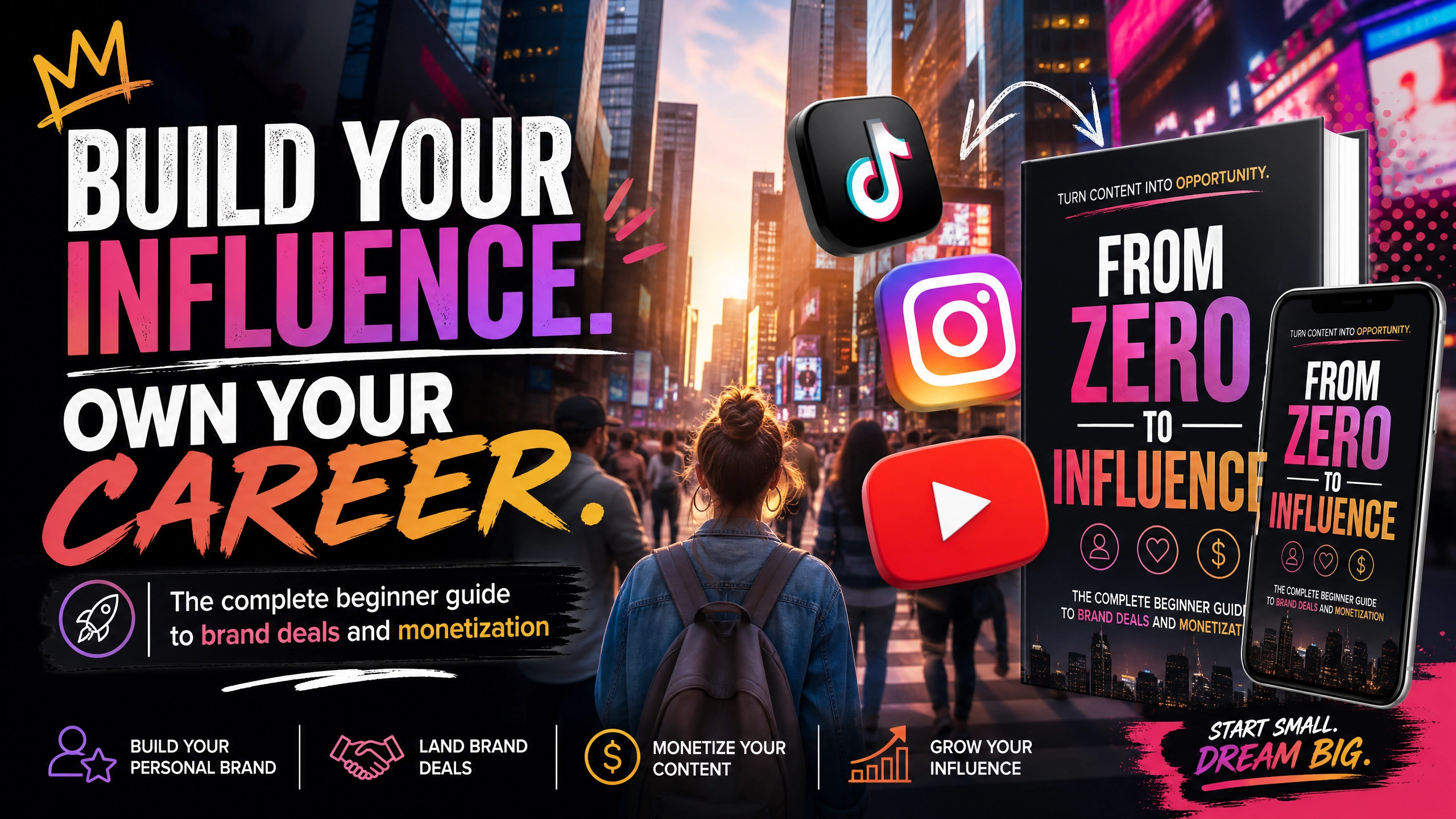
If you’re just starting out and feel overwhelmed by rates, pitches, and contracts, I put together a beginner-friendly roadmap to help you build a real influencer career step by step:
The Complete Beginner’s Guide to Building a KOL/Influencer Career
Trust me, having a clear plan before your first negotiation is a total game-changer.
Final Thoughts
Brand budgets for creators are growing, getting their own budget lines, and shifting toward results you can prove. That rewards creators who treat their channel like a small business: tracking numbers, negotiating smartly, and building real relationships with brands. You don’t need a million followers. You need a clear offer, a proof pack, and the confidence to ask for what you’re worth.










Leave a Reply