

A few years ago, the idea of running a business by myself would have sounded exhausting. Writing, designing, marketing, customer emails, bookkeeping, social media… I’d have needed a team of five just to get through a Monday. Then I watched what happened when I started treating AI like a tireless assistant instead of a gimmick, and the whole equation changed.
I remember the first time I asked an AI tool to help me outline a product, draft a sales page, and brainstorm a week of content in a single sitting. A job that used to eat my entire weekend took about two hours. Was the first draft perfect? No. But it was a starting point, and starting points are what stop most of us from ever launching.
That’s the real promise of the modern solopreneur: you can build something meaningful alone, with a lean budget and a flexible schedule, if you pair your human judgment with the right tools. AI doesn’t replace your taste, your story, or your relationships. It replaces the blank page and the busywork.
In this comprehensive guide, I’ll show you how to start a one-person business with AI in 2026. We’ll cover what an AI-powered solopreneur actually does, how to choose a profitable idea, which tools to put in your stack, how to create your first offer, how to automate the boring stuff, and how to market and price your work, plus the mistakes to avoid. Let’s get started.
What Is an AI-Powered Solopreneur?
A solopreneur is someone who runs a business alone, without employees. You’re the founder, the creator, the marketer, and the customer service department. An AI-powered solopreneur uses artificial intelligence tools to handle a big portion of the repetitive and time-consuming work, so one person can do what once took a small team.
Here’s what AI is genuinely good at for solo business owners:
- Drafting: First versions of emails, blog posts, product descriptions, and scripts.
- Brainstorming: Product ideas, titles, hooks, and content angles.
- Organizing: Turning messy notes into outlines, checklists, and step-by-step guides.
- Repurposing: Turning one piece of content into five (a blog post into emails, social posts, and a short video script).
- Research support: Summarizing information and surfacing questions your customers might have.
And here’s what AI is not good at: understanding your unique story, building trust with your audience, or knowing when something doesn’t sound like you. That’s your job. Think of AI as a very fast intern. Brilliant at a first draft, but it always needs your review.
Pro tip: Always edit AI output with your own voice, facts, and examples. Readers can tell when content is generic, and so can search engines.

Step 1: Pick a Business Idea That Solves a Real Problem
I’ve made this mistake: falling in love with an idea before checking whether anyone wanted it. The best solopreneur businesses start with a problem, not a product.
Use this simple filter to evaluate any idea:
- Who is it for? Name a specific person, such as “new moms returning to work” or “freelance designers who hate invoicing.”
- What painful problem do they have? Look for frustration, confusion, or lack of time.
- Are they already spending money to solve it? Existing demand beats imagination every time.
- Can I deliver it alone? Pick something you can create and fulfill without hiring.
- Do I have a credible edge? Experience, a unique perspective, or a personal journey.
Here are low-startup-cost business models that suit AI-powered solopreneurs:
- Digital products: Templates, planners, prompt packs, mini-courses, and ebooks.
- Content creation: Newsletters, blogs, and social channels that earn through products or partnerships.
- Freelance services with AI leverage: Copywriting, social media management, research, and design, delivered faster.
- Coaching and consulting: Packaging your expertise into a clear program.
- Niche communities and memberships: A paid space around a specific topic.
My advice: If you’re new, start with a digital product or a simple service. They have the lowest risk, the fastest feedback, and you can launch in weeks, not months.
Step 2: Build Your AI-Powered Tool Stack
You don’t need fifteen apps. A common beginner trap is buying every shiny subscription and then using none of them. Start with a lean core stack and expand only when a task becomes painful.
The essentials:
- An AI assistant: A tool like Claude or another AI chatbot for drafting, brainstorming, and organizing. Pick one and learn it deeply before adding more.
- A design tool: Canva handles social graphics, ebook covers, and simple documents. I use Canva Pro ($119/year) for most of my visuals, but the free plan is a great way to begin.
- A place to sell: Gumroad, Payhip, or Etsy let you sell digital products with no coding at all.
- Email marketing: ConvertKit or MailerLite so you can build a list you own.
- A notes and project tool: Notion, Google Docs, or even a simple notebook to track ideas and tasks.
- A scheduler: A free social scheduling tool or your platform’s native scheduler for batching posts.
Here’s what I learned: The tool matters far less than the process. A simple stack used consistently will always beat a complicated stack you never open.

Step 3: Use AI to Validate Before You Build
Validation means checking that people actually want your idea before you spend weeks creating it. AI makes this faster, but it can’t replace talking to real humans. Combine both.
- Ask AI to map your audience’s problems. Prompt it with something like: “List the top 15 frustrations a [specific audience] has with [topic], ranked by urgency.” Treat the answers as hypotheses, not facts.
- Check real conversations. Browse Facebook groups, Reddit threads, Pinterest searches, and comment sections. Notice the exact words people use.
- Look at competitors. Competition is a good sign. Study what they sell, what reviews praise, and what customers say is missing.
- Run a quick pulse check. Post a poll or ask your email list: “Would a [product] help you with [problem]?” Even ten honest replies teach you a lot.
- Pre-sell if you can. Offering your product before it’s finished and getting your first few buyers is the strongest validation there is.
Step 4: Create Your First Offer With AI as Your Co-Pilot
Now the fun part. Let’s say you’re creating a small digital product, such as a workbook, a prompt pack, or a short guide. Here’s the workflow I use, and it works for almost any format.
- Define one clear transformation. “After using this, my customer will be able to ______.” One sentence. Keep it narrow.
- Ask AI to draft an outline. Give it your audience, the transformation, and the format. Ask for 8 to 12 sections.
- Rewrite the outline in your own words. Cut anything fluffy and add your personal stories and examples. This is where your unique value shows up.
- Draft each section. Use AI to produce a rough version, then rewrite for your voice, fix facts, and add specifics.
- Design it. Build the layout in Canva with consistent fonts, colors, and spacing.
- Write your sales page. Use AI to generate headline options and benefit bullets, then choose the ones that sound most like you.
- Upload and launch. List it on your chosen platform with a clear title, a clean cover image, and a friendly description.
Big mistake to avoid: Publishing AI text without review. Always fact-check, personalize, and read the whole thing aloud. If a sentence doesn’t sound like something you’d say, change it.

Step 5: Automate the Boring Stuff (So You Can Focus on Customers)
Time is a solopreneur’s most valuable asset. Every hour you save on repetitive work is an hour you can spend on creating, selling, and resting. Here are the areas where automation pays off fastest:
- Welcome emails: Set up an automated sequence that greets new subscribers and delivers your freebie.
- Product delivery: Most selling platforms deliver digital files automatically after purchase.
- Content repurposing: Use AI to turn one idea into a blog post, an email, three social posts, and a short script.
- Customer FAQs: Keep a document of common questions and your best answers, and reuse them.
- Scheduling: Batch your content on one day and schedule it for the week.
- Admin templates: Create reusable templates for invoices, proposals, and client onboarding.
Start small. Automate one task this week, then another next week. Your business will gradually become a machine that runs even when life gets busy.
Step 6: Market Your Business Without Burning Out
Creating a great product is only half the job. Nobody buys what they can’t find. As a solopreneur, you need a simple marketing routine that you can sustain for the long haul.
Build Around One or Two Channels
I tried to be everywhere at the beginning, and it was a disaster. Pick one main discovery channel (such as Pinterest, SEO blogging, Instagram, or YouTube) and one nurture channel (email). Do those well before adding anything else.
Create Helpful Content Consistently
Share tips, stories, and behind-the-scenes lessons that solve small problems for your audience. Helpful content builds trust, and trust sells.
Grow Your Email List From Day One
A free checklist, template, or mini-guide in exchange for an email address gives you an audience you own. Social platforms change their algorithms overnight, but your list stays with you.
Make Offers Regularly
Many beginners create beautiful content and never actually invite anyone to buy. Mention your product in your emails, posts, and articles. A friendly, honest invitation is not pushy. It’s how people learn you can help them.
Step 7: Price and Sell With Confidence
Pricing paralyzed me for months. Here’s the framework that finally helped.
- Price based on the result, not the page count. A short guide that saves someone ten hours is worth more than a long one that doesn’t.
- Look at the market. Check what comparable products charge, then position yours above, below, or alongside based on depth and quality.
- Start with a fair launch price. You can raise it as you gather testimonials and results.
- Offer clear guarantees. A friendly refund policy reduces buyer fear and often increases sales.
- Use simple tiers. A basic version and a premium version with bonuses lets customers choose what fits.
Collect feedback and testimonials from your first buyers. Social proof is the secret weapon of every small business.

Common Mistakes AI Solopreneurs Make
I’ve made nearly all of these, so learn from my scars:
- Skipping human review. AI can be confidently wrong. Always verify facts, figures, and claims.
- Sounding generic. If your content could belong to anyone, it will convince no one. Add your stories.
- Chasing every new tool. Master your stack before adding anything else.
- Building before validating. Talk to real people first.
- Ignoring email. Your list is your safety net.
- Working without boundaries. One-person businesses can swallow your whole life if you let them. Set work hours and guard your rest.
Also, remember to check the terms and rules of the platforms and tools you use, including rules about AI-generated content and what you’re allowed to sell.
The Fastest Way to Learn: Three Ebooks Worth Your Time
I could keep going for another ten thousand words, but the truth is, a focused roadmap beats scattered tips every time. If you want to move faster and skip the confusing detours, here are three guides I’d put in your hands first.
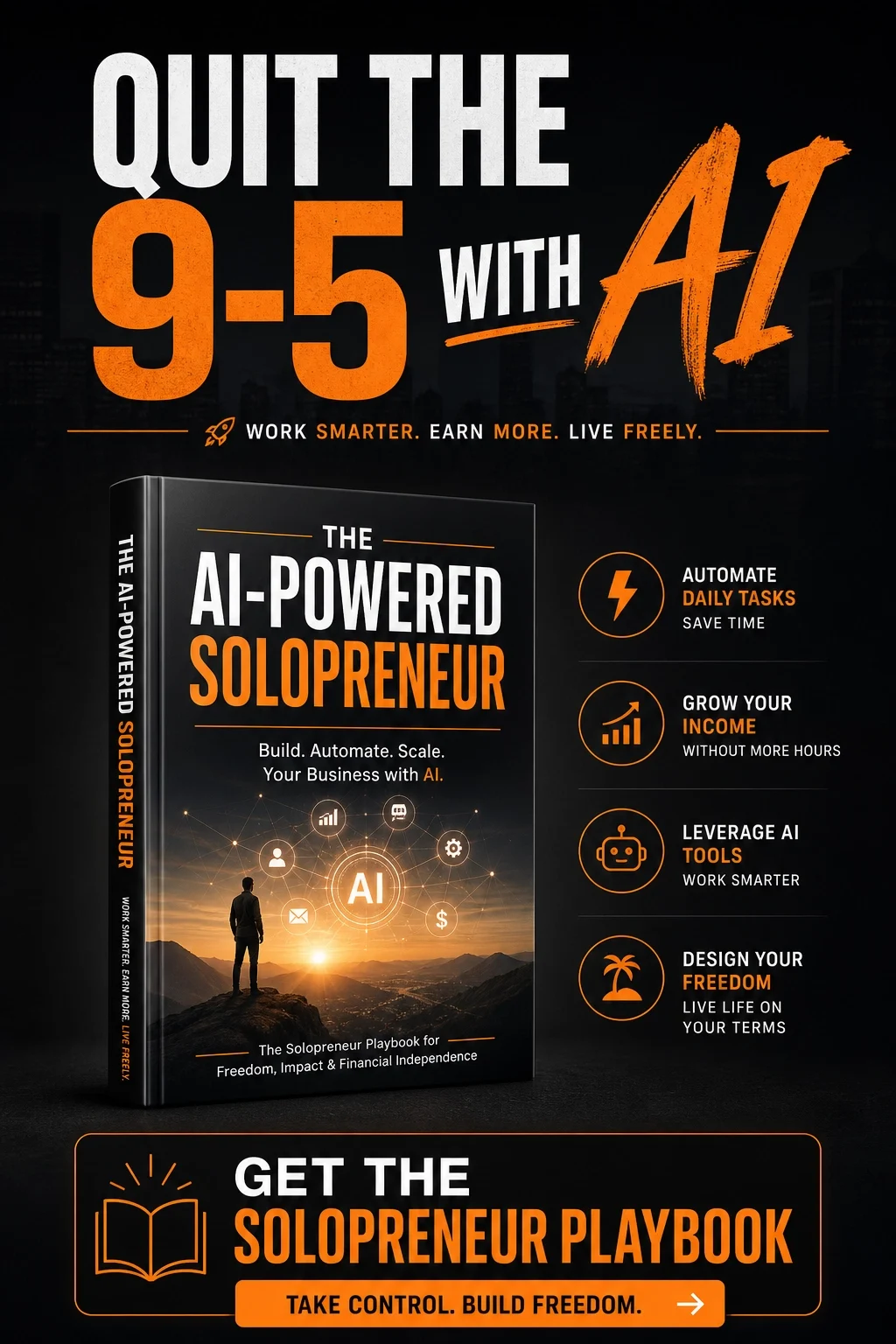
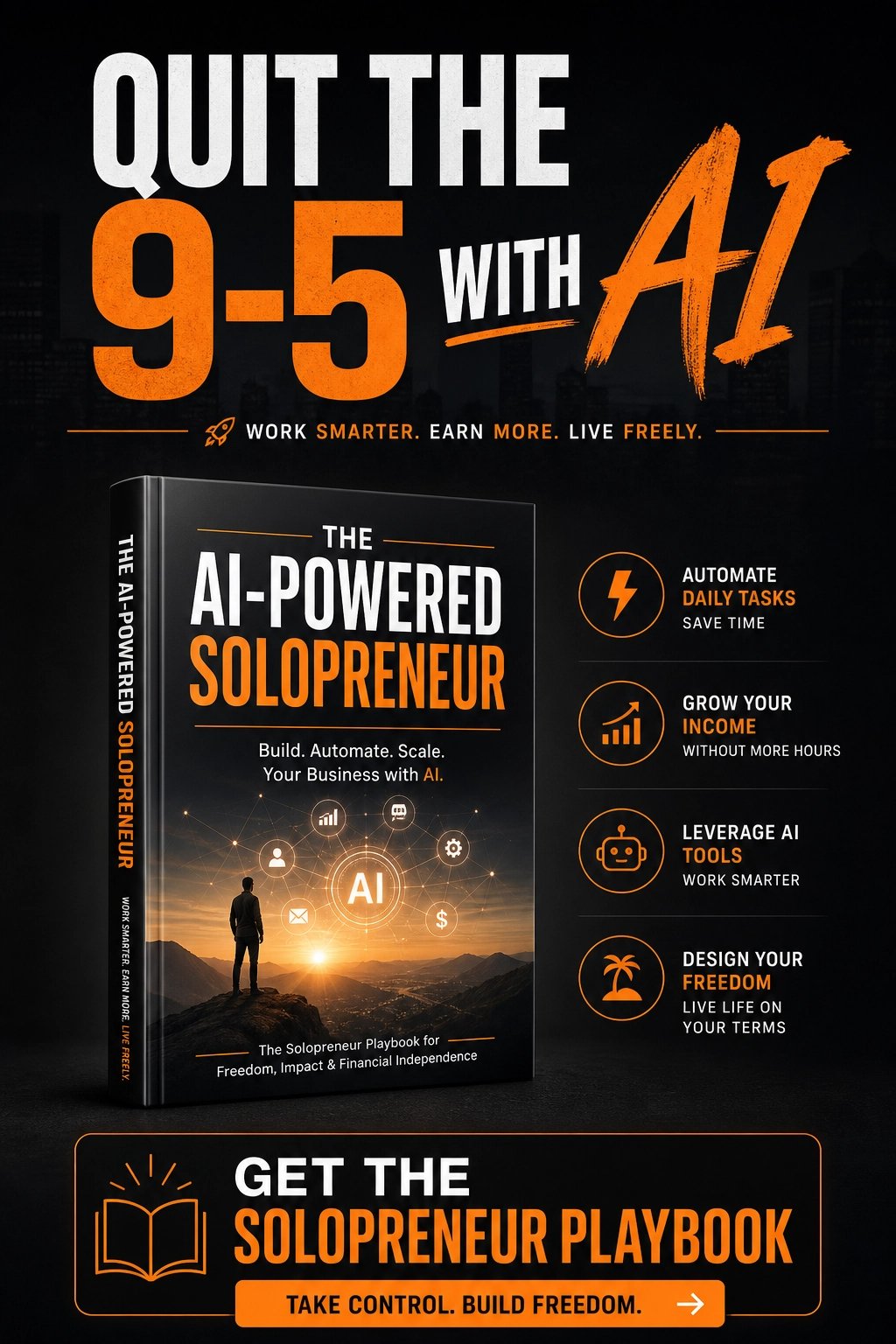
1. The AI-Powered Solopreneur This is your complete starting point. It shows how to build and run a lean one-person business with AI doing the heavy lifting, so you can stay focused on what only you can do.
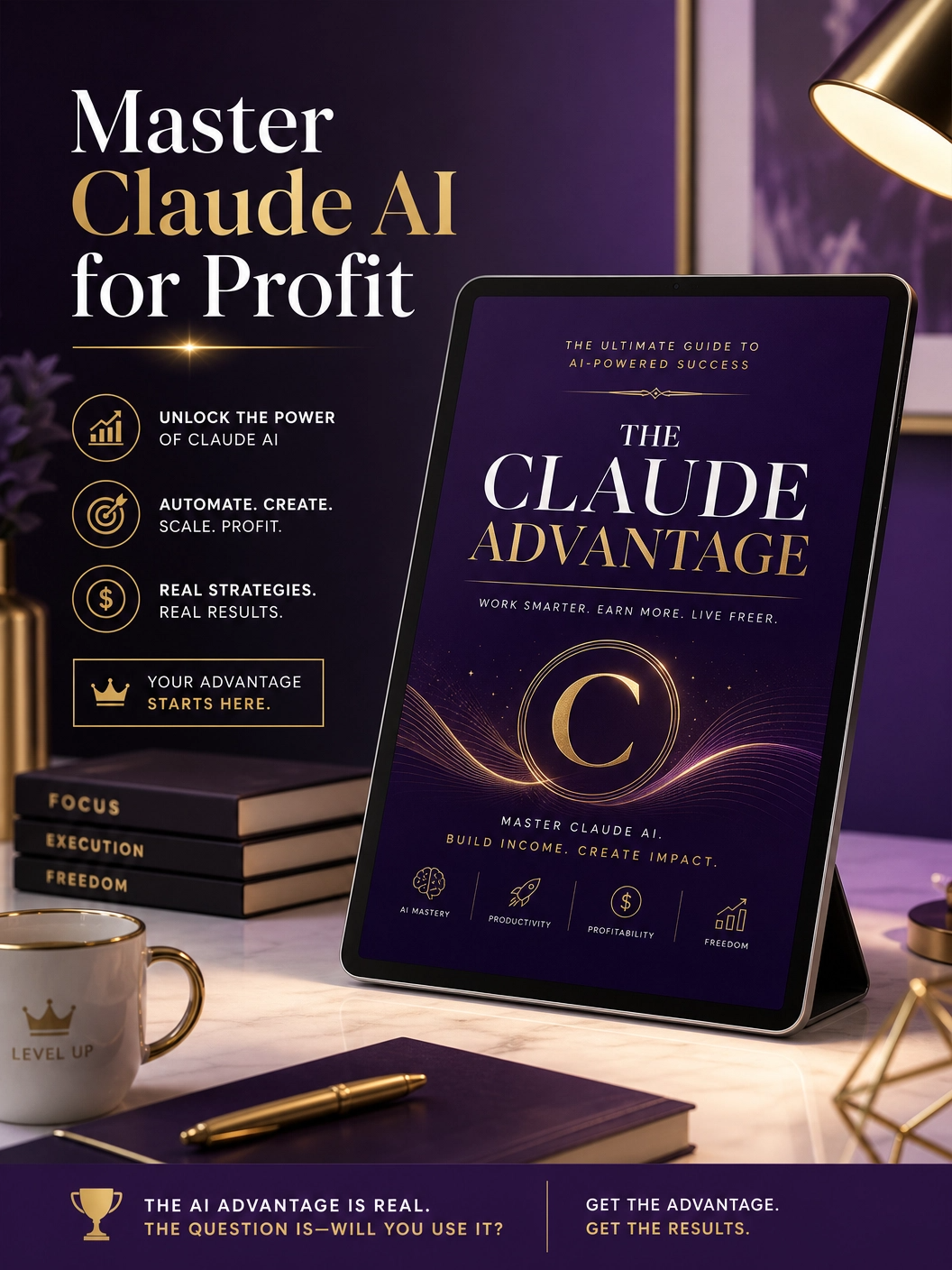
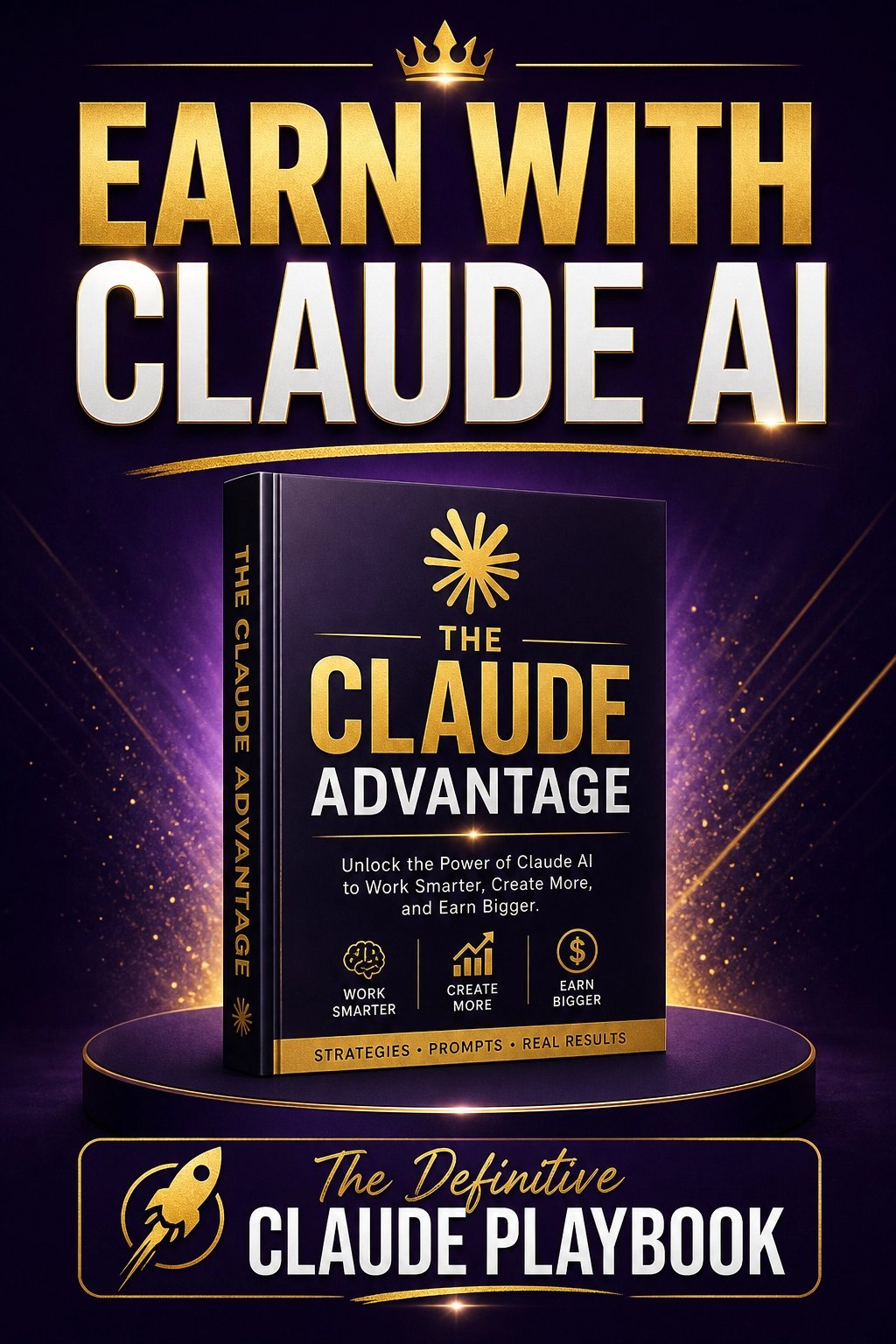
2. The Claude Advantage If you want to turn an AI assistant into a real income tool, this one’s for you. It focuses on using Claude to build digital products, from prompt packs and templates to mini-courses and guides, and it’s designed to take you from idea to Gumroad listing fast.
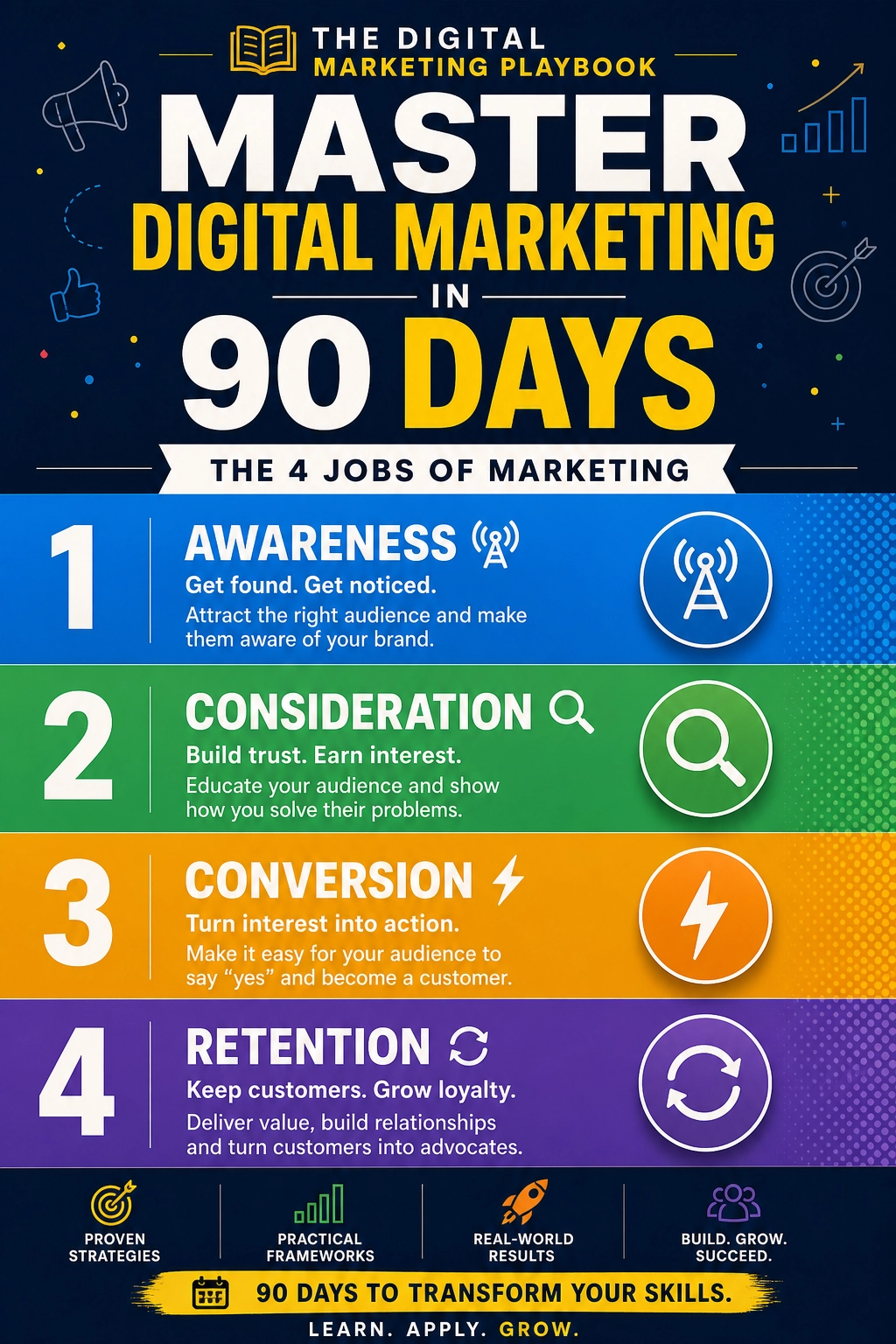
3. The Digital Marketing Playbook Building the product is only half the battle. This playbook covers how to grow your audience and turn clicks into customers, from SEO and content to social media, email, paid ads, and AI.
Trust me: a business without a plan eats time and money, but a business with a roadmap compounds. Each of these ebooks is an instant download you can start reading today. Choose the one that fits your biggest bottleneck right now, whether that’s the idea, the building, or the marketing, and take action while your motivation is high.
Your One-Person Business Starts With One Decision
Starting a one-person business with AI isn’t about replacing yourself with a robot. It’s about borrowing superpowers so your real strengths, your story, your taste, and your care for customers, can reach more people with less burnout. You don’t need a team, a huge budget, or a perfect plan. You need a clear problem to solve, a lean tool stack, and the willingness to publish before you feel ready.
This week, choose your audience and your problem. Open your AI assistant and outline your first small offer. Set up your free email list and schedule one post. Then get a roadmap in your hands so you’re not building alone.
The solopreneurs who win in 2026 won’t be the ones with the most tools. They’ll be the ones who started. Go build something you’re proud of, Lady Boss. I’ll be cheering for you.




Leave a Reply