


Let me share something embarrassing. For the first few years of motherhood, I avoided opening my banking app the way I avoided the pile of mismatched socks in the laundry room. If I didn’t look, it couldn’t hurt me, right?
Boy, was I wrong. One afternoon, a payment bounced at the grocery store checkout with my toddler melting down in the cart and a line of people behind me. My face burned. I walked out with half my groceries and a hard truth: not knowing my numbers wasn’t protecting me. It was costing me.
That day became my turning point. I sat down that night, opened every account, and finally looked at what was really going on. It wasn’t pretty, but it was clear, and clarity is where financial control begins. Fast forward to today, and money no longer feels like a monster under the bed. It feels like a tool I understand.
If you’re a busy mom who feels overwhelmed by bills, grocery prices, and the nagging feeling that you “should” have this figured out by now, this guide is for you. I’ll walk you through how to create a family budget that actually works for real life, including the chaos, the surprise expenses, and the days when you have exactly four minutes to think about money. We’ll cover how to find your numbers, choose a budgeting method, build an emergency fund, tackle debt, trim everyday costs, and boost your income so your budget has room to breathe.
A quick note: I’m sharing what has worked in my own life, not professional financial advice. For decisions about debt, taxes, or investing, a licensed financial professional can look at your specific situation.
Why Most Family Budgets Fail (And Why Yours Won’t)
I’ve started and abandoned at least four budgets in my life. Each one failed for the same reasons, and I bet you’ll recognize them:
- Too complicated. A spreadsheet with 47 categories lasted about nine days.
- Too strict. I cut out every “fun” expense, felt deprived, and binged on spending.
- Built for a single person. Kids bring unpredictable costs like birthday parties, growth spurts, and sick days.
- Created alone. My partner didn’t know the plan, so we kept working against each other.
- No room for real life. One surprise car repair blew the whole thing up.
Here’s what changed: I stopped trying to be a “perfect budgeter” and started building a flexible system. A good family budget isn’t a punishment. It’s a permission slip that tells you exactly how much you can spend guilt-free and where the rest of your money should go.
Step 1: Find Your Real Numbers
You can’t plan a trip without knowing where you’re starting. Before you build anything, gather the facts. This step feels uncomfortable, but it takes about an hour, and it’s the most powerful hour in the whole process.
- Pull the last three months of statements. Bank accounts, credit cards, and any payment apps. Three months smooths out the weird months.
- Calculate your average monthly income. Include paychecks, side income, child support, and any regular deposits. If your income varies, use your lowest recent month as your baseline.
- List your fixed expenses. These stay roughly the same each month: rent or mortgage, insurance, car payment, phone, internet, childcare, and subscriptions.
- List your variable expenses. Groceries, gas, dining out, kids’ activities, clothing, and household supplies.
- List your debts. Write down each balance, interest rate, and minimum payment.
Pro tip: Do this with a cup of tea and zero judgment. You’re gathering data like a detective, not scolding yourself like a critic. Whatever you find, it’s just information, and information can be changed.

Step 2: Choose a Budgeting Method That Fits Your Life
There’s no single “right” way to budget. The best method is the one you’ll actually stick with. Here are the three I recommend most for busy moms.
The 50/30/20 Method
You divide your after-tax income into three buckets: roughly 50% for needs (housing, groceries, utilities), 30% for wants (dining out, hobbies, entertainment), and 20% for savings and debt payoff. It’s simple and great for beginners. Keep in mind that families in high-cost areas may find the “needs” bucket runs higher than 50%, and that’s okay. Adjust the percentages to fit reality.
Zero-Based Budgeting
Every dollar gets a job. Your income minus your planned spending equals zero, meaning you’ve assigned every dollar to a bill, a savings goal, or a spending category. This method gives you maximum control, and it’s perfect if your money tends to “disappear.”
The Envelope (or Cash-Stuffing) System
You assign a set amount of cash or digital envelopes to categories like groceries, gas, and fun money. When an envelope is empty, spending stops. It’s a game-changer for people who overspend in a particular category, like me with Target runs.
My approach: I use a hybrid. I run zero-based budgeting for the overall plan and use digital envelopes for my weak spots, which are groceries and “just a few little things” shopping.
Step 3: Build Your Budget in 30 Minutes
Once you’ve picked a method, build your budget with this simple walk-through.
- Write your monthly income at the top.
- List non-negotiables first: housing, utilities, insurance, minimum debt payments, groceries, transportation, and childcare.
- Add your savings goals before your wants. Pay yourself first, even if it’s a small amount.
- Add a “wants” line with real money in it. A budget without fun money fails by week three.
- Add a “life happens” line. I call mine the “oops fund.” Kids lose shoes, cars need tires, and teeth break. A small monthly buffer keeps these moments from derailing your plan.
- Check your math. If expenses exceed income, trim wants and look at fixed costs before you panic. If there’s money left, give it a job.
Use whatever tool you like: a free spreadsheet, a budgeting app, or even a notebook. I know moms who run their entire household budget from a paper planner, and it works beautifully for them.

Step 4: Build an Emergency Fund (Start Tiny)
When I first heard “save three to six months of expenses,” I laughed out loud. With two kids and one income at the time, that felt like being asked to climb Everest in flip-flops.
So I started with a micro-goal. Here’s the ladder that worked for me:
- Level 1: Save a small starter cushion, such as one week of essential expenses. This alone prevents most minor emergencies from hitting a credit card.
- Level 2: Build up to one month of essential expenses.
- Level 3: Grow toward three to six months over time.
Open a separate savings account, ideally at a different bank than your checking, so it’s slightly harder to touch. Automate a transfer on payday, even if it’s only $10 or $20. Small and consistent beats big and occasional. I wish someone had told me that the habit matters more than the amount in the beginning.
Step 5: Tackle Debt Without Losing Your Mind
Debt can feel heavy, especially when you’re raising kids. Let me share the two most popular strategies so you can choose the one that fits your personality.
- Debt snowball: Pay minimums on everything, then throw extra money at your smallest balance first. When it’s gone, roll that payment into the next smallest. You get quick wins, which keeps motivation high.
- Debt avalanche: Pay minimums on everything, then attack the highest interest rate first. You save more money over time, but wins come slower.
Neither is wrong. If you need momentum, choose the snowball. If you’re motivated by math, go with the avalanche. Whichever you pick, make sure you never miss minimum payments, because late fees and penalty interest quietly undo your progress.
If you’re drowning, you aren’t alone, and there’s no shame in it. Nonprofit credit counseling services can review your situation and explain your options. Reaching out takes courage, and it’s often the smartest financial move you can make.

Step 6: Trim Everyday Costs Without Feeling Deprived
You don’t need to live on rice and beans. You just need to find the “leaks” in your spending. Here are the areas that gave me the biggest wins:
- Groceries: Plan meals around what’s already in your fridge, write a list, and shop once a week instead of five times. Impulse buys sneak in with every extra trip.
- Subscriptions: Audit them every quarter. I once found three I’d completely forgotten about, quietly draining my account.
- Insurance and phone plans: Compare quotes once a year. Loyalty rarely gets rewarded with lower prices.
- Kids’ clothes and gear: Use secondhand shops, swap groups, and hand-me-downs. Kids outgrow things before they wear them out.
- Energy use: Small habits like using a programmable thermostat and washing clothes in cold water add up over a year.
- Entertainment: Libraries, free community events, and park days beat expensive outings and make better memories.
Here’s what I learned: Don’t cut everything at once. Pick two categories per month to improve. Small shifts you can keep up beat dramatic cuts you abandon.
Step 7: Grow Your Income So Your Budget Can Breathe
Here’s the part most budgeting articles skip. You can only trim so much. At some point, the fastest way to strengthen your family’s finances is to bring in more money.
For many moms, that means a flexible online side income: freelancing, selling digital products, or building a small business around skills they already have. Even an extra few hundred dollars a month can fund your emergency savings, wipe out a credit card, or cover those “oops fund” moments without stress.
Treat any extra income as a deliberate boost: assign it to your top financial goal before you’re tempted to spend it. I started with a simple rule where half of every side-income dollar went to debt or savings, and the rest I could enjoy. It kept me motivated and moving forward.

Step 8: Make Money a Team Sport
If you have a partner, money conversations can be tense. Here’s how to keep them calm and productive:
- Schedule a monthly “money date.” Thirty minutes, snacks included, same time each month.
- Start with wins. Celebrate what went well before tackling problems.
- Agree on shared goals. Debt-free by a specific date, a family vacation, a down payment. Shared goals turn arguments into teamwork.
- Set a personal spending allowance for each of you, no questions asked. It prevents resentment.
- Talk to your kids, at an age-appropriate level. Simple lessons like saving for a toy or comparing prices at the store build money habits they’ll carry for life.
The Tools That Take You From Budgeting to Building Wealth
Reading about money is a great start, but the moms who actually change their finances usually follow a clear roadmap. Here are three ebooks I recommend if you’re ready to go deeper.
1. The Smart Mom’s Complete Guide to Money This is the one to start with. It’s written for moms who want to take control of their money, from budgeting and saving to building a stronger financial future for the whole family. If this article felt useful, this guide takes you much further.

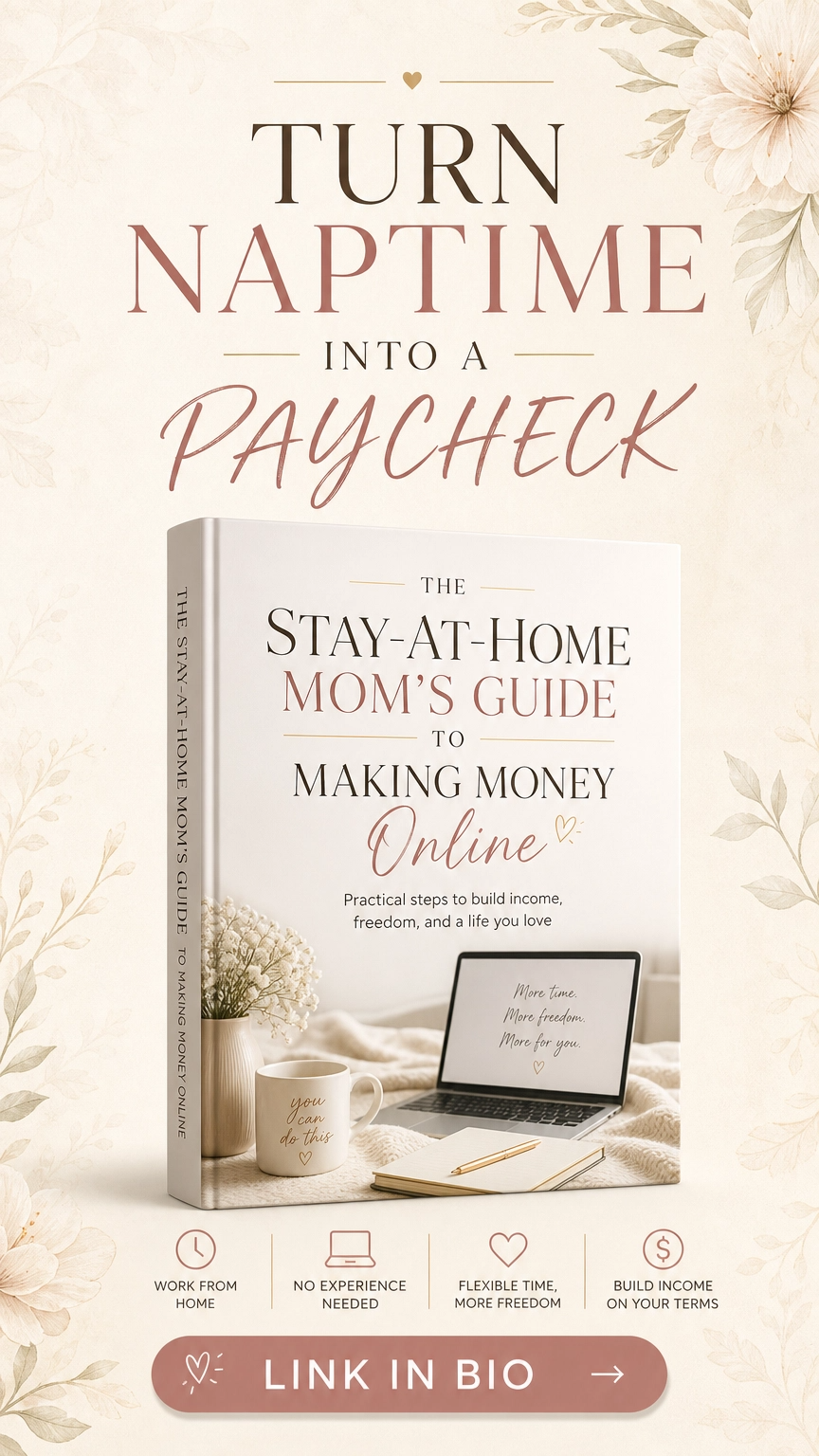
2. The Stay-At-Home Mom’s Guide to Making Money Online A budget works best when income grows alongside it. This ebook shows you practical ways to earn from home so you can fund your goals faster.
3. The AI-Powered Solopreneur If you want to build a flexible business without working around the clock, this guide shows how to use AI tools to save time and do more with less.

Trust me on this: you don’t have to figure out money alone, and you don’t have to learn everything the hard way like I did. A small investment in the right guide often pays for itself with just one smart decision.
Start Your Family Budget Tonight
Creating a family budget isn’t about restriction. It’s about freedom, the freedom to buy groceries without panic, handle surprises without crumbling, and plan for the things you actually want. You don’t need perfect math or a free weekend. You need one hour, your account statements, and a willingness to look.
Tonight, gather your numbers. Tomorrow, choose a method and build a simple plan. This week, open that tiny emergency fund and set up one automatic transfer. Then grab a guide that gives you a complete roadmap so you can keep growing month after month.
That checkout-line moment doesn’t have to define your story. It can be the moment you decided to take your power back. Go do it, Lady Boss. Your future family will thank you.










Leave a Reply