


Imagine getting paid while you sleep because someone read your article at 2 a.m., trusted your recommendation, and bought a product through your link. That’s the promise of affiliate marketing, and it’s one of the most beginner-friendly ways to build an online income.
But let’s be real: affiliate marketing isn’t a get-rich-quick scheme. The people who succeed treat it like a real business. They choose a focused niche, build an asset they own, create genuinely helpful content, and stay consistent long enough for the results to compound.
In this beginner’s guide, I’ll show you exactly how affiliate marketing works and how to build your own affiliate website from scratch. You’ll learn how to choose a niche, set up your site, create content that ranks in Google, and turn readers into commissions. Let’s get started.
What Is Affiliate Marketing?
Affiliate marketing is a performance-based model. You promote another company’s product or service using a unique tracking link. When someone clicks your link and makes a purchase (or takes another qualifying action), you earn a commission. The customer pays the same price, and you get rewarded for connecting them with a solution.
The basic players:
- The merchant: The company that sells the product.
- The affiliate (you): The person who recommends it.
- The customer: The person who buys.
- The affiliate network or program: The system that tracks sales and pays commissions.

Why beginners love it:
- No product creation. You promote existing products.
- Low startup costs. You mainly need a website.
- No inventory or shipping. The merchant handles delivery.
- Flexible. Work from anywhere, on your schedule.
- Scalable. One great article can earn commissions for years.
Where Do Affiliates Actually Make Money?
Most successful affiliates earn through content that helps people make a buying decision. The main content types include:
- Product reviews: Honest, detailed evaluations of a single product.
- Comparison posts: “X vs. Y” articles that help readers choose.
- Best-of roundups: “Best tools for…” lists.
- Tutorials and how-to guides: Step-by-step content that naturally features tools.
- Resource pages: Curated lists of the tools and services you recommend.
Notice the theme: usefulness first, selling second. Readers can tell when you’re forcing a pitch. When you genuinely help, trust grows, and trust converts.
Step 1: Choose a Profitable, Sustainable Niche
Your niche determines your audience, your competition, and your earning potential. The best niches balance three factors:
- Interest. You can create content on it consistently without burning out.
- Demand. People are actively searching for information and solutions.
- Affiliate opportunities. There are relevant products with reasonable commissions.
Evergreen categories tend to perform well: web hosting and online business tools, personal finance, health and wellness, home and garden, parenting, pets, travel, education, and productivity software.
Go narrow. Instead of “fitness,” think “home workouts for busy moms.” Instead of “software,” try “project management tools for small agencies.” A narrow niche makes it easier to rank, build authority, and attract a loyal audience.
Test your niche: Search for your topic in Google. Are there existing affiliate sites, forums, and buyer-intent searches like “best,” “review,” and “vs”? That’s generally a sign there’s a market.

Step 2: Choose Affiliate Programs
Once you have a niche, find products worth promoting. Look for:
- Reputable companies with quality products you’d be comfortable recommending.
- Fair commission structures. Compare payout rates and whether commissions are one-time or recurring.
- Reasonable cookie durations, which determine how long after a click you can still earn credit.
- Reliable payment terms and clear rules.
- Support materials such as banners and guidelines.
Only promote what you’d genuinely use or recommend to a friend. Your reputation is your most valuable asset.
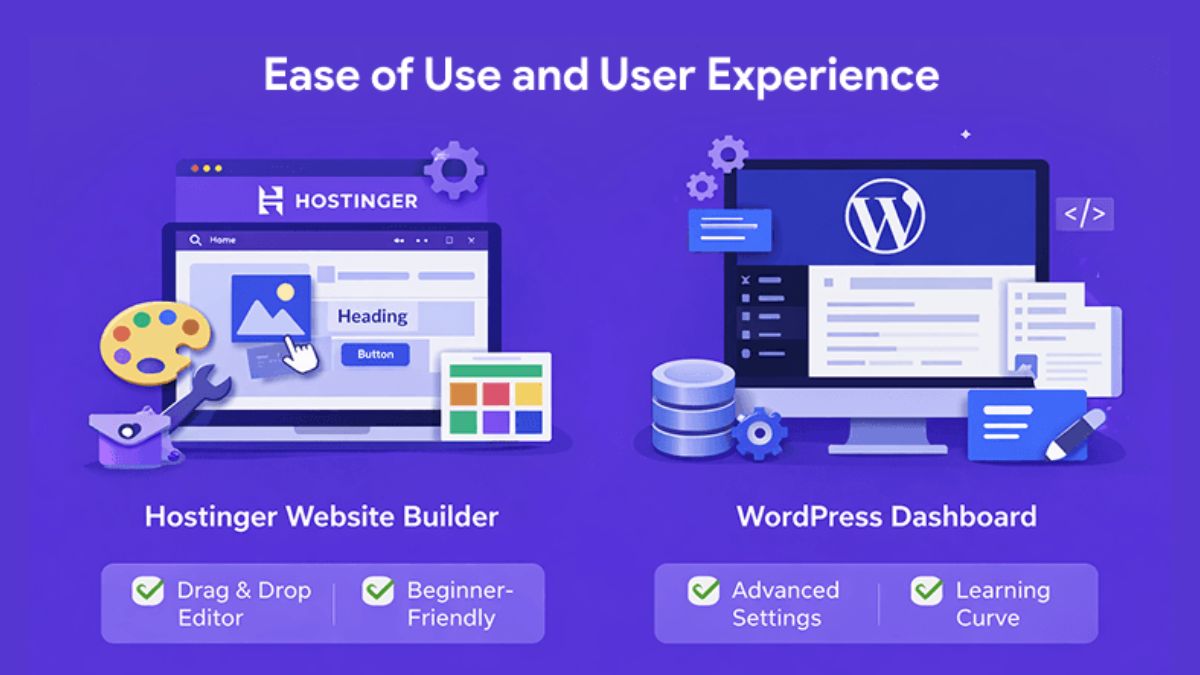
Tip: Web hosting, website tools, and online business services are great affiliate categories for beginners, because your audience is often building their own websites and needs these tools right away. For example, when I write about building websites, I recommend Hostinger, because it’s a service I believe is a strong fit for beginners.
Step 3: Build Your Affiliate Website (The Right Way)
Your website is your foundation. While it’s tempting to promote links only on social media, a website gives you something priceless: an asset you own, with search traffic that can keep flowing without paying for ads.
Here’s how to launch yours.
Get Reliable Hosting
Hosting stores your website and delivers it to visitors. Slow or unreliable hosting hurts user experience and can weaken your rankings, which means fewer clicks on your affiliate links.
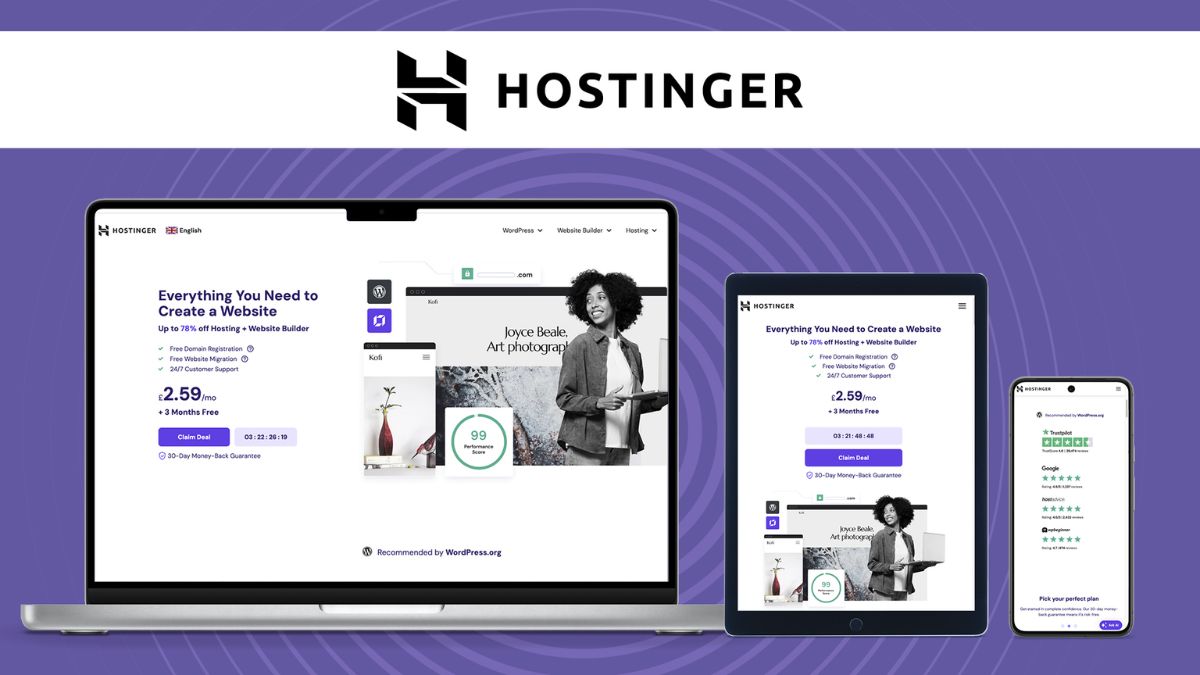
I recommend Hostinger for affiliate marketers because it delivers the essentials at a budget-friendly price:
- Affordable plans that keep your startup costs low
- Fast performance with LiteSpeed technology and caching support
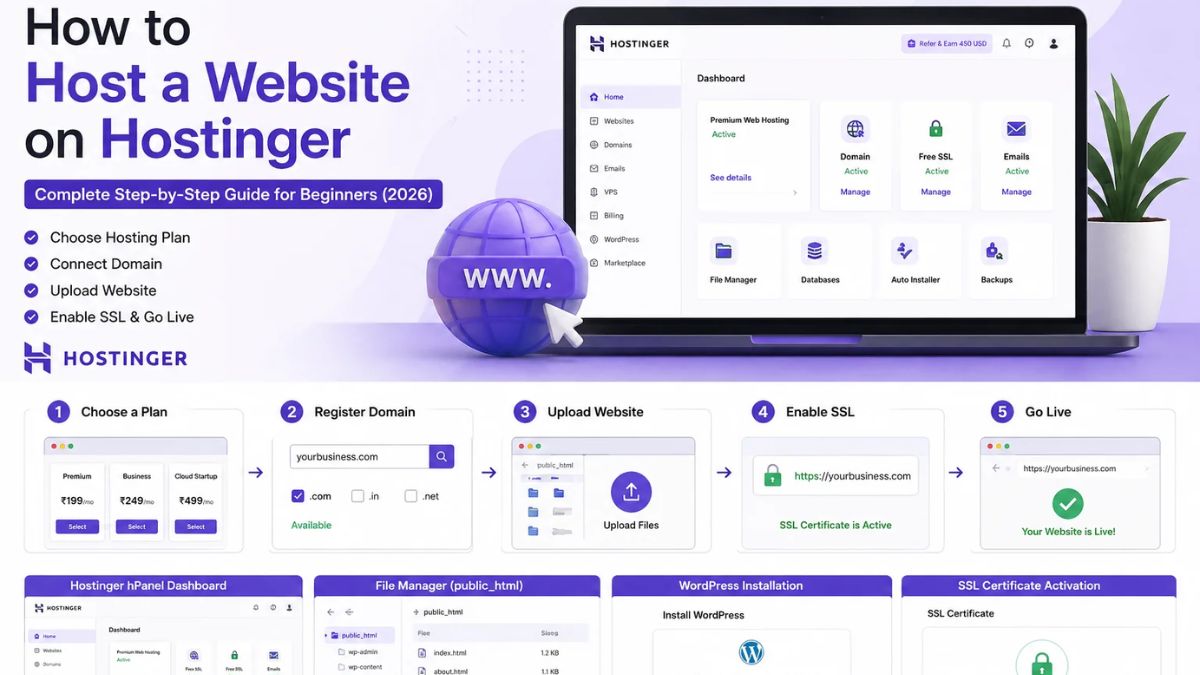
- One-click WordPress installation
- Free SSL certificate for security and trust
- Free domain on eligible plans
- Ability to host multiple websites on higher-tier shared plans, ideal if you plan to build more than one niche site
- 24/7 live chat support
- 30-day money-back guarantee
👉 Set up your affiliate website with Hostinger here.
Pick a Domain
Choose a brandable, easy-to-remember name that fits your niche but leaves room to grow. Avoid stuffing keywords awkwardly, and pick a .com when possible.
Install WordPress
Use Hostinger’s guided setup to install WordPress in a few clicks. WordPress is ideal for affiliate sites because of its flexibility, SEO tools, and massive plugin ecosystem.
Choose a Lightweight Theme and Essential Plugins
Pick a fast, clean theme such as Astra or Kadence. Then add only the plugins you need: an SEO plugin, a caching tool, a security plugin, and possibly a table or comparison plugin for product roundups.
Create Trust Pages
Every affiliate site needs:
- About page: Build credibility and explain who you help.
- Contact page
- Privacy Policy
- Affiliate disclosure page: Required by law in many places, and essential for transparency.
- Disclaimer or Terms

Step 4: Do Keyword Research
Content without keyword research is like shouting into an empty room. You need to know what your audience is typing into Google.
Focus on keywords with buyer intent:
- “Best [product] for [audience]”
- “[Product] review”
- “[Product A] vs [Product B]”
- “How to [solve a problem] with [tool]”
- “[Product] alternatives”
Use these free or affordable methods:
- Google Autocomplete and “People Also Ask”
- Google Search Console (once your site has data)
- Free keyword tools and browser extensions
- Forums and communities where your audience asks questions
As a beginner, target low-competition, long-tail keywords. They’re easier to rank for and often convert better, because the searcher knows precisely what they want.

Step 5: Create Content That Ranks and Converts
Great affiliate content does two jobs: it helps readers and it earns their trust enough to click your recommendation.
A winning affiliate post structure:
- A strong intro that identifies the reader’s problem.
- A quick recommendation or summary so busy readers get value fast.
- Detailed sections covering features, benefits, pros, cons, and who it’s best for.
- Real experience and evidence, such as screenshots, examples, and specifics.
- Comparison tables for easy scanning.
- A clear call to action with your affiliate link.
- An FAQ section to capture extra search traffic.
Rules for great content:
- Be honest. Include downsides. Readers trust balanced reviews far more than hype.
- Prioritize helpfulness. Answer the reader’s question completely.
- Write in a natural, conversational voice.
- Use headings, short paragraphs, and lists for easy reading.
- Add helpful images and formatting.
- Update older posts as products and prices change.
Publish consistently. Aim for a steady schedule, and focus on building a library of useful posts rather than chasing viral hits.

Step 6: Place Affiliate Links Strategically
Where and how you place links affects your click-through and conversion rates.
- Put links naturally within the content where they’re relevant.
- Add buttons or call-to-action boxes after key sections.
- Include links in comparison tables.
- Place a link in your conclusion, where readers are ready to act.
- Don’t overdo it. A page crowded with links feels spammy.
Always use your official affiliate links, and disclose the relationship clearly. Transparency is both a legal requirement in many regions and a trust-builder with readers.
Step 7: Drive Traffic
Even excellent content needs visibility. Focus on sustainable, low-cost channels:
- SEO: The backbone of most successful affiliate sites. It takes time, but the payoff compounds.
- Pinterest: A search-driven platform that works well for many niches.
- Email list: Collect subscribers and send helpful content and recommendations. This is an audience you own.
- YouTube and short-form video: Great for tutorials and reviews.
- Social media and communities: Share value and avoid spammy self-promotion.
Start with one or two channels. Depth beats spreading yourself thin.

Step 8: Track, Learn and Scale
Your first months are for learning. Use analytics to identify:
- Which posts get the most traffic
- Which links get the most clicks
- Which topics resonate with your audience
- Where visitors drop off
Double down on what works. Update top-performing posts, expand into related topics, and build an email nurture sequence. As your site grows, you can add new income streams such as display ads, digital products, or services.
Common Affiliate Marketing Mistakes to Avoid
- Chasing only high commissions. Choose products your audience truly needs.
- Skipping disclosure. Always be transparent.
- Promoting products you haven’t researched. Your credibility is on the line.
- Choosing bargain-bin hosting. Slow or unreliable sites lose traffic and trust. Build on a solid host like Hostinger.
- Expecting instant results. Most sites take months to gain traction.
- Thin content. Shallow posts rarely rank or convert.
- Ignoring email. Social platforms change, but your list is yours.
Frequently Asked Questions
Can beginners really succeed at affiliate marketing? Yes, but it takes patience, consistency, and a willingness to learn. Results vary, and there are no guarantees.
How much does it cost to start? Your main expenses are hosting and a domain. With an affordable host like Hostinger and a free domain on eligible plans, startup costs are low compared with most businesses.
Do I need a website for affiliate marketing? Not strictly, but a website gives you ownership, SEO traffic, and long-term stability that social-only strategies can’t match.
How long does it take to earn my first commission? It varies by niche, effort, and content quality. Some people see early results within a few months; others take longer.
Do I need to disclose affiliate links? Yes. Disclosure is required in many regions and builds reader trust.
Can I run multiple niche sites on one hosting plan? Higher-tier shared plans on Hostinger allow multiple websites, which is handy if you plan to expand.
Start Building Your Affiliate Asset Today
Affiliate marketing rewards the people who start, stay consistent, and put readers first. You don’t need to be an expert or have a big budget. You need a niche, a website, and a commitment to helping people make good decisions.
The first move is simple: secure your hosting and domain, install WordPress, and begin creating content.
👉 Launch your affiliate website with Hostinger today.
With a 30-day money-back guarantee and 24/7 live chat support, there’s very little risk in getting started. Your audience is searching right now for the advice you can give. Go build the site that helps them find it.









Leave a Reply