

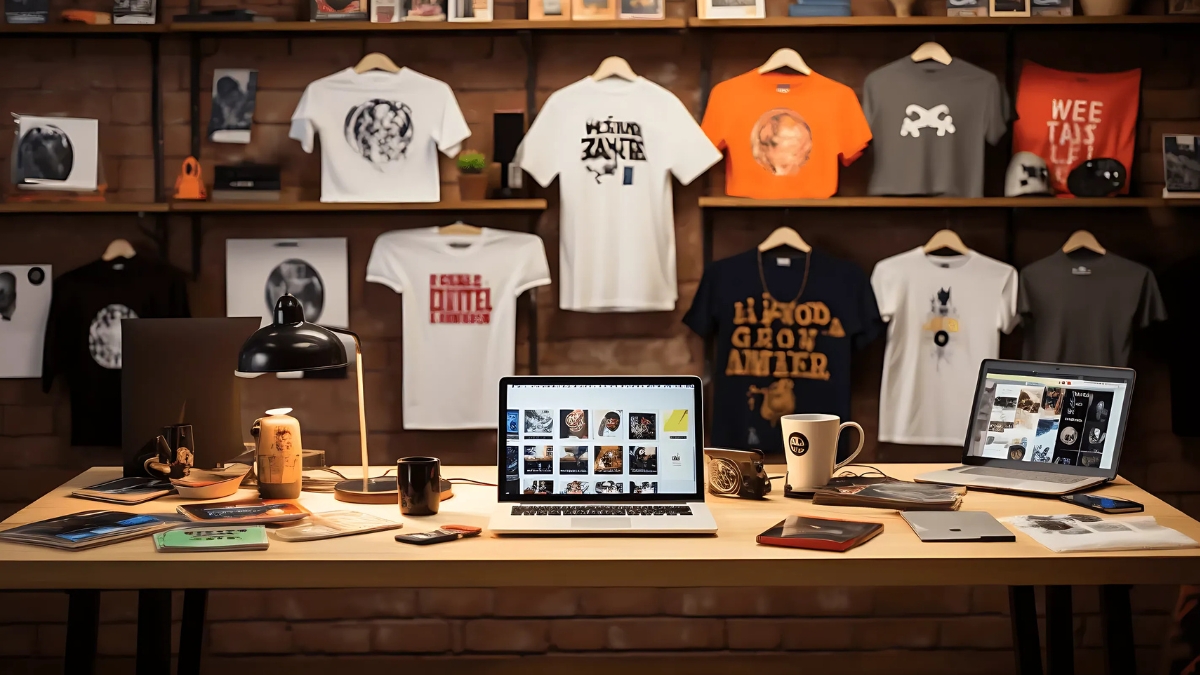
Think about the best gift you’ve ever received. Chances are, it wasn’t the most expensive one. It was the one that showed someone actually thought about you: your name on a mug, your dog’s face on a tote bag, the date of your wedding on a poster. Personalization turns an ordinary product into something people keep for years.
I remember the moment I realized how powerful this was. A customer messaged me after receiving a simple mug with her grandmother’s favorite saying on it. She wrote that she cried when she opened the box. It was just a mug. But it meant something. Little did I know that a small touch of personalization could turn a basic product into an emotional gift, and that shoppers are often happy to pay more for it.
If you’ve been looking for a way to stand out in the crowded print on demand world, personalized gifts might be your secret weapon.
In this comprehensive guide, I’ll show you how to sell personalized gifts with print on demand in 2026. We’ll cover which products work best, how to handle custom orders without losing your mind, how to price personalization, where to sell, and how to use Printful and Printify to keep fulfillment running smoothly. Let’s dive in!
Why Personalized Gifts Sell So Well
Personalization taps into emotion, and emotion drives purchases.
The advantages of personalized POD products
- Higher perceived value: Custom items feel special, which supports higher prices.
- Less direct competition: A unique name, date, or message can’t be copied by a mass-produced product.
- Strong gifting demand: Birthdays, weddings, new babies, graduations, and holidays all call for meaningful presents.
- Repeat customers: Happy buyers return when the next occasion arrives.
- Built-in marketing: Recipients love to share personalized gifts on social media.

The tradeoffs
Personalization adds complexity. You’ll handle customer details, proofread names and dates carefully, and set clear policies since customized items are often not returnable. It takes more attention than uploading a generic design. But for many sellers, the extra effort pays off.
What Counts as a Personalized Gift?
Personalization comes in different levels. Understanding them helps you choose how much work you want to take on.
Level 1: Niche-personalized designs
These are not customized per customer, but they are tailored to a specific identity: “Second Grade Teacher,” “Dog Mom,” or “Night Shift Nurse.” They’re the easiest to start with.
Level 2: Customer-selected options
The buyer chooses from options you provide, such as a name, a color, a birth month, or an icon. You still control the design.
Level 3: Fully custom text or images
The buyer submits their own text, name, date, or sometimes photo. This offers the most flexibility but needs the most care.
Pro tip: If you’re a beginner, start with Levels 1 and 2. Get comfortable with the process before offering fully custom work.
Step 1: Choose Your Gift Niche and Occasions
Great personalized gift shops focus on a specific audience or occasion.
Popular audiences
- Teachers, nurses, and other professionals
- Pet lovers
- New moms, dads, and grandparents
- Couples and newlyweds
- Sports and hobby fans
- Coffee and tea lovers
- Bridesmaids and bachelorette groups
Popular occasions
- Birthdays and milestone birthdays
- Weddings and anniversaries
- Baby showers and new-baby announcements
- Graduations
- Mother’s Day and Father’s Day
- Christmas and other holidays
- Teacher Appreciation Week
- Housewarmings and retirement parties
Validating your idea
- Search Etsy for “personalized [audience] gift” and note the top results.
- Study reviews to see what customers love and what disappoints them.
- Check Pinterest for gift-idea searches.
- Look for gaps: underserved audiences, better designs, or clearer options.
Step 2: Pick Products That Work Well for Personalization
Not every product is a good candidate. Choose items where a name, date, or message looks natural.
Best products for personalized gifts
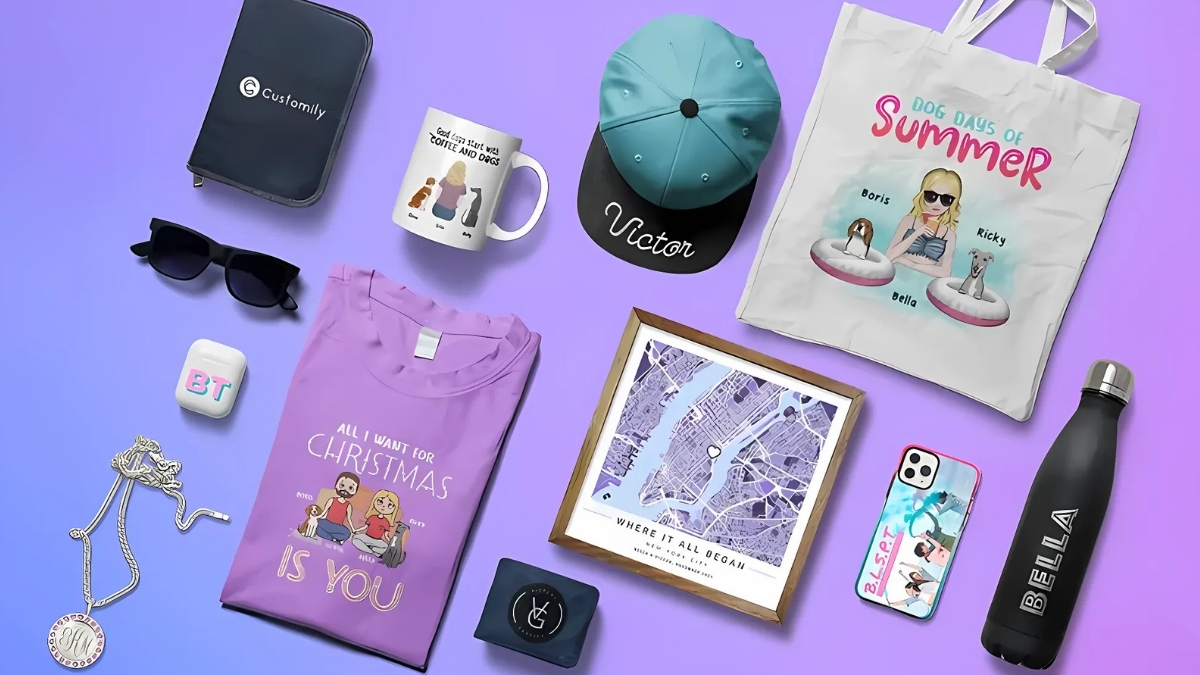
- Mugs and tumblers: Names, initials, and short messages fit beautifully.
- Tote bags: Great for teachers, bridesmaids, and travel.
- Posters and framed prints: Perfect for dates, names, and custom quotes.
- Pillows and blankets: Cozy, giftable, and higher value.
- T-shirts and sweatshirts: Ideal for group and family designs.
- Phone cases and accessories: Popular for younger buyers.
Practical considerations
- Check the print area so names of different lengths fit.
- Think about whether light or dark product colors work best.
- Consider fragile or bulky items when estimating shipping.
- Confirm whether your print partner supports the specific product and print method you want.
Step 3: Choose Your Print on Demand Partners
Your POD partners determine how smoothly custom orders move from your store to your customer’s door.
Printful for personalized gifts
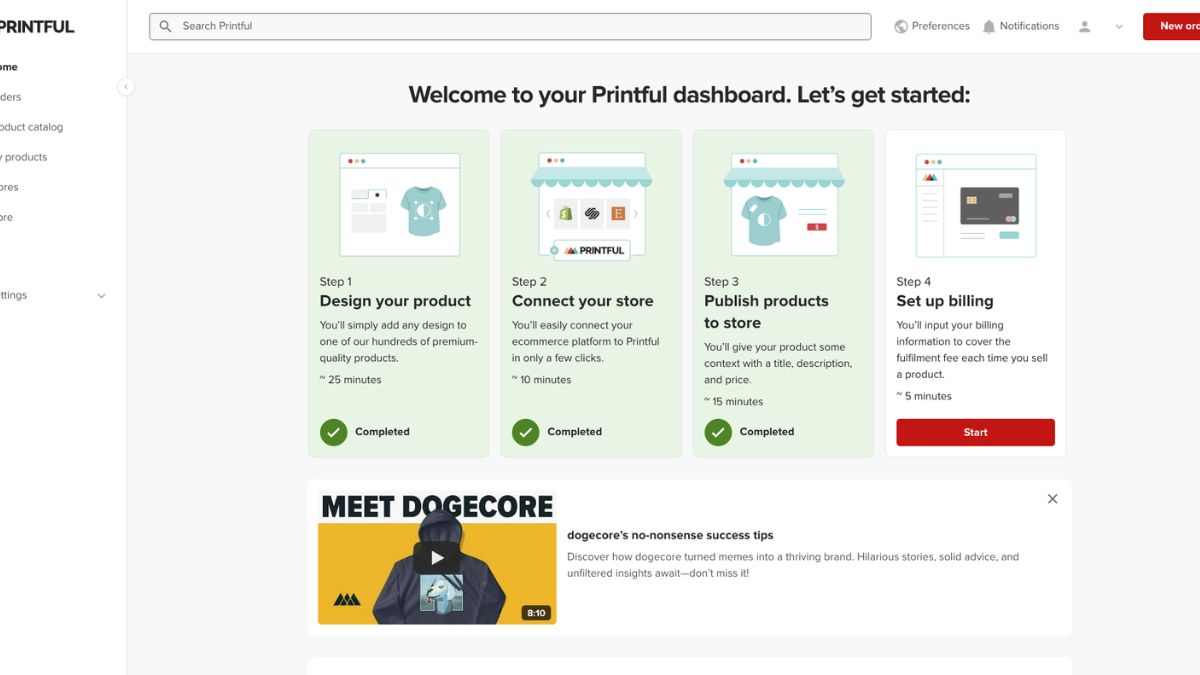
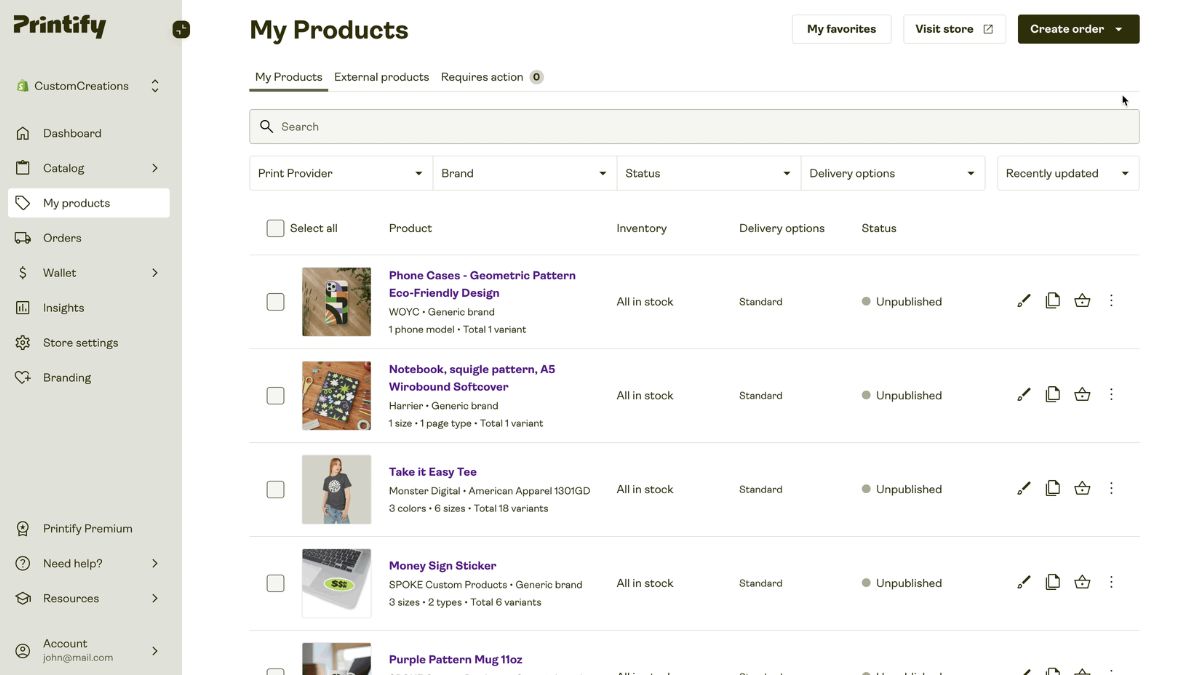
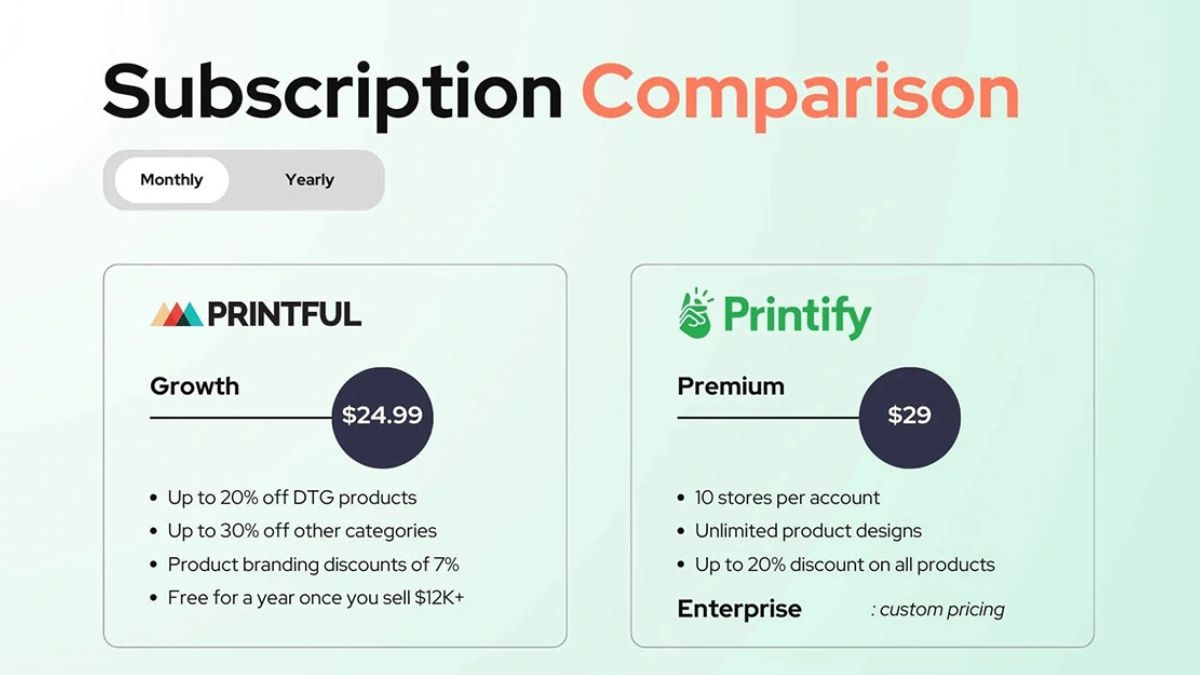
Printful is a strong choice when you want consistent quality and a polished customer experience. Its product catalog includes many giftable items, and its branding options, like custom packing slips, help your gifts feel more special on arrival. That matters when your customers are buying presents for people they love.
Printify for personalized gifts
Printify offers a wide catalog and a network of print providers. You can compare providers for price, production time, and location, which helps you find the right balance for gift products. Printify also supports personalization workflows in certain integrations, though availability depends on your sales channel and setup, so check their current documentation.
Which should you pick?
You don’t have to choose just one. Many sellers use Printful for premium gift pieces and Printify for variety and margin-friendly basics. Opening a Printful account and a Printify account is free, so you can test both before making decisions.
Step 4: Understand How Personalization Works on Each Sales Channel
The way customers submit their details depends on where you sell.
Etsy
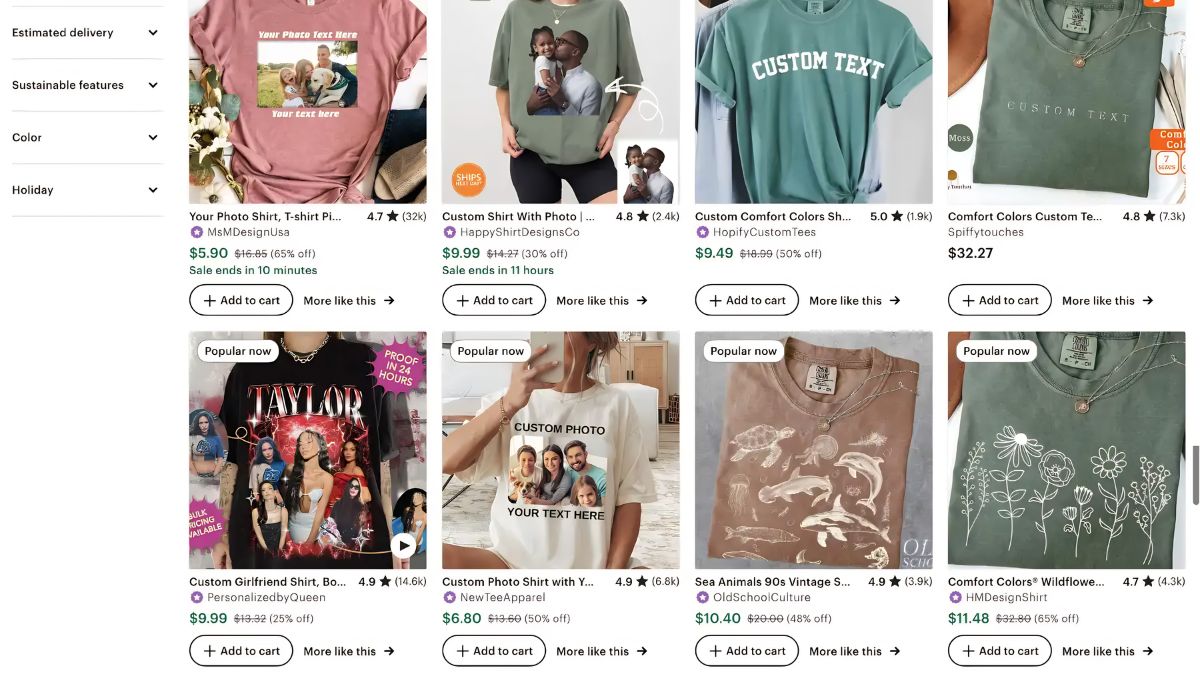
Etsy listings can include a personalization box where buyers type their name, date, or message. You then create the order with the details, or use a workflow that passes the custom text into your design. Always confirm the current options for handling personalized orders with your specific POD app and integration, because features and steps change over time.
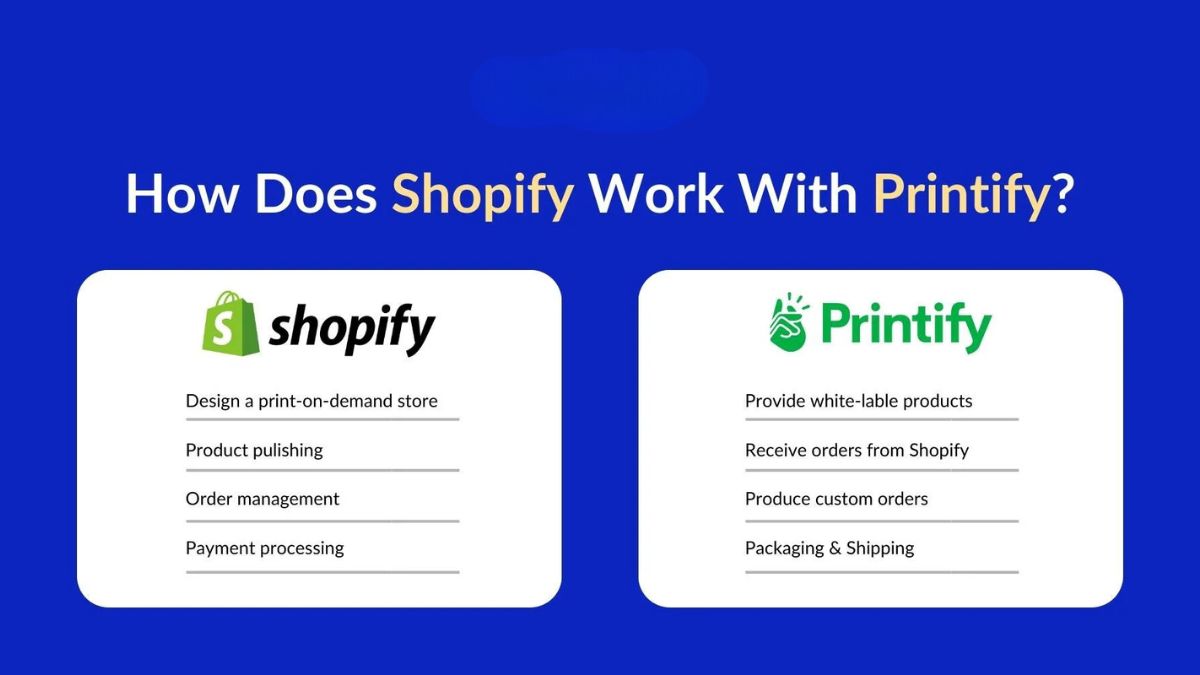
Shopify
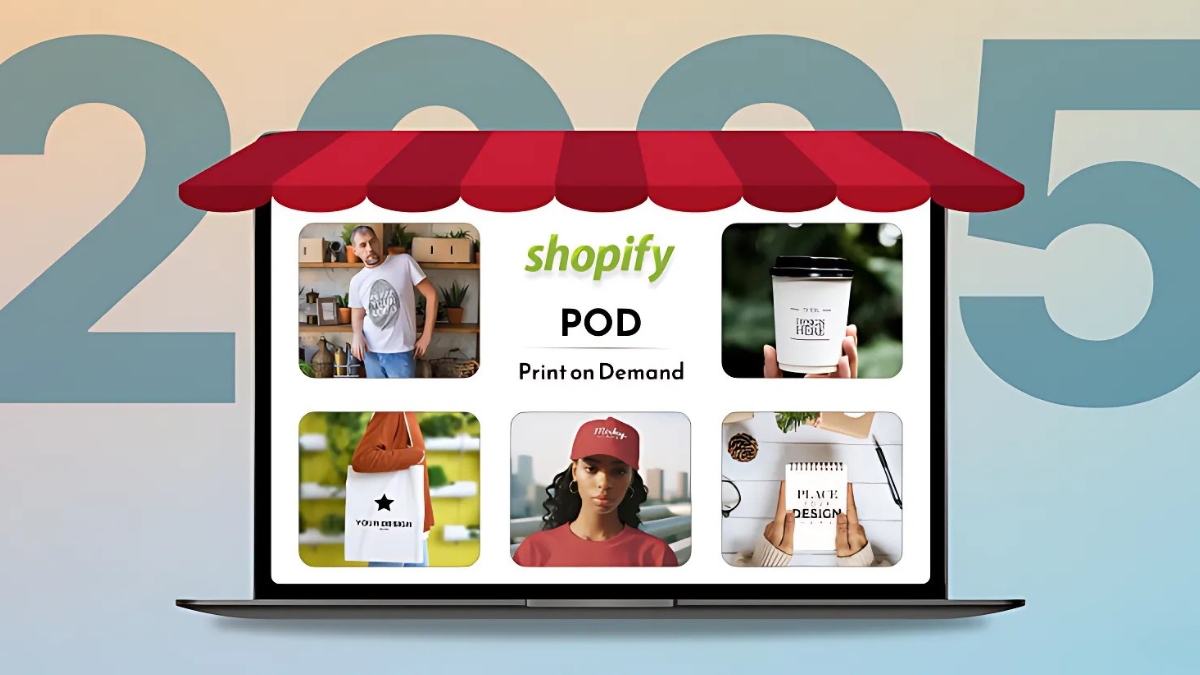
Shopify stores can use product options or personalization apps to collect customer input. Some apps allow live previews, which reduce mistakes and improve conversions. Check that any app you choose works with your POD partners before committing.
Manual workflows
Some sellers collect the details via message, create the custom design in a tool like Canva, and then submit the order to their POD provider. This works, but it’s more manual and gets time-consuming as volume grows.
Here’s what I learned: Start with a simple process you can manage confidently. Complex systems are tempting, but a clear, reliable workflow builds trust and prevents costly mistakes.
Step 5: Create Designs That Personalize Beautifully
Great personalized designs leave space for customization while still looking polished.
Design principles
- Leave room for text. Names can be short or long. Test both.
- Use fonts that stay readable across different lengths.
- Create templates so you can swap names and dates fast.
- Keep layouts balanced whether the name has 3 letters or 15.
- Use high-resolution files (300 DPI at your product’s recommended size).
- Design light and dark variations where needed.

Design ideas that sell
- Name-based designs: “Sarah’s Coffee Mug,” “Grandpa’s Fishing Club”
- Date-based designs: Anniversary and birthday posters
- Birth month flowers or zodiac styles: Popular and easy to customize
- Pet portraits and pet names: Especially popular with animal lovers
- Family-name and “Est.” designs: For couples and families
- Custom quote posters: With names, places, or dates
Avoid legal trouble
- Never use trademarked characters, logos, or brand names.
- Avoid song lyrics and movie quotes.
- If customers request copyrighted material, politely decline.
- Only use artwork, fonts, and elements that permit commercial use on products.
If you accept customer-submitted photos, make it clear in your policies that customers must have the rights to use them.
Step 6: Set Clear Policies and Communication
Personalized products need extra clarity, because mistakes are more personal.
Policies to write
- Personalization deadline: When customers must submit details.
- Proofreading responsibility: Customers must double-check spelling and dates.
- Return and exchange policy: Custom items are often non-returnable unless defective, so state this clearly and comply with the consumer laws in your area.
- Production and shipping times: Be upfront about how long customization adds.
- Damaged or defective items: Explain how customers can report problems and what you’ll do.

Communication tips
- Send a friendly confirmation message with the details you received.
- Ask customers to confirm spelling before you produce.
- Provide tracking updates when available.
- Respond quickly to questions.
Both platforms have their own reprint and refund policies for defects, so read them carefully and align your shop policies accordingly.
Step 7: Price Personalized Products for Profit
Personalization adds value, so you can usually charge more than for a generic version.
Pricing framework
Retail price = Production cost + Shipping (if included) + Platform fees + Extra time for personalization + Profit
Pricing tips
- Add a premium for personalization, even a few dollars.
- Offer bundles such as “personalized mug plus tote.”
- Offer quantity discounts for group orders like bridesmaid sets.
- Consider rush options if your production allows it.
- Avoid competing on price alone. Compete on thoughtfulness and quality.
Trust me on this: sellers who underprice personalized items often burn out fast because the extra effort isn’t rewarded. Charge what the work is worth.
Step 8: Create Listings That Convert
Personalized gift shoppers want reassurance. Your listing should answer questions before they ask.
Listing checklist
- Title: Include the product, the recipient, and the occasion. Example: “Personalized Teacher Mug, Custom Name Teacher Gift, Teacher Appreciation Present.”
- Photos: Show multiple examples with different names, a close-up of the print, and a size reference.
- Personalization instructions: Explain exactly what to enter, and character limits.
- Production and shipping times: Be transparent.
- Gift messaging: Emphasize the emotional value.
- FAQ in the description: Answer common questions about spelling, deadlines, and returns.
SEO tips
Use long-tail keywords such as “personalized bridesmaid tote bag,” “custom pet name mug,” and “custom family name poster.” Use all of your tags and fill in attributes fully.
Step 9: Market Your Personalized Gifts
Gift-idea searches are common here. Create pins showing personalized examples and link them to your listings. Publish ahead of seasonal peaks.
TikTok and Instagram
Share videos of the personalization process, unboxings, and customer reactions, always with permission. People love watching a design come together.
Email marketing
Build a list and send occasion reminders: “Mother’s Day is coming. Personalize a gift now.” Repeat customers are especially valuable in the gift business.
Reviews and social proof
Ask happy customers for reviews and photos. Personalized gifts naturally inspire stories, and stories sell.
Step 10: Plan Around Gift Seasons
Personalized items require lead time, so plan ahead.
- January to February: Valentine’s Day and anniversaries
- March to May: Mother’s Day, graduations, and weddings
- June to July: Father’s Day and summer weddings
- August to September: Teacher gifts and early holiday shopping
- October to December: Holiday gifts, family sets, and ornaments
Post your last recommended order dates so customers know when to buy. Always confirm the latest production and shipping timelines with your POD platforms, because they change with demand.
Common Mistakes to Avoid
- Making personalization too complicated
- Skipping sample orders
- Not proofreading customer details
- Vague return policies
- Underpricing custom work
- Using trademarked content
- Ignoring production time in your listings
Your 30-Day Personalized Gift Launch Plan
Week 1: Choose your audience and occasion, research keywords, and open accounts with Printful and Printify.
Week 2: Create 5 to 10 personalizable design templates.
Week 3: Order samples, take photos, and write policies and listings.
Week 4: Publish, promote on Pinterest and social media, and gather early feedback.
Turn Thoughtful Gifts Into a Thriving Business
Selling personalized gifts with print on demand is one of the most rewarding ways to build an online business in 2026. You get products people genuinely love, higher perceived value, and customers who come back for the next birthday, wedding, or holiday. All it takes is a focused niche, well-designed templates, clear policies, and dependable production partners.
To build your gift shop on a solid foundation, join Printful for consistent quality and beautiful branded touches, and join Printify for a huge catalog and flexible pricing options. Both are free to open, so you can start experimenting today. Choose your first product, design your first template, and give your customers something they’ll treasure.





Leave a Reply