

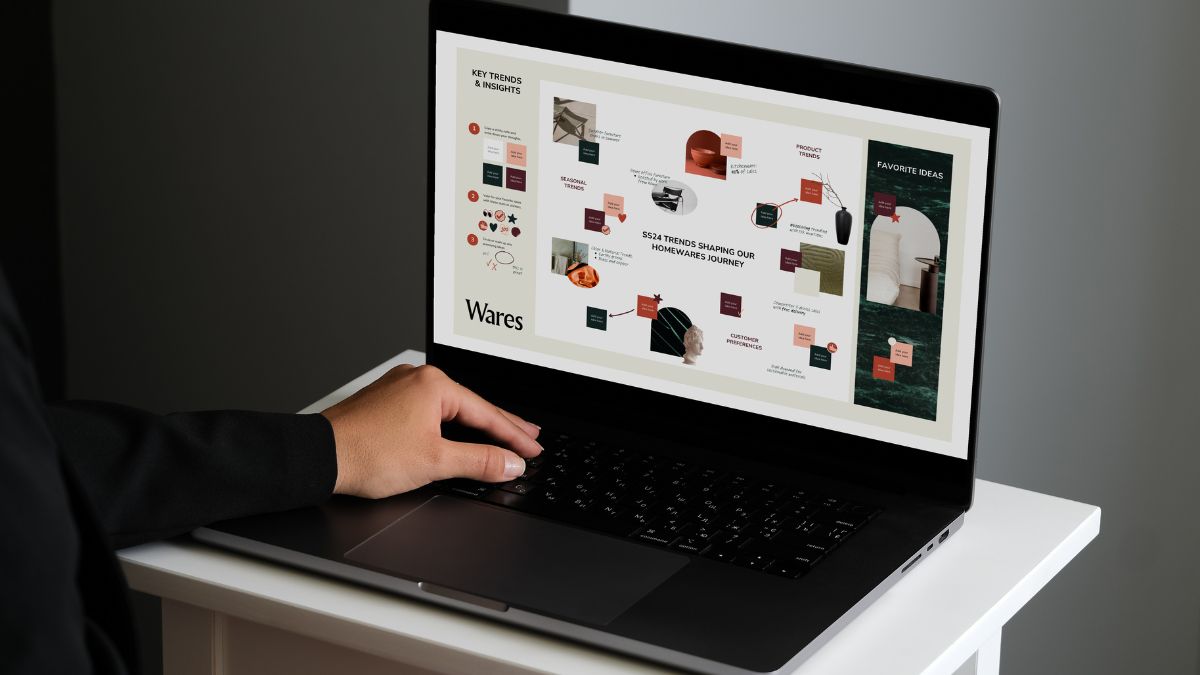
Did you know that over 90% of small businesses now use Instagram to attract clients, yet most freelancers still post randomly with zero real strategy? I was one of them. When I first started freelancing, I posted whenever I remembered to — no consistent look, no clear message, no idea what I actually wanted people to think when they landed on my profile.
Let me share what changed things for me: once I treated my Instagram like an actual brand instead of a personal scrapbook, my inbound client inquiries more than doubled within a few months, without spending a cent on ads. Trust me, this isn’t about becoming an influencer. It’s about looking like the professional you already are.
In this comprehensive guide, I’ll walk you through exactly how to build a personal brand on Instagram for your freelance business or side hustle — from your profile basics to your content system to the small consistency habits that make the biggest difference.
Why Your Instagram Is Often Your First Impression
Here’s the truth: before a potential client ever emails you or books a call, there’s a very good chance they’ve already scrolled through your Instagram. If your feed looks inconsistent, unclear, or outdated, that’s the impression they walk away with — even if your actual work is excellent.
I learned this the hard way when a potential client told me, months later, that she almost didn’t reach out because my profile “didn’t look like I took my business seriously.” Ouch. But it was fair feedback, and it’s exactly what pushed me to fix things.

A strong personal brand on Instagram does three things:
- Makes it instantly clear what you do and who you help
- Builds trust before a single conversation happens
- Keeps you consistently visible to potential clients over time
Step 1: Define Your Brand Identity Before You Post Anything
Big mistake I made early on: posting first, figuring out my “brand” later. It never worked, because every post looked disconnected from the last.
Before creating content, get clear on:
- Who you help — be specific (“freelance copywriters” beats “creative people”)
- What you help them do — the actual transformation or result you provide
- Your visual style — colors, fonts, and overall vibe that feel like you
- Your voice — are you warm and casual, or polished and expert-driven?
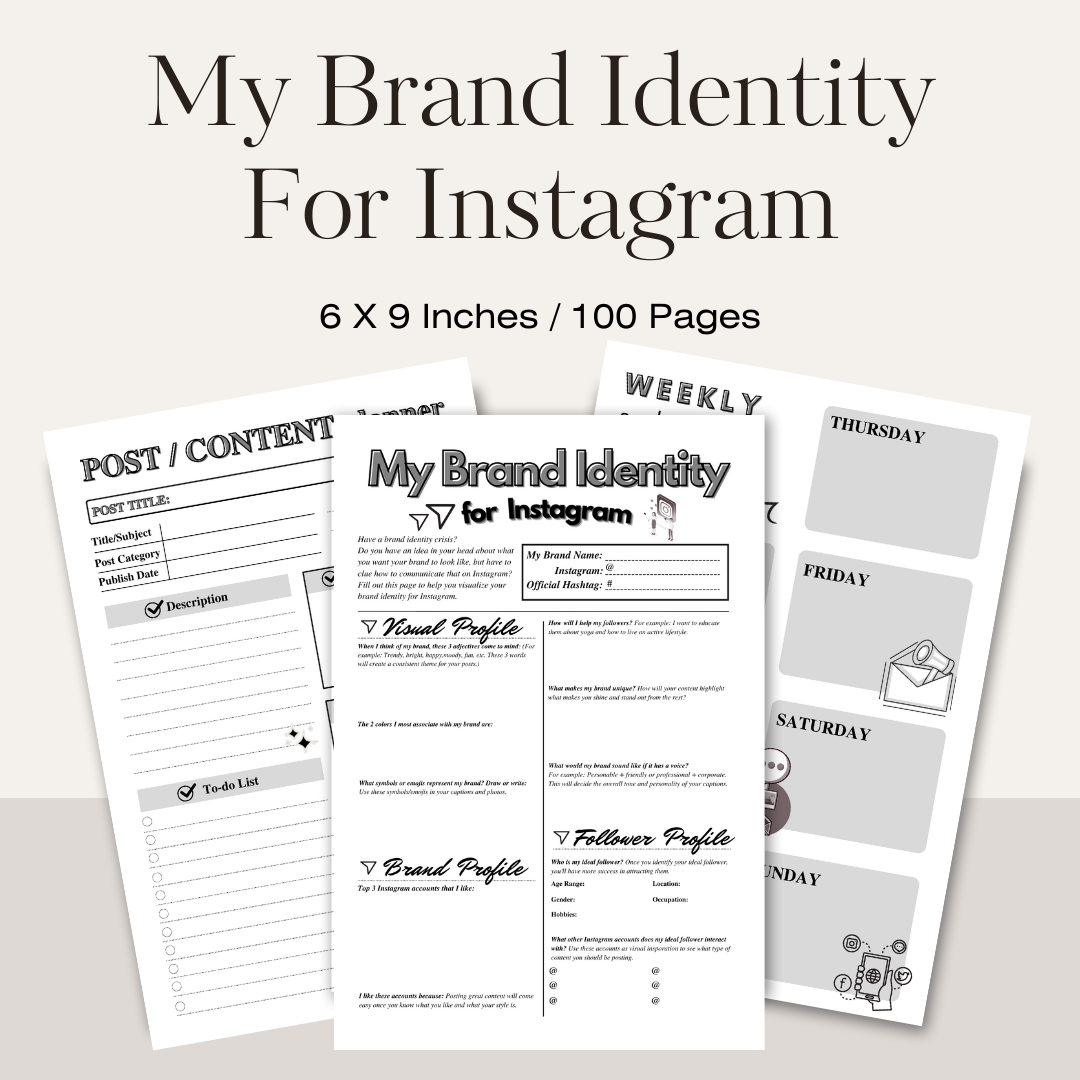
Write these down somewhere you’ll actually look at again. This is exactly where I lean on a proper brand planning template — I use a My Brand Identity for Instagram Planner to map out my colors, fonts, voice, and content pillars in one place, so every post I create stays consistent instead of feeling random.
BUY NOW!
Step 2: Optimize Your Profile Like It’s Your Storefront
Here’s what I learned the hard way: people decide whether to follow or leave within about three seconds of landing on your profile. Your bio has to work hard in that tiny window.
Your profile checklist:
- Profile photo: A clear, friendly, professional photo of your actual face (not a logo alone)
- Name field: Include your niche or keyword, not just your name (“Sarah | Freelance Web Designer”)
- Bio: State who you help and how, in plain language — skip the vague inspirational quotes
- Link: Point to a portfolio, booking page, or link-in-bio tool, not just your homepage
- Highlights: Organize into categories like Services, Testimonials, About Me, FAQs
Pro tip: Read your bio out loud. If it doesn’t clearly explain what you do within five seconds, rewrite it.
Step 3: Build Content Pillars So You’re Never Starting From Zero
I used to stare at a blank caption box, completely stuck on what to post. Content pillars fixed that almost instantly, because I stopped having to reinvent my content strategy every single day.
A simple set of pillars for freelancers or business owners:
- Behind-the-scenes — your process, your workspace, your daily reality
- Client results — testimonials, before/afters, transformation stories
- Educational content — tips, mistakes to avoid, quick how-tos in your niche
- Personal/relatable posts — your journey, your why, small wins and lessons
- Offers and calls-to-action — your services, availability, and how to work with you
Rotate through these pillars so your feed feels varied but still recognizably “you.” Here’s what I learned the hard way: posting only promotional content burns people out fast, but posting only personal content means nobody remembers what you actually sell.
Step 4: Design a Simple, Repeatable Content System
Little did I know that consistency mattered more than perfection. I used to spend hours designing one “perfect” post and then disappear for two weeks. Now, I batch and template everything, and it’s a game-changer for staying visible without burning out.
How to build your system:
- Choose 3–4 templates for your most common post types (quote, tip, testimonial, offer)
- Batch-create a week or month of content in one sitting
- Use a content calendar to plan captions, hashtags, and posting days in advance
- Reuse and refresh top-performing posts instead of always starting fresh
This is exactly where planning your content ahead of time in a structured planner saves so much mental energy — I map out my Facebook and Instagram posts for the week using a Facebook Post Planner so I’m never scrambling for an idea the morning I’m supposed to post.

BUY NOW!
Step 5: Post Consistently, Not Constantly
Here’s the truth: you don’t need to post every single day to build a strong personal brand. What matters far more is showing up predictably enough that your audience knows to expect you.
A realistic consistency goal:
- 3–4 feed posts per week (quality over quantity)
- Daily or near-daily Stories to stay top of mind
- Engaging with comments and DMs within 24 hours
Pro tip: A consistent 3x-a-week schedule you can actually maintain will always outperform an ambitious daily plan you abandon after two weeks.
Step 6: Use Stories and DMs to Build Real Relationships
I used to think the feed was where all the “real” brand-building happened. I was wrong. Stories and direct messages are where actual relationships — and actual clients — come from.
Ways to build connection through Stories:
- Share quick behind-the-scenes moments, not just polished content
- Use polls and question stickers to invite interaction
- Reply personally to comments and story replies, not just with a thumbs-up
When someone reaches out in your DMs with a question, treat it like the beginning of a client relationship, because often, it is exactly that.
Step 7: Track What’s Actually Working
Here’s something I wish someone had told me sooner: you don’t need to guess what’s working when Instagram gives you the data for free. Every week or two, check:
- Which posts got the most saves and shares (a stronger signal than likes)
- Which content pillar consistently performs best
- Where profile visits are coming from (hashtags, explore page, tagged posts)
Use these insights to do more of what’s already working instead of constantly chasing something new.
Common Mistakes to Avoid
- Posting without a clear niche or message, so your feed feels scattered
- Copying someone else’s aesthetic exactly, instead of adapting it to your own voice
- Disappearing for weeks, then wondering why engagement dropped
- Never checking your bio or link for accuracy after updates
- Treating Instagram as a one-way broadcast instead of a relationship-building tool
Turning Followers Into Actual Clients
Here’s the truth: a growing follower count feels great, but it doesn’t pay your bills — clients do. I had to shift my mindset from “how do I get more followers” to “how do I turn the right followers into inquiries,” and that shift changed everything about how I approached content.
A few ways to guide followers toward becoming clients:
- End relevant posts with a clear, low-pressure call-to-action (“send me a DM if this sounds like you”)
- Share specific results and testimonials regularly, not just once and forget about it
- Make your booking or contact process genuinely easy to find from your profile
- Follow up warmly with anyone who engages meaningfully in your DMs, rather than leaving them on “seen”
Pro tip: A smaller, engaged audience that trusts you will almost always convert better than a larger, passive one. Don’t chase vanity numbers at the expense of real connection.

Staying Consistent Without Burning Out
I’ve watched a lot of freelancers — myself included, in my early days — burn out hard trying to post daily, respond to every comment instantly, and keep up with every trend. That pace simply isn’t sustainable for most people running an actual business on the side or full-time.
A few sustainable habits that helped me:
- Batch-create content once a week or every other week instead of daily
- Give yourself permission to skip a day without guilt if life gets busy
- Repurpose content across formats (turn a caption into a Story series, a Story into a future post)
- Set a specific, limited time window for engaging on the app, rather than scrolling all day “for business”
Frequently Asked Questions
How many followers do I need before Instagram actually helps my business? There’s no magic number. I started getting genuine client inquiries with fewer than 1,000 followers, simply because my niche and message were clear. Engagement and clarity matter more than raw follower count.
Do I need to show my face to build a personal brand? It genuinely helps build trust faster, since people like to know who they’re working with — but if you’re not ready, start with behind-the-scenes content and work up to it gradually.
How often should I update my brand identity or visual style? A light refresh once a year is reasonable as your business evolves. Avoid changing your entire look too frequently, since consistency is what makes you recognizable over time.
What if my niche feels too small to post about regularly? Most niches have more angles than they first appear — process, mistakes, client stories, industry tips, personal journey. Revisit your content pillars and you’ll likely find more room than you expected.
Final Thoughts
Building a personal brand on Instagram for your freelance business doesn’t require a huge following or a professional camera setup. It requires clarity — about who you help, what you offer, and how you want to be remembered — plus the consistency to show up on a schedule you can actually sustain. Start with your brand identity, build your content pillars, and give yourself a realistic posting rhythm. The client inquiries tend to follow once the foundation is solid.
You’ve already got the skills. Now it’s time to let your Instagram show it.






Leave a Reply