


The day I launched my first service, I sat in front of my computer for forty minutes with my finger hovering over the “publish” button. A loud voice in my head whispered, “Who do you think you are? There are people far more qualified than you.” I almost deleted the page. What changed my mind was a friend who said, “Do you think you could help someone who’s one step behind you?” I thought about it. I could. And that was enough.
If you’re trying to overcome imposter syndrome, you’re in very good company. Many entrepreneurs, freelancers, and creators feel like frauds, even when they’re doing good work. It’s the feeling that you’ll be “found out,” that your success is luck, or that you’re not qualified to charge for what you do.
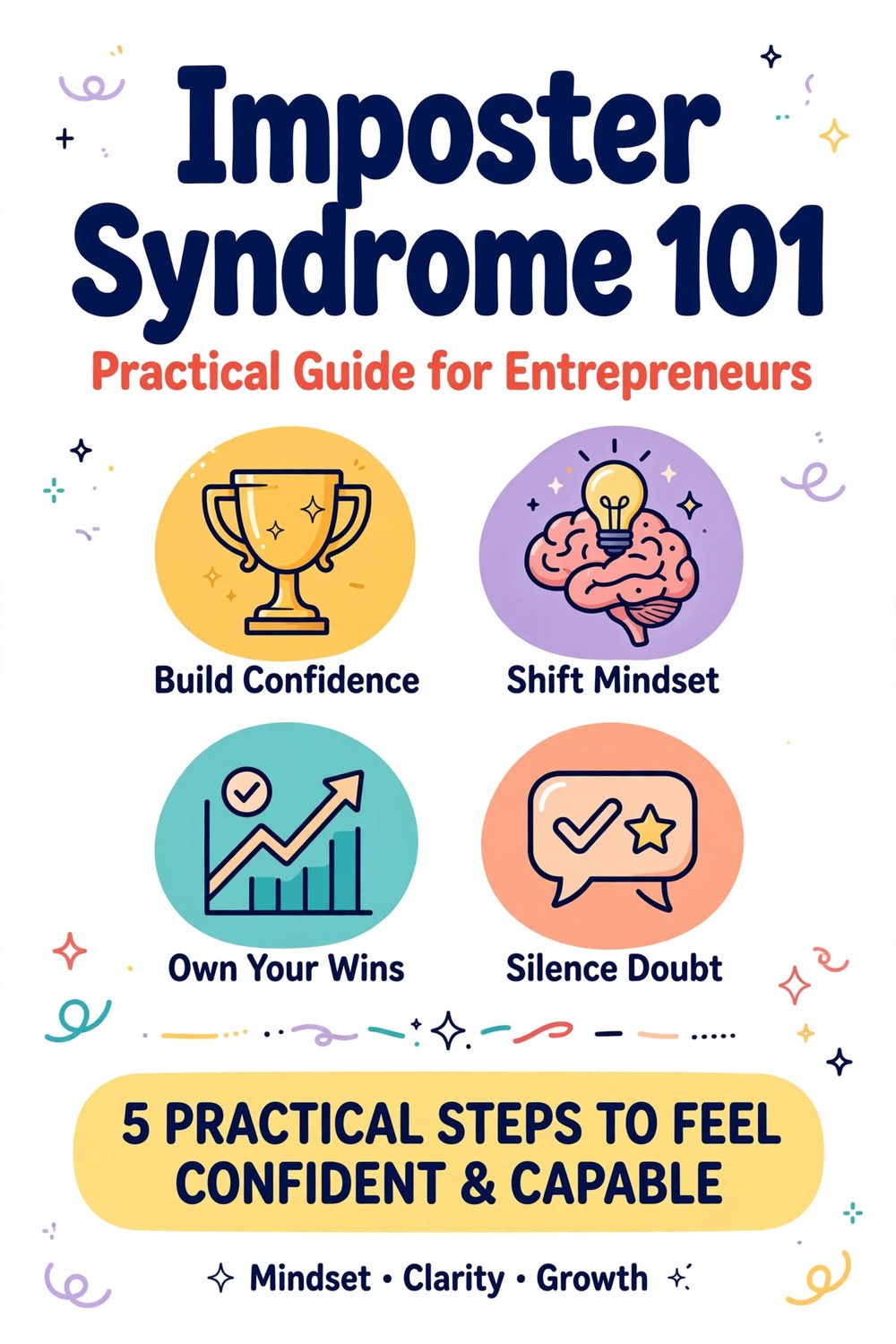
In this guide, I’ll walk you through what imposter syndrome is, why it shows up in business, and practical steps to quiet self-doubt so you can keep moving.
What Is Imposter Syndrome?
Imposter syndrome describes a pattern of doubting your abilities and fearing exposure as a fraud, despite evidence of competence.
Common Signs
- Attributing success to luck rather than skill.
- Fear of being “found out.”
- Perfectionism and overpreparing.
- Discounting praise.
- Avoiding opportunities because you don’t feel ready.
- Comparing yourself constantly with others.
- Underpricing your services.
Why it shows up in entrepreneurship:
- You’re doing something new.
- No manager gives you feedback.
- Social media highlights other people’s wins.
- You’re visible, with your name and work on display.
- Results take time.
The honest part: Feeling like an imposter doesn’t mean you are one. It often means you’re stretching beyond your comfort zone, which is exactly where growth happens.
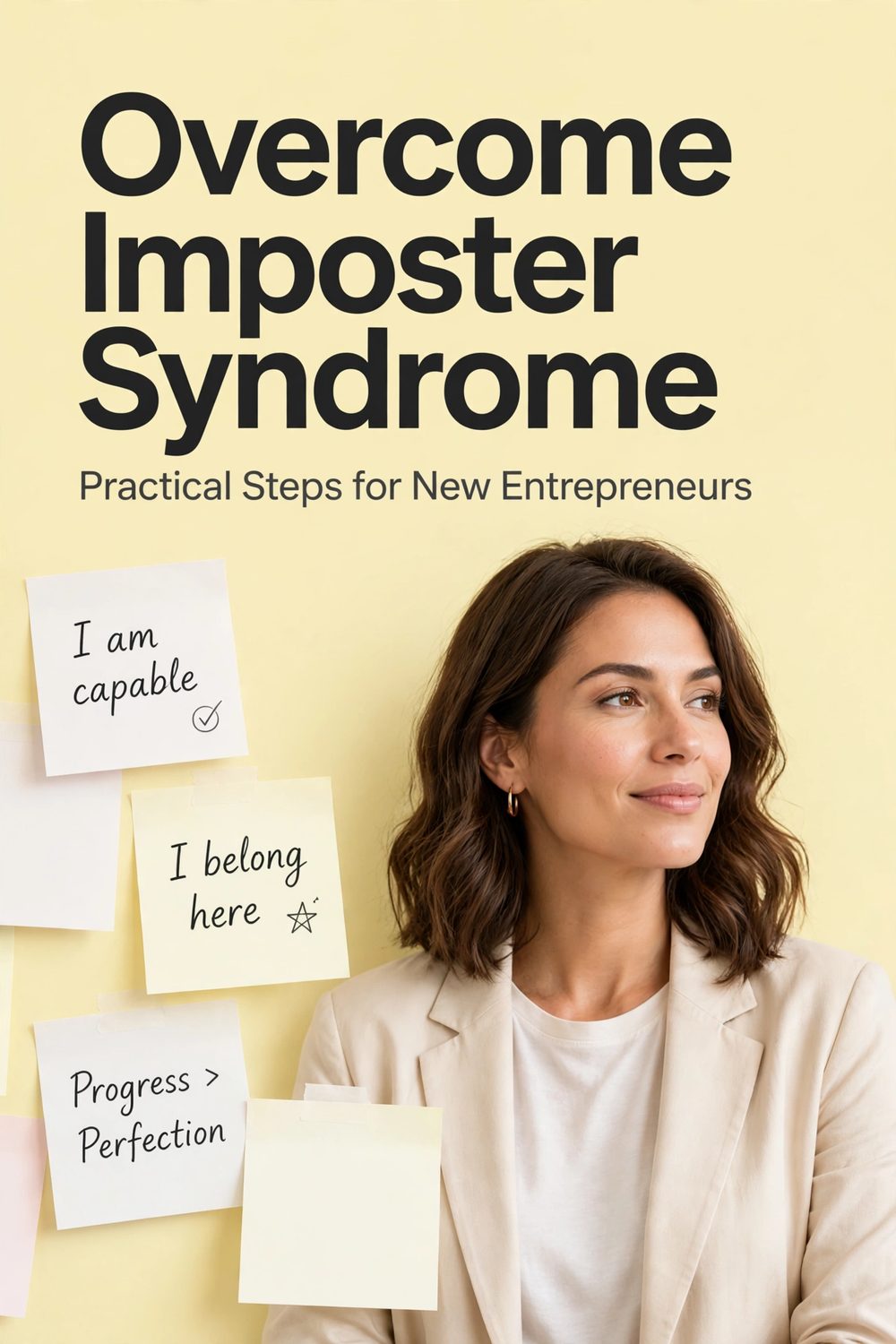
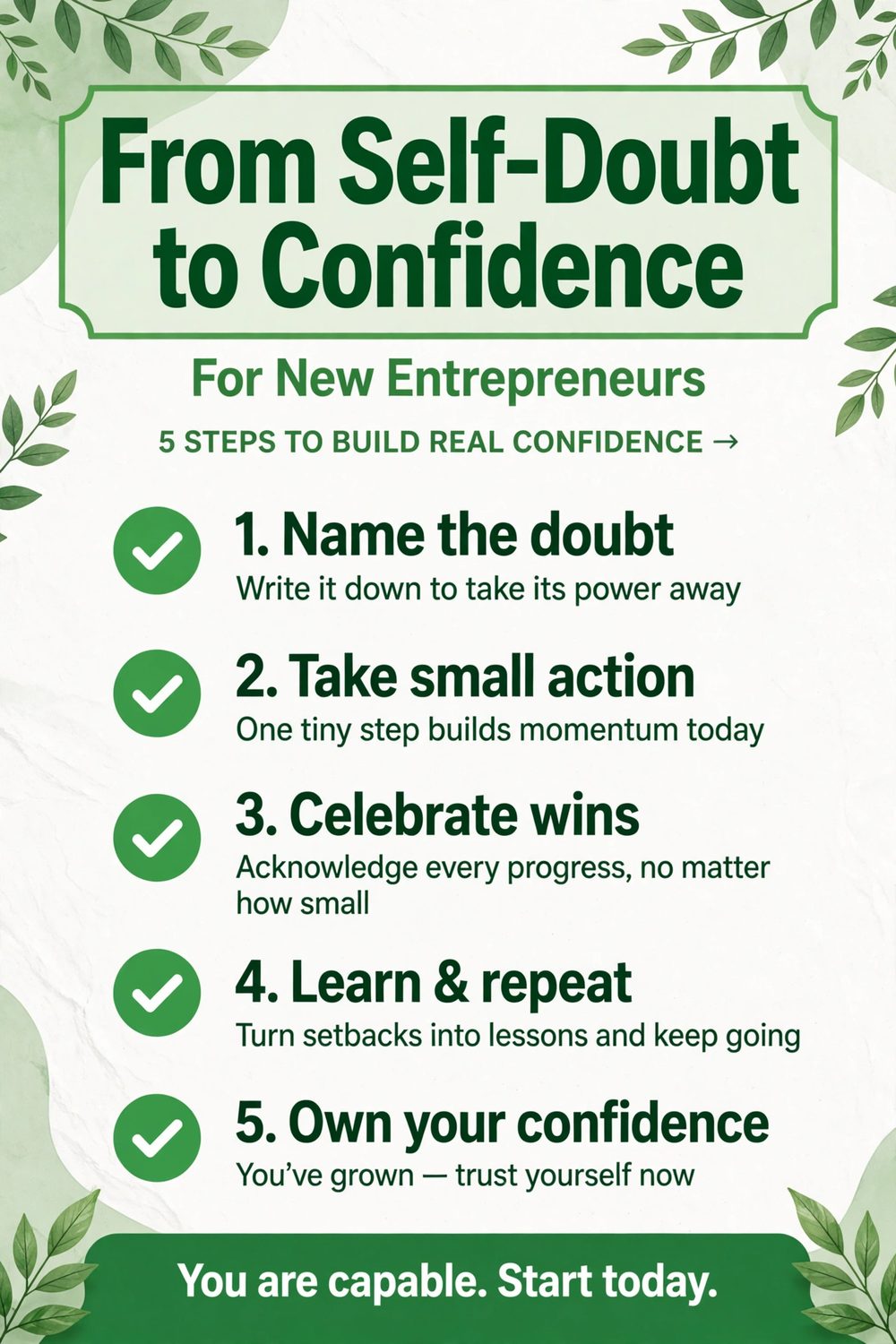
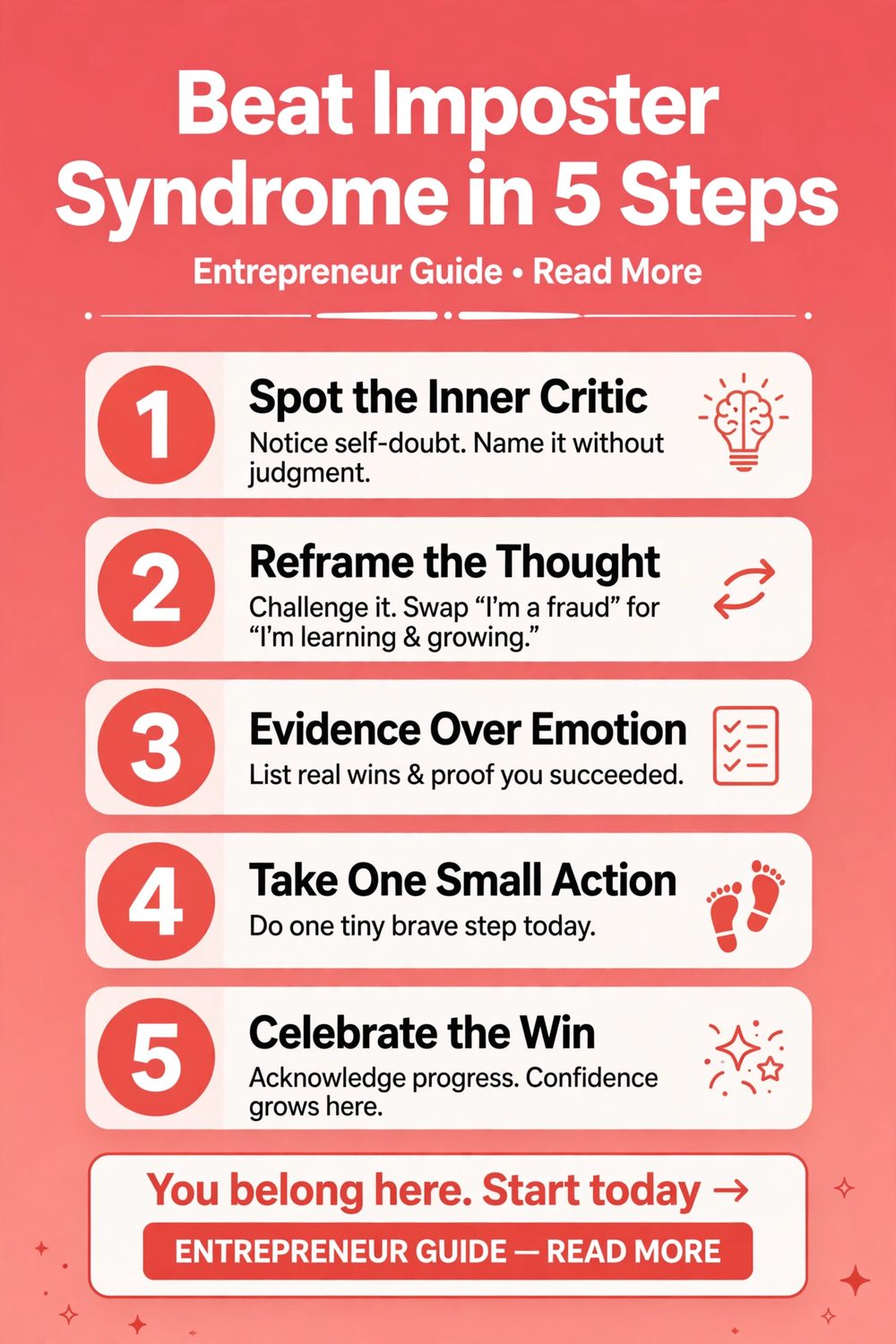
Step 1: Name It
Awareness reduces power.
- Notice the thought: “I’m having the thought that I’m not qualified.”
- Label it: “That’s imposter syndrome talking.”
- Remember it’s common. Many accomplished people experience it.
- Separate feelings from facts. A feeling isn’t evidence.
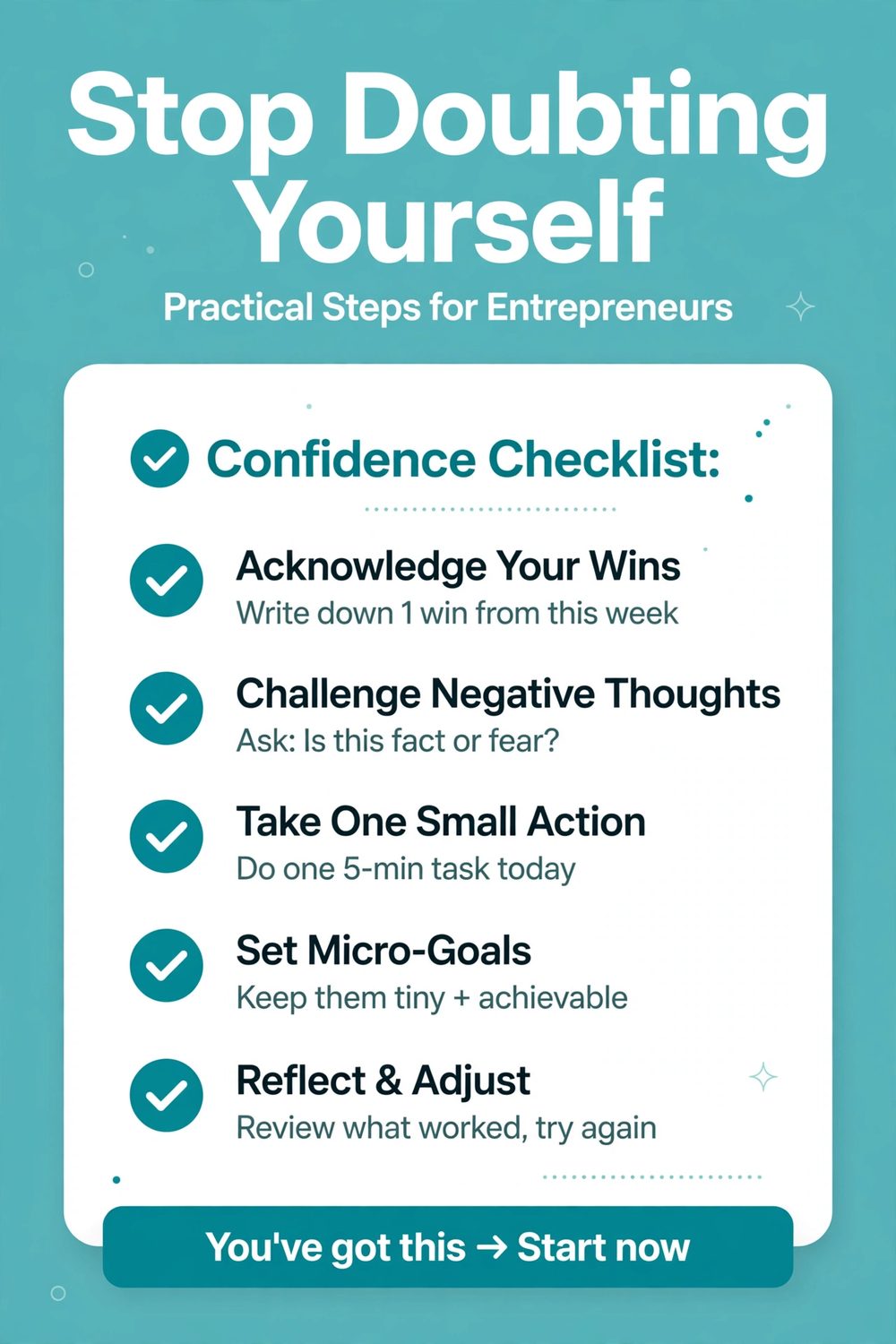
Step 2: Collect Evidence of Your Competence
Your brain remembers criticism more than praise, so create a record.
- Start a “proof” folder. Save testimonials, compliments, positive messages, and results.
- List your accomplishments, including small ones.
- Write down skills you’ve developed.
- Note times you solved problems.
- Review it when doubt strikes.
Facts are a powerful counterweight to anxious thoughts. The Personal Brand Blueprint can help you recognize and articulate your strengths and story in a way that supports your confidence.

Step 3: Redefine “Qualified”
You don’t need to know everything to help someone.
- Be a few steps ahead, not a master. You can help people who are one or two steps behind you.
- Share what you’ve learned, honestly.
- Combine skills and experience in unique ways.
- Be transparent about your level. Honesty builds trust.
You’re allowed to charge for value you provide today while continuing to grow.
Step 4: Take Small, Brave Actions
Confidence grows through action.
- Post your first piece of content.
- Send the pitch.
- Apply for the opportunity.
- Raise your price slightly.
- Ask for the testimonial.
Choose actions that feel a little scary but manageable. Each one builds evidence that you can do it.
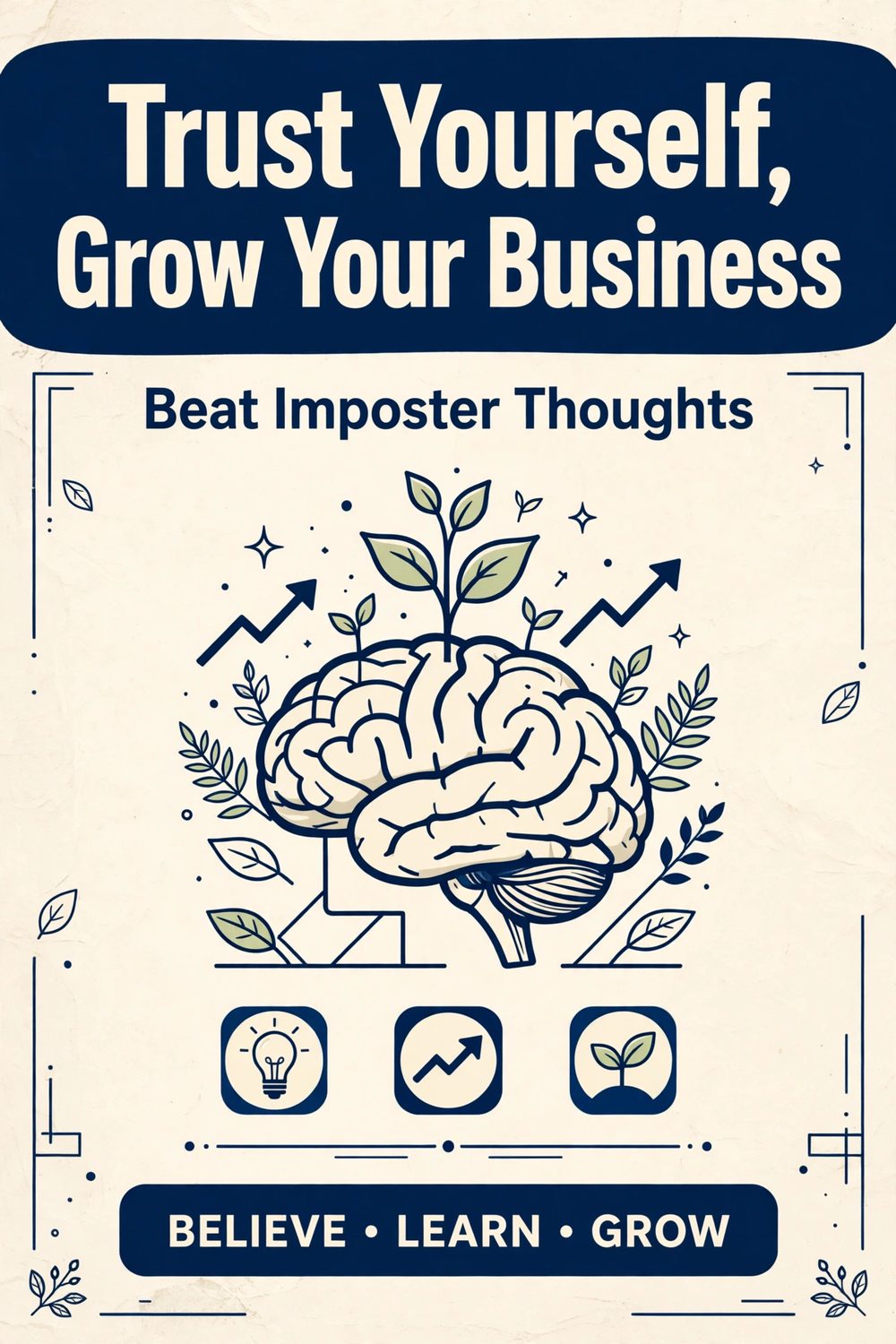
Step 5: Replace Perfectionism With “Good Enough”
Perfectionism often fuels imposter feelings.
- Set clear standards for “done.”
- Use time limits for tasks.
- Launch, then improve.
- Ask for feedback early.
- Celebrate progress, not perfection.
Most clients and customers care about clarity, reliability, and kindness far more than flawless polish.
Step 6: Reframe Comparison
Comparison is a major trigger.
- Remember you’re seeing others’ highlights, not their struggles.
- Limit time on social media if it makes you feel worse.
- Follow accounts that inspire rather than discourage.
- Compare yourself to your past self.
- Use others’ success as information, not a verdict on you.
Step 7: Build Support and Community
You don’t have to carry self-doubt alone.
- Talk openly with friends or peers. You’ll often hear, “Me too.”
- Join entrepreneur communities.
- Find a mentor or coach.
- Share struggles and wins.
- Consider therapy or counseling if self-doubt feels overwhelming.
If you’re a mom building a business, The Stay-At-Home Mom’s Guide to Making Money Online offers a practical path and reminders that you’re not alone.
Step 8: Use Tools to Build Confidence
- Preparation tools: Checklists and templates reduce anxiety.
- Practice: Rehearse pitches or presentations out loud.
- AI assistants: Use them to outline, draft, and practice responses to tough questions, while keeping your own voice. The Claude Advantage shows how to prompt effectively for preparation and planning.
- Learning: Take courses or read to fill real knowledge gaps.
Learning is healthy. The goal is to avoid endless preparation as a way to avoid action.
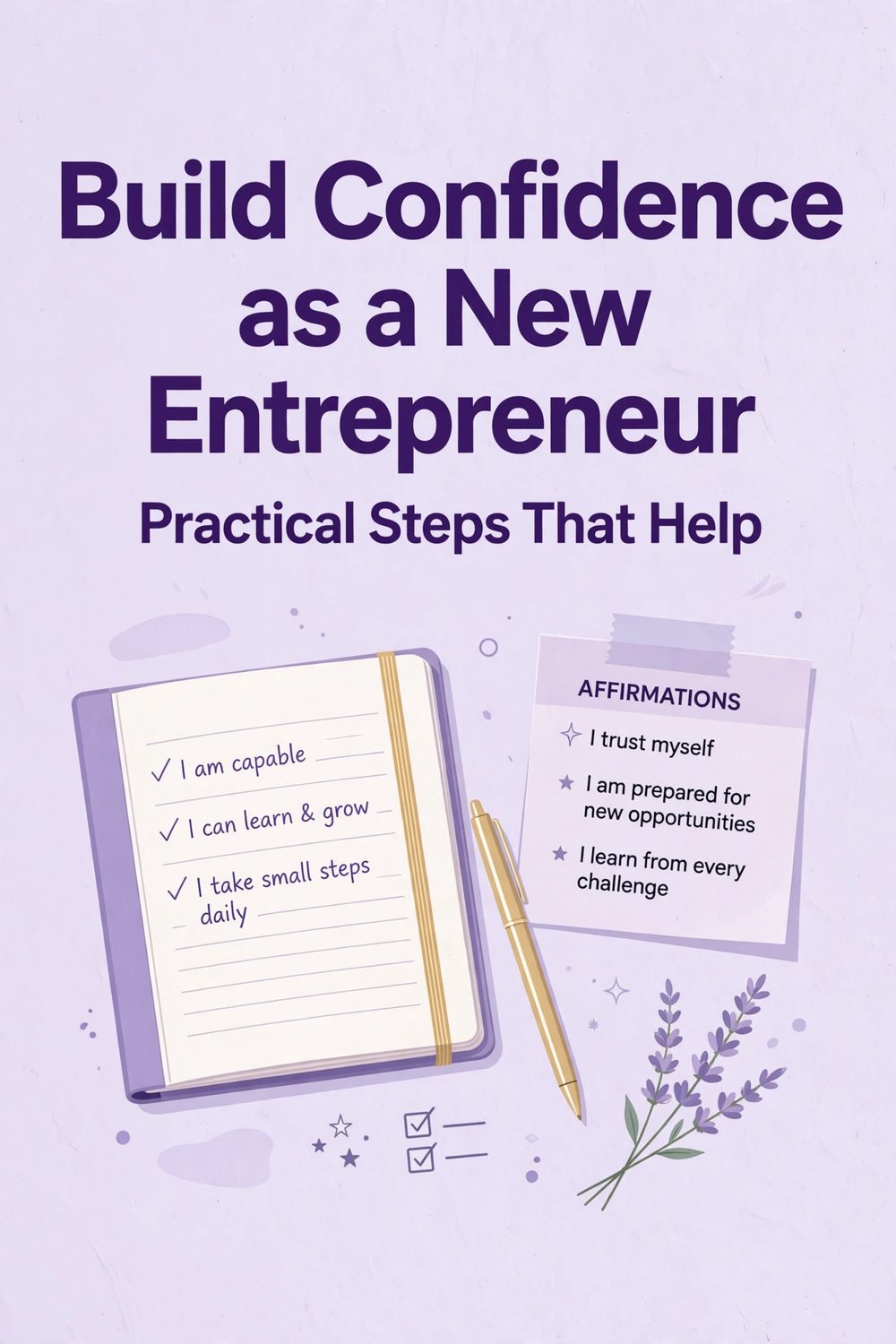
Step 9: Handle Praise and Criticism Wisely
- Accept compliments with a simple “Thank you.”
- Save praise in your proof folder.
- Evaluate criticism: What’s useful, and what’s noise?
- Learn from feedback without taking it as proof you’re a fraud.
- Remember that rejection is normal in business.
Step 10: Take Care of Your Mind and Body
Self-doubt grows when you’re depleted.
- Prioritize sleep, meals, and movement.
- Take breaks.
- Practice mindfulness or journaling.
- Spend time with people who lift you up.
- Rest without guilt.
If you’d like gentle, educational guidance on supporting your body and energy, The Hormone Balance Blueprint is one resource, but it isn’t a replacement for medical advice. And Glow Up Your Life can inspire routines and habits that help you feel more confident and grounded.
A Simple Daily Confidence Practice
Try this five-minute routine:
- Write three things you did well today.
- Write one thing you learned.
- Write one small brave action for tomorrow.
- Add any praise to your proof folder.
Over time, this practice trains your brain to notice evidence of progress.
When Imposter Feelings Show Up at Key Moments
- Before a launch: Remind yourself that your job is to help, not to be perfect.
- Before a sales call: Focus on listening and serving.
- After a mistake: Own it, fix it, and move forward.
- When raising prices: Review your results and proof.
- When you succeed: Let yourself celebrate.

Money and Business Basics
Financial stress can intensify self-doubt, so build stability.
- Track income and expenses.
- Build an emergency fund.
- Set aside money for taxes. Consult a qualified professional.
The Smart Mom’s Complete Guide to Money offers friendly guidance for building financial confidence. And for practical marketing support, The Digital Marketing Playbook can help you attract clients so your confidence grows with real results.
Examples of Reframing Imposter Thoughts
Changing the story you tell yourself takes practice. Here are a few common thoughts and gentler, more accurate alternatives:
- “I’m not an expert.” becomes “I don’t need to be an expert. I need to be helpful to people one or two steps behind me.”
- “They’ll find out I don’t know everything.” becomes “Nobody knows everything, and I can say ‘Let me find out’ without losing credibility.”
- “I just got lucky.” becomes “Luck may have helped, but I also showed up, worked, and learned.”
- “Everyone else is further ahead.” becomes “I’m seeing other people’s highlight reels, and I’m making progress on my own timeline.”
- “My work isn’t good enough to charge for.” becomes “Clients are paying for the results and support I provide today.”
Write your own list of common thoughts and alternatives, and keep it where you can see it. With repetition, the new thoughts start to feel more natural.
How to Talk About Your Experience Honestly
Honesty is the antidote to the fear of being found out. When people ask about your background, try these approaches:
- State what you’ve done, such as projects, results, and skills you’ve built.
- Be clear about what you’re still learning, without apologizing for it.
- Focus on what you can offer, like clear communication, reliability, and fresh perspective.
- Offer a small starter project if a client wants to test your fit.
- Say “I’ll find out” when you don’t know, then follow through.
Clients and customers rarely expect perfection. They want someone honest, dependable, and willing to help, and you can be all three right now.
Mistakes to Avoid
- Waiting until you feel “ready.”
- Over-preparing instead of acting.
- Hiding your work.
- Dismissing praise.
- Comparing yourself to others constantly.
- Suffering in silence.
Quick Answers About Imposter Syndrome
Is imposter syndrome a diagnosis? It’s a common experience, not a formal medical diagnosis. If it’s affecting your wellbeing, consider professional support.
Will it ever go away? It may fade or change, but many people still feel it occasionally. You can learn to manage it.
Should I wait until I feel confident? Confidence often follows action, so start with small steps.
Is it okay to charge while I’m learning? Yes, if you’re honest about your experience and deliver real value.
You Belong in Your Own Business
Overcoming imposter syndrome isn’t about eliminating doubt. It’s about not letting doubt drive. Name it, collect evidence, take small brave actions, and lean on support.
Today, create a proof folder and add three pieces of positive evidence. Trust me, the voice in your head gets quieter when you give it facts. You are more capable than you think!










Leave a Reply