

Three years ago, my car’s transmission failed on a Tuesday morning. The repair estimate was $1,900. I’d been telling myself I’d “start saving soon,” but soon hadn’t arrived. I ended up putting the whole repair on a credit card and spent months paying it off with interest. That stressful, avoidable experience taught me why financial experts keep saying the same thing: build your emergency fund first.
If you want to build an emergency fund and eventually start investing, you’re laying the foundation for financial peace. And the best part is that you can begin with tiny amounts.
In this guide, I’ll walk you through how much to save, where to keep it, how to build the habit, and how to take your first small steps into investing when you’re ready.
Why an Emergency Fund Comes First
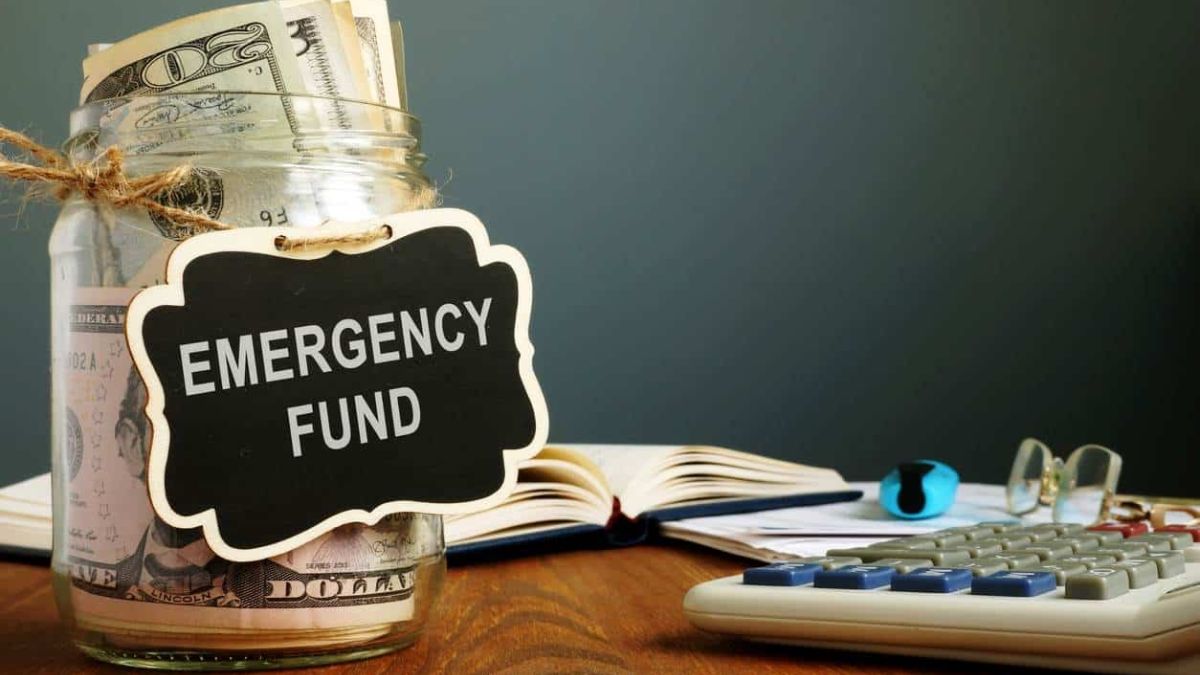
An emergency fund is money set aside for unexpected expenses like car repairs, medical bills, or sudden income loss.
Why it matters:
- It prevents debt. You can pay for surprises without credit cards.
- It reduces stress. Security changes how you feel about everything.
- It protects your goals. You won’t have to pull money from long-term savings.
- It gives you freedom. You can make career and business decisions from calm, not panic.
The honest part: Saving feels slow at first. Progress compounds, though, and small, consistent deposits matter more than big, occasional ones.
How Much Should You Save?
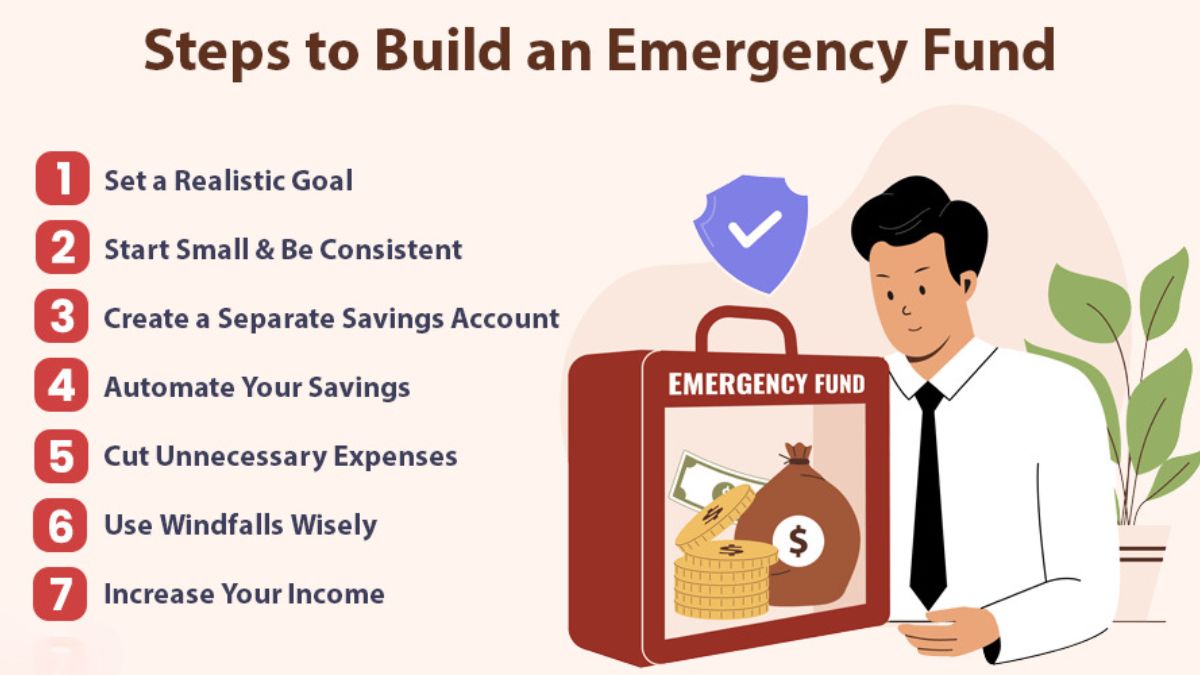
A common guideline is three to six months of essential expenses, though your ideal amount depends on your situation.
Consider Saving More If:
- You have an irregular income, like freelancing or business ownership.
- You’re the sole earner in your household.
- You have dependents.
- You work in an unstable industry.
Start With a Mini Goal
Don’t let a big number discourage you. Many people begin with:
- A starter fund of $500 to $1,000.
- One month of essential expenses.
- Three months, and eventually more.
Calculate Your Essentials
Add up monthly costs for housing, utilities, food, transportation, insurance, minimum debt payments, and other must-haves. Multiply that total by your target number of months.
Where to Keep Your Emergency Fund
Your emergency fund should be safe and accessible, not invested in volatile assets.
- High-yield savings accounts: Often pay better interest than regular savings and are usually insured within limits. Check current rates and insurance details.
- Regular savings accounts: Simple and accessible.
- Money market accounts: Another option for some savers.
Keep it separate from your everyday checking account so you aren’t tempted to spend it. Rates and products change, so compare options from reputable institutions.
How to Build Your Emergency Fund
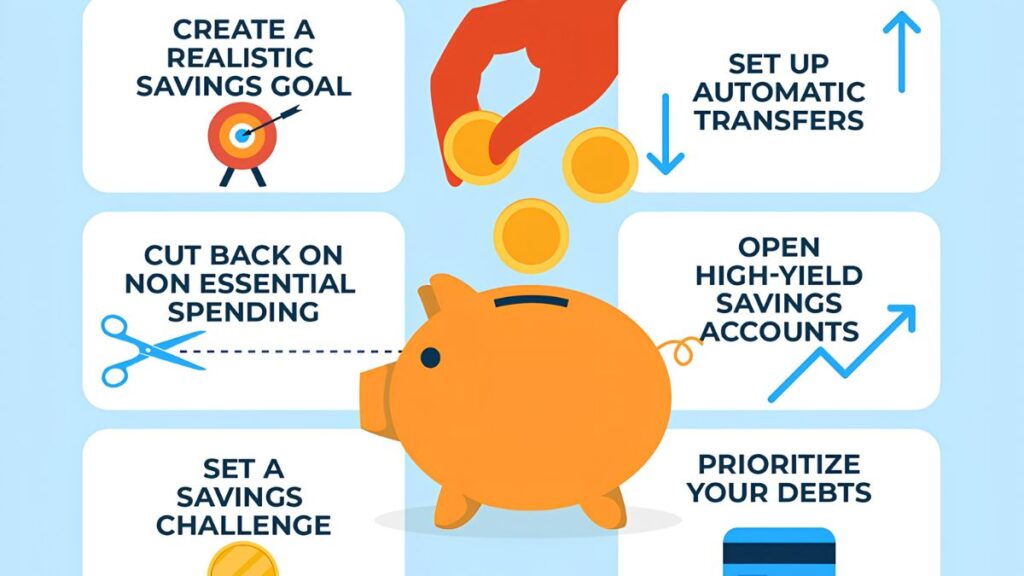
- Open a separate savings account and name it “Emergency Fund.”
- Automate transfers on payday, even $10 or $25.
- Use windfalls: Tax refunds, bonuses, gifts, and side-hustle income.
- Trim one expense and redirect that money.
- Sell unused items and put the proceeds in savings.
- Boost income with a side hustle and direct a set portion to savings.
- Track progress visually with a chart or tracker.
If you want a friendly, step-by-step approach to budgeting and saving, The Smart Mom’s Complete Guide to Money walks through the process with real-life examples.
Boosting Income to Save Faster
Extra income speeds up your timeline. Consider freelancing, digital products, or other flexible side income. The Stay-At-Home Mom’s Guide to Making Money Online shares beginner-friendly ideas, and The Digital Marketing Playbook can help you attract customers.
What Counts as an Emergency?
Be clear about what the fund is for:
- Yes: Urgent car or home repairs, medical bills, sudden job loss, essential travel for family emergencies.
- No: Sales, vacations, holiday gifts, or planned expenses.
For predictable costs like holidays or annual fees, create separate “sinking funds” so you’re never surprised.
When to Start Investing
Most people benefit from this general order of priorities, though your situation may differ:
- Build a starter emergency fund.
- Pay down high-interest debt, such as credit cards.
- Take advantage of any employer retirement match, if available.
- Grow your emergency fund toward your target.
- Invest for long-term goals.
Investing Basics for Beginners
Investing means putting money into assets that may grow over time, such as stocks, bonds, or funds. It carries risk, and values can go down as well as up.
Key Concepts
- Time horizon: Investing is generally for long-term goals, often five years or more.
- Diversification: Spreading money across many investments to reduce risk.
- Compound growth: Earnings generate their own earnings over time.
- Fees: Costs reduce returns, so compare them.
- Risk tolerance: How much ups and downs you can handle emotionally and financially.
Common Beginner-Friendly Options
- Employer retirement plans like 401(k) or similar, in your country.
- Individual retirement accounts where available.
- Broad index funds or ETFs, which hold many investments in one fund.
- Education savings accounts for children’s future costs, where available.
Rules, tax treatment, and account types differ by country, so learn the details for where you live.
Starting Small
You don’t need a lot to begin. Many platforms allow small, regular contributions.
- Choose your goal, such as retirement or education.
- Pick an account type appropriate for that goal.
- Start with a small, automatic contribution.
- Choose low-cost, diversified options that match your risk tolerance.
- Increase gradually as income grows.
Pro tip: Consistent contributions over many years usually matter more than trying to time the market.
A Simple Example of Compound Growth
Compound growth is easier to understand with numbers, though real returns vary and are never guaranteed. Imagine you invest $100 each month for 20 years. You’d contribute $24,000 in total. If your investments grew at an average of 6 percent per year, which is only an illustration and not a promise, your balance could end up around $46,000. Roughly half of that would come from growth rather than your own contributions.
Now imagine you wait ten years to start. You’d contribute only $12,000, and the final balance would be far lower. The lesson isn’t to chase a specific return. It’s that time and consistency are powerful, which is why starting small and early often beats starting big and late.
Teaching Kids About Saving and Investing
Good money habits start young. A few simple ideas:
- Use three jars or accounts: save, spend, and share.
- Let kids make small mistakes with their own money, when stakes are low.
- Show them your savings goals and celebrate milestones together.
- Explain simple concepts like interest or “money making money” with stories and examples.
- Open a custodial or youth savings account where available, as they grow.
Children who see calm, confident money conversations at home tend to grow into adults who feel capable about their finances.
Avoid Common Investing Mistakes
- Chasing hot tips or trends.
- Investing money you’ll need soon.
- Panic-selling during downturns.
- Ignoring fees.
- Putting everything into one investment.
- Falling for guaranteed-return promises. Genuine investments don’t guarantee profits.
Protect Yourself From Scams
- Be skeptical of “guaranteed” returns.
- Verify that advisors and platforms are properly registered where you live.
- Never share passwords or one-time codes.
- Avoid pressure to act immediately.
Use AI as a Learning Tool, Not an Advisor
AI can explain concepts, help you build a savings schedule, or draft questions for a financial professional. But it can’t know your full situation, and information may be outdated, so verify anything important. The Claude Advantage shows how to prompt effectively for learning and planning.
A Sample 12-Month Plan
- Months 1–2: Track spending, open a savings account, and automate your first deposits.
- Months 3–6: Build toward a $1,000 starter fund or one month of expenses.
- Months 7–9: Address high-interest debt while continuing small savings.
- Months 10–12: Grow your emergency fund and, if appropriate, begin small, automatic investing.
Adjust the timeline to your income and circumstances.
Mistakes to Avoid
- Waiting for a “perfect” time to start.
- Keeping your emergency fund in risky investments.
- Dipping into the fund for non-emergencies.
- Investing before building basic savings.
- Comparing your progress to others.
Quick Answers About Emergency Funds and Investing
How much should I have in an emergency fund? Many guidelines suggest three to six months of essential expenses, but your needs may differ.
Should I invest or save first? Most people start with a starter emergency fund and handle high-interest debt before investing, but a financial professional can advise on your situation.
Can I start investing with a small amount? Often yes. Many platforms allow small, regular contributions.
Is investing safe? All investing involves risk, and you can lose money. Diversification and long time horizons can help manage risk.
Small Steps Build Big Security
Learning to build an emergency fund and start investing small is about creating safety first, then growth. Start with a modest goal, automate your savings, and be patient with yourself.
This week, open a separate savings account and set up an automatic transfer, even if it’s just $10. Trust me, the next time life throws a curveball, you’ll be so glad you started. You’ve got this!










Leave a Reply