

My first “marketing” project was helping my cousin promote her small bakery. I posted a few photos, wrote some captions, and set up a basic Google Business listing. Within a month, she told me she’d gotten more orders than she could handle. I hadn’t done anything fancy, but I’d learned something that changed my career: businesses will pay you to help them get customers.
If you want to learn digital marketing, you’re choosing a skill that works in almost every industry and fits remote work beautifully. Every business needs customers, and most owners don’t have time to figure out online marketing themselves.
In this guide, I’ll walk you through the core skills, the best ways to learn them, how to build a portfolio, and how to find clients or jobs, even with no experience.
What Is Digital Marketing?
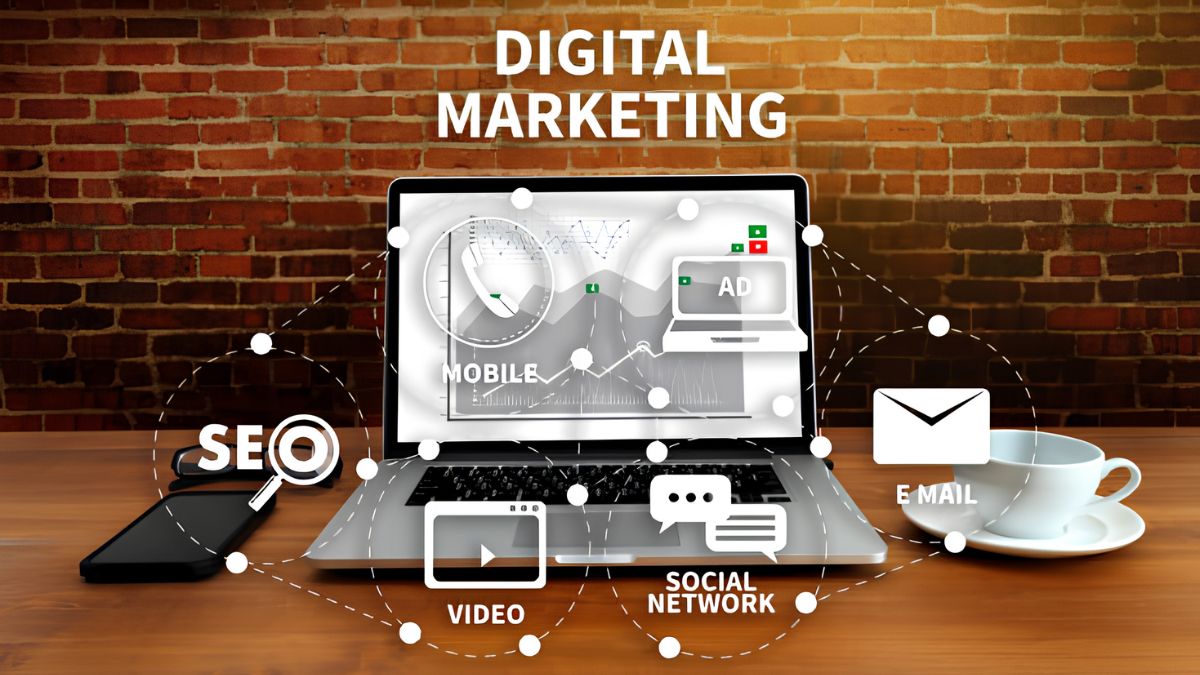
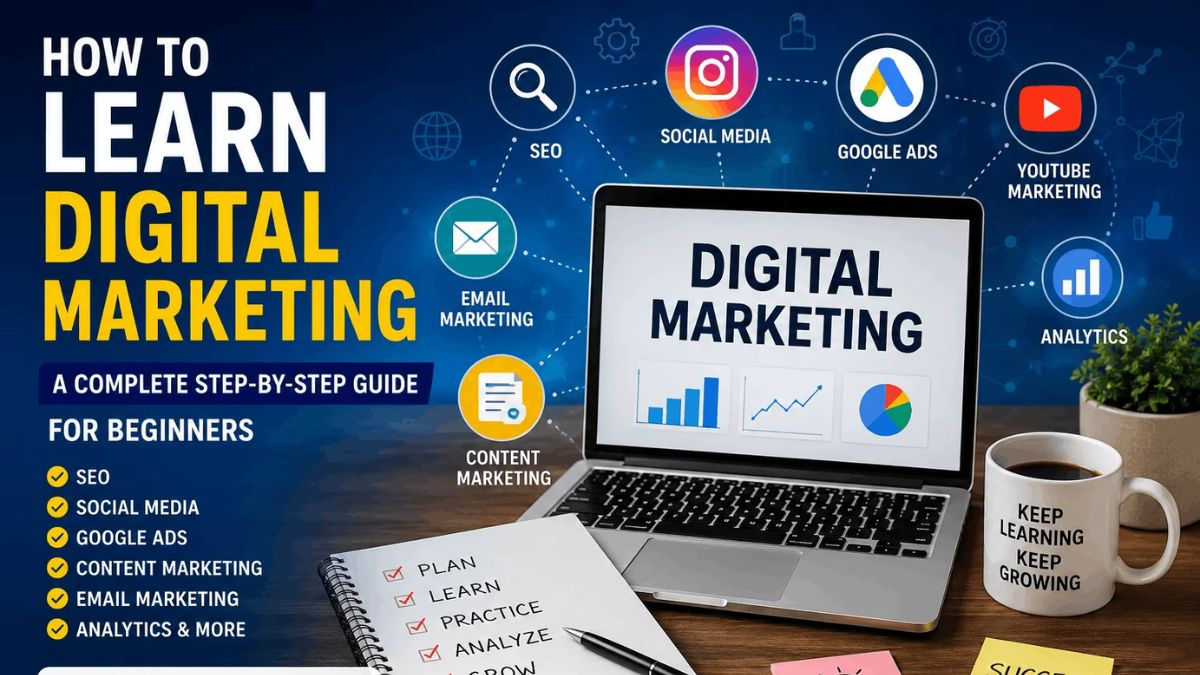
Digital marketing means promoting products, services, or brands through online channels. It includes:
- SEO (search engine optimization): Helping websites rank in search results.
- Content marketing: Blogs, videos, and guides that attract and educate.
- Social media marketing: Building and engaging an audience.
- Email marketing: Nurturing subscribers and driving sales.
- Paid advertising: Ads on search engines and social platforms.
- Affiliate and partnership marketing.
- Analytics: Measuring what works.
Why it’s a great skill to learn:
- High demand. Businesses of all sizes need marketing help.
- Remote-friendly. You can work from anywhere.
- Multiple paths. Freelance, agency, in-house, or your own business.
- Skill stacking. Marketing makes every other income stream stronger.
The honest part: Platforms and tactics change constantly, so you’ll need to keep learning. And results depend on strategy, not just tools.
For a clear foundation, The Digital Marketing Playbook walks through the fundamentals in plain, beginner-friendly language.
Step 1: Understand the Marketing Basics
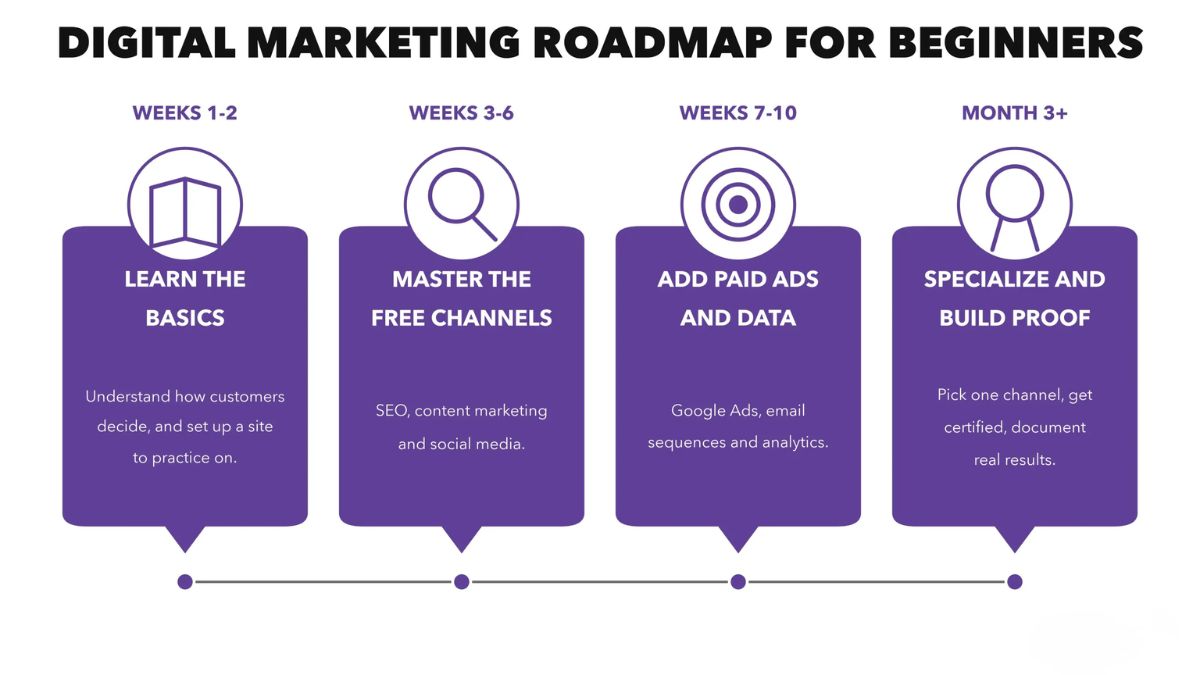
Before diving into tools, learn the principles:
- Know your audience. Who are they and what do they want?
- Craft a clear message. Explain benefits, not just features.
- Understand the customer journey: awareness, consideration, decision, and loyalty.
- Set measurable goals, such as leads, sales, or sign-ups.
- Test and improve. Marketing is experimentation.
These principles apply to every channel.
Step 2: Pick a Starting Specialty
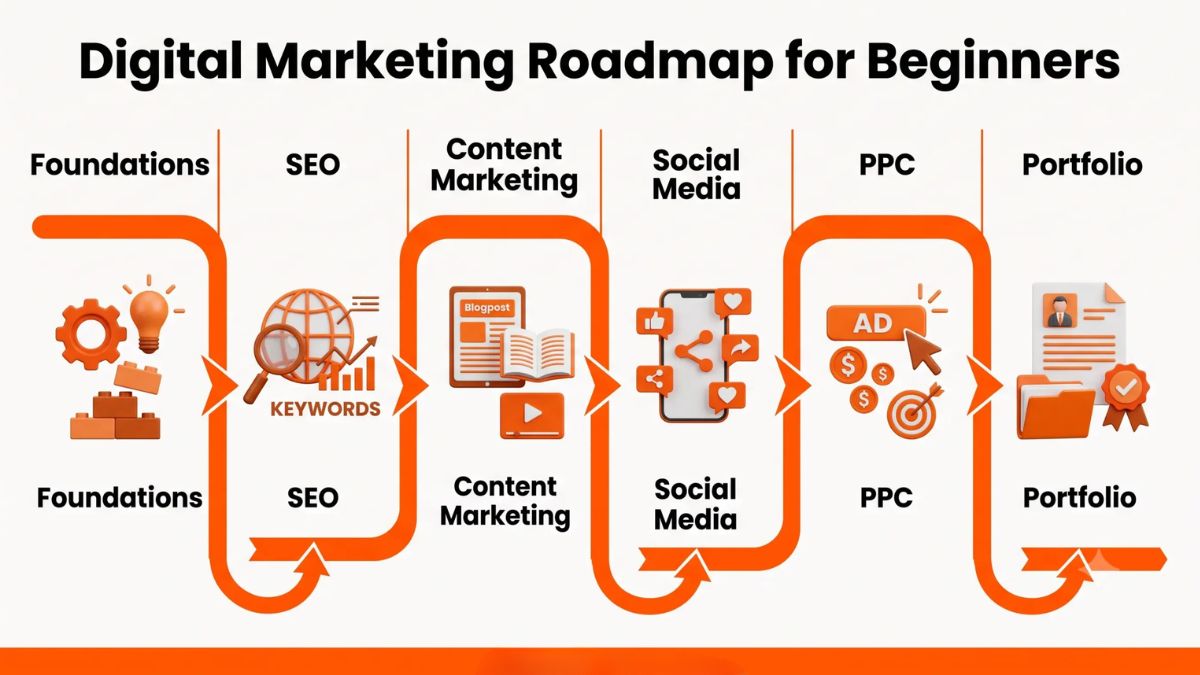
You don’t need to master everything at once. Choose one area to start:
- Social media management: Good for creative, people-oriented learners.
- Content writing and SEO: Good for writers and researchers.
- Email marketing: Good for strategic, detail-oriented thinkers.
- Pinterest marketing: A rising niche for bloggers and shops.
- Paid ads: Good for analytical learners, though it requires care with client budgets.
- Marketing assistant or coordinator: A broad entry point.
Pro tip: Pair a specialty with a niche, such as “email marketing for course creators.” Specific expertise earns more.
Step 3: Learn the Skills (Free and Low-Cost Ways)
You can learn a huge amount without spending much.
Free and Affordable Resources
- HubSpot Academy and Google Skillshop: Free courses and certifications.
- YouTube tutorials from experienced marketers.
- Blogs and newsletters from industry leaders.
- Podcasts for tips on the go.
- Practice projects on your own blog or social account.
Learn by Doing
Reading isn’t enough. Start your own small project:
- Create a simple blog, Pinterest account, or Instagram page on a topic you like.
- Apply what you learn and track results.
- Document your process and outcomes.
Practical results are the best proof you can show a future client.
Step 4: Use AI to Learn and Work Faster
AI can speed up research, brainstorming, and drafting.
- Generate content ideas and calendars.
- Draft emails and captions you then refine.
- Summarize competitor research.
- Create outlines for blog posts and reports.
Always review and add your strategic thinking. The Claude Advantage shares practical prompt frameworks to help you get stronger results, and The AI-Powered Solopreneur shows how to build efficient systems around them.
Step 5: Build a Portfolio With No Clients
Employers and clients want proof.
- Run your own project and record growth and results.
- Create sample work, such as a mock content calendar, email sequence, or social media audit for a real business.
- Offer a few free or discounted pilot projects for friends or local businesses in exchange for testimonials.
- Write short case studies: problem, actions, results.
- Show your process with screenshots and brief explanations.
Put your best work in a simple online portfolio using a website, Notion page, or Canva.
Step 6: Build Your Personal Brand
Marketers who market themselves well attract more opportunities.
- Create a clear LinkedIn profile highlighting your specialty.
- Share what you’re learning in posts or short videos.
- Network with other marketers and business owners.
- Show results and insights, not just buzzwords.
The Personal Brand Blueprint helps you shape a professional presence that attracts clients and employers.
Step 7: Find Paid Work
Freelance Clients
- Your network: Start with people who know you.
- Freelance platforms: Upwork and similar sites.
- Direct outreach: Pitch small businesses with a specific, helpful idea.
- Communities: Join groups where business owners ask for help.
Jobs
- Entry-level roles: Marketing assistant, social media coordinator, content writer, and email marketing assistant.
- Remote job boards for flexible positions.
- Internships or apprenticeships to gain experience.
A Simple Pitch Template
- Greet them by name and mention something specific you noticed.
- Share one quick idea to improve their marketing.
- Show brief proof from your portfolio.
- Offer a short call or a small starter project.
Step 8: Set Rates and Grow
Rates vary widely by service, region, and experience.
- Research market rates before pricing.
- Offer packages or retainers for predictable income.
- Price by result and value, not just hours.
- Raise rates as your skills and proof grow.
- Specialize to command higher prices.
Manage Your Money
- Track income and expenses.
- Set aside money for taxes. Consult a qualified professional.
- Keep a buffer for slow months.
The Smart Mom’s Complete Guide to Money provides simple, practical money habits for variable income.
A Sample Practice Project to Build Real Experience
Wondering what a practice project looks like? Here’s one you could start this week:
- Pick a topic you enjoy, such as budget meal planning.
- Create a Pinterest account and a simple one-page blog or landing page.
- Research ten keywords people search for in that topic.
- Publish three helpful posts or guides targeting those keywords.
- Design 15 pins and schedule them over a few weeks.
- Create a free checklist and collect email sign-ups.
- Track your results, including impressions, clicks, and subscribers.
After two or three months, you’ll have real numbers and real lessons. That’s a portfolio piece worth far more than a certificate alone, and you can say, “Here’s what I did and what happened.”
How to Stay Current as Marketing Changes
Digital marketing moves quickly, so build a simple learning habit:
- Follow two or three trusted sources rather than dozens.
- Set aside one hour a week for reading or watching tutorials.
- Test new ideas on small projects before using them for clients.
- Join a community of marketers where you can ask questions.
- Focus on fundamentals, because understanding people never goes out of style.
Tools will keep changing, but a marketer who understands audiences, messages, and measurement will always be valuable.
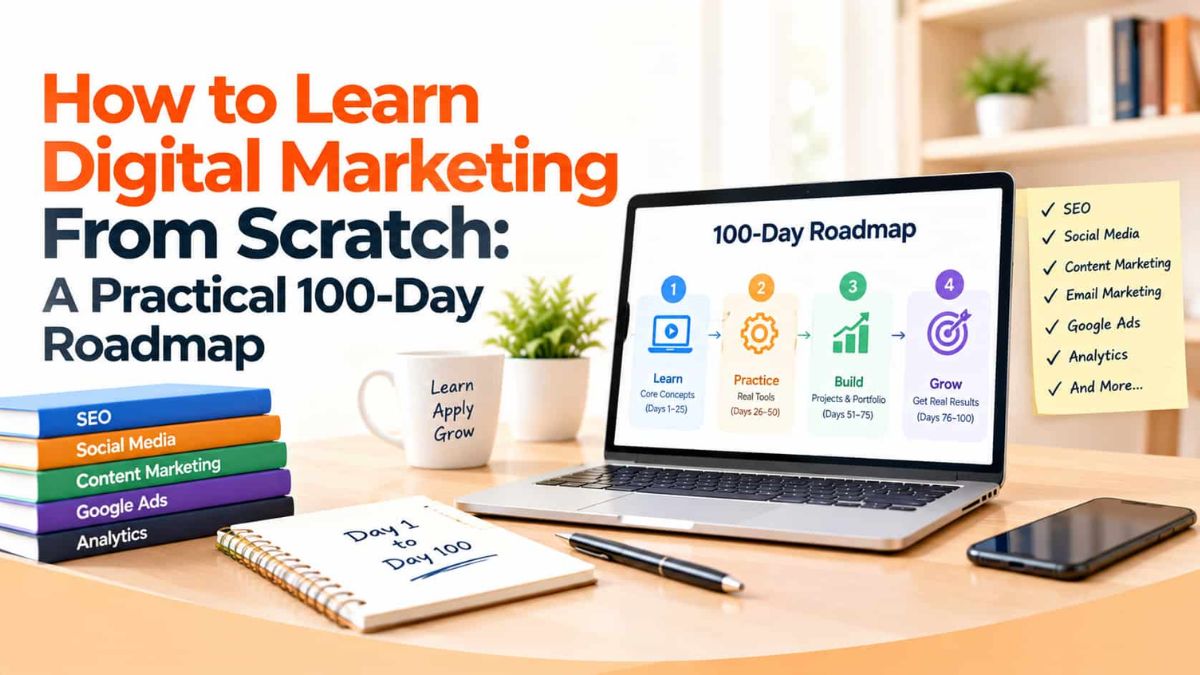
A 90-Day Learning Plan
Days 1–30: Learn the basics, choose a specialty, and start a practice project.
Days 31–60: Deepen your skills, produce sample work, and track practice results.
Days 61–90: Build your portfolio, update your LinkedIn, and pitch ten potential clients or employers.
Choosing Between a Job and Freelance Path
Learning digital marketing opens two main doors, and neither is wrong:
- Employment: Offers steady income, mentorship, and structured learning. It’s a good fit if you value stability and want to gain experience quickly across many tools.
- Freelancing: Offers flexibility and control, but requires you to find clients, handle admin, and manage uneven income.
- A hybrid path: Many people work part-time or in a job while freelancing on the side, then decide whether to go full-time.
Whichever you choose, keep a record of results, such as traffic growth, email list growth, or campaign performance. Those numbers become your proof when you apply for roles or pitch clients, and they’re far more convincing than a list of tools you’ve used.

Mistakes to Avoid
- Learning without practicing.
- Chasing every new tool.
- Promising guaranteed results.
- Ignoring analytics.
- Underpricing for too long.
Quick Answers About Learning Digital Marketing
Do I need a degree? No. Skills, results, and a strong portfolio often matter more.
How long does it take to get paid? Many learners land a first small project within two to four months of focused effort.
How much can digital marketers earn? It varies widely by role, region, and specialty. Skills and results drive growth.
Is digital marketing still a good career? Yes, though it rewards people who keep learning and focus on real business outcomes.
Your Marketing Skills Are Worth Paying For
Learning digital marketing is one of the most practical ways to build income from home. Start with the basics, choose a specialty, practice on a real project, and build proof you can show.
This week, pick your specialty and start a small practice project. Trust me, the first time you help a business get a real customer, you’ll feel like you’ve unlocked a superpower. Let’s get learning!










Leave a Reply