


A few years ago, two freelancers pitched me for the same project. Their skills looked nearly identical on paper. One had a clear website, a consistent message, and a handful of helpful posts I’d actually read. The other had an empty profile and a generic pitch. I hired the first one in about ten minutes. That moment taught me something I’ve never forgotten: when skills look similar, brand decides.
If you want to build a personal brand online, you’re investing in an asset that makes every other income stream easier. Clients find you faster, customers trust you sooner, and opportunities start coming to you.
In this guide, I’ll walk you through defining your brand, shaping your voice and visuals, creating content, and turning your reputation into income.
What Is a Personal Brand (And Why It Matters)?
Your personal brand is what people think and feel when they hear your name. It’s the combination of your expertise, personality, values, and the results you’re known for.
Why it matters for income:
- Trust shortens the sales process. People buy from those they know and like.
- You can charge more. Recognized experts often command higher rates.
- Opportunities find you. Clients, collaborations, and brand deals come inbound.
- Resilience. A strong brand travels with you across platforms and jobs.
The honest part: A personal brand isn’t fake perfection. The strongest brands are authentic, with real stories and honest opinions. And it takes consistency over time, not a single post.
Step 1: Get Clear on Who You Help and How
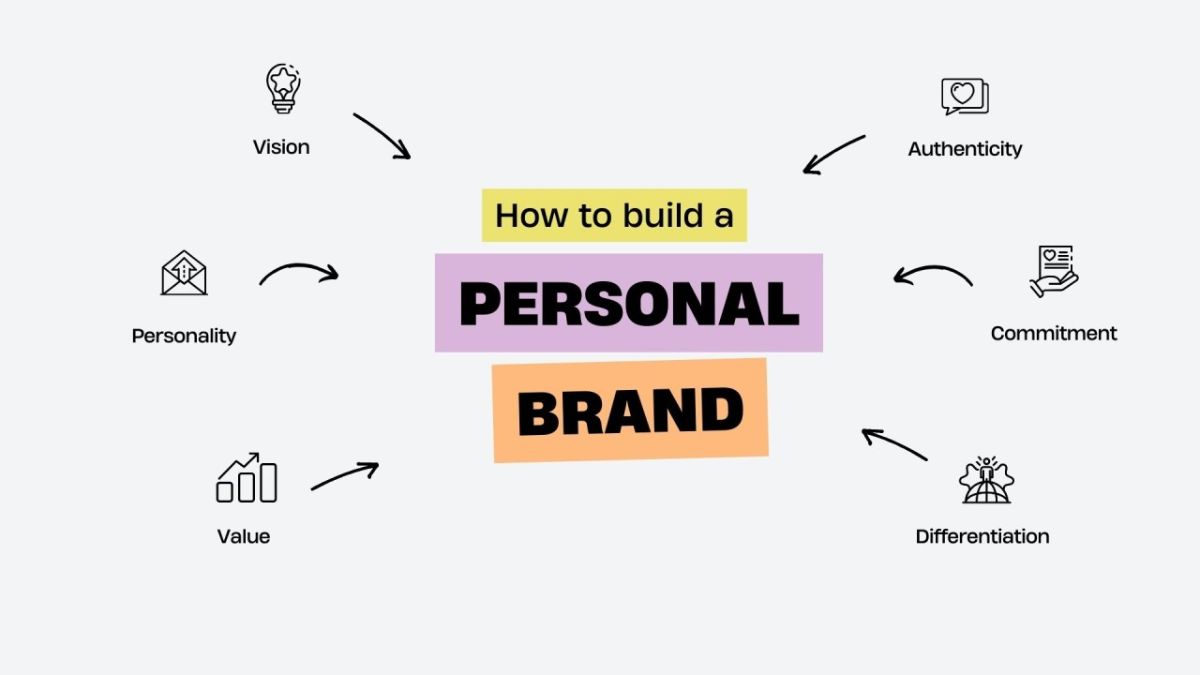
Many beginners say, “I help everyone.” That’s the fastest way to be forgotten. Use this positioning statement:
“I help [specific audience] achieve [specific result] through [your unique approach or experience].”
Examples:
- “I help busy moms build side income with simple digital products.”
- “I help new freelancers land their first clients without cold-pitching.”
Questions to Clarify Your Brand
- What am I genuinely good at?
- What do people regularly ask me for help with?
- Who do I most enjoy serving?
- What’s my story and why do I care?
- What do I want to be known for in three years?
For a deeper exercise-based walkthrough, The Personal Brand Blueprint guides you through each part of the process.
Step 2: Define Your Brand Voice and Values
Your voice is how you sound in writing and on camera. Choose three words that describe it, such as warm, practical, and honest.
Voice Tips
- Write like you talk. Read drafts out loud.
- Pick a point of view. Strong opinions make you memorable.
- Share stories. Personal moments create connection.
- Be consistent across platforms.
Define Your Values
Decide what you stand for and what you won’t promote. For example, you might commit to only recommending products you’ve used. Your values guide your content and protect your reputation.
Step 3: Create a Simple Visual Identity
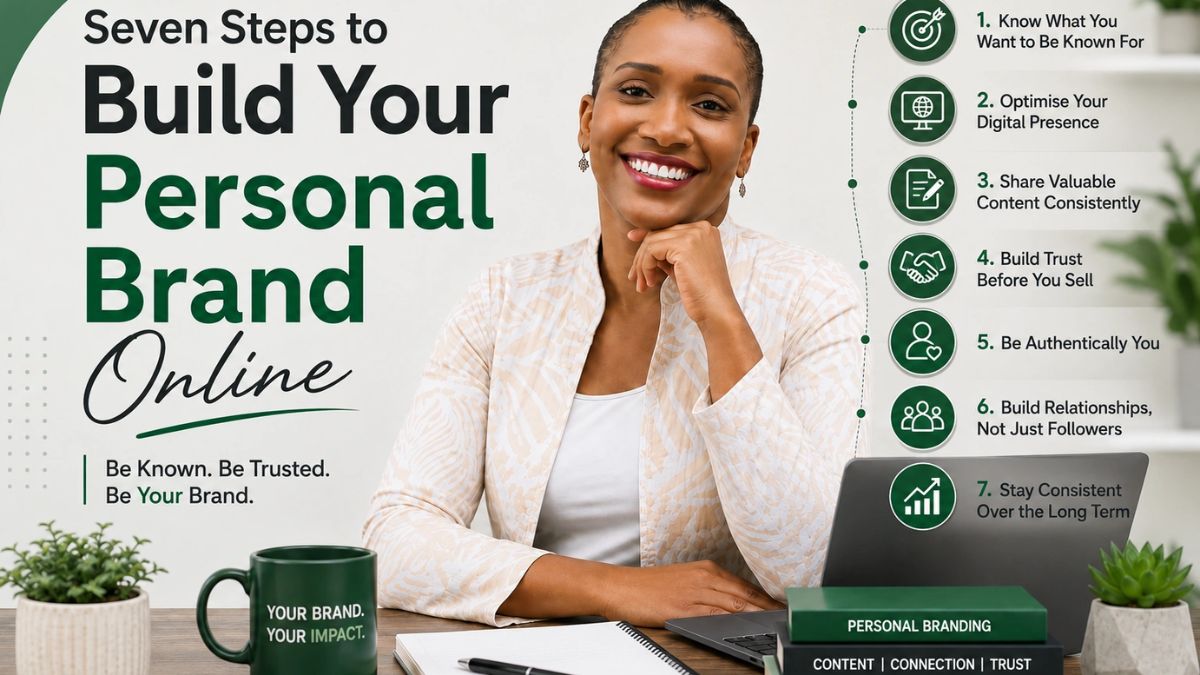
You don’t need a designer to look professional.
- Colors: Choose two or three that reflect your personality.
- Fonts: One for headings and one for body text.
- Logo or wordmark: A simple text logo works well.
- Photos: A clear, friendly headshot and a few lifestyle images.
- Templates: Create Canva templates for posts, pins, and slides.
Consistency makes you recognizable. When someone sees your colors, they should think of you immediately.
Step 4: Build Your Online Home Base
Social platforms are rented space. Build a home you own.
Your Essential Assets
- A simple website or landing page with your story, services or products, and contact details.
- An email list with a helpful freebie.
- A professional bio you can reuse everywhere.
- A media kit or portfolio if you do client work.
Keep it simple and clear. A one-page site beats a complicated site that never launches.
Step 5: Choose Your Platforms and Content Pillars
You don’t need to be everywhere. Choose one main platform and one supporting platform based on where your audience spends time.
Content Pillars
Choose three to four themes you’ll consistently talk about. For example:
- Education: Tips and how-tos.
- Story: Your journey, lessons, and behind-the-scenes.
- Proof: Client results, testimonials, and case studies.
- Offers: Your services and products.
This structure keeps your content focused and makes planning easier. AI can help with brainstorming and drafting, but your voice must lead. The Claude Advantage shows how to prompt AI effectively while keeping your content personal.
Step 6: Create Content Consistently
Consistency builds recognition and trust.
- Plan a month at a time with a simple content calendar.
- Batch create content in focused sessions.
- Repurpose one idea across formats, such as a blog post, video, carousel, and email.
- Engage with comments and messages.
- Share both wins and lessons.
For help planning and promoting your content, The Digital Marketing Playbook is a solid resource.
Step 7: Build Credibility and Social Proof
People trust proof more than claims.
- Collect testimonials from clients and customers.
- Share results with permission.
- Create case studies that show your process.
- Speak or guest post on podcasts, blogs, and communities.
- Get featured by collaborating with others in your niche.
Step 8: Turn Your Brand Into Income
A strong brand supports many income streams:
- Services: Freelancing, coaching, and consulting.
- Digital products: Templates, planners, ebooks, and courses.
- Affiliate marketing: Recommend products you trust.
- Sponsorships and brand deals.
- Speaking, workshops, and memberships.
If you want ideas for turning your expertise into offers, The Stay-At-Home Mom’s Guide to Making Money Online is full of practical inspiration. And if you’re aiming for creator-style income, The Complete Beginner’s Guide to Building a KOL Influencer Career goes deeper into partnerships and audience growth.
Examples of Strong Personal Brand Positioning
Seeing examples makes this easier, so here are a few fictional ones to spark ideas:
- The budget-savvy mom: “I help busy moms save money and build side income without giving up family time.” Her content mixes practical budgeting tips, honest product reviews, and personal stories.
- The career switcher: “I help teachers move into remote jobs.” His brand centers on his own transition story, resume tips, and interview scripts.
- The wellness-minded freelancer: “I help new freelancers build calm, sustainable businesses.” Her brand blends client-getting strategies with gentle productivity routines.
Notice how each one names a specific audience, a clear result, and a personal angle. None of them try to be everything to everyone, and that’s exactly why people remember them.
How to Stay Authentic While Growing
As your brand grows, it’s tempting to copy what’s working for others. I’ve felt that pull many times. Here’s how I stay grounded:
- Return to your values whenever you feel pulled off course.
- Share your real experiences, including mistakes, because they build trust faster than perfection.
- Say no to opportunities that don’t fit your message, even when they pay.
- Check in every quarter. Ask what’s working, what feels draining, and what your audience asks for most.
- Let your brand evolve gently. You can grow without abandoning who you are.
Audiences can sense authenticity. When your content reflects who you truly are, you attract the right people and repel the wrong ones, which is exactly what a strong brand should do.
A 30-Day Personal Brand Launch Plan
Week 1: Clarity
- Write your positioning statement.
- Choose your voice words, values, and content pillars.
Week 2: Foundation
- Create your visual identity in Canva.
- Set up your bio, headshot, and profiles.
Week 3: Home Base
- Launch a simple website or landing page.
- Create a freebie and set up an email sign-up form.
Week 4: Momentum
- Publish your first week of content.
- Reach out to three people in your niche for collaboration.

Protect Your Reputation and Your Wellbeing
- Be honest. Never exaggerate results or credentials.
- Disclose partnerships and affiliate links.
- Set boundaries around what you share personally.
- Handle criticism calmly. Learn from useful feedback and ignore noise.
- Manage money wisely. Track income and save for taxes. The Smart Mom’s Complete Guide to Money offers simple frameworks.
Mistakes to Avoid
- Copying someone else’s brand. Authenticity wins.
- Changing direction constantly. Consistency builds recognition.
- Hiding behind perfection. Show your real journey.
- Ignoring your audience. Listen and adjust.
- Neglecting your home base. Own your platform.
Quick Answers About Personal Branding
Do I need to be an expert? You need to be a few steps ahead of the people you help and willing to share honestly.
How long does it take to build a brand? Many people notice growing recognition after three to six months of consistent effort.
Do I need a website? It’s highly recommended, because it gives you a home you control.
Can I build a brand if I’m shy? Yes. Writing, faceless content, and one-on-one connections can all build a strong brand.
Your Brand Starts With One Honest Message
When you build a personal brand online, you create something that works for you around the clock. Get clear on who you help, find your voice, show up consistently, and let your real story shine.
This week, write your positioning statement and share it publicly. Trust me, putting a clear message out there feels scary and then wonderfully freeing. You’ve got this!








Leave a Reply