

Every few months, someone in my inbox says, “I found a course that teaches dropshipping. I just need to spend a few hundred dollars and I’ll make money while I sleep.” My stomach tightens every time. Not because dropshipping can’t work, but because the way it’s sold online often leaves out the hard parts: thin margins, slow shipping, customer complaints, platform rules, and ad costs that keep climbing.
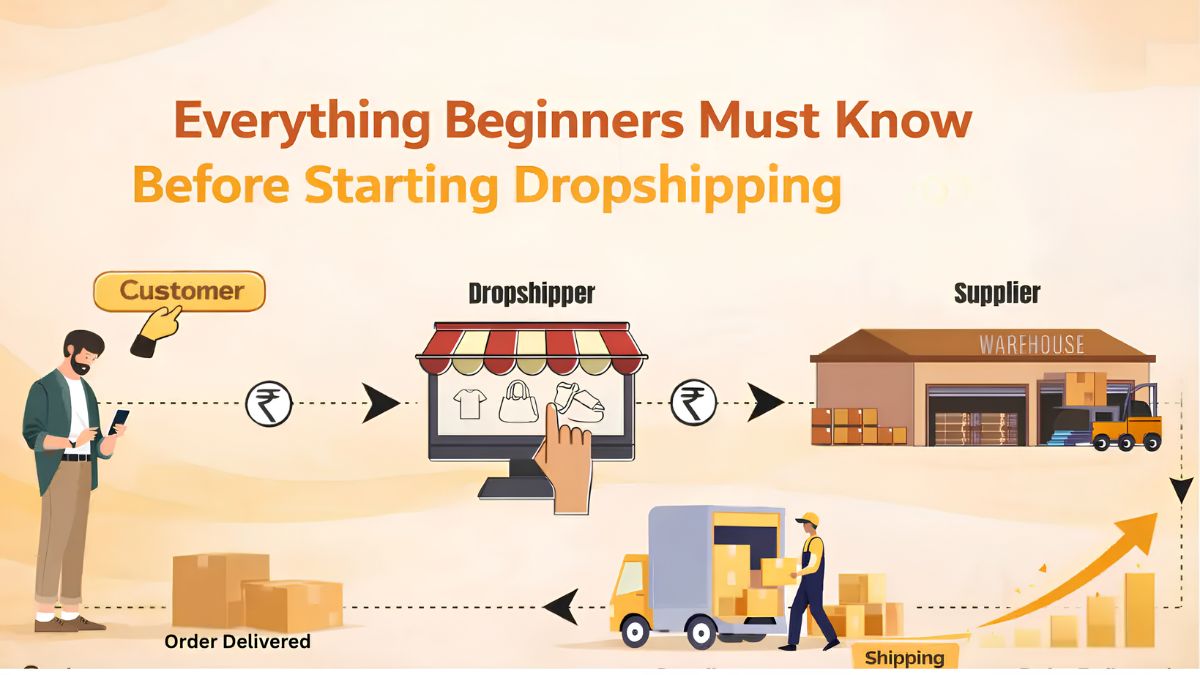
Dropshipping means selling products you don’t stock. When a customer orders, a supplier ships directly to them. No inventory, no warehouse, low startup costs. That’s the pitch, and it’s true as far as it goes. But low startup cost doesn’t mean low risk. And the environment has changed. Ad costs have risen: Metricool’s study of nearly 600,000 campaigns found Meta’s average cost per lead climbing to about $6.00, and marketers broadly cite rising media costs as a top worry. Marketplaces and platforms are tightening rules on mass-produced and AI-generated listings. Shoppers are comparing prices across tools like Google’s Universal Cart. And job-scam and fake-course warnings are common: the FTC has seen reports of job and business-opportunity scams climb sharply.
In this guide, I’ll give you an honest dropshipping reality check: how it works, what it costs, where it goes wrong, how to evaluate it for yourself, and safer ways to test an e-commerce idea. (This is general information, not financial advice. Most new dropshipping stores earn little or nothing at first, and nothing here guarantees income.)
How Dropshipping Works
- You create a store and list products from a supplier.
- A customer buys from your store and pays you.
- You pay the supplier, who ships the product to the customer.
- You keep the difference, minus fees, ads, refunds, and other costs.
You’re responsible for marketing, customer service, refunds, and the customer’s experience, even though you never touch the product.
The Real Challenges
1. Thin margins
After product cost, shipping, payment fees, platform fees, and ad spend, the profit per sale can be small, sometimes nothing. Many beginners discover they’re losing money on every order once ads are included.
2. Advertising costs
Most dropshipping stores rely on paid ads. With rising costs and automation reducing manual control on major platforms, finding profitable ads is harder, especially for generic products anyone can sell.
3. Shipping and delivery times
If suppliers ship from far away, delivery can take weeks. Customers expect fast, tracked delivery, and slow shipping leads to complaints, chargebacks, and bad reviews.
4. Product quality and returns
You don’t control quality. If the product disappoints, you handle refunds and reputation damage.

5. Competition and copycats
Anyone can sell the same product from the same supplier, so differentiation is hard. Selling identical products at the lowest price is a race to the bottom.
6. Platform and legal risks
- Marketplace rules: many marketplaces restrict or ban certain drop-shipped models, mass-produced listings, and misleading product images.
- Advertising rules: misleading claims, fake urgency, and unverified health or beauty claims can bring bans or legal trouble.
- Consumer protection and customs: you may be responsible for accurate pricing, refunds, taxes, and import rules.
- Intellectual property: selling counterfeit or look-alike products can lead to takedowns and lawsuits.
7. Scams around the model
- Expensive courses and coaching that promise guaranteed income
- “Done-for-you” stores sold at high prices with generic products
- Fake suppliers that never ship
- Unrealistic income screenshots
Questions to Ask Before You Start
- Can I explain exactly why a customer would buy from me instead of anyone else?
- What’s my profit per order after all costs, including ads and refunds?
- How long does shipping take, and can I make that clear and acceptable?
- Can I verify the supplier, product quality, and any required certifications?
- Do I have a budget I can afford to lose while I test?
- Do I have a plan for customer service and returns?
- Am I comfortable with the legal and tax requirements where I live and sell?
If you can’t answer these, pause.
Doing the Math: A Simple Profit Check
For one product:
- Selling price: $___
- Product cost: $___
- Shipping cost: $___
- Payment and platform fees: $___
- Estimated advertising cost per sale: $___
- Refund and return allowance: $___
- Profit per sale: $___
If the profit is tiny or negative before you even run ads, the model doesn’t work for that product.

How to Test Safely (If You Still Want to Try)
- Start with a very small budget you can afford to lose.
- Order the product yourself to check quality and shipping speed.
- Choose suppliers with reliable shipping and clear policies, and read reviews carefully.
- Pick a specific niche and audience where you can offer a unique angle, such as bundles, useful content, or a trusted brand voice.
- Use honest product descriptions and images.
- Avoid products with strict regulations, such as supplements, cosmetics, and children’s items, unless you fully understand the rules and documentation.
- Be clear about shipping times on your site.
- Set a stop-loss: decide in advance how much you’ll spend and how long you’ll test.
- Track everything.
Safer Alternatives to Consider
If your goal is to sell products online, other models may carry less risk for beginners:
- Selling digital products you create (see our guide)
- Print-on-demand with original designs, following marketplace rules
- Reselling used or secondhand items you can inspect
- Selling handmade goods through a marketplace and your own store
- Affiliate marketing for products you genuinely use
- Offering services that use your existing skills
These don’t remove risk, but they often avoid some dropshipping pitfalls like unknown product quality and long shipping.
Red Flags in Dropshipping Courses
- Guaranteed income or “easy money” claims
- Screenshots without proof or context
- Pressure to buy now
- No refund policy
- Instructors who sell courses more than they sell products
- Vague details about costs, ad spend, and refunds
- Requests for your login credentials
Before you buy any course, see our guide on vetting online courses and coaching programs.
Mistakes to Avoid
- Buying an expensive course before testing the basics.
- Selling generic products with no angle.
- Ignoring shipping times.
- Skipping product tests.
- Making unverified claims in ads.
- Spending money you can’t afford to lose.
- Forgetting taxes and local rules.

Your 30-Day Evaluation Plan
- Week 1: Research a niche, list three products, and do the profit math for each.
- Week 2: Order samples and evaluate quality and shipping.
- Week 3: Talk to ten potential customers about the product and price.
- Week 4: Decide: run a tiny, capped test, switch to a safer model, or skip it.
Build Your Online Income on a Roadmap
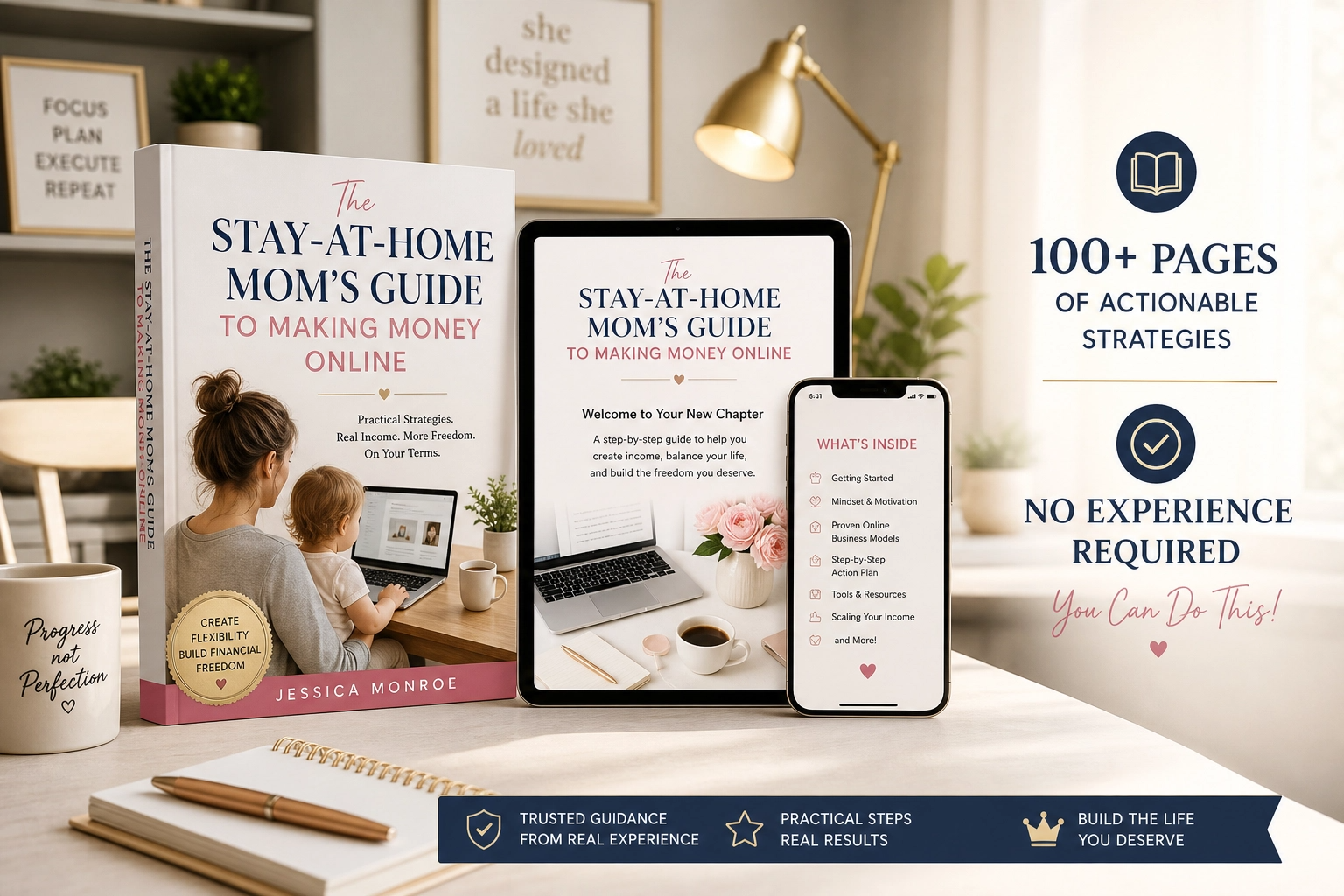
If you’d like a beginner-friendly roadmap for making money online as a stay-at-home mom, take a look at my ebook:
The Stay-At-Home Mom’s Guide To Making Money Online
Trust me, a boring plan with real math beats an exciting plan with wishful thinking.
Final Thoughts
Dropshipping isn’t a scam, but it isn’t easy money either. Margins are thin, costs are real, and risks come from every direction. Do the math, test small, protect customers with honesty, and consider safer alternatives. The best business is the one you understand well enough to run without hoping for luck.










Leave a Reply