


“I’d love to save more, but there’s just nothing left at the end of the month.” If you’ve ever said this, you’re far from alone. Many women feel like saving is something other people do, people with bigger paychecks and fewer expenses.
But here’s a secret: saving money has less to do with how much you earn and more to do with having a plan. When you know exactly what you’re saving for, how much you need, and how you’ll get there, even small amounts begin to add up.
In this post, I’ll show you how to create a savings plan step by step, from setting goals to automating deposits to staying motivated when life gets expensive.
Why a Savings Plan Matters
Savings give you freedom and security. They let you handle emergencies without panic, take opportunities without fear, and work toward dreams without debt. Benefits of having a savings plan include:
- Peace of mind: Knowing you have a cushion reduces stress.
- Fewer debts: Emergencies won’t automatically land on a credit card.
- Goal achievement: Travel, a home, a business launch, or a new car becomes realistic.
- Better decisions: You choose from a place of strength, not desperation.
Step 1: Know Your Starting Point
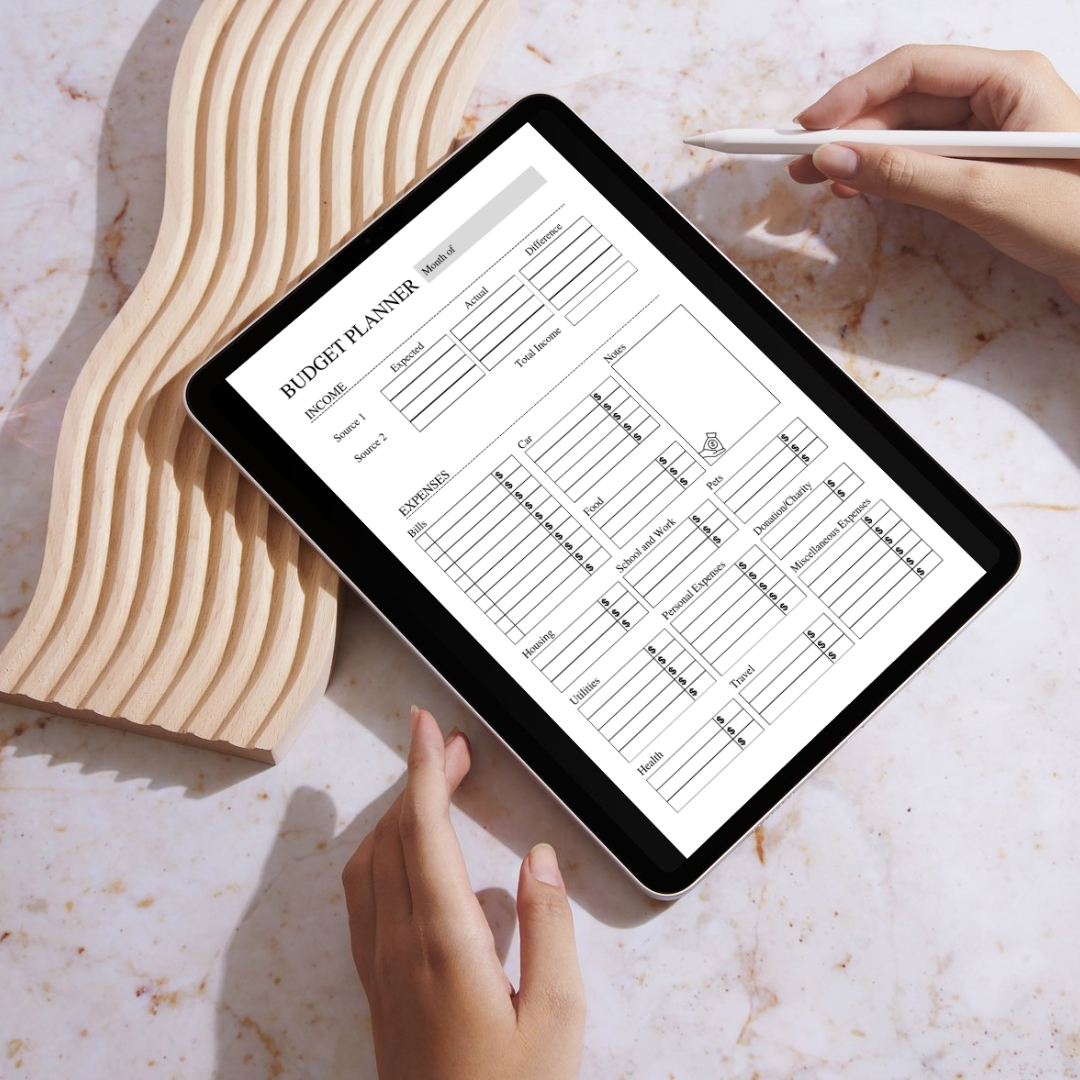
Before you can plan, you need to know where you stand. Calculate your monthly income, your monthly expenses, and your current savings and debts. If you haven’t built a budget yet, begin with a simple one. My Budget Planner makes it easy to see your income and spending side by side, so you can discover how much you can realistically save.

Step 2: Set Specific Savings Goals
“Save more money” is too vague to motivate you. Write specific goals with amounts and deadlines:
- Starter emergency fund: $1,000 in 3 months
- Full emergency fund: 3 to 6 months of expenses in 18 months
- Vacation fund: $2,500 by next summer
- Business launch fund: $3,000 in 12 months
Prioritize your goals. Most experts suggest starting with a small emergency fund, then paying off high-interest debt, then building longer-term savings.
Step 3: Calculate What You Need to Save Each Month
Divide your goal by the number of months you have. For example, saving $2,400 in 12 months means $200 per month, or about $46 per week. Seeing the smaller weekly amount often feels far more doable.
If the number is too high, adjust the timeline or reduce the goal. A realistic plan you follow is better than an ambitious one you abandon.

Step 4: Track Everything in a Savings Planner
Visual tracking is incredibly motivating. A dedicated Savings Plan template lets you list your goals, set target amounts, and color in your progress as you go. Watching a progress bar fill up creates a satisfying sense of momentum that makes you want to keep going.

If you like to customize your tools, the Budget Planner Editable Canva Template lets you design a savings and budget tracker that matches your style, and you can use it on your tablet or print it.

Step 5: Pay Yourself First
The biggest savings secret is to save before you spend. When your paycheck arrives, transfer your savings amount immediately instead of waiting to see what’s left. Whatever remains is yours to spend.
Make it automatic by setting up a recurring transfer to a separate savings account. Out of sight, out of mind, and out of temptation. Consider naming the account after your goal, such as “Dream Vacation” or “Safety Net,” to strengthen your emotional connection.
Step 6: Find Extra Money in Your Budget
If your savings number feels out of reach, look for areas to trim:
- Subscriptions: Cancel anything you rarely use.
- Food: Meal plan, cook at home more, and reduce impulse takeout.
- Bills: Call providers to negotiate rates or switch to cheaper plans.
- Shopping: Use a 24-hour rule before buying non-essentials.
- Banking fees: Switch to accounts with no monthly fees.
Small cuts that don’t hurt your happiness add up fast. Redirect those savings directly to your goal.

Step 7: Boost Your Income
Cutting expenses only goes so far. Increasing your income can speed things up dramatically. Consider:
- Asking for a raise or applying for a better-paying role
- Freelancing or offering a service based on your skills
- Selling unused items around your home
- Creating and selling digital products, such as templates and printables
Aim to put most of any extra income straight into savings so lifestyle creep doesn’t swallow it.
Step 8: Use Fun Savings Challenges
If traditional saving feels boring, gamify it. Popular challenges include:
- The 52-week challenge: Save $1 in week one, $2 in week two, and so on, reaching $1,378 by year end.
- No-spend weekends: Enjoy free activities and save what you’d normally spend.
- Round-up savings: Round each purchase up to the nearest dollar and move the difference to savings.
- Spare change jar: Collect coins and deposit them monthly.
Choose one that feels playful. Motivation grows when saving is fun.
How to Stay on Track
Even the best plan needs maintenance. Try these habits:
- Check in weekly. Review your progress during your money date.
- Celebrate milestones. Reach 25, 50, and 75 percent? Treat yourself in a small, budget-friendly way.
- Handle setbacks gracefully. If you have to dip into savings, make a plan to replenish it rather than quitting.
- Visualize the result. Put a photo of your goal where you can see it daily.
Understanding the Different Types of Savings Goals
Not all savings are created equal, and separating them helps you manage each properly.
- Emergency fund: Money for unexpected events such as medical bills, car repairs, or sudden job loss. Keep it accessible and untouched except for true emergencies.
- Short-term goals (under one year): Holidays, gifts, a new laptop, or a weekend getaway. These benefit from a clearly labeled sub-account.
- Medium-term goals (one to five years): A wedding, a car, a house deposit, or starting a business. You may want to look at options that earn interest while still staying relatively safe.
- Long-term goals (five years or more): Retirement and major investments, where professional guidance can be especially valuable.
When you divide your savings into buckets, you avoid raiding your emergency fund for a vacation and you always know exactly how much is set aside for what. Write each bucket in your planner with its own target and deadline, and you’ll see progress on several fronts at once.

Saving for Special Seasons
Many people struggle financially at the end of the year because holiday costs arrive all at once. Beat the stress by saving a small amount every month for gifts, travel, and celebrations. Divide your estimated holiday total by the number of months remaining, and treat it like a bill. The same strategy works for back-to-school costs, annual insurance payments, birthdays, and vacations. Planning ahead for predictable expenses is one of the easiest ways to stop feeling like money surprises are ruining your budget.
Common Savings Mistakes
- Saving without a clear goal
- Keeping savings in the same account as spending money
- Forgetting irregular expenses like car repairs and gifts
- Giving up after one slip
- Ignoring inflation by letting large amounts sit idle for years (look into suitable options, and consult a financial professional for personal advice)

A Sample Savings Plan
Imagine a woman who earns $2,800 per month. She sets three goals: a $1,000 starter emergency fund, a $1,800 holiday fund, and a $3,000 business launch fund. She automates $150 per week into three labeled accounts, trims $60 a month from subscriptions and takeout, and sells a few unused items for an extra $200. In about nine months, her starter fund is complete, her holiday fund is well underway, and she has the confidence to keep going. The exact numbers don’t matter. What matters is the structure: goals, amounts, timelines, automation, and tracking.
Frequently Asked Questions
How much of my income should I save? A common guideline is 20 percent, but start with whatever you can, even 1 to 5 percent, and increase gradually.
Should I save or pay off debt first? Many people build a small emergency fund first, then focus on high-interest debt, then continue saving. Your situation may differ, so consider speaking with a financial professional.
Where should I keep my savings? A separate high-yield savings account is a popular choice because it keeps the money accessible but not too tempting.
How can I save on an irregular income? Save a percentage of each payment rather than a fixed amount, and build a buffer in higher-earning months.

Final Thoughts
Saving money is not about deprivation, it’s about direction. With clear goals, a simple tracking system, and small consistent actions, you can build a financial cushion that supports the life you want.
Start today. Open your Savings Plan, write down your first goal, and make your first deposit, however small. Every dollar is a vote for your future, boss babe.










Leave a Reply