


I’ve had friends who started teaching English online “just to see,” and a surprising number of them are still doing it years later. One mom taught early-morning classes before her kids woke up, then spent the rest of her day with them. Another built a small roster of private students after a few months on a platform. Neither had a classroom or a commute. They had patience, a decent internet connection, and the willingness to be silly with a puppet on camera.
Teaching English online is one of the more established ways to earn from home, but it’s also changing. Free AI tools now handle a lot of basic conversation practice and grammar explanations, so learners and platforms are asking what a human teacher adds. The teachers who thrive tend to offer structure, accountability, personalization, cultural insight, and real conversation, things that are harder for a tool to replicate. At the same time, platform terms, pay structures, and hiring requirements vary and change, so it’s important to read the details carefully.
In this guide, I’ll explain how to teach English online as a stay-at-home mom: what you may need, how platforms compare with private students, how to prepare lessons, how to use AI responsibly, and how to stay safe. (Pay varies widely, and income isn’t guaranteed.)
Types of English Teaching
- Children’s classes: playful, structured lessons for young learners (often with parents nearby)
- Adult conversation practice: speaking confidence for work and travel
- Business English: meetings, emails, and presentations
- Test preparation: exams where you have appropriate knowledge
- Pronunciation and accent coaching
- Specialty niches: English for nurses, pilots, tech workers, or parents

What You May Need
Requirements differ by platform and country, so check each carefully:
- Fluency in English (many platforms hire native or near-native speakers)
- A degree or teaching certificate (some platforms require them, others don’t)
- A reliable computer and internet connection
- A webcam, headset, and quiet space
- A clear background check or documentation where required
- Time zone flexibility, since many students are in different regions
If a platform asks you to pay for hiring, training, or certification before you can teach, treat it as a warning sign and research carefully.
Platforms vs. Private Students
Teaching platforms
Pros: built-in students, curriculum and scheduling support, and payments handled for you.
Cons: the platform may set pay rates and take a share, rules can be strict, and bookings can be unpredictable.
Private students
Pros: you set your own rates and policies, build long-term relationships, and keep more of what you earn.
Cons: you have to find students, handle scheduling and payments, and create your own lesson plans.
A common path: start on a platform to gain experience, then build a private roster as you gain confidence and reviews.
Step 1: Choose Your Specialty
A specialty makes you easier to remember and recommend:
- Young learners and parents
- Business professionals
- Exam takers
- Learners who want confidence speaking
- A specific industry vocabulary

Step 2: Prepare Your Teaching Space
- Soft lighting and a clean background
- Reliable audio: a headset with a good microphone
- Props and visuals for young learners: flashcards, puppets, or a whiteboard
- A plan for your own kids during classes: schedule around naps, school hours, or a partner’s help
- A backup internet option if possible
Step 3: Build Your Lesson Skills
- Clear objectives: each lesson should help the student do something new.
- Short, active segments: especially for children.
- Correction with kindness: focus on understanding and confidence.
- Student talk time: let them speak more than you do.
- Simple assessments: check progress regularly.
- Cultural sensitivity: learn about your students’ backgrounds.
Step 4: Use AI Wisely
AI tools can help you prepare:
- Generate practice dialogues and vocabulary lists
- Create quizzes and reading passages at different levels
- Suggest games and activities
But keep human judgment in charge:
- Check accuracy and appropriateness, especially for children.
- Don’t let students rely on AI to do their homework for them.
- Protect student privacy: don’t paste students’ names, photos, or personal information into tools you haven’t vetted.
- Be transparent with parents and students about any tools you use.

Step 5: Create Your Profile
On a platform or your own page:
- A warm photo and short intro video
- Your teaching style and experience
- Who you teach and what students will achieve
- Availability and time zones
- Honest credentials (never exaggerate)
- Testimonials as you receive them
Step 6: Price and Package Private Lessons
- Research rates for private tutors in your specialty and the students’ markets.
- Offer packages: for example, a monthly bundle of weekly lessons.
- Set clear policies: cancellation notice, late arrivals, payment timing, and make-up lessons.
- Consider group classes, which can raise your effective hourly income if you can handle multiple learners.
- Raise rates as demand grows.
Step 7: Find Students
- Your platform profile
- Language exchange groups and communities where learners look for teachers (follow the rules)
- Parent groups if you teach children
- Referrals from current students
- Short videos or posts teaching one useful phrase, with an invitation to book a trial lesson
- Free short intro calls (clearly limited)

Step 8: Stay Safe and Professional
- Teach on approved platforms or secure tools, and keep communication professional.
- For children, involve a parent or guardian in communication and scheduling.
- Don’t share personal contact details beyond what’s necessary.
- Respect privacy and image rules. Don’t record lessons without permission.
- Watch for scams: be wary of anyone who asks you to pay fees to get students, or who sends checks and asks you to forward money.
- Handle taxes: in the U.S., net self-employment earnings of $400 or more trigger self-employment tax.
Mistakes to Avoid
- Paying fees to get teaching jobs.
- Overbooking and burning out.
- Underpricing private lessons.
- Skipping policies for cancellations.
- Overusing AI-generated material without checking it.
- Sharing students’ personal information.
- Neglecting rest and your family’s needs.

Your 30-Day Launch Plan
- Week 1: Choose your specialty, check platform requirements, and prepare your teaching space.
- Week 2: Apply to one platform, or create a simple private-lesson page.
- Week 3: Teach trial lessons and ask for feedback.
- Week 4: Create packages and policies, and request testimonials.
Build Your Online Income on a Roadmap
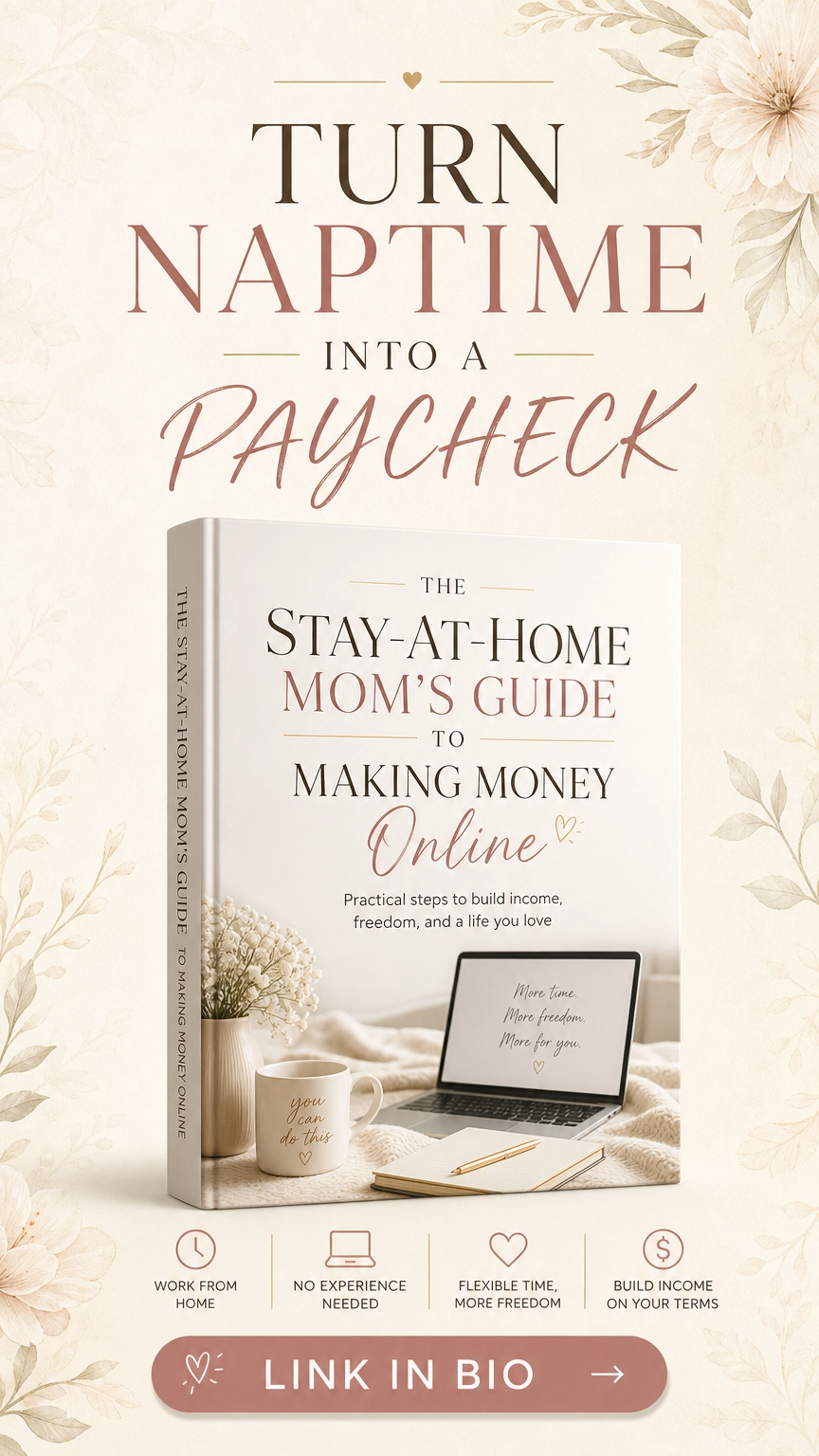
If you’d like a beginner-friendly roadmap for making money online as a stay-at-home mom, take a look at my ebook:
The Stay-At-Home Mom’s Guide To Making Money Online
Trust me, teaching is about connection first, and that’s something no tool replaces.
Final Thoughts
Teaching English online can be a flexible, rewarding way to earn from home, especially if you specialize, prepare well, keep students safe, and treat AI as a helper instead of a replacement. Start small, learn what your students need, and build from there.










Leave a Reply