

When most people think “influencer,” they picture beauty routines and dance videos. But some of the most valuable creators I know don’t post a single selfie. They share clear, practical lessons about accounting, hiring, software, logistics, or sales, and companies pay them well for it. They’re B2B KOLs, and their platform of choice is often LinkedIn.
LinkedIn has been making this path more attractive. It recently rolled out consolidated creator analytics and is expanding monetization tests. It reported that creator-led ads grew 63% year over year, and that paid video ads grew about 25%. It’s testing ways to share ad revenue with creators and to let creators offer paid consultations. Its creator marketplace has added filters that let brands search by audience industry, job function, and seniority. And LinkedIn has said buyers want validation from credible practitioners, not just brand pitches. A figure attributed to Edelman and LinkedIn research says about 73% of B2B buyers trust expert content more than marketing materials, though statistics like this circulate widely, so treat it as directional.
In this guide, I’ll explain how to build a LinkedIn creator career as a B2B KOL: how to choose your expertise, create content that earns trust, use LinkedIn’s tools, and earn from partnerships, services, and products. (Platform features roll out gradually, and results aren’t guaranteed.)
Who This Path Is For
- Professionals with real expertise: finance, HR, marketing, engineering, healthcare administration, law-adjacent topics (with care), education, real estate, logistics, and more
- Freelancers and consultants who want inbound leads
- Founders and operators who want authority
- Career coaches and trainers
- Anyone comfortable teaching, explaining, and sharing lessons
You don’t need a huge following. In B2B, the right audience beats the biggest audience.
What’s New on LinkedIn for Creators
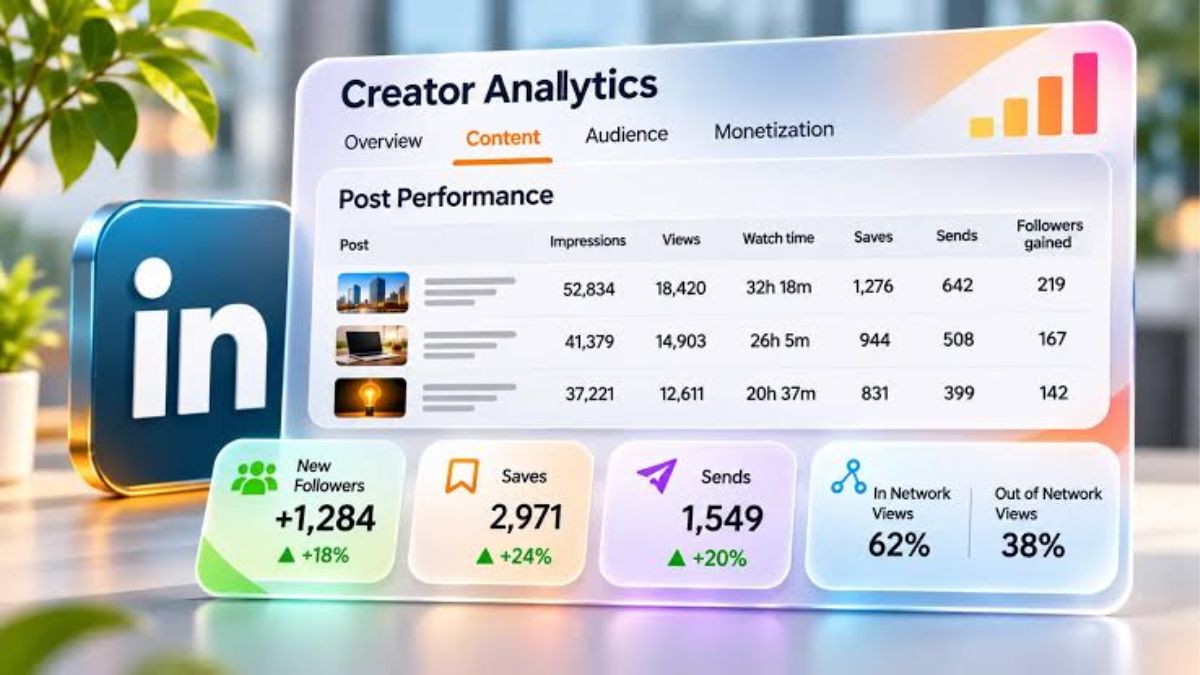
- Consolidated creator analytics that bring performance data together so you can see what’s working.
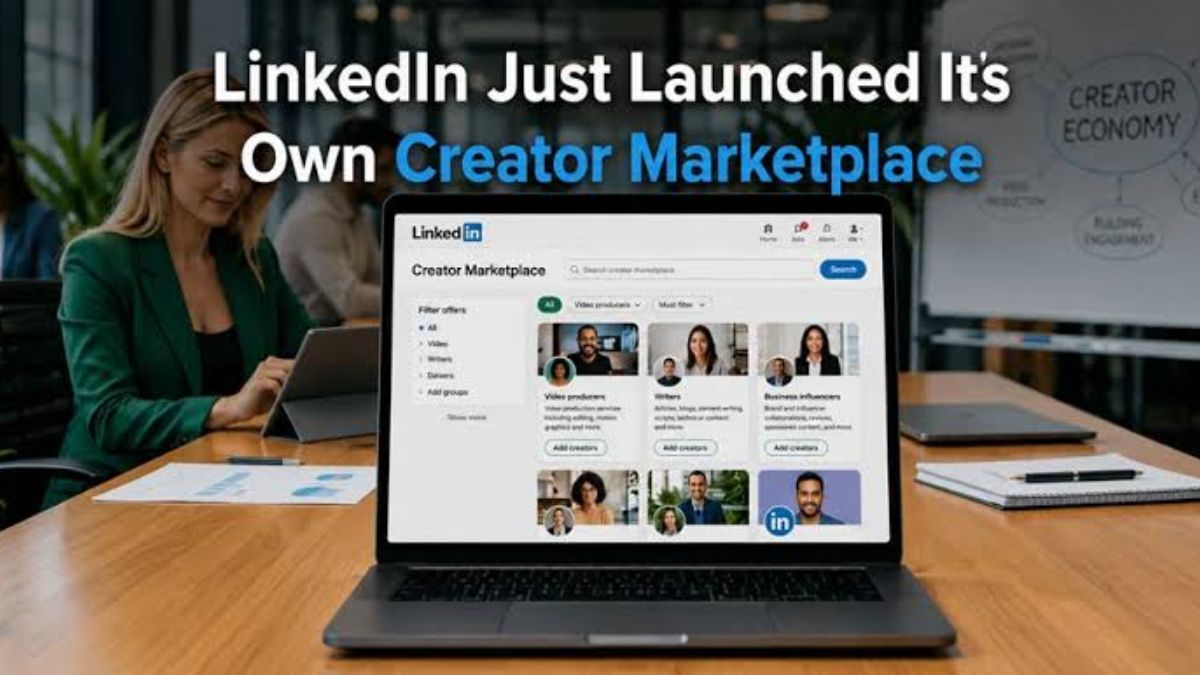
- Creator marketplace filters for brands to find creators by industry, job function, and seniority of their audience.
- Monetization tests, including ad revenue sharing and paid consultations. Availability varies and may change.
- Digital business cards, a Network feed, and private profile notes, which help turn in-person introductions into relationships.
- Growing creator-led ads, where brands pay to amplify content from credible voices.
- Short video interest: LinkedIn research found about half of young professionals say short-form video is the best way to engage Gen Z buyers.
Here’s the truth: LinkedIn is a trust platform. The question isn’t “how do I go viral?” but “how do I become someone worth listening to?”
Step 1: Define Your Expertise and Audience
Write one sentence:
“I help [specific professionals or companies] solve [specific problem] so they can [specific result].”
Examples:
- “I help small business owners understand their numbers so they can make confident decisions.”
- “I help new managers run better one-on-ones.”
- “I help warehouse operators reduce errors with simple process fixes.”
Your clarity helps brands filter creators by audience and helps viewers decide to follow you.
Step 2: Build Your Profile Like a Landing Page
- Photo and banner: clear and professional.
- Headline: who you help and how, not just a job title.
- About section: the problem you solve, your proof, and how to work with you.
- Featured section: your best post, a resource, and a way to contact you.
- Experience: results, not just duties.
- Creator tools: use creator mode features where available.
Step 3: Create Content That Builds Trust
Formats that tend to do well when genuinely useful:
- Short text posts with a strong first line and one lesson
- Carousels or documents that teach a process
- Short videos explaining one idea in plain language
- Mini case studies: problem, action, result
- Behind-the-scenes posts that show how you work
- Original insights or data from your own projects
Aim for posts people would screenshot or send to a colleague. Avoid generic advice and engagement bait, which analysts say LinkedIn has been targeting.
Step 4: Use Analytics to Improve
Review your analytics monthly:
- Which topics bring comments from your target audience?
- Which formats earn saves and shares?
- Who’s viewing your profile (industries, job functions)?
- Which posts lead to messages or meeting requests?
Double down on the topics that attract the right people.
Step 5: Turn Attention Into Conversations
- Reply to comments quickly, especially in the first hour.
- Comment thoughtfully on posts from your target audience and peers.
- Send personal messages after real interactions.
- Use digital business cards and private notes after events to follow up within a day.
- Offer value first: a checklist, template, or short review.
Step 6: Earn as a B2B Creator
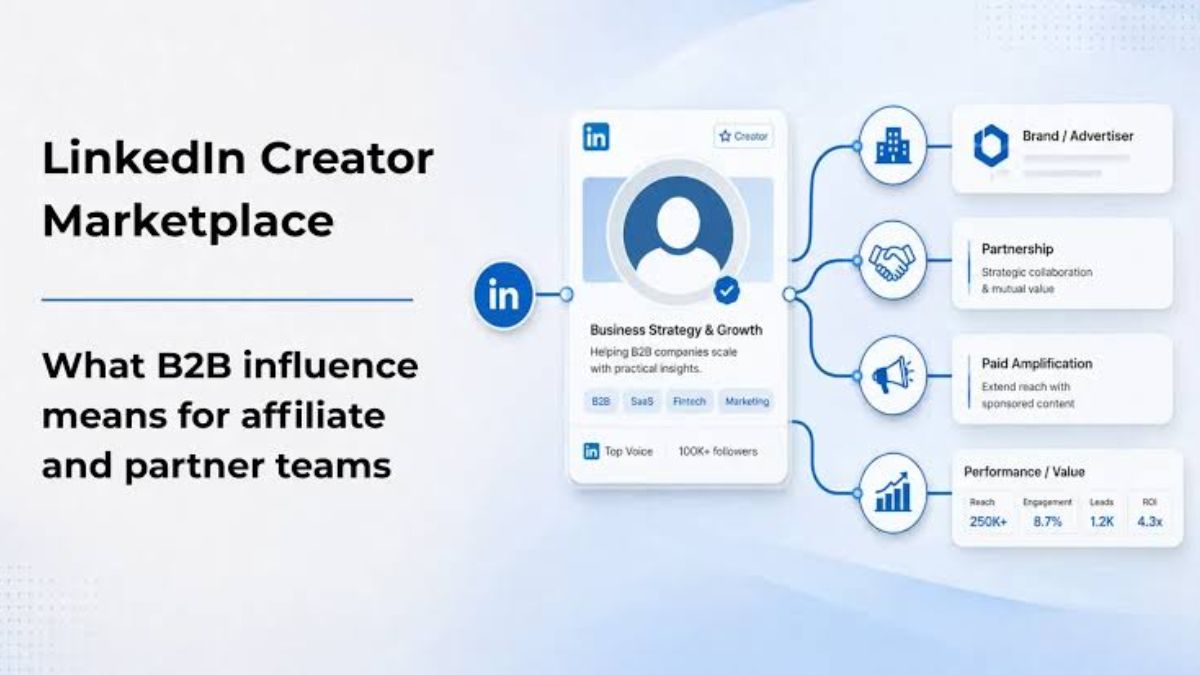
- Brand partnerships and creator-led ads: companies pay credible voices to share educational content. Price your work, usage rights, and exclusivity clearly.
- Services and consulting: inbound leads from your content often convert to clients.
- Paid consultations: where LinkedIn’s tests are available, or via your own booking system.
- Courses, workshops, and templates: teach what you know in a structured format.
- Speaking, training, and community: build a paid community or run workshops.
- Newsletter and sponsorships: publish a regular email for your niche.
- Ad revenue sharing: if and when it’s available to you.
Step 7: Protect Your Reputation
- Disclose sponsored content and affiliate relationships clearly.
- Never share confidential client or employer information.
- Check your employment agreements and any conflicts of interest.
- Fact-check anything you teach. Credibility is your currency.
- Use AI as an assistant only, and add your own examples and judgment.
- Be careful with claims about finance, law, or health. Refer people to qualified professionals when needed.
Mistakes to Avoid
- Posting generic thought leadership.
- Engagement bait and pods.
- Ignoring your profile.
- Hard-selling in every post.
- Sharing confidential information.
- Choosing partners by follower count only.
- Posting only when you need a job or client.
Your 30-Day B2B Creator Plan
- Week 1: Define your expertise and update your profile.
- Week 2: Publish four posts answering real client questions.
- Week 3: Share one mini case study and one short video, and start engaging daily with your target audience.
- Week 4: Review analytics, follow up on every conversation, and pitch two relevant brands or companies.
Build Your B2B Authority on a Roadmap
If you’d like a step-by-step guide to building a KOL or influencer career, take a look at my ebook:
The Complete Beginner’s Guide to Building a KOL/Influencer Career
Trust me, in B2B, a small audience of the right people can be worth more than a huge one.
Final Thoughts
LinkedIn is giving B2B creators better tools and more ways to earn. Define a clear niche, build a profile that converts, share useful lessons, use analytics, and build real relationships. Credibility compounds, and the more specific your expertise, the easier it is for the right people to find you.








Leave a Reply