

I used to hide my disclosures. Not out of dishonesty, but out of fear. I worried that writing “ad” or “sponsored” would make my audience roll their eyes and scroll past. Then a follower sent me a message that changed my mind: “I trust your recommendations because you tell us when you’re paid. Thank you for being honest.” That one sentence did more for my credibility than any perfectly polished video.
Disclosure isn’t just a legal chore. It’s the foundation of trust, and the rules around it are tightening across platforms and countries. TikTok has said it will label sponsored content and is rolling out in-app tools for creators to declare ads before publishing. Instagram now labels and limits undisclosed AI-generated profiles. YouTube requires disclosure of realistic synthetic content and offers paid-promotion settings. In Vietnam, an amended advertising law defines influencers’ responsibilities and allows joint liability for promoting false or misleading products. And audiences themselves are wary: surveys on AI influencers show that many people want to know whether they’re following a real person.
In this guide, I’ll explain how influencers should disclose sponsored content: what to disclose, where and how to do it, how it differs by platform, and a simple checklist. (Rules differ by country and change often. This is general information, not legal advice. Check your local advertising laws and platform policies.)
What Counts as a “Material Connection”
In general, you should disclose any relationship that could affect how viewers see your recommendation:
- Paid sponsorships (flat fee, commission, or any payment)
- Free products or services, even if there’s no payment
- Affiliate links and discount codes that earn you money
- Gifted trips, experiences, or events
- Ambassadorships and ongoing brand relationships
- Ownership or financial interest in a company you promote
- Family, friend, or employer relationships with a brand
- Content created for a brand to use as ads, including when you don’t post it yourself
When in doubt, disclose.
How to Disclose Properly
Good disclosures are:
- Clear: use plain words like “ad,” “paid partnership,” “sponsored,” or the local language equivalent (for example, “Quảng cáo” in Vietnamese).
- Conspicuous: viewers should notice it without searching.
- Close to the claim: place it where the promotion appears, not only in a hidden spot.
- Unavoidable: on video, say it out loud and show it on screen, especially in longer videos and livestreams.
- Understandable: avoid vague tags like “collab” or “partner” alone, or burying “#ad” in a pile of hashtags.
Don’t rely only on the platform’s label. Platform tools help, but your own clear words add safety.
Platform Tools (Check Current Features)
- TikTok: in-app tools to declare branded content and ads before publishing, with sponsored content labels. TikTok Shop has additional rules, including a ban on AI voices standing in for live presenters.
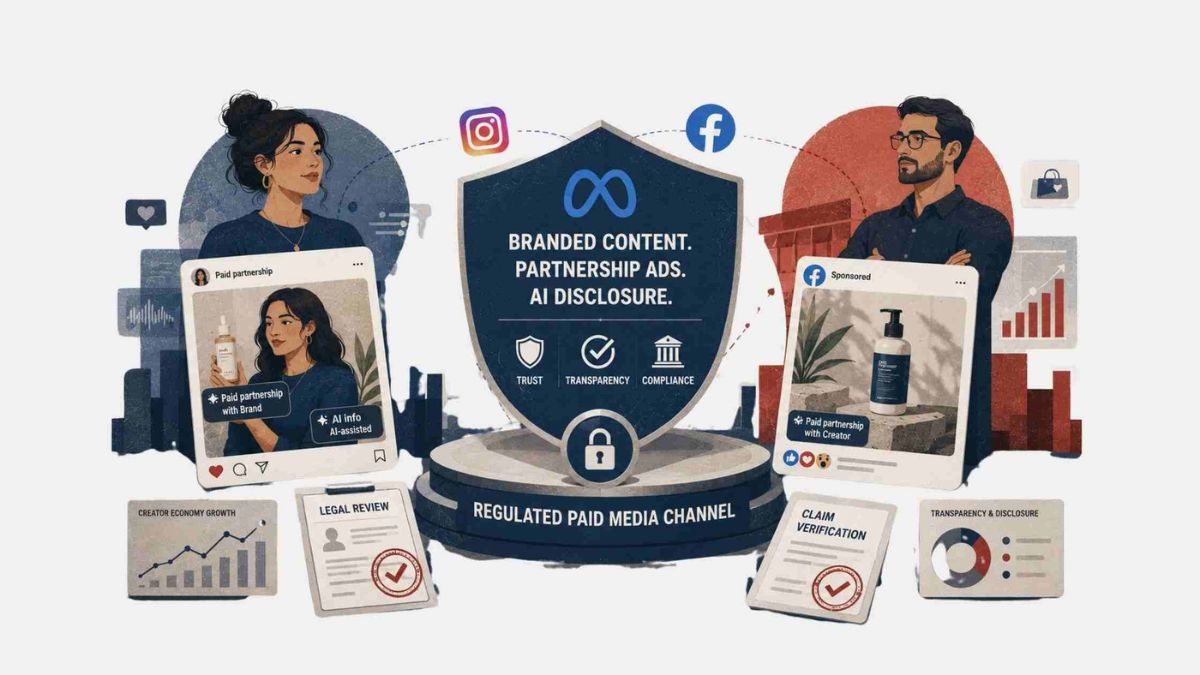
- Instagram: paid partnership labels for branded content, plus AI labels for AI-generated content and a profile-level label for AI-generated profiles. Undisclosed AI-generated profiles can face reach and recommendation limits.
- YouTube: a paid promotion setting and an altered or synthetic content disclosure for realistic AI-generated or manipulated content.
- Facebook: branded content tools and paid partnership labels.
- LinkedIn: clear labels for sponsored posts and creator partnerships.
Tools and names change, so check each platform’s help center before posting.
Special Rules for Sensitive Categories
Be extra careful with:
- Health, wellness, and supplements: avoid miracle claims, and don’t promote products you can’t verify. In Vietnam, influencers promoting functional foods, cosmetics, and healthcare products are expected to review certifications before advertising.
- Finance and investing: avoid promises of returns and never promote anything you don’t understand.
- Children’s products: follow platform and legal restrictions.
- Alcohol, gambling, and other restricted categories, which may be banned or require age gating.
If a brand wants you to make claims you can’t support, say no.
Disclosure in Different Formats
Short videos
- Use the platform’s ad label and say “this is an ad” or “sponsored by [brand]” early in the video.
- Add a text overlay.
- Put a clear note in the caption.
Long videos and podcasts
- Disclose at the start and again near the product mention.
- Put the disclosure in the description or show notes.
Livestreams
- Disclose verbally at the beginning and periodically for new viewers.
- Keep a pinned disclosure message.
- Be careful with spontaneous claims. Stick to verified facts.
Stories and ephemeral content
- Use on-screen text that stays visible long enough to read.
- Don’t hide it in small corners.
Affiliate links
- Place a note near the link: “I earn a commission if you buy through this link.”
- Disclose in each place the link appears, not just once in your bio.
AI and Synthetic Content
- Label realistic AI-generated or manipulated images, video, and audio where platforms require.
- Don’t present an AI-generated face or voice as a real person.
- If a brand uses AI to alter your content, make sure labeling responsibilities are in your contract.
- Never fake reviews, testimonials, or before-and-after results.
What Brands Should Do (and What You Should Ask)
- Provide product documents and certifications.
- Approve claims that can be substantiated.
- Include disclosure instructions in the brief.
- Not pressure you to hide or soften disclosure.
Ask for these in writing, and keep records of scripts, documents, and published content.
Common Mistakes
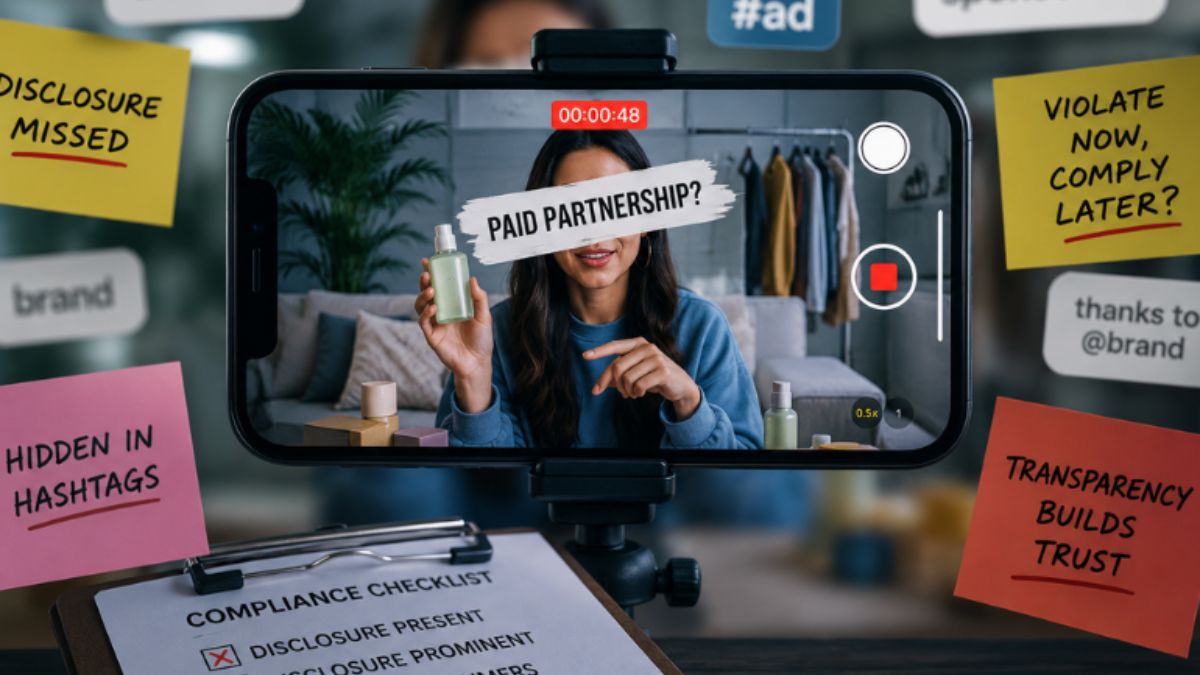
- Putting disclosure only in hashtags or at the end of a long caption.
- Using vague terms like “collab” or “thanks to [brand].”
- Forgetting gifted products and affiliate links.
- Relying only on platform labels.
- Making unverified claims.
- Letting a brand edit out your disclosure.
- Not disclosing on repurposed content when the brand reuses your post.
- Assuming the brand is responsible for everything.
Your Disclosure Checklist (Copy and Save)
Do I have any payment, gift, commission, or relationship with this brand?
Is my disclosure clear, plain, and easy to see?
Did I use the platform’s branded content tool?
Did I say it out loud in video or live content?
Is the disclosure near the claim or link?
Have I verified every claim and the product’s documents?
Did I label AI-generated content where required?
Is everything saved in my records?
Your 7-Day Compliance Plan
- Day 1: Read each platform’s branded content rules.
- Day 2: Create standard disclosure wording in your language.
- Day 3: Review your last five sponsored posts and fix any weak disclosures.
- Day 4: Add disclosure and documentation clauses to your contract template.
- Day 5: Build a claim checklist for each brand category you work with.
- Day 6: Set up a folder for scripts, documents, and screenshots.
- Day 7: Share your disclosure approach with your audience in a short post to build trust.
Build a Career Based on Trust
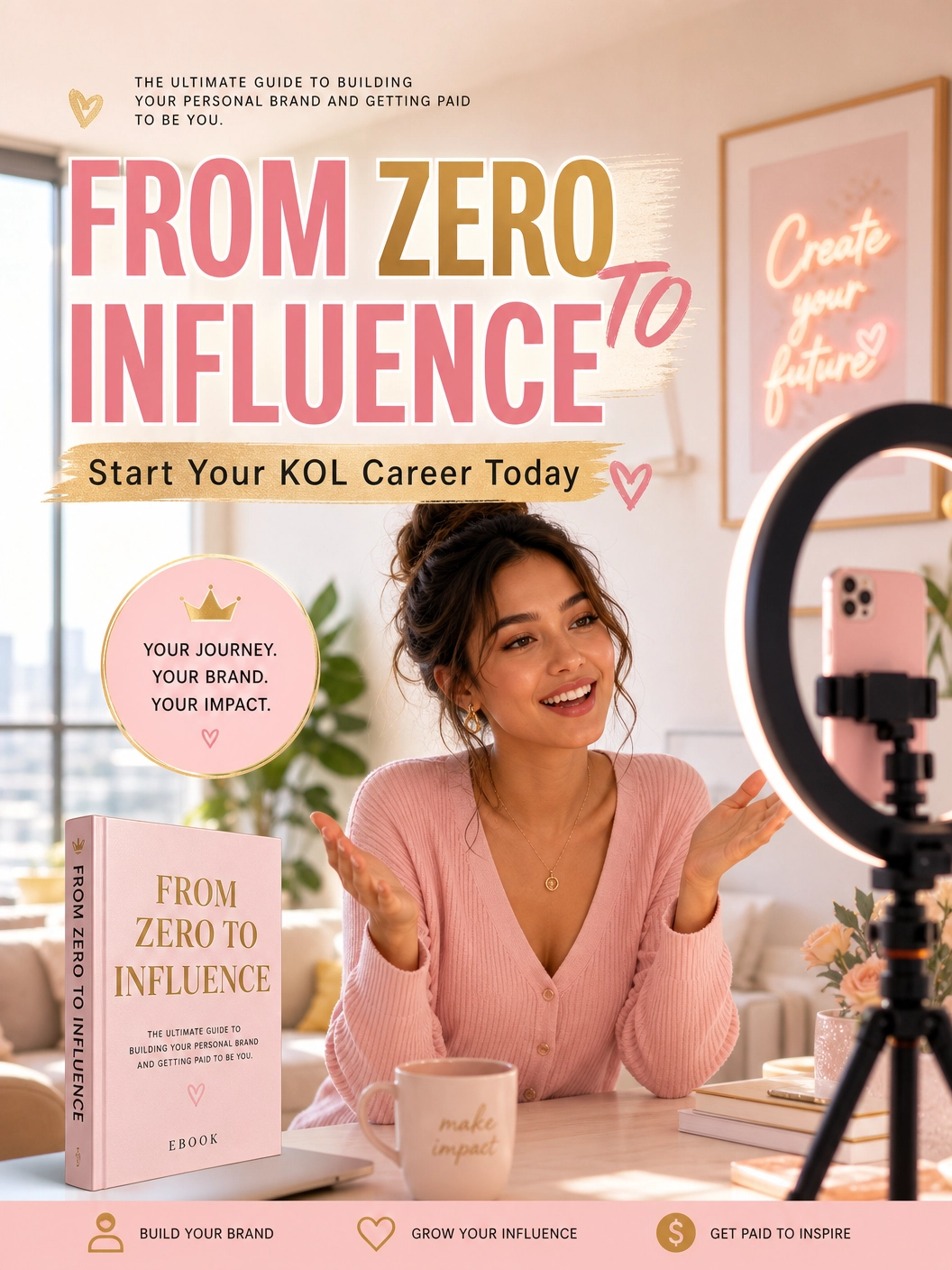
If you’d like a step-by-step guide to building a KOL or influencer career with strong foundations, take a look at my ebook:
The Complete Beginner’s Guide to Building a KOL/Influencer Career
Trust me, honest disclosure is one of the cheapest ways to build credibility.
Final Thoughts
Disclosure protects your audience, your brand partners, and you. Be clear, be early, be consistent, and be honest about what you’ve verified. In a world of rising scrutiny and AI-generated content, the creators who say plainly what’s paid and what’s real will be the ones people keep following.




Leave a Reply