

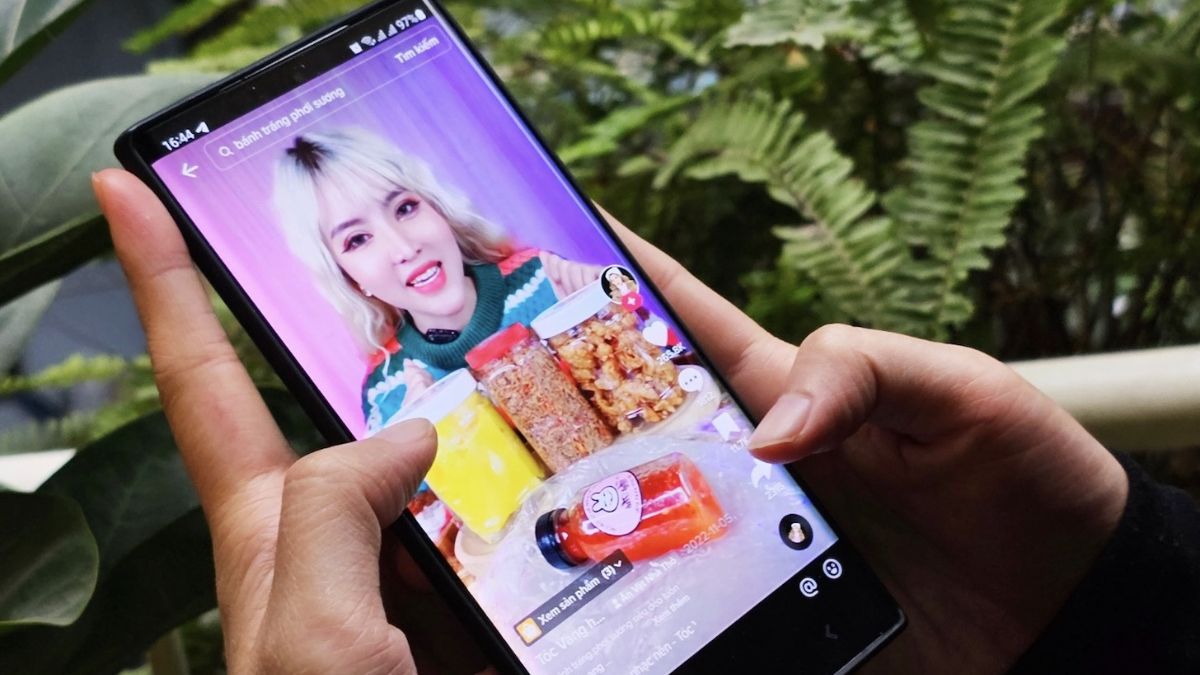
A few years ago, a brand sent me a script for a skincare product. It was polished, persuasive, and full of big promises. I read it, felt a little uneasy, and asked, “Do you have documents that back these claims?” The brand replied with a cheerful emoji and no documents. I turned the job down. That decision cost me money that month, and I’ve never regretted it.
For KOLs and KOCs in Vietnam, that instinct has now become something closer to a legal expectation. The amended Law on Advertising has defined the rights and responsibilities of influencers for the first time. At the launch of the Vietnam KOL & KOC Club under the Vietnam Advertising Association, officials described influencer marketing as a formal profession that now needs structure, standards, and accountability. According to reporting from VietNamNet, influencers who promote false or misleading products can be held jointly liable, and those promoting functional foods, cosmetics, or healthcare products are expected to review the relevant certifications before advertising.
At the same time, influence is big business: an AsiaKOL survey cited in the same coverage found that 77% of Vietnamese online shoppers have bought products based on influencer recommendations. Platforms like TikTok have said they will label sponsored content, and they are introducing in-app tools for creators to declare ads before publishing.
In this guide, I’ll explain what KOLs and KOCs in Vietnam should verify before promoting a product, how to protect yourself, and a simple checklist you can use on every campaign. (I’m not a lawyer, and this article is general information, not legal advice. Please read the official legal text and consult a qualified professional.)
What’s Changing (In Plain English)
Based on public reporting about the law and the industry’s response:
- Influencer responsibilities are now defined. Influencers are treated as carriers of advertising information, with responsibility for what they share.
- Verification matters. Relying only on a brand’s script is no longer a safe approach. Officials said many influencers skipped verification and used scripts without knowing whether the claims were true.
- Certain categories need extra care. For functional foods, cosmetics, and healthcare-related products, influencers are expected to review certifications issued by the Ministry of Health or local health authorities, which serve as the basis for checking claims.
- Joint liability is possible. Influencers who promote false or misleading products may be held jointly responsible with the advertiser.
- Platforms are adding labels and tools. TikTok said sponsored content will be visibly labeled, with in-app tools for creators to declare ads, and it is using a mix of manual and automated review for paid content.
- Training is planned. The Ministry, the Vietnam Advertising Association, and the KOL & KOC Club said they will offer courses to help creators understand the rules.
- Violations are happening. Industry speakers cited cases such as livestreaming while driving and inappropriate behavior leading to bans, which show platforms are also enforcing their own policies.
Here’s the truth: trust is your only long-term asset. A single misleading promotion can hurt your reputation, your income, and your legal position.
Your Pre-Promotion Checklist
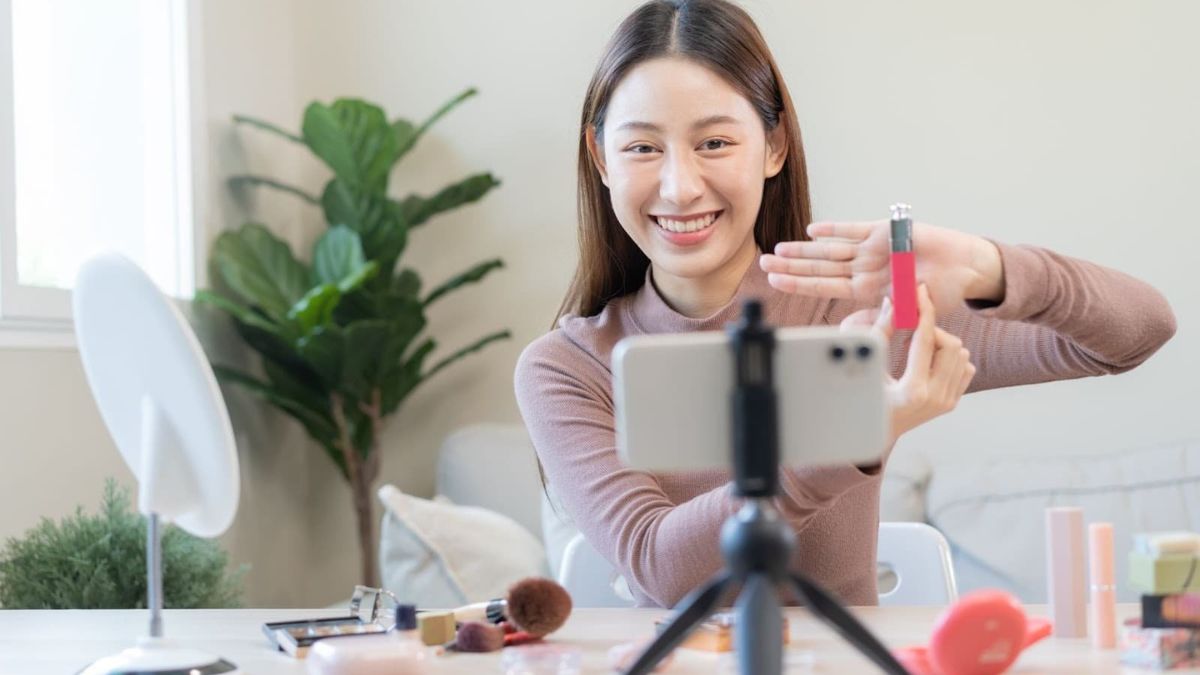
Before you agree to any paid or gifted promotion, go through these steps:
1. Verify the product
- Ask for documents: business registration, product registration or notification where applicable, certificates, test results, and ingredient lists.
- For cosmetics, functional foods, and health products: check the required certifications and make sure the claims on the script match the approved information.
- Check the brand’s reputation. Search for complaints, reviews, and past issues.
- Try the product yourself when possible, and be honest about your experience.
2. Verify every claim
- Highlight each claim in the script (for example, “cures,” “whitens in 7 days,” “100% natural”).
- Ask for evidence for each one. If it can’t be supported, don’t say it.
- Avoid exaggerated, absolute, or medical claims unless the product is properly authorized to make them.
- Don’t promise results. Use phrases like “my experience” and “results vary.”
3. Disclose clearly
- Label the content as sponsored or an ad, using platform tools and clear wording like “Quảng cáo,” “Hợp tác với [brand],” or “sponsored.”
- Place the disclosure where viewers can see it, not buried in hashtags.
- Disclose gifted products and affiliate links as well.
4. Get it in writing
- Use a written contract that says who is responsible for product quality, claim accuracy, and documentation.
- Ask the brand to provide verification documents and to confirm that claims are lawful.
- Include a clause that lets you decline or adjust content if documents or claims are doubtful.
- Clarify who pays for product testing. Industry speakers said creators have the right to ask brands to cover testing costs and can have products tested at certified centers, then request reimbursement.
5. Keep records
- Save the script, documents, messages, contract, and proof of payment.
- Keep screenshots of published content and its disclosures.
- Record any changes the brand requested.
These records can protect you if a dispute arises.
Red Flags That Should Make You Pause
- A brand won’t share documents or answers vague questions.
- The script makes medical or miracle claims.
- The pay is unusually high for a product with no track record.
- You’re pressured to post quickly without review.
- The brand asks you to hide that the content is an ad.
- The product has no clear origin, label, or contact information.
- You’re asked to pay money first or buy products before getting paid.
If you see these, decline or ask for professional advice.
How Agencies and Managers Fit In
Industry speakers pointed out that agencies play a growing role in connecting brands with influencers and in ensuring professionalism. A good agency or manager can help you with contracts, verification, and compliance. But you remain responsible for what you post, so don’t rely on anyone blindly. Read what you sign, and ask questions.
Livestream Sellers: Extra Care
Live selling moves fast, which increases risk:
- Prepare your product facts in advance.
- Don’t improvise claims about health or results.
- Disclose ads and affiliate relationships during the stream.
- Follow platform rules about behavior, safety, and prohibited content, such as streaming while driving or behavior that endangers viewers.
- Keep your team informed so nobody makes unverified claims on your behalf.
Build a Reputation as a Trustworthy KOL
Compliance can be an advantage:
- Share your verification process with your audience. Viewers trust creators who say, “I checked the certificate before recommending this.”
- Show honest pros and cons.
- Turn down bad products and explain why when appropriate.
- Correct mistakes quickly and openly.
Brands increasingly want creators who protect both their audience and the brand from legal and reputational problems.

Mistakes to Avoid
- Reading the brand script without checking it.
- Using absolute or medical claims.
- Hiding or minimizing disclosure.
- Skipping a contract.
- Assuming the agency or brand carries all responsibility.
- Not saving records.
- Ignoring platform rules and labels.
Your 7-Day Compliance Setup
- Day 1: Read the official advertising law text and any guidance for influencers, and note training courses offered by industry bodies.
- Day 2: Create a verification checklist you’ll use for every brand.
- Day 3: Draft a contract template with clauses on documents, claims, and testing costs.
- Day 4: Prepare standard disclosure wording and learn each platform’s ad declaration tools.
- Day 5: Create a folder system for scripts, documents, and published proof.
- Day 6: Make a list of claim phrases you won’t use.
- Day 7: Review your past three sponsored posts against the checklist.
Build a Career You Can Be Proud Of
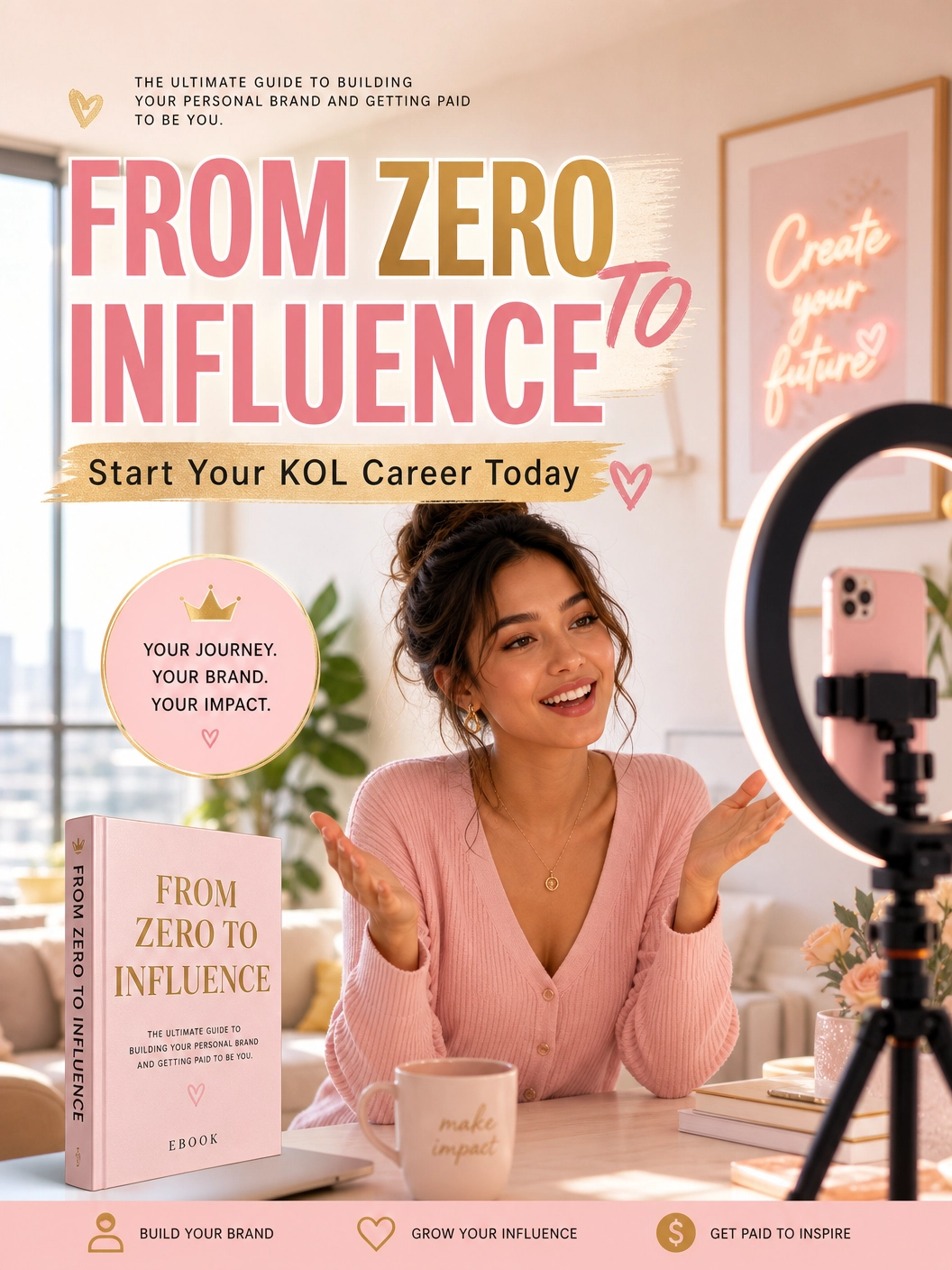
Compliance isn’t a burden. It’s what makes a long career possible. If you’d like a step-by-step guide to building a KOL or influencer career with strong foundations, take a look at my ebook:
The Complete Beginner’s Guide to Building a KOL/Influencer Career
Trust me, your reputation is worth more than any single campaign.
Final Thoughts
Influencer marketing in Vietnam has grown up, and the rules are catching up. Verify products and claims, disclose clearly, put agreements in writing, and keep records. When you protect your audience, you protect your career too.








Leave a Reply