

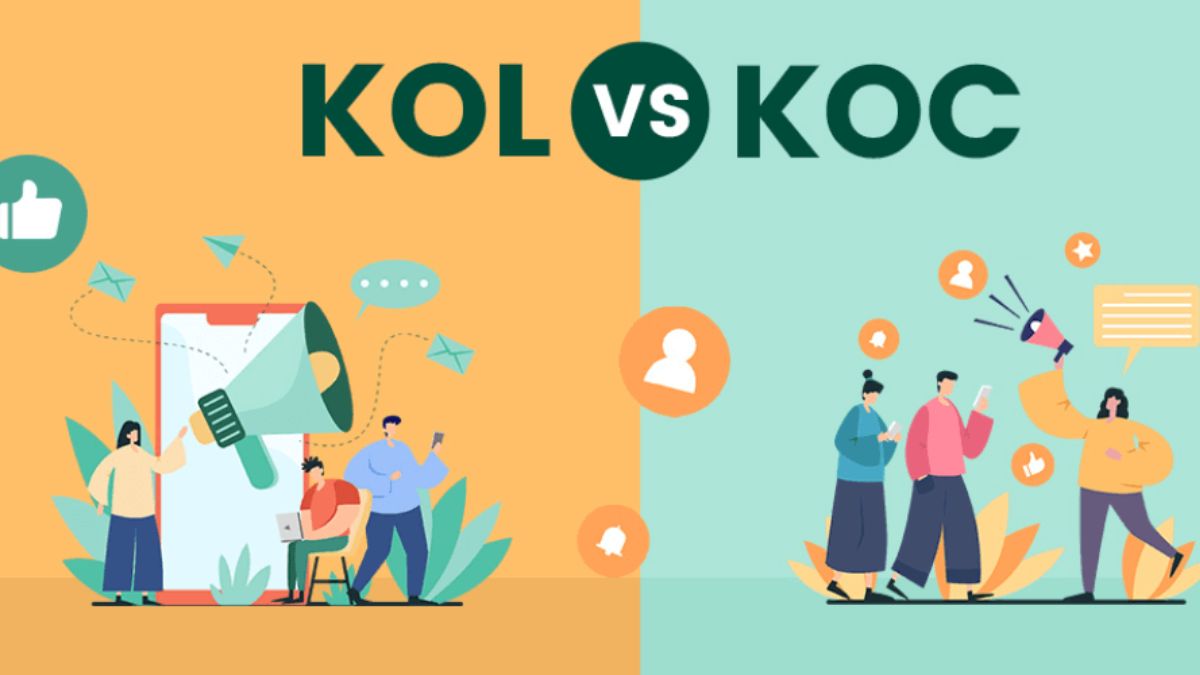
When I first heard the words KOL and KOC, I nodded like I understood. Then I went home and typed “what is the difference between a KOL and an influencer” into a search bar at midnight, hoping nobody would see my history. If you’ve ever felt that quiet panic when people toss around acronyms, you’re in good company. The terms overlap, they change by country, and brands don’t always use them the same way.
But the difference matters for your career. The path you choose affects who hires you, how you get paid, and how fast you can start. And right now, the market is shifting in a direction that favors people who were once ignored: smaller, more trusted voices. A report from AnyMind Group on the rise of KOCs in Asia noted that creators with roughly 1,000 to 10,000 followers are delivering higher returns for some brands than big-name influencers. In Vietnam, a survey cited by AsiaKOL found that 77% of online shoppers have bought something based on influencer recommendations, and brands increasingly mix both big and small voices.
In this guide, I’ll explain the difference between KOL, KOC, influencer, and creator, how brands use each, and how to choose a career path that fits you. (Terms vary by market, and results aren’t guaranteed.)
The Simple Definitions
KOL (Key Opinion Leader)
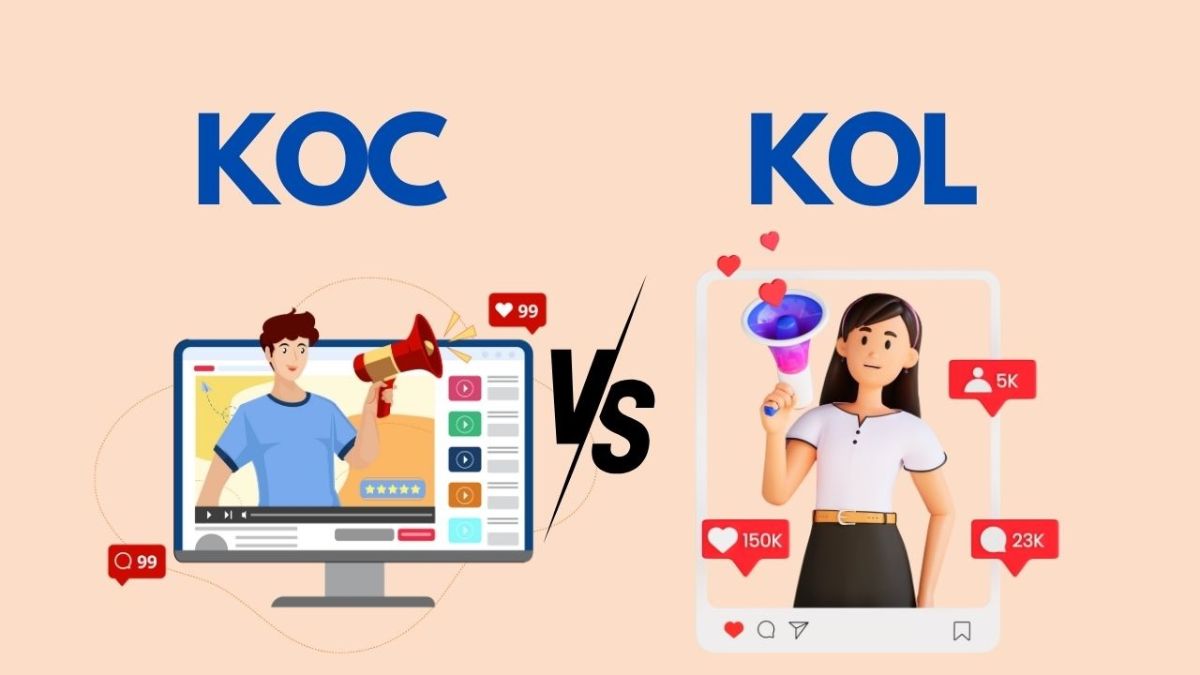
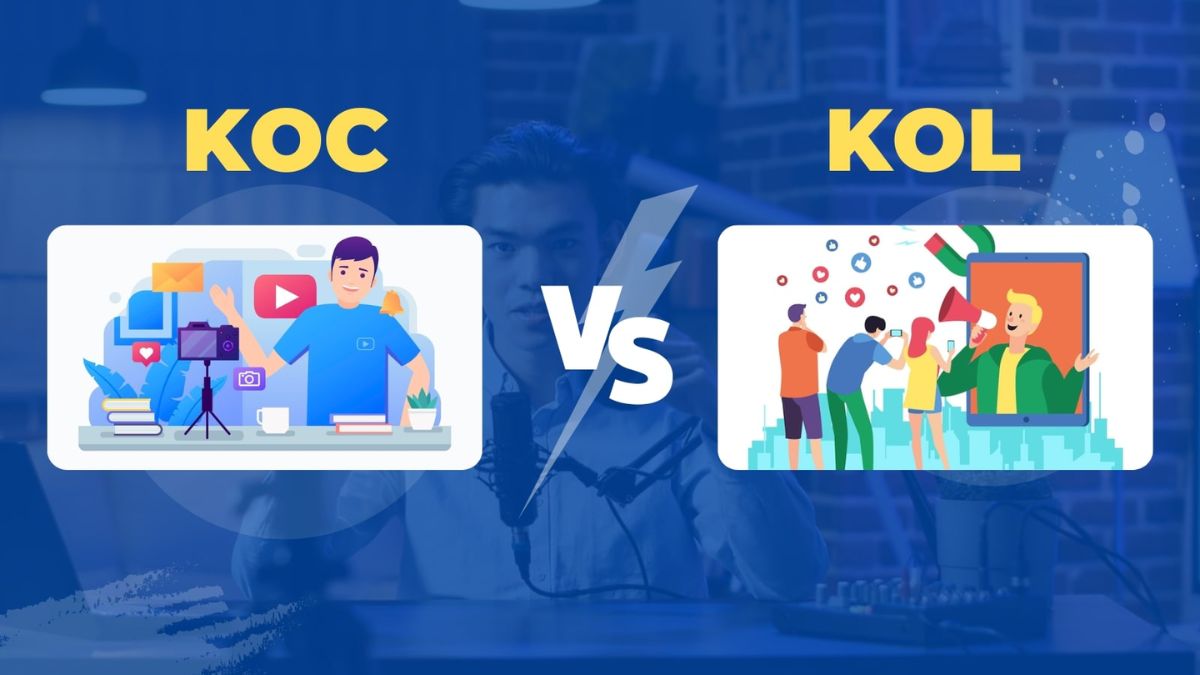
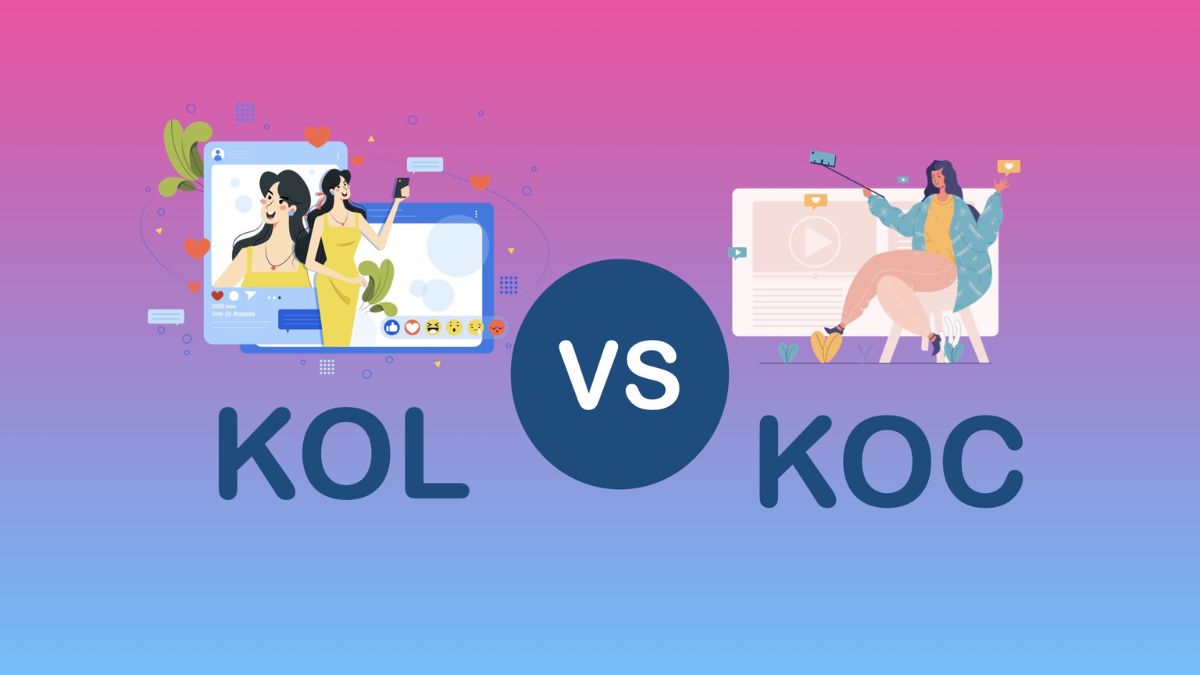
A KOL is someone whose expertise, credibility, or fame gives them influence over an audience. In many Asian markets, the term covers celebrities, experts, and large social media personalities. KOLs usually have bigger audiences and are hired to build awareness and credibility.
KOC (Key Opinion Consumer)
A KOC is an everyday consumer with a smaller but trusting audience who shares honest experiences with products. The concept is often traced to China’s social commerce scene and has spread across Southeast Asia. KOCs are valued for authenticity and for being “like the viewer.”
Influencer
A broader, global term for anyone who has influence over an audience on social media. It can include nano, micro, mid-tier, macro, and mega influencers.
Content creator
Someone who makes content (videos, posts, podcasts, articles). A creator may or may not be an influencer, and may earn through brand deals, ads, products, or services.
Here’s the truth: in practice, these labels blur. Many people are creators, influencers, KOLs, and KOCs at different moments. What matters is what you offer: reach, credibility, persuasion, or content.
How Brands Use Each One
Industry sources describing the Asian market often frame it like this:
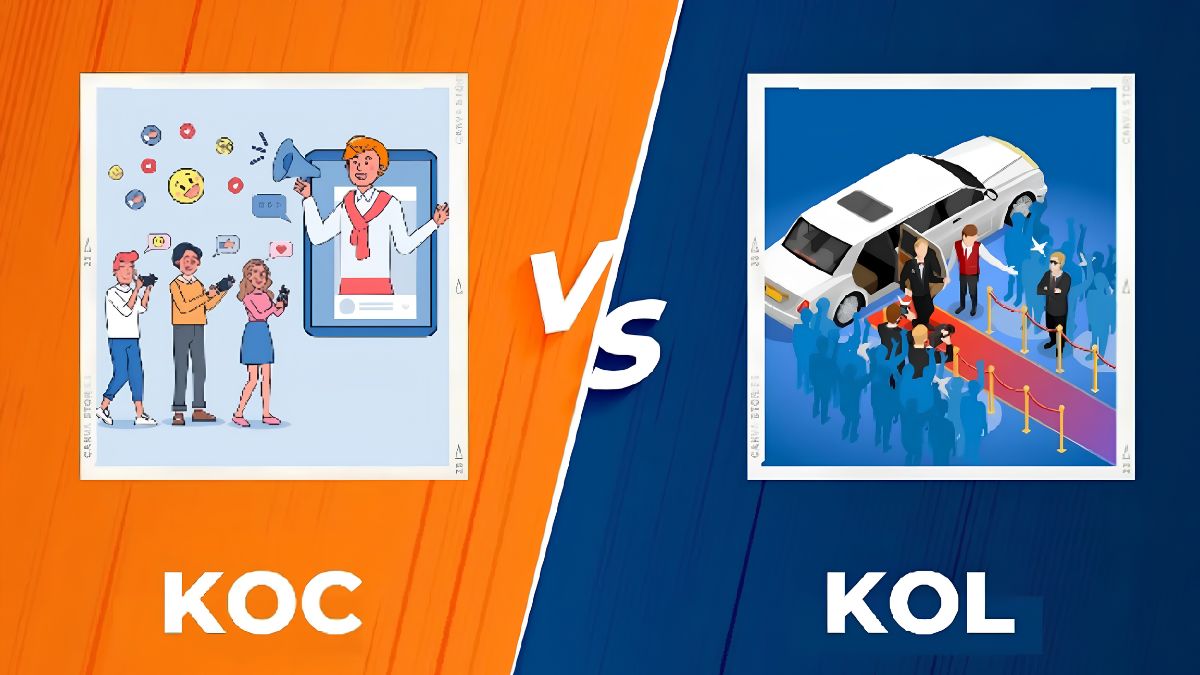
- KOLs ignite visibility. They create awareness and credibility at scale.
- KOCs drive persuasion. They show real use, answer questions, and nudge people to buy.
- A combined KOL + KOC model is now widely used across Asia. Brands use KOLs to spark attention and KOCs to deepen trust and conversion across the funnel.
One regional vendor claims KOC recommendations convert at around 12% compared with 3% to 5% for traditional influencer marketing. Vendor figures like this should be treated as marketing claims, not guarantees, but they match a clear pattern: closeness and honesty often beat polish.
Brands are also changing how they work with creators. Reports on recent job postings show companies building whole creator departments, not just running one-off campaigns. They’re also moving toward performance pay, product collaborations, and long-term relationships.
Which Path Fits You?
Ask yourself these five questions:
- Do I have a recognized expertise or credibility (a profession, a skill, a track record)? That leans toward the KOL or expert path.
- Am I a real user who enjoys testing and reviewing products honestly? That leans toward the KOC path.
- Am I comfortable on camera or live? Live commerce and video reviews reward that.
- How fast do I want to start earning? KOC-style product content can start with small audiences.
- Do I want to build a long-term personal brand? Both can, but the KOL path usually takes longer to build authority.
You don’t have to choose forever. Many people start as KOCs, build trust and proof, and grow into KOL-style authority in a niche.
Why Starting Small Can Be an Advantage
- Trust: viewers see you as one of them.
- Engagement: smaller audiences often respond more.
- Lower competition for specific niches: a focused KOC for “skincare for oily skin” may beat a general lifestyle account.
- Brand demand: brands want authentic, varied content they can reuse in ads.
- Lower barrier: you don’t need fame to begin, only consistency and honesty.
But small isn’t automatically better. You’ll need proof (results, reviews, clear audience), and you must stay honest and compliant.
Challenges to Know About
- Fake followers and inflated engagement remain a problem in some markets, making brands more careful about verification.
- Rules are tightening. In Vietnam, an amended advertising law has defined the rights and responsibilities of influencers, and influencers who promote false or misleading products can be held jointly liable. (See our guide on verifying products before you promote them.)
- Income can be unpredictable. Most creators earn from several streams, not one.
- Burnout is real. Posting constantly takes energy, so build a sustainable routine.
How to Choose Your Starting Point (Step by Step)
- Pick a niche you genuinely care about: beauty, parenting, food, tech, travel, finance, fitness, education.
- Pick one main platform (such as TikTok, Instagram, YouTube, or Facebook) where your audience spends time.
- Decide your role: reviewer (KOC-style), educator (KOL-style), entertainer, or storyteller.
- Create 10 pieces of content in 2 to 3 weeks to learn what feels natural.
- Collect proof: screenshots of real engagement, comments from viewers, and results from posts.
- Build a simple media kit with your niche, audience, and examples.
- Start small collaborations with brands that truly fit your content.
Mistakes to Avoid
- Chasing the label instead of building trust.
- Buying followers or engagement.
- Promoting products you haven’t tested.
- Trying to be on every platform.
- Copying other creators instead of finding your voice.
- Ignoring local advertising rules and platform policies.
Your 30-Day Starter Plan
- Week 1: Choose your niche and platform. Write one sentence about who you help or entertain.
- Week 2: Publish five pieces of content and study the comments.
- Week 3: Publish five more, and start a simple tracker for views, saves, shares, and comments.
- Week 4: Build your media kit draft and list 10 brands that fit your niche.
Build Your Career on a Clear Roadmap
Understanding the labels is only the first step. If you’d like a step-by-step guide to building a KOL or influencer career from scratch, take a look at my ebook:
The Complete Beginner’s Guide to Building a KOL/Influencer Career

Trust me, a clear roadmap saves months of trial and error.
Final Thoughts
KOL, KOC, influencer, and creator are overlapping paths, and the best one is the one that fits your strengths and your audience’s trust. Start where you are, be honest, build proof, and let your credibility grow. In a market that increasingly rewards real voices, authenticity is your biggest advantage.





Leave a Reply