

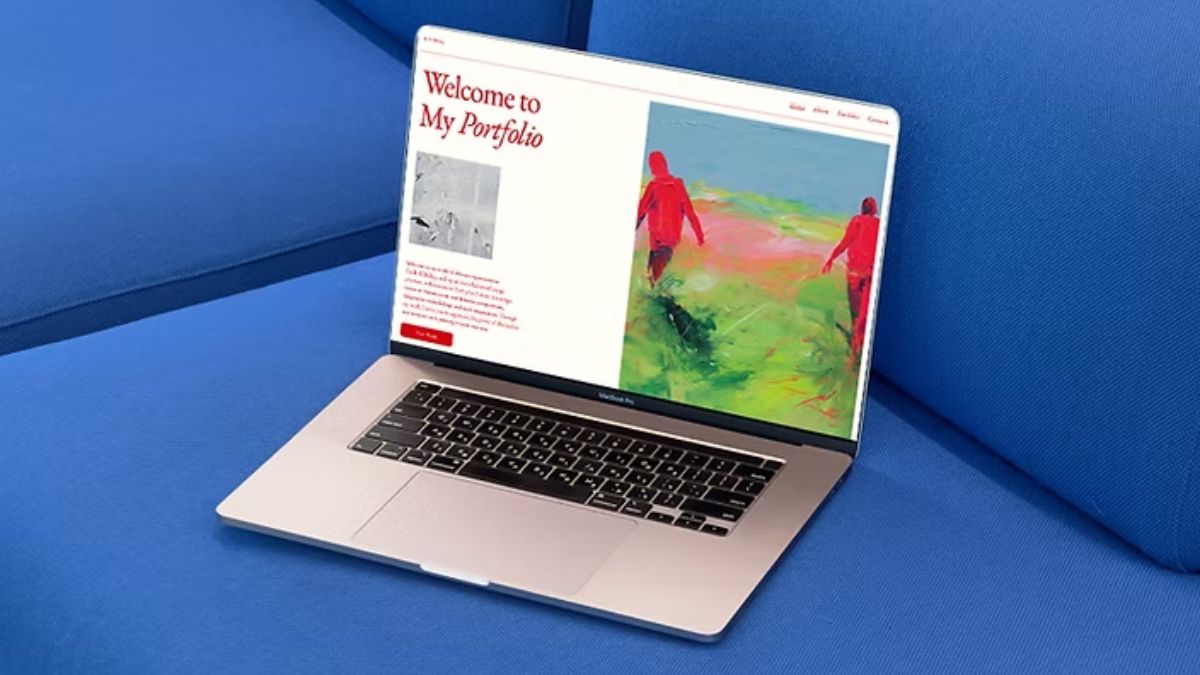
When I decided to start freelancing, I had one big fear: I have nothing to show anyone. No clients, no testimonials, no polished samples, and a resume gap that felt like a canyon. I almost talked myself out of it. Then a friend asked a simple question: “If someone Googled you right now, what would they find?” The honest answer was a blurry photo from 2016 and a half-finished profile. That was the real problem. It wasn’t my skills. It was that nobody could see them.
Whether you want to freelance, create content, tutor, or sell services, people will look you up before they hire you. Recent roundups of personal branding statistics (many from secondary sources, so treat them as directional) suggest employers and recruiters routinely check candidates online, with one figure claiming about 54% of employers have rejected a candidate over a poor online presence and about 44% have hired someone because of a strong personal brand. Meanwhile, Google has opened Search profiles to creators and brands with 10,000 followers in the U.S., AI answers increasingly cite specific people and creators, and platforms like LinkedIn are adding tools to turn introductions into relationships.
In this guide, I’ll show you how to build a portfolio and online presence that gets you hired, even if you’re just starting: what to include, how to create samples with no clients, how to set up a simple site, and how to stay safe. (Results vary, and nothing here guarantees clients or income.)
What Clients Want to See
When someone considers hiring you, they usually look for:
- Who you are and what you do, in one clear sentence
- Proof you can do the work: samples, results, or process
- Signs you’re reliable: professional communication, clear packages, and testimonials
- Easy ways to contact you
- Consistency: the same name, photo, and story across platforms
You don’t need a big following or fancy design. You need clarity and proof.
Step 1: Do a Quick “Google Yourself” Audit
Open a private browser window and search:
- Your full name
- Your name plus your service or city
- Your name in image search
Screenshot what you see. Ask yourself: if I were hiring me, what would I think? Note outdated photos, old bios, privacy issues, and anything you’d like to change. Also ask an AI assistant who it thinks you are and note any errors.
Step 2: Write Your One-Sentence Offer
Complete this sentence:
“I help [specific type of client] [achieve a specific result] with [your service].”
Examples:
- “I help small bakeries stay consistent on social media with simple, done-for-you content calendars.”
- “I help busy professionals tame their inboxes and calendars with virtual assistant support.”
- “I help families plan healthy dinners on a budget with weekly meal planning templates.”
Use this sentence everywhere: your bio, website, and profiles.

Step 3: Create Samples When You Have No Clients
Every professional started without clients. Build proof yourself:
- Mock projects: create work for a pretend or real business, labeled honestly as a sample.
- Spec work for your own use: plan your own content calendar, organize your own inbox, edit a short video for your own project.
- Volunteer projects: help a school group, local nonprofit, or friend’s business, with permission to show the work.
- Before-and-after examples: show how you improved something (with consent and no private data).
- Process documents: a one-page description of how you work.
Aim for three to five strong samples in the same niche. A small, focused portfolio beats a large, random one.
A tip for different services:
- Writers: an article, an email, and a short case study.
- Virtual assistants: a sample content calendar, a sample inbox system, and a services menu.
- UGC creators: three to five short videos for products you own.
- Designers and Pinterest managers: several designs and a mock strategy.
- Tutors: a sample lesson plan and a short intro video.
- Bookkeepers: a sample report with made-up data.
Step 4: Add Proof as Soon as You Have It
- Testimonials: ask happy clients for one or two sentences about the result.
- Mini case studies: problem, what you did, result, and a lesson.
- Numbers: track results you can honestly share (with permission).
- Screenshots and work samples, with sensitive information removed.
Never fake testimonials, inflate results, or claim work you didn’t do.
Step 5: Build a Simple Home Base
A one-page website is enough:
- Headline: your one-sentence offer
- About: a short, friendly story with a real photo
- Services and packages: what you offer and how it works
- Portfolio samples and testimonials
- A simple contact method or booking link
- An email signup, so interested visitors can stay connected
- A short note on how you use AI, if relevant, which builds trust
Use your real name where appropriate, and consider privacy for your family: avoid sharing your home address, children’s details, or school information.
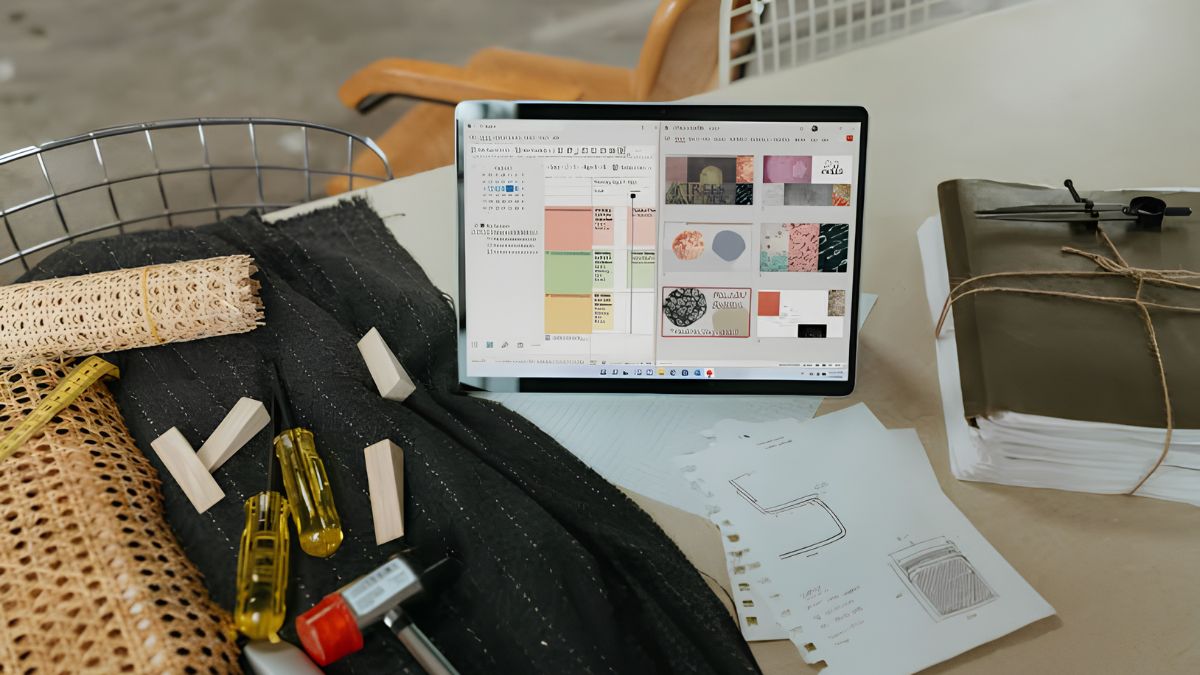
Step 6: Polish Your Key Profiles
Pick one or two platforms where your clients spend time, usually a professional networking profile plus one social channel.
- Photo: clear, friendly, and recent
- Headline or bio: your one-sentence offer
- About section: the problem you solve, your proof, and how to work with you
- Featured links: your portfolio, a free resource, or a booking link
- Consistent name and visuals across platforms
On a professional networking site, you can also use features like digital business cards and private notes (rolling out gradually) to follow up after meeting people.
Step 7: Be Honest About AI and Authenticity
Platforms and search engines reward real people:
- Use your real face and voice where people expect a real person.
- Never present an AI-generated face or voice as real.
- Label AI-generated content where platforms require it.
- Use AI to help you create and edit, but write your own bio and stories, and fact-check everything.
- Don’t invent credentials, clients, or results.
An honest note such as “I use AI tools for brainstorming and editing, and I review everything myself” can build trust.

Step 8: Share Helpful Content Regularly
You don’t need to post daily, but showing your thinking helps:
- Answer one common question each week in a short post, video, or email.
- Share a mini case study or lesson learned.
- Comment helpfully on posts from people in your niche.
- Keep it consistent at a pace you can sustain.
Helpful content shows up in search and AI answers over time, and it gives you something to link to when you pitch.
Step 9: Make It Easy to Hire You
- Show a clear next step: book a call, request a quote, or send a message.
- Respond quickly and professionally.
- Have a short intro email and pitch template ready.
- Provide a one-page services menu that you can send in a message.
Clients often choose the person who is clear and easy to work with over the person with the fanciest portfolio.
Mistakes to Avoid
- Waiting until you feel “ready.”
- A vague offer that tries to serve everyone.
- A huge, scattered portfolio.
- Faking work or testimonials.
- Inconsistent names, photos, or details.
- Sharing too much private family information.
- No clear way to contact you.

Your 14-Day Portfolio Plan
- Days 1-2: Run your Google audit and write your one-sentence offer.
- Days 3-6: Create three to five samples.
- Days 7-8: Build your one-page site and services menu.
- Days 9-10: Update your main profile and photo.
- Days 11-12: Add an email signup and a short note on how you work.
- Days 13-14: Send five personal messages to potential clients and ask one friend for feedback.
Build Your Presence Into a Bigger Plan
A portfolio is the first step toward steady online income. If you’d like a beginner-friendly roadmap made for moms, take a look at my ebook:
The Stay-At-Home Mom’s Guide To Making Money Online

Trust me, showing your work is the fastest way to stop feeling like a beginner.
Final Thoughts
You don’t need a long resume or a big following to get hired online. You need a clear offer, a few honest samples, a simple home base, and a professional presence. Start with one sentence and one sample this week, and let your portfolio grow as you do.









Leave a Reply