


Every few months someone tells me, “Blogging is dead.” Usually they’ve just read an article about AI answers or zero-click searches, and they sound a little triumphant. I understand the worry. I’ve had weeks when a post I loved lost traffic overnight, with nothing wrong on the page except a new AI summary sitting above it.
But here’s what I’ve also seen: moms who blog with a clear niche, real experience, and an email list are still building real income. The game has changed, and the old tricks (publish ten generic posts, stuff in keywords, wait for traffic) are fading. What’s rewarded now is original, helpful, experience-driven content.
The data tells both sides of the story. Comscore data reported that Google’s AI Overviews appeared in nearly 40% of U.S. desktop searches at one point, and studies put zero-click searches at roughly 68% of U.S. Google searches. AI Mode queries are about three times longer than traditional searches, and Google has said ads are expanding into AI answers. At the same time, Google’s guidance emphasizes effort, originality, real experience, and accuracy, and warns against unchecked AI content and fake authorship. Research shared in newsletters found that about 60% of product videos cited by AI recommendation tools came from creators, with detailed honest reviews mattering most.
In this guide, I’ll answer “is blogging still worth it for moms?” with a realistic plan: how to choose a niche, create content that earns attention, earn income, and avoid the mistakes that sink new bloggers. (Blogging income is slow and not guaranteed.)
The Honest Answer: Yes, If You Do It Differently
Blogging is still worth it if you:
- Choose a specific niche where you have real experience
- Create content that answers detailed questions better than generic pages
- Build an email list so you don’t depend on search alone
- Diversify your income beyond ads
- Are patient. Many blogs take many months to earn meaningfully
It’s probably not worth it if you:
- Want quick money
- Plan to publish mass-produced AI content with no original input
- Don’t want to learn or maintain a website

What’s Changed in Search
- AI answers appear above results, reducing clicks for simple questions.
- Detailed, specific questions are rising. Longer searches favor pages that answer the whole situation.
- Quality signals are sharper. Google highlights effort, originality, experience, and accuracy, and says AI-generated content should be fact-checked manually.
- Freshness matters. Reports describe systems that treat outdated content as stale, even without a visible date.
- Social and community sources get cited, so a blog alone is no longer your only presence.
Here’s the truth: the blogs that survive are the ones readers would miss if they disappeared.
Step 1: Choose a Niche You Can Own
Pick something you know from lived experience:
- Budget meal planning for large families
- Homeschooling with young kids
- Frugal living and debt payoff
- Postpartum recovery stories and practical tips (with expert review where health is involved)
- Organizing small spaces
- Working from home with kids
- A craft, hobby, or skill you’ve mastered
Write: “My blog helps [specific people] [get a specific result] with [type of content].” The more specific, the easier it is to stand out.
Step 2: Plan Content Around Real Questions
Collect questions from your own experience, comments, DMs, and communities, then group them:
- Beginner questions: “How do I start…”
- Comparison questions: “X vs. Y for busy moms”
- Problem questions: “Why does…”
- Decision questions: “Is it worth…”
Build a pillar guide with supporting posts, and link them together.
Step 3: Make Every Post Original
Add what no AI can fake:
- Your personal experience: what you tried, what worked, what failed
- Real photos, screenshots, and examples
- Your own numbers: costs, time spent, results
- A clear opinion and honest limits
- Expert quotes with permission, for topics that need them
If you use AI to brainstorm or tighten drafts, write the key sections yourself, fact-check every claim, and disclose AI use where it matters. Never invent quotes, studies, or credentials.
Step 4: Set Up Your Blog Simply
- Choose a platform that lets you own your content and export it.
- Get a domain that fits your niche.
- Pick a clean, fast design that looks good on phones.
- Create essential pages: About (with your real name and story), Contact, Privacy Policy, and a disclosure page for affiliate links.
- Install basic analytics and connect Google Search Console.
- Set up an email signup from day one.

Step 5: Learn the SEO Basics
- Use clear titles and headings that match how people ask.
- Answer the question early in each section.
- Add an FAQ to important posts.
- Use descriptive image names and alt text.
- Link related posts together.
- Keep your site fast and mobile-friendly.
- Update key posts regularly with current information.
Step 6: Choose Your Income Streams
- Display ads: usually need meaningful traffic, so they tend to come later.
- Affiliate links: recommend products you genuinely use, and disclose clearly.
- Your own products: printables, templates, guides, and mini courses often earn more per reader than ads.
- Services: freelance writing, consulting, or coaching built on your expertise.
- Sponsored posts: once you have an engaged niche audience, clearly labeled.
- Email newsletter income through products, sponsors, or paid tiers.
Many bloggers find owned products and services pay more reliably than ads.
Step 7: Don’t Rely on Search Alone
Because search is shifting, build more doors to your content:
- Email list: your safest audience.
- Pinterest: a long-lived visual search channel for many niches.
- YouTube or short video: to repeat your most helpful answers.
- Communities: answer questions honestly, following each community’s rules.
- Guest posts and podcasts to build mentions.

Step 8: Be Patient and Track Progress
Track monthly:
- Search Console impressions, clicks, and top queries
- Email subscribers
- Affiliate clicks and sales
- Product sales and inquiries
- Time spent and income, so you know your hourly rate
Many blogs earn very little for months. Judge progress by whether you’re learning, growing your list, and improving your content.
Taxes and Business Basics
Blog income is generally self-employment income. In the U.S., net earnings of $400 or more trigger self-employment tax. Keep records, separate finances, and set money aside for taxes. Disclose affiliate and sponsored relationships clearly.

Mistakes to Avoid
- Publishing generic or unedited AI content.
- Chasing keywords instead of questions.
- Skipping an email list.
- Ignoring disclosure rules.
- Letting old posts go stale.
- Writing about everything.
- Quitting before six months of consistent work.
Your 90-Day Blog Plan
- Weeks 1-2: Choose your niche, set up your site, and write your About page.
- Weeks 3-6: Publish five helpful, original posts answering real questions.
- Weeks 7-10: Add your email signup and lead magnet, and share your best posts on one social channel.
- Weeks 11-13: Review Search Console, update your best posts, and plan your first product or affiliate focus.
Build Your Blog Into a Bigger Plan
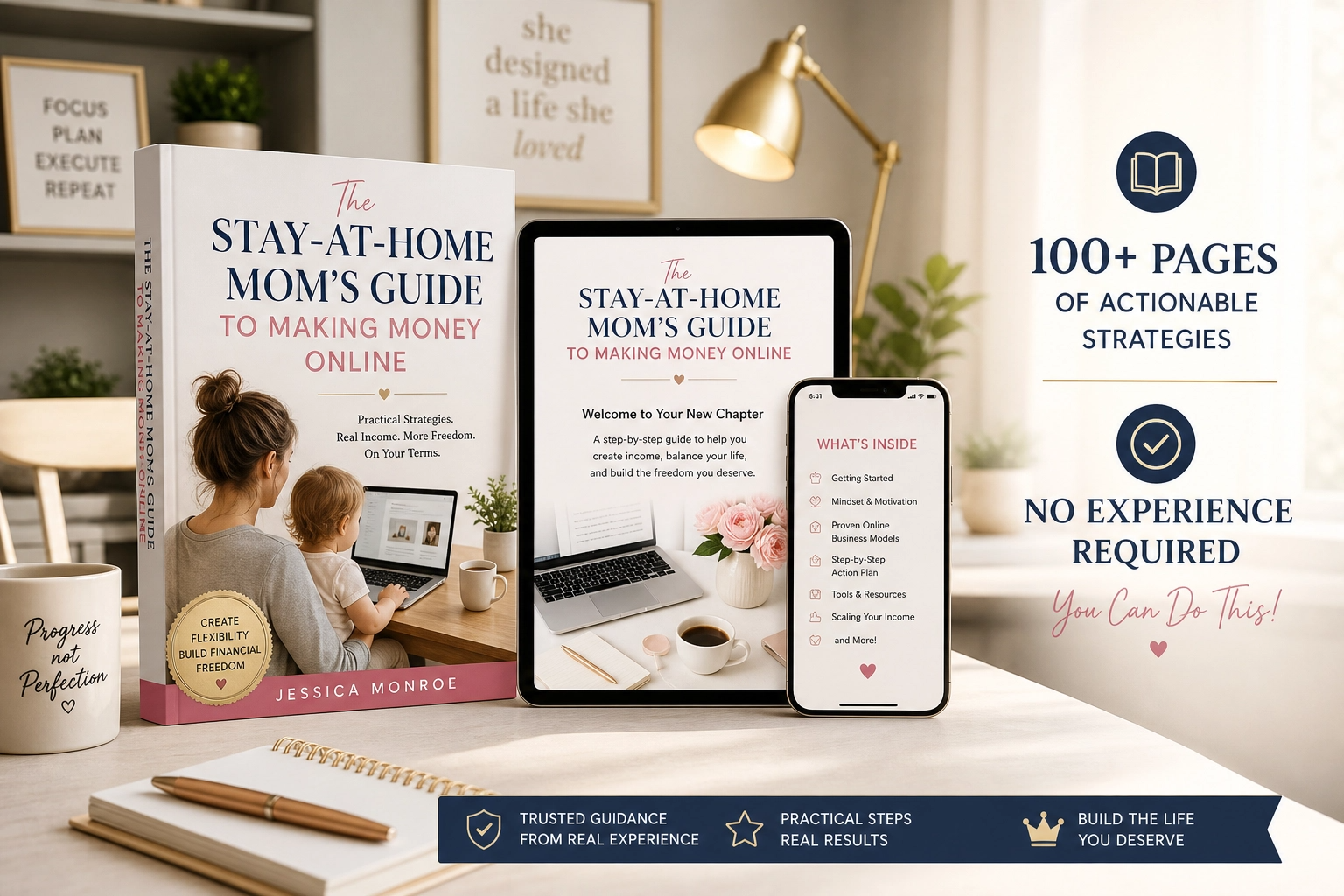
A blog works best as the home base of a broader plan. If you’d like a beginner-friendly roadmap made for moms, take a look at my ebook:
The Stay-At-Home Mom’s Guide To Making Money Online
Trust me, a blog with a plan beats a blog with hope.
Final Thoughts
Blogging isn’t dead, but generic blogging is. Choose a niche, share real experience, answer detailed questions, build an email list, and diversify how you earn. A blog that genuinely helps people can still grow into a steady income for a mom willing to be patient.









Leave a Reply