

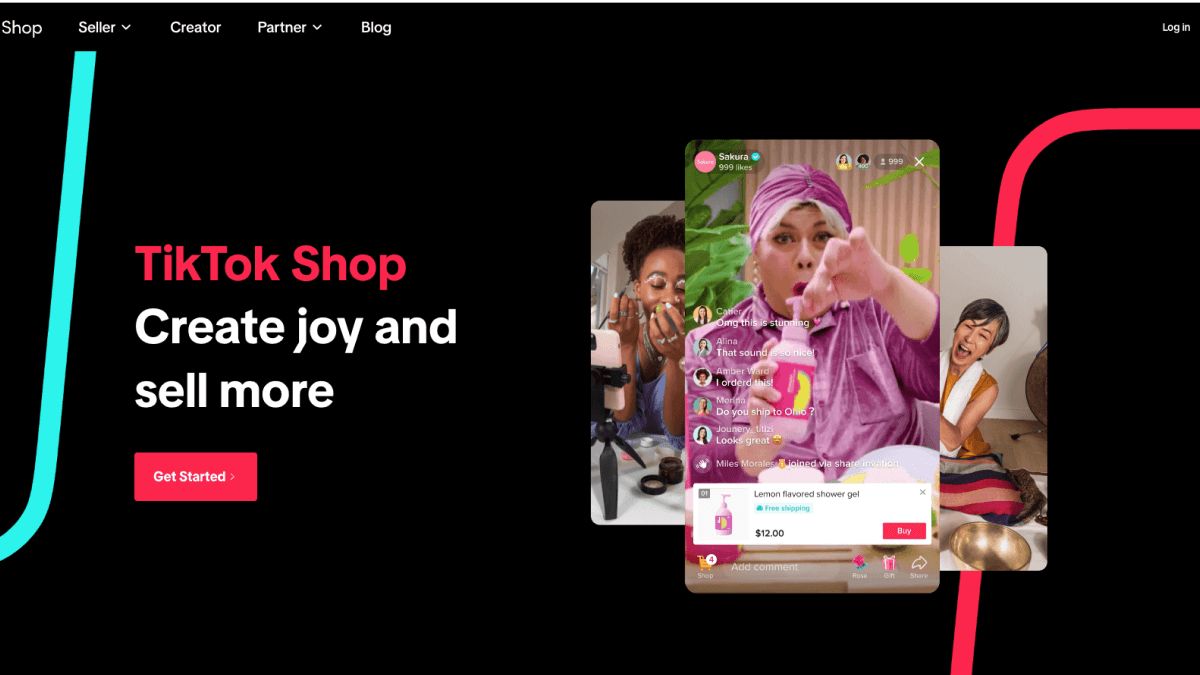
I used to think TikTok was where teenagers learned dance routines and I went to feel old. Then I watched a mom with a small handmade-soap business show how she packaged an order in thirty seconds, tag the product, and get dozens of orders from a video she’d filmed on her porch. No advertising budget, no website redesign, just a tiny, honest demo and a checkout button right inside the app.
That’s the appeal of TikTok Shop: discovery and buying in the same place. It’s also a platform where the numbers can be misleading and the rules can bite, so let’s look at it honestly. A Digiday report cited in creator-economy roundups found that TikTok Shop creators who posted 20 or more videos averaged about $74 per video, compared with about $7 for creators who posted just once. Averages aren’t promises, but the lesson is that consistency beats a lucky one-off. TikTok has also announced a dedicated holiday shopping season, with promotional placements and a delivery-speed badge, and it has banned AI voices standing in for live presenters on TikTok Shop since mid-year. Real faces and voices have an advantage.
In this guide, I’ll explain how moms can use TikTok Shop, either by selling products or earning commissions as a creator, plus the risks, rules, and a simple plan to test it. (Income varies widely and isn’t guaranteed.)
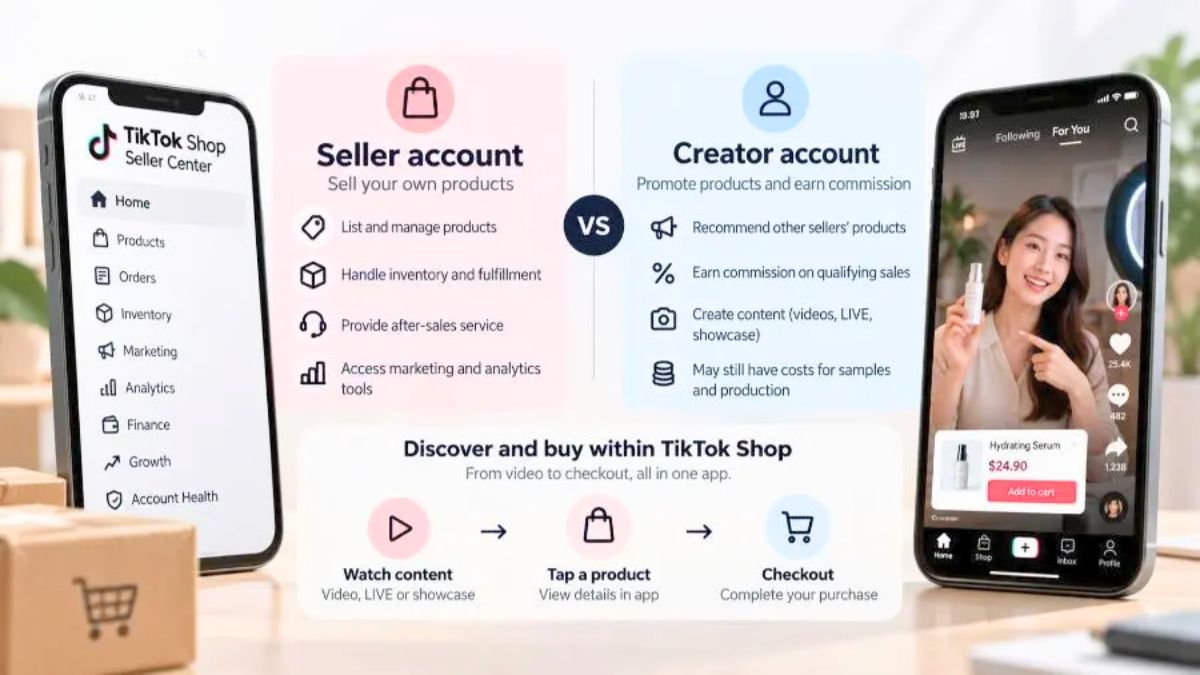
Two Ways to Earn on TikTok Shop
Option 1: Sell your own products
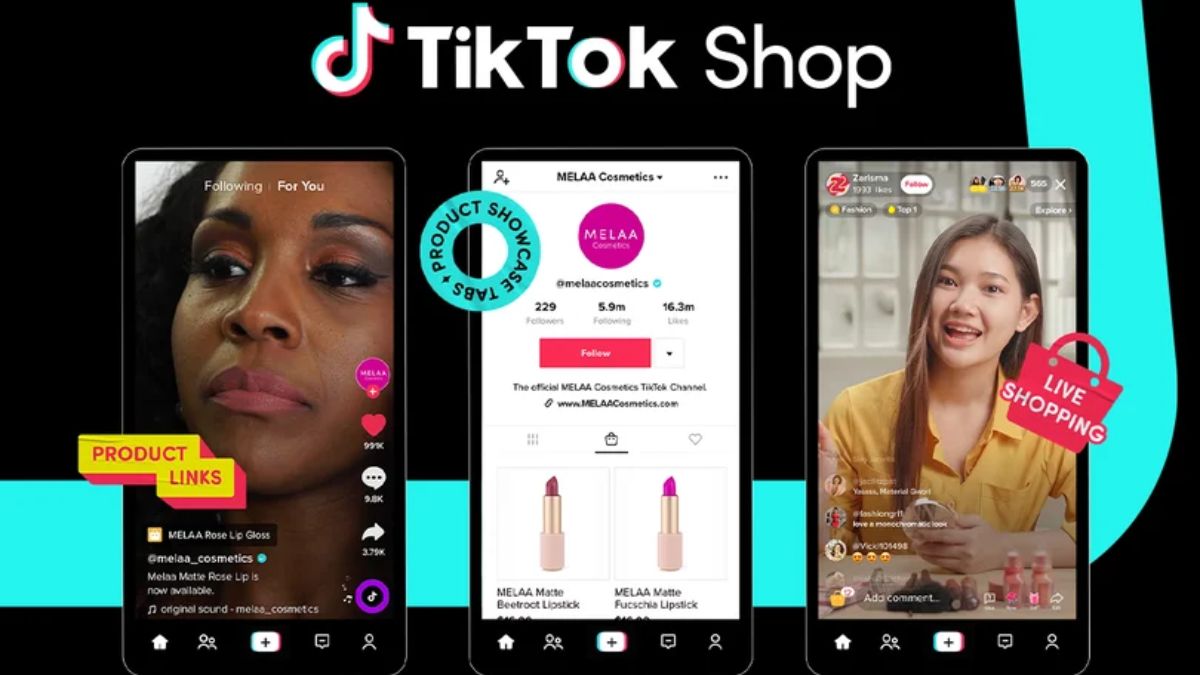
You list products in TikTok Shop, and customers buy inside the app. You handle fulfillment (or use a fulfillment partner), customer service, and returns.
Good for: handmade goods, baby and kid items, home and kitchen products, beauty and wellness products, and small brands with a visual product.
Option 2: Be a creator and earn commission
You promote other sellers’ products through videos, live streams, or showcase pages and earn a commission on sales through your links.
Good for: moms who love testing products and are comfortable on camera or voiceover, and want to avoid handling inventory.
You can do both, but start with one so you learn the platform.
What the Latest News Means for You
- Consistency is rewarded. The 20-videos-versus-one finding suggests treating TikTok Shop like a skill you practice, not a lottery ticket.
- Real people matter. The ban on AI voices replacing live presenters means authentic hosts and honest demos are safer and more trusted.
- Seasonal pushes can help. TikTok’s holiday shopping season, with promotional placements and a delivery-speed badge, may favor sellers who can ship quickly and reliably.
- Platforms are adding automation. In some markets, TikTok Shop has been rolling out tools like automated spend allocation, subscriptions, and new live-shopping formats, so check what’s available where you live.
- Ads can extend your reach, but TikTok’s own ad costs and tracking vary. Start organically, then consider small paid tests only once a product sells.
- Links are tricky elsewhere. With some platforms limiting link posts for free business accounts, TikTok’s in-app checkout and your email list can reduce your dependence on link clicks.
Here’s the truth: TikTok Shop can move fast, in both directions. Trends rise and fall, and policies change.
Step 1: Decide What You’ll Sell or Promote
Choose products that are:
- Visual and easy to demonstrate in a few seconds
- Useful or emotionally appealing
- Safe and compliant with platform rules and local laws
- Priced to leave room for fees, shipping, and returns (if you’re a seller)
- Something you understand and believe in
Avoid products with regulatory risk, such as health claims, supplements, and children’s products, unless you fully understand the rules and have documentation.
Step 2: Set Up the Basics
If you’re selling:
- Register as a seller and complete identity and business verification.
- Set up payment and tax information accurately.
- Prepare product listings with clear photos, honest descriptions, and accurate sizes, ingredients, and materials.
- Plan fulfillment: how you’ll pack, ship, and track orders, and how fast.
- Write clear policies for shipping, returns, and customer service.
- Check product compliance for labeling, safety, and restricted items.
If you’re a creator:
- Check eligibility requirements for the creator program in your region.
- Set up your account and showcase page.
- Choose products you’ve actually used or can test honestly.
- Read commission terms and disclosure rules.
Step 3: Make Videos That Sell Without Selling
A simple formula for 15 to 30 seconds:
- Hook (first 2 seconds): a problem, a question, or a surprising result.
- Show the product in use.
- Honest verdict: what it does well, and who it isn’t for.
- Call to action: where to find it.
Tips:
- Use natural light and clear audio.
- Show your real face or hands, and use your real voice.
- Add captions.
- Reply to comments with video responses when you can.
- Post consistently, not just when you remember.
Do not use AI voices as live presenters on TikTok Shop, and follow the platform’s rules on AI labeling and realistic synthetic content.

Step 4: Try Live Shopping (When You’re Ready)
Live streams can convert well but take energy and planning:
- Start with short, scheduled sessions.
- Prepare a clear run-of-show: demo, questions, offer.
- Have helpers or a partner nearby to manage kids.
- Be authentic. Viewers can tell when you’re reading a script.
Step 5: Run a 20-Video Test
Given the data on consistency, a simple experiment helps:
- Commit to 20 videos over 4 to 6 weeks.
- Track views, saves, shares, clicks, orders, and commissions.
- Note which hooks, products, and posting times perform best.
- Double down on winners and drop what doesn’t work.
Don’t judge after one post.
Step 6: Protect Yourself
- Disclose paid or affiliate relationships clearly.
- Be honest about results and claims. Don’t exaggerate or make unsupported health or income claims.
- Respect intellectual property and brand rules.
- Watch for scams: fake brand deals, “pay to join” programs, and requests to buy products with promises of reimbursement.
- Keep your family safe: protect your children’s privacy and your personal information.
- Diversify: build an email list or other channels so your income doesn’t rest on one app.

Taxes and Business Basics
Income from TikTok Shop is generally business income. In the U.S., net self-employment earnings of $400 or more trigger self-employment tax. Keep records of sales, fees, shipping, and refunds, and set money aside. Sellers may also need to understand sales tax rules for their location.
Mistakes to Avoid
- Expecting overnight sales.
- Promoting products you haven’t tried.
- Overpromising delivery times.
- Ignoring policies on AI, claims, and restricted products.
- Selling at prices that don’t cover fees and returns.
- Relying only on TikTok.
- Quitting before enough content has been posted to learn.
Your 30-Day TikTok Shop Plan
- Week 1: Choose seller or creator, pick two or three products, and read the policies.
- Week 2: Set up your account and create your first five videos.
- Week 3: Post consistently and respond to every comment.
- Week 4: Review your numbers, double down on what works, and plan the next 10 videos.
Build TikTok Shop Into a Bigger Plan
Social commerce works best as part of a plan with your own audience, your own offers, and a steady routine. If you’d like a beginner-friendly roadmap made for moms, take a look at my ebook:
The Stay-At-Home Mom’s Guide To Making Money Online
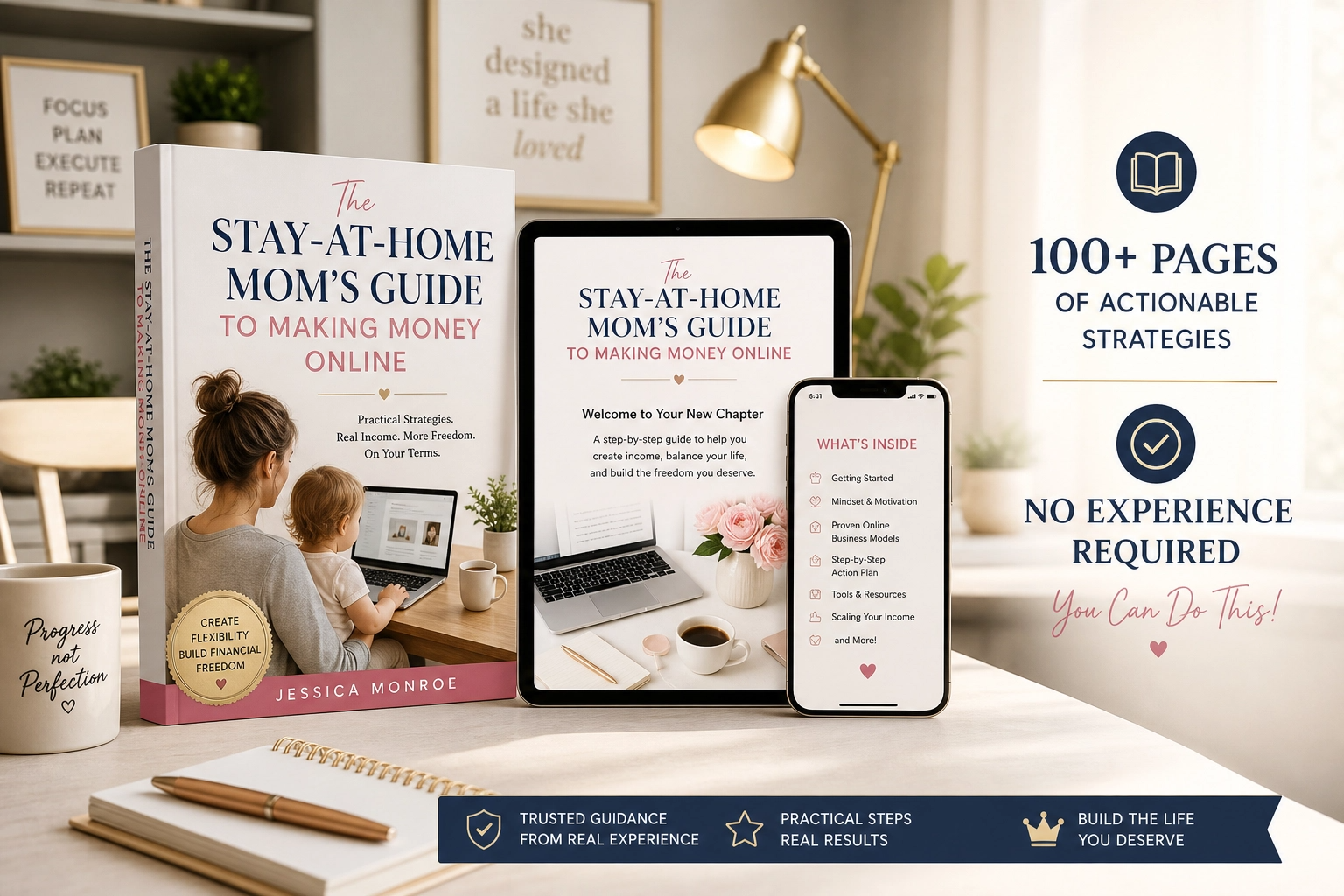
Trust me, a plan keeps you steady when trends change.
Final Thoughts
TikTok Shop can be a fun, flexible way for moms to sell or earn, but it rewards consistency, honesty, and attention to the rules. Start small, test with 20 videos, protect your family’s privacy, and keep building assets you own. Your real voice and real demos are your biggest advantage.










Leave a Reply