


Here’s a question I ask every client who says content marketing “isn’t working”: if an AI could write this page in ten seconds, why would anyone need yours? It usually gets quiet. Then we look at their blog, and it’s full of posts that are perfectly fine, perfectly generic, and perfectly forgettable.
That’s the challenge of content marketing right now. AI tools make it easy to produce a lot of content, so a lot of content is being produced. Search engines and AI assistants are responding by getting pickier. Google’s guidance has emphasized effort, originality, real skill and experience, and accuracy, with stronger language against fake authorship and unchecked AI output. Reports also describe a Google Discover system that filters out stale content, and expanded spam guidance that covers user-generated content hosts. Meanwhile, AI answers lean on specific, question-based, experience-rich pages.
In this guide, I’ll explain how to do content marketing in the AI era: what to create, how to make it original, how to keep it fresh, and a workflow that uses AI without sounding like everyone else.
What’s Changed
Based on recent coverage of search and AI behavior:
- Quality signals are sharper. Google’s guidance highlights effort, originality, skill and experience, and accuracy, and warns against deceptive authorship such as fake personas and made-up bios.
- AI content must be fact-checked. Google has said that manually verifying AI-generated content before publishing is critical.
- Evergreen content powers many AI answers, but one analysis found that roughly three-quarters of AI Overviews lean toward evergreen content, which makes keeping it accurate essential.
- Freshness matters. Reports describe a system that can treat content as stale not only because of its publish date but because newer information has replaced it.
- Questions drive AI answers. Searches phrased as questions, especially “why,” “what,” and “who,” trigger AI answers more often than short keyword phrases.
- Social and community sources appear often. One study found social or community sources in about 68% of Google AI Overviews.
- Creators and detailed reviews get cited, with about 60% of product videos cited by AI recommendation tools coming from creators versus about 10% from brands.
Here’s the truth: generic content is easy to replace. Specific, experience-based content isn’t.
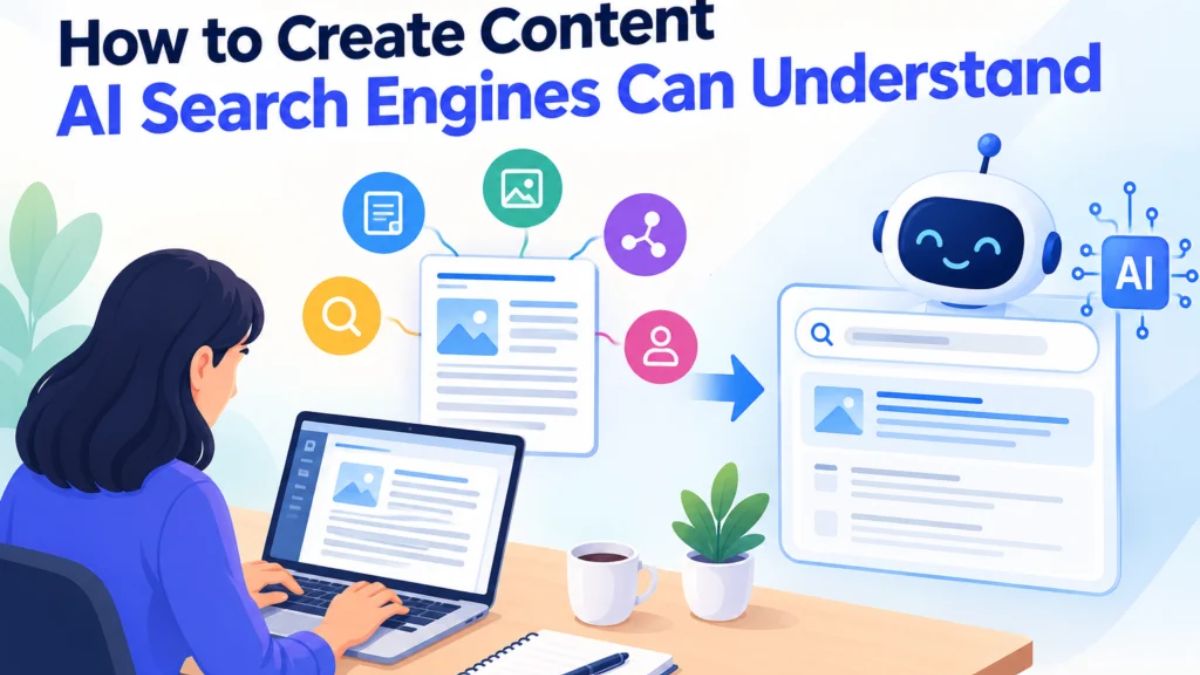
Step 1: Start With Your Audience’s Real Questions
Collect questions from:
- Sales calls and customer emails
- Support tickets and DMs
- Comments on your content
- Search suggestions and “people also ask” boxes
- Communities where your audience hangs out
Group them into themes: beginner questions, comparison questions, problem-solving questions, and “is it worth it” questions. This becomes your content map.
Step 2: Build Topic Clusters, Not Random Posts
A cluster is a main guide plus supporting articles that go deeper, all linked together:
- Pillar page: A thorough guide to a core topic.
- Supporting pages: Detailed answers to specific questions.
- Internal links: Connect them in a way that helps readers move from basic to advanced.
Clusters show depth and help readers (and search systems) understand what you’re an authority on.
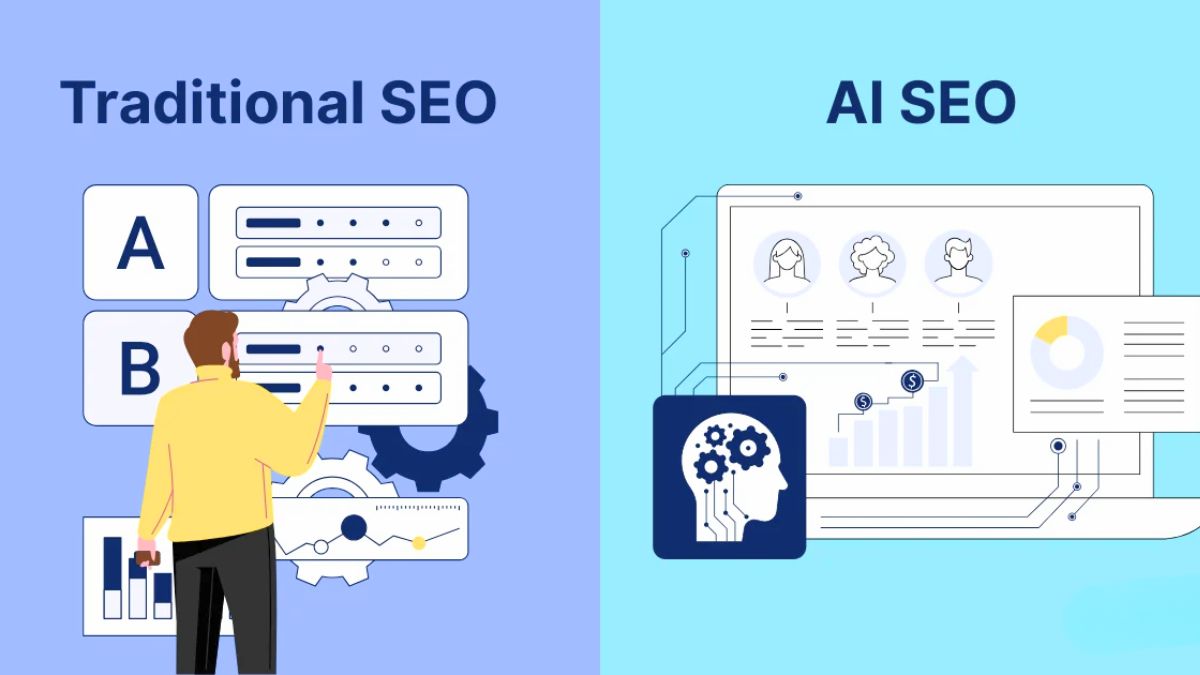
Step 3: Add the Things AI Can’t Fake
Originality is your edge. Add:
- First-hand experience: what you tried, what happened, what you’d do differently
- Original data: survey results, customer numbers, test results, or benchmarks from your work
- Real examples and screenshots
- Case studies with a problem, action, and result
- A clear point of view: what you believe and why
- Expert quotes with permission
- Honest limitations: who a solution is not for
If you can’t add something original to a page, reconsider whether the page needs to exist.
Step 4: Write for Readers First, Machines Second
- Answer the question early, within the first couple of sentences of a section.
- Use clear headings that match how people ask.
- Keep paragraphs short and use lists and examples where they help.
- Define terms in plain language.
- Link to credible sources for facts and statistics.
- Show who wrote it: a real name, bio, and relevant experience.
Structured, direct writing helps both people and AI systems pull accurate information from your page.
Step 5: Use AI as an Assistant, Not an Author
A human-first workflow protects quality:
- Start with your own notes: experiences, data, and opinions.
- Use AI for brainstorming and outlines. Ask for questions readers might have.
- Write the key sections yourself: stories, advice, and proof.
- Use AI to tighten and check structure, not to invent facts.
- Fact-check every claim, number, and quote against the original source.
- Edit for voice. If it could have been written by anyone, rewrite it.
- Disclose AI’s role when it matters and never fake authorship or credentials.
Step 6: Keep Content Fresh
Because freshness and accuracy both matter:
- Review key pages every quarter.
- Update statistics, screenshots, prices, and tool names.
- Add a visible “Last reviewed” note without tying the article to a specific year in the title unless it’s truly time-based.
- Merge or redirect outdated pages instead of leaving them to decay.
- Link new articles to older ones so your freshest work gets seen.
If you’re planning a site migration, remember reports that settling after one can take more than four months, so plan for a long recovery period.

Step 7: Distribute Beyond Your Website
Since AI answers draw on many sources, show up where your audience already looks:
- YouTube: Turn guides into short videos answering the same questions.
- Email: Share your best content with subscribers.
- LinkedIn, Pinterest, or other relevant platforms: Repurpose key ideas.
- Communities and forums: Answer questions helpfully and honestly, following each community’s rules.
- Guest content and podcasts: Build mentions and links from other credible sites.
Be careful with user-generated content on third-party sites. Follow platform and search guidelines, and don’t use it to manipulate rankings.
Step 8: Measure What Matters
- Search Console: impressions, clicks, queries, and pages gaining or losing visibility
- Engagement: time on page, scroll depth, and return visitors
- Conversions: email signups, leads, and sales that start with content
- AI visibility: check what AI assistants say about your brand and topics, and which pages they cite
- Self-reported attribution: ask customers how they found you
Because AI-answer clicks are hard to track, pair numbers with qualitative signals like branded search growth and customer comments.
Mistakes to Avoid
- Publishing unedited AI drafts.
- Chasing keywords instead of questions.
- Creating many thin pages.
- Faking authors or credentials.
- Letting old content decay.
- Ignoring distribution.
- Measuring only traffic.
A 30-Day Content Reset
- Week 1: Collect 30 customer questions and group them into themes.
- Week 2: Choose one pillar topic. Outline the guide and three supporting pieces.
- Week 3: Write the pillar guide with original examples and proof. Fact-check everything.
- Week 4: Publish, repurpose into a video and an email, and update one old page.
Build Content Into a Complete System
Content works hardest when it connects to a clear offer, an email list, and measurement. If you’d like a step-by-step guide to building a complete marketing system, take a look at my ebook:
The Digital Marketing Playbook
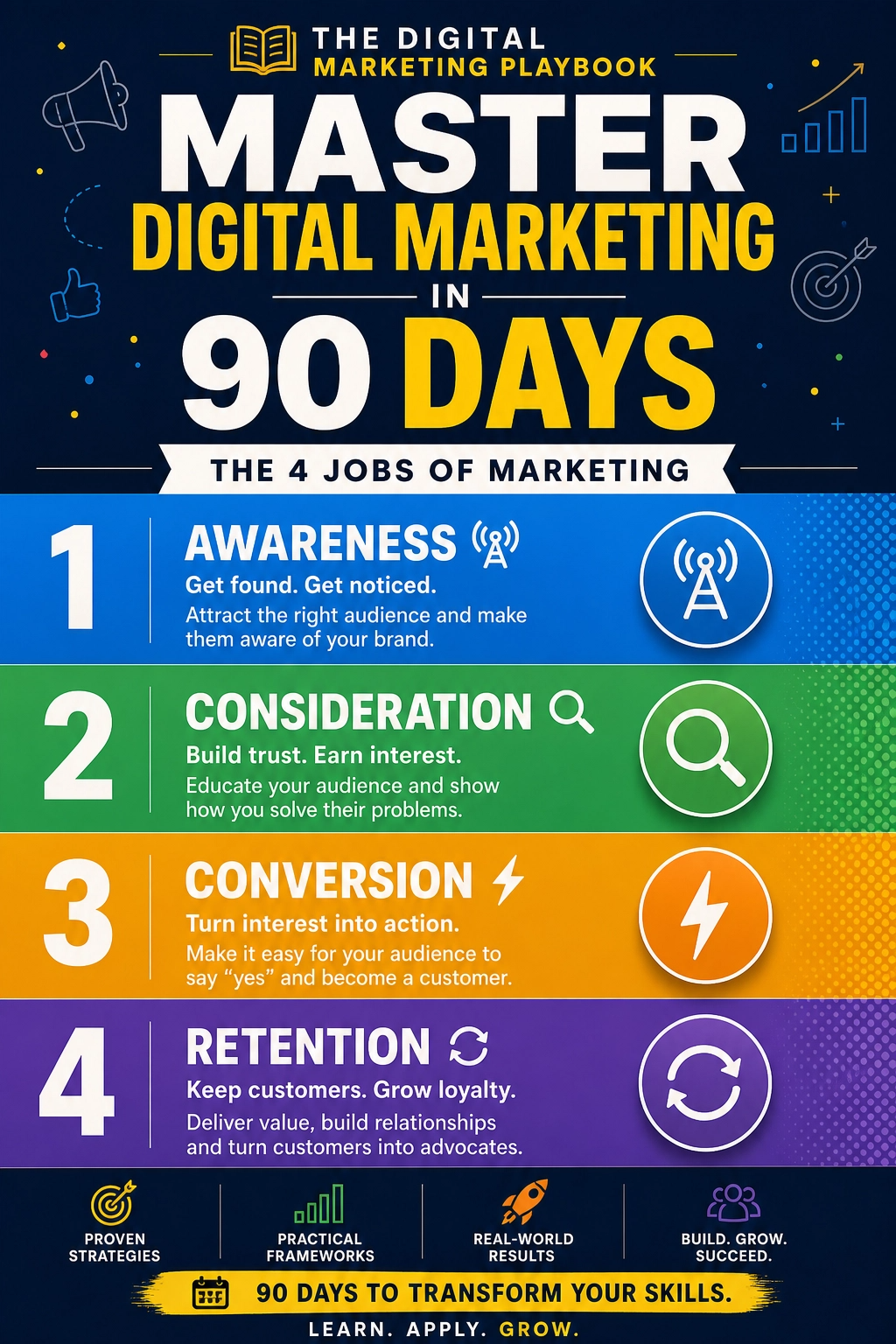
Trust me, great content without a system is a missed opportunity.
Final Thoughts
Content marketing isn’t dead. Boring content is. Answer real questions, add real experience, keep pages accurate and fresh, and use AI as a helper rather than a ghostwriter. If a page offers something no machine could produce in ten seconds, it will earn attention from both people and algorithms.









Leave a Reply