


The first time I toured a house I loved, I stood in the kitchen imagining Saturday pancakes and my kids doing homework at the island. Then the agent mentioned the interest rate, and I did a quick calculation on my phone. The dream and the math did not agree. I remember walking out to the driveway and quietly doing a very different kind of calculation: could we make this work, or should we wait?
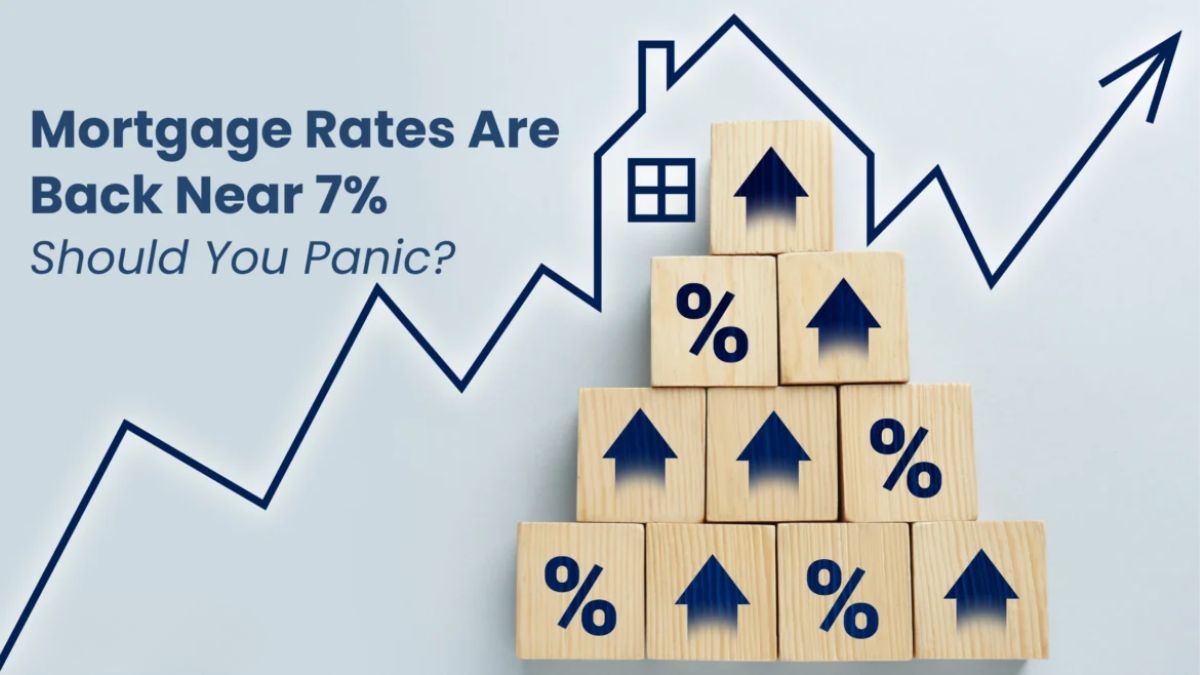
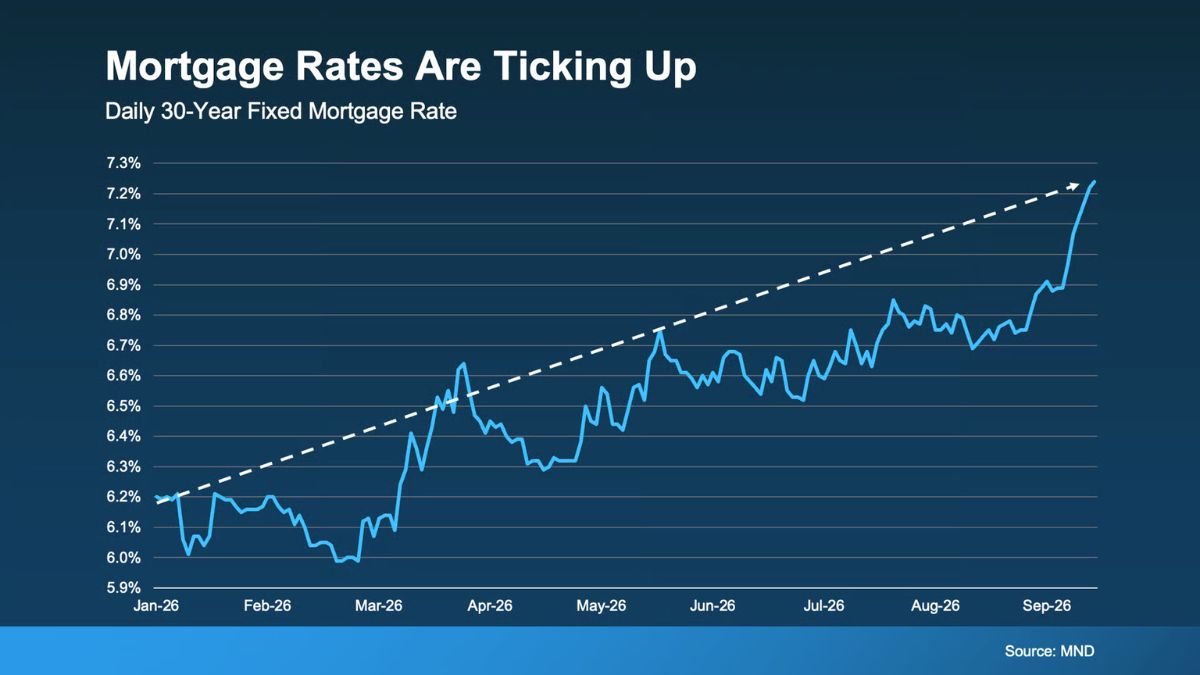
If you’re in that position right now, you’re in good company. Mortgage rates have recently climbed above 7%. NPR reported that rates hit about 7.4%, a three-year high, earlier this month before easing slightly. Freddie Mac reported an average 30-year fixed rate of 7.32% in a recent week, while NerdWallet’s daily tracker showed a 7.18% average APR on a more recent day, noting that the monthly average for the most recent full month was about 7.3% compared with about 6.98% the month before.
In this guide, I’ll explain what’s happening with mortgage rates, what a higher rate does to your monthly payment, and how moms who are buying, refinancing, or simply watching the market can make smart, steady decisions. (I’m not a mortgage professional or financial advisor. This is general information, so please talk with a licensed lender and, if needed, a financial advisor about your situation.)
Why Are Mortgage Rates So High?
Here’s the plain-English version, based on recent news coverage:
- Inflation is above the Fed’s target. Reports put it at around 3.6% compared with a year earlier, driven partly by higher energy prices.
- The Fed recently raised its benchmark rate for the first time in three years, then held steady at its latest meeting, with some officials favoring another increase and many analysts expecting one at the next meeting. Nothing is guaranteed.
- Mortgage rates don’t directly follow the Fed. They tend to track longer-term Treasury yields, which respond to inflation, economic news, and global events. As one lender put it, rates reflect bond market activity and inflation data and will likely keep fluctuating.
- Fixed rates have stayed above 7% for more than a month, according to Mortgage News Daily, even as day-to-day moves can be sharp.
In short: nobody can promise where rates go next, including me.
What a Higher Rate Does to Your Payment
Here’s a quick illustration. This is a simplified example for the principal and interest part of the payment only (it doesn’t include taxes, insurance, or fees), for a $300,000 loan on a 30-year fixed mortgage:
- At 6.5%, the monthly payment is about $1,896.
- At 7.3%, the monthly payment is about $2,057.
That’s roughly $160 more per month (nearly $2,000 a year) for the same loan. Over 30 years, the extra interest is substantial. A mortgage calculator from a reputable lender or government site lets you test your own numbers.
Here’s the truth: your rate matters, but so does the total monthly cost you can comfortably carry.
If You’re Thinking About Buying
1. Decide your comfortable payment first
Lenders may approve you for more than you should spend. Work backward from your budget:
- List your take-home pay and fixed expenses.
- Decide how much you can comfortably put toward housing, including taxes, insurance, maintenance, and utilities.
- Keep room in your budget for childcare, savings, and surprises.
2. Protect your emergency fund
A down payment is not the same as a cushion. Homes come with surprise costs: repairs, appliance failures, and higher utility bills. Try not to drain every dollar of savings at closing.
3. Shop several lenders, on the same day
Rates and fees vary by lender. Ask at least three lenders (a bank, a credit union, and a mortgage broker or online lender) for quotes on the same day with the same assumptions. Compare the APR and the full list of fees, not just the headline rate.
4. Strengthen your credit before you apply
A higher credit score can mean a lower rate. Check your reports for errors, pay down card balances where possible, make every payment on time, and avoid opening new credit right before applying.
5. Explore programs for first-time and lower-down-payment buyers
Depending on where you live and your situation, you may be able to access government-backed loans, down payment assistance, or other programs. Ask a lender or a HUD-approved housing counselor about options you may qualify for, and read the terms carefully.
6. Understand rate buydowns and points
Paying “points” upfront can lower your rate. It helps if you’ll keep the loan long enough to recoup the cost. Ask your lender for the break-even point in months, and consider how long you realistically plan to stay in the home.
7. Be careful with adjustable-rate mortgages (ARMs)
An ARM may start with a lower rate, but the rate can change later, potentially raising your payment. Make sure you understand the adjustment schedule, the caps, and whether you could afford the highest possible payment.
8. Don’t count on refinancing
You’ll often hear, “Buy now and refinance when rates drop.” That may work out, but there’s no guarantee that rates will fall or that you’ll qualify for a refinance later. Choose a payment that works if the rate never changes.
9. Consider renting if it fits your situation
Buying isn’t right for everyone at every moment. Compare the full cost of owning (mortgage, taxes, insurance, maintenance, and the cost of tying up your cash) with renting, and think about how long you’d stay.
If You Already Have a Mortgage
Many homeowners locked in lower fixed rates earlier and are protected from today’s swings. If that’s you:
- You probably don’t need to do anything. A fixed-rate mortgage’s payment of principal and interest won’t change.
- Watch your escrow. Property taxes and homeowners insurance can rise, which may change your total monthly payment.
- Consider extra payments only if it fits your plan. Paying down a low-rate mortgage faster isn’t always the best use of money compared with paying off high-interest debt or building savings.
If You’re Thinking About Refinancing
With rates elevated, refinancing makes sense mainly if the new loan clearly beats your old one. Ask:
- How much lower is the new rate?
- What are the closing costs?
- What’s my break-even point? (Closing costs divided by monthly savings.)
- How long will I stay in the home?
- Am I extending my loan term? Starting a new 30-year loan can lower your payment but increase total interest.
- Is a cash-out refinance wise? It converts home equity into new debt at today’s rates.
If you have an adjustable-rate loan that’s about to reset, talk to your lender about options before the change.
Home Equity Lines of Credit (HELOCs)
HELOC balances have risen, according to the New York Fed, and these loans often have variable rates. If you have one, know how your rate is set and how quickly it can change.
A Realistic Homebuying Timeline
- 3 to 6 months before: Check credit, pay down cards, and boost savings.
- 2 to 3 months before: Gather documents, talk to lenders, and get pre-approved.
- During the search: Stay within your comfortable payment, not your maximum approval.
- After an offer: Understand when you can lock your rate and what happens if rates move.
- Before closing: Confirm final numbers and keep a cash reserve.
Mistakes to Avoid
- Shopping only on the interest rate. Fees and APR matter.
- Stretching to the maximum approval.
- Draining your emergency fund.
- Taking on new debt before closing, which can derail approval.
- Ignoring taxes, insurance, and maintenance.
- Making decisions based on fear of missing out.
- Trying to perfectly time the market. No one can reliably predict rates.
Your 7-Day Mortgage Prep Checklist
- Day 1: Write your comfortable monthly housing budget.
- Day 2: Check your credit reports for errors.
- Day 3: Calculate your savings for down payment, closing costs, and a cushion.
- Day 4: Request quotes from at least three lenders.
- Day 5: Ask about assistance programs and loan types.
- Day 6: Compare total costs and break-even points.
- Day 7: Decide: buy now, wait and prepare, or stay put.

Build a Money Plan Around the Home Goal
Home decisions work best when they fit inside a bigger plan: an emergency fund, a debt strategy, and savings for your kids and your own future. If you’d like a step-by-step guide made for moms, take a look at my ebook:
The Smart Mom’s Complete Guide to Money

Trust me, a clear plan beats scrolling listings at midnight.
Final Thoughts
Mortgage rates above 7% are a challenge, but they aren’t the whole story. Focus on what you can control: your budget, your credit, your savings cushion, the lender you choose, and the payment you can truly afford. Whether you buy now, refinance, or wait, make a decision based on your family’s numbers rather than on headlines. The right home is the one you can enjoy without losing sleep over the payment.










Leave a Reply