

It was a Tuesday at 6:45 a.m. when my car made a noise that no one wants to hear. Ten minutes later, my daughter announced she had a fever. By lunchtime I was staring at a repair estimate and a pediatrician co-pay, and a thought crossed my mind that I’d had many times before: if I didn’t have a little money set aside, this week would have been a disaster.
That’s exactly what an emergency fund is for. And yet, according to Bankrate research, a large majority of Americans (81%) did not increase their emergency savings recently. When prices are climbing and every dollar feels spoken for, saving can seem impossible.
Here’s the encouraging part: savings rates are better than they’ve been in a while. Some top FDIC-insured online high-yield savings accounts are paying more than 4%, according to Bankrate figures reported by CNBC. That means your safety net can actually grow while it sits there.
In this guide, I’ll explain how much a mom should consider saving for emergencies, where to keep the money, and a realistic way to build it even on a tight budget. (I’m not a financial advisor, and this is general information. Your situation may call for different choices, so consider talking with a qualified professional.)
What Is an Emergency Fund (and What Isn’t It)?
An emergency fund is money you set aside for unexpected, necessary expenses, such as:
- A sudden job loss or reduced hours
- Urgent car or home repairs
- Medical bills and deductibles
- Emergency travel for a family crisis
- A broken appliance you can’t live without
It is not for sales, vacations, holiday gifts, or predictable bills like annual insurance premiums. Those belong in separate “sinking funds,” which we’ll cover below.
Why It Matters So Much for Moms
- Kids create surprise costs. Illnesses, school fees, activities, and childcare gaps pop up without warning.
- Many families depend on every paycheck. A single disruption can ripple quickly.
- Credit cards are expensive backup plans. One recent estimate put the average card APR for balance-carrying cardholders around 22%, so borrowing for an emergency can cost far more over time.
- Peace of mind is real. Knowing you can handle a bump reduces stress at home.
How Much Should You Save? A Simple Framework
There’s no perfect number, and any rule of thumb is just a starting point. Here’s a common way to think about it in stages:
Stage 1: A starter cushion
Many people begin with a small, achievable goal, often a few hundred dollars up to one month of essential expenses. This helps you handle minor surprises without reaching for a credit card.
Stage 2: One to three months of essentials
Add up your must-pay expenses: housing, utilities, groceries, transportation, insurance, minimum debt payments, and childcare. Multiply by one to three. This is a solid middle goal.
Stage 3: Three to six months (or more)
A commonly cited guideline is three to six months of essential expenses. You might aim higher if:
- Your income is irregular (freelance, commission, seasonal work)
- You’re the only earner in the household
- You have health concerns or a child with extra needs
- Your industry is unstable
You might be comfortable with less if you have two stable incomes, strong benefits, and other safety nets. Only you can judge your situation.
A quick worksheet
- Add up your monthly essentials: ___
- Multiply by your target number of months: ___
- Subtract what you already have saved: ___
- Divide the remainder by the number of months you give yourself to reach the goal: ___ (that’s your monthly savings target)
Where Should You Keep Your Emergency Fund?
Your emergency fund has three jobs: it should be safe, accessible, and separate from your everyday spending.
High-yield savings accounts
These are savings accounts, often at online banks, that pay higher rates than many traditional accounts. Look for:
- FDIC insurance (or NCUA insurance for credit unions) so your deposits are protected up to the legal limits
- No or low fees and no big minimum balance
- Easy transfers to your checking account
- A competitive rate, keeping in mind that rates are variable and can change
Current reports say some top accounts pay more than 4%, but a rate that’s high today can move later, so check periodically.
Other options
- Money market accounts at banks: Can offer competitive rates with limited check-writing or debit access. Confirm FDIC insurance.
- Certificates of deposit (CDs): Lock in a rate for a set term but may charge penalties for early withdrawal, so they’re better for the portion of your savings you won’t need quickly.
- Your regular savings account: Fine for a starter fund if the rate is poor but you need simplicity, though you may earn little.
What to avoid
- The stock market for money you might need within a few months. Prices can drop right when you need cash.
- Money you can’t access quickly, such as long-term investments with penalties.
- Keeping it all in checking, where it’s easy to spend by accident.
7 Ways to Build Your Emergency Fund (Even on a Tight Budget)
- Automate it. Set up a small automatic transfer on payday, even $10 to $25 a week. You can increase it later.
- Start with the savings you won’t notice. Direct a tax refund, bonus, or cash gift to your fund.
- Find one expense to trim. Review subscriptions, takeout, and unused memberships. Send the savings to your fund.
- Use the “round-up” trick. Some banks round purchases up and save the difference.
- Sell what you don’t use. Kids’ clothes, toys, and gear can raise a quick boost.
- Pick up small side income. A weekend gig, tutoring, or selling a handmade item can add up. Direct that money straight to savings.
- Name the account. Giving your account a goal name, such as “Family Safety Net,” makes you less likely to dip into it.
Pro tip: If you have high-interest credit card debt, many people balance a small starter emergency fund with debt payoff, so a surprise doesn’t push them deeper into debt. The right balance depends on your situation.
Don’t Forget Sinking Funds
Many “emergencies” are really predictable expenses that just happen irregularly. A sinking fund is a separate pot for those:
- Car maintenance and registration
- Annual insurance premiums
- Back-to-school costs
- Birthday and holiday gifts
- Medical, dental, and vision expenses
- Home maintenance
Divide the yearly cost by 12 and set aside that amount monthly. This keeps your true emergency fund for true emergencies.

When to Use Your Emergency Fund (and What to Do After)
Before you withdraw, ask:
- Is it unexpected?
- Is it necessary?
- Is it urgent?
If the answer is yes to all three, use it without guilt. Then make a plan to refill it: pause extras, boost your automatic transfer, and rebuild step by step.
Common Mistakes to Avoid
- Waiting until you can save a big amount. Start small.
- Mixing it with everyday spending.
- Chasing the highest rate and ignoring safety. Confirm deposit insurance.
- Using it for non-emergencies.
- Never revisiting it. As your expenses grow, so should your target.
- Feeling ashamed if you have to use it. That’s what it’s for.
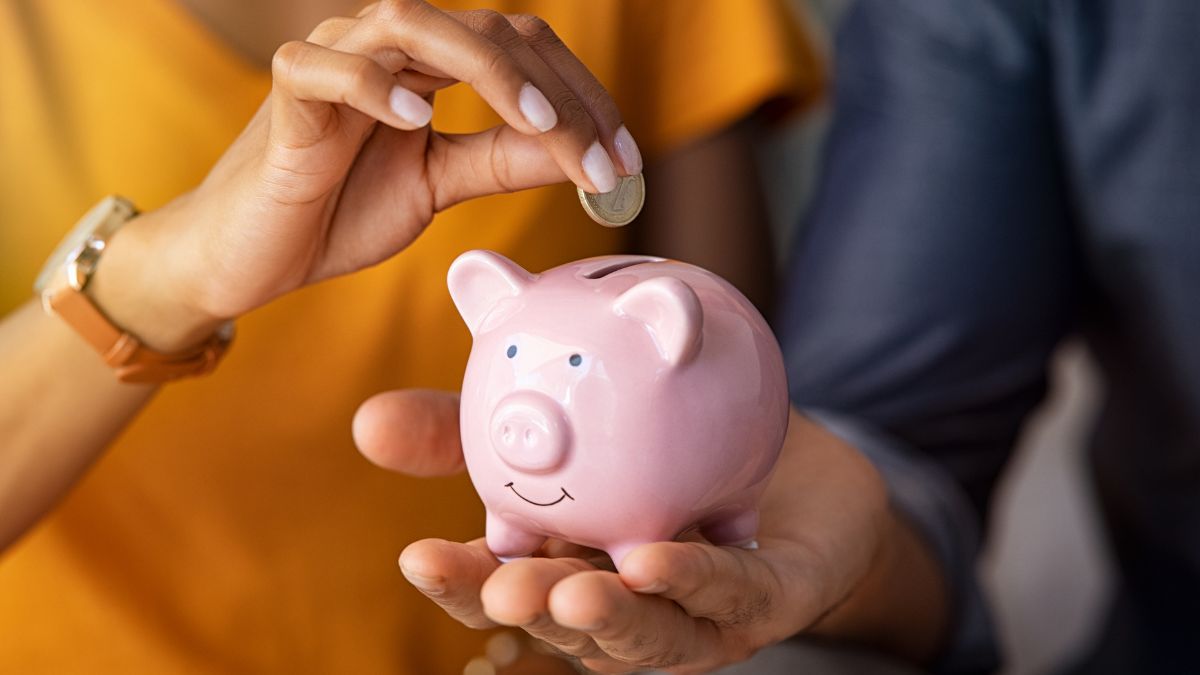
A 30-Day Emergency Fund Kickstart
- Week 1: Calculate your monthly essentials and set a target.
- Week 2: Open a separate high-yield savings account and name it.
- Week 3: Set up an automatic transfer, even a small one.
- Week 4: Find one expense to cut and redirect that money to your fund.
Build a Money System That Fits Your Family
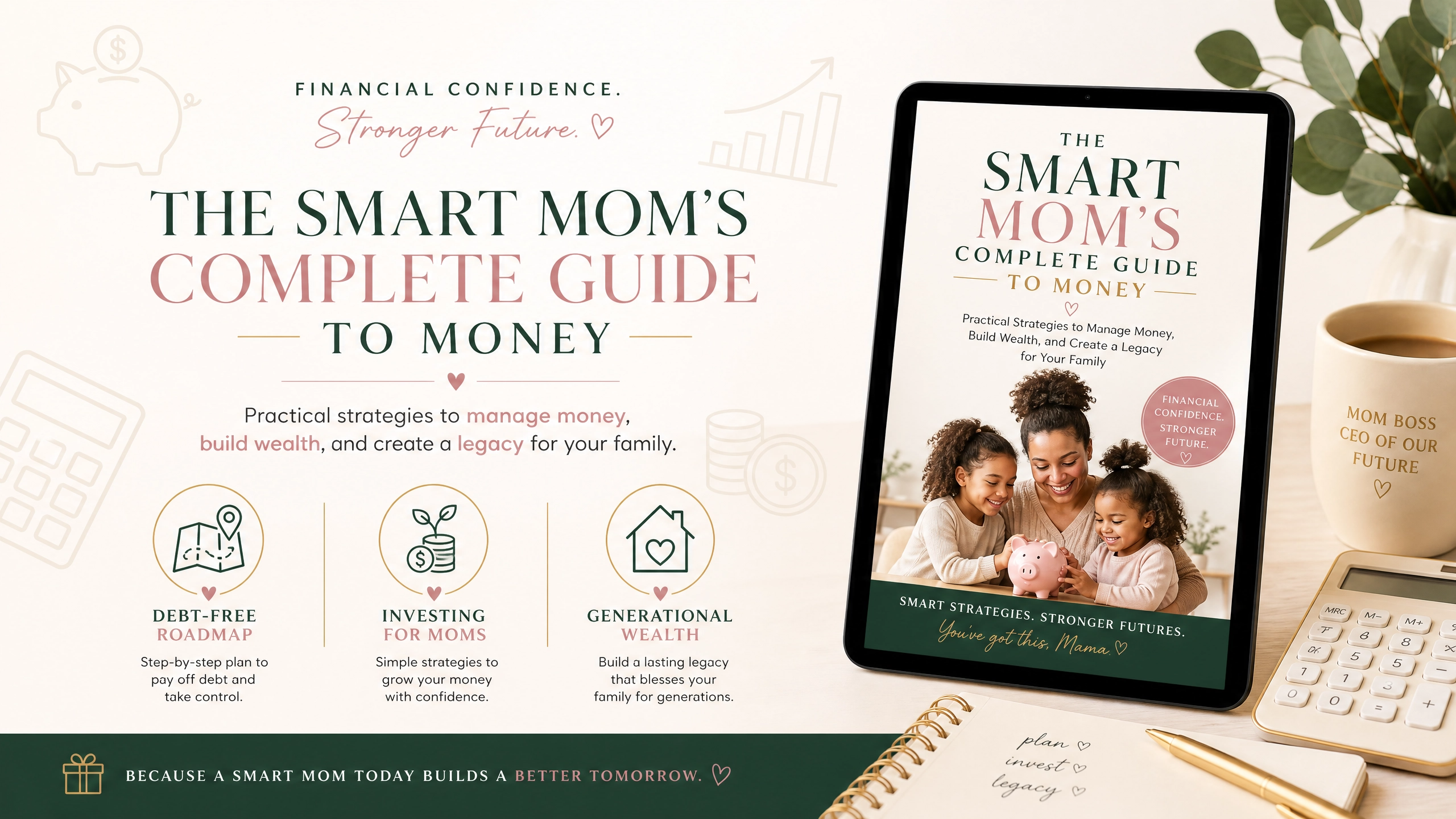
An emergency fund is the foundation of financial security. If you’d like a step-by-step guide to budgeting, saving, debt, and building wealth, made for busy moms, check out my ebook:
The Smart Mom’s Complete Guide to Money
Trust me, a safety net turns a crisis into an inconvenience.
Final Thoughts
You don’t need a perfect budget or a big paycheck to build an emergency fund. You need a small start, a safe place to keep the money, and automation that does the work for you. With savings rates currently higher than they’ve been in a while, your money can earn something while it protects your family. Start with what you can, and let it grow.










Leave a Reply