

A few years ago, a friend of mine applied for a job she was perfect for. Great experience, strong references, polished resume. She never heard back. Months later, a recruiter admitted what happened: they searched her name, found an abandoned profile with a blurry photo and a headline that said “Looking for opportunities,” and quietly moved on. She never knew she’d been judged before the interview.
That story isn’t unusual, and it’s why career-focused personal branding is a hot topic again this autumn. This week, a university in Indonesia ran a mandatory personal branding session for students, where the speaker defined it as how others experience and perceive you, and how you communicate your unique value through the way you speak, act, and present yourself. Meanwhile, LinkedIn released new tools for in-person networking, and recent statistics roundups keep repeating one uncomfortable point: employers, recruiters, and clients check you online.
In this guide to personal branding for your career in 2026, I’ll cover what the numbers say (with honest caveats), what’s new in networking tools, and a step-by-step plan to make your online presence work for you, whether you’re job hunting, freelancing, or planning a career pivot.
What the Numbers Say (With Caveats)
A founder-focused statistics roundup published on October 25, 2026 compiled several figures worth knowing. Because these are secondary sources, treat them as directional:
- A figure attributed to Wave Connect says about 54% of employers have rejected a candidate because of a poor online presence, while about 44% have hired someone because of a strong personal brand.
- Gitnux data cited in the same roundup suggests roughly 75% of recruiters check candidates’ social profiles, and another source says about 70% of employers use social media screening.
- A Gitnux figure also claims personal websites improve credibility for about 82% of professionals.
The roundup itself warns that statistics are often recycled and rarely segmented by region, industry, or stage of career. So don’t panic over any single number. The takeaway is simple: assume people will look you up, and make sure they find the version of you that you’d choose.
Why This Matters Even If You’re Not Job Hunting
The same “screening” habit applies to:
- Clients deciding whether to hire you for a project
- Partners and collaborators considering working with you
- Brands reviewing creators before sponsoring them
- Event organizers choosing speakers
- Investors, accelerators, and grant reviewers if you run a business
If your name appears anywhere in a decision, your online presence is part of your resume.
What’s New: Tools for Building Real Relationships
According to late October roundups, LinkedIn is introducing:
- Digital business cards you can design, add to your phone wallet, and share when you meet someone in person (rolling out globally over the coming months)
- A new Network feed that gathers posts from your connections and people you follow
- Private profile notes for remembering the context behind each connection
A LinkedIn research release in September also highlighted that Gen Z professionals are becoming key business decision-makers, yet many lack confidence in turning contacts into career opportunities (the release’s headline cites 72%). These tools are aimed at exactly that gap: turning a quick hello into a genuine relationship.
Step 1: Do Your “Private Window” Audit
Open a private browser window and search:
- Your full name
- Your name plus your profession
- Your name plus your city or company
Then check the image results and each social profile. Ask yourself: if I were hiring me, what would I conclude? Screenshot everything as your baseline.
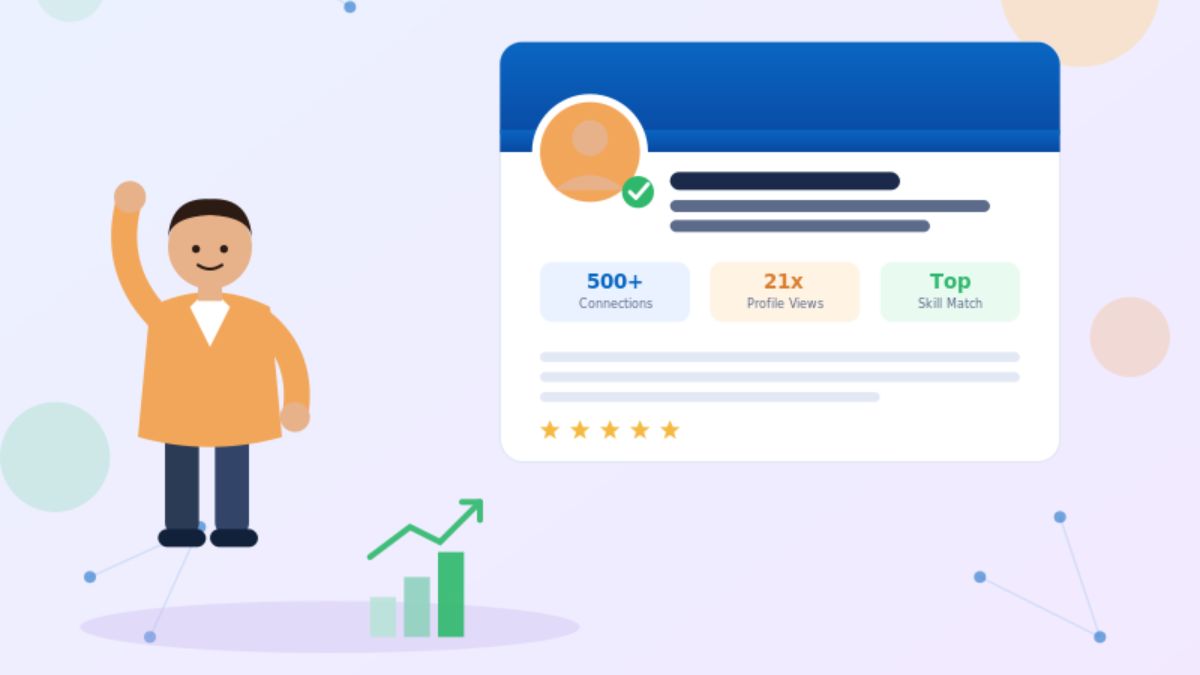
Step 2: Fix Your Core Profile
Start with your LinkedIn profile because it often ranks high for your name:
- Photo: Clear, friendly, recent, good lighting.
- Headline: Replace “Seeking opportunities” with value. Example: “Marketing specialist who turns messy data into clear campaigns.”
- About section: Three short parts: who you help, proof (numbers or outcomes), and what you want next.
- Experience: Use results, not just duties. “Grew newsletter from 800 to 4,500 subscribers in 6 months” beats “Managed newsletter.”
- Skills and keywords: Use the terms recruiters actually search for.
- Featured section: Add a portfolio, case study, or presentation.
Step 3: Clean Up and Align Everything Else
- Review privacy settings on personal accounts, and decide what should be public.
- Remove or archive content that doesn’t represent who you are now.
- Use the same name, photo style, and short bio across platforms.
- Make sure your email address looks professional.
- Update old bios on third-party sites like conference pages, directories, and guest-post author boxes.
Step 4: Build Proof, Not Just Claims
Hiring decisions often come down to evidence. Collect:
- Work samples: Designs, writing, code, plans, presentations
- Case studies: Problem, what you did, result
- Testimonials: Short quotes from managers, clients, or colleagues, with permission
- Certifications and courses: Only the relevant ones
- Public thinking: A few helpful posts or articles that show how you think
Pro tip: Create a simple one-page “portfolio” or personal website with your best three projects. Recruiters and clients often decide in seconds.
Step 5: Share Your Expertise Regularly
You don’t have to post daily. Aim for a rhythm you can sustain:
- Weekly: One short post sharing a lesson, a mini case study, or a resource
- Weekly: Five thoughtful comments on others’ posts in your field
- Monthly: One deeper piece, like a short article, carousel, or video
- Always: Answer questions in your niche with real examples
Short-form video can help too. In the roundups, 49% of young professionals surveyed by LinkedIn said short-form video is the best way to engage Gen Z buyers. You don’t have to become a video creator, but a 60-second explanation can show your communication skills.
Step 6: Network Like a Human
Online presence opens doors, but relationships walk you through them.
- After meeting someone, connect within 24 hours with a personal note (where you met, one thing you discussed).
- Use private notes to remember details for later.
- Offer value first: Share an article, an introduction, or a useful tip.
- Follow up gently a few weeks later with a specific update or question.
- Thank people publicly when they help you.
Step 7: Prepare Your Story
People hire the person whose story makes sense. Write short answers to:
- Who am I professionally in one sentence?
- What am I best at?
- What results am I proud of?
- What am I looking for next, and why?
- What’s one challenge I overcame, and what did I learn?
Use the same story in your About section, interviews, and networking conversations.
Mistakes to Avoid
- A dormant profile. An empty or outdated profile can raise doubts.
- Vague headlines. “Passionate professional” says nothing.
- Inconsistent information. Different job titles or dates across platforms look careless.
- Over-sharing or venting publicly. Think before posting about employers or clients.
- Copy-pasting generic AI text. Add specific details only you know.
- Claiming skills you don’t have. Trust is hard to rebuild.

A 30-Day Career Brand Plan
- Week 1: Run your audit, update your photo, headline, and About section.
- Week 2: Collect three work samples and two testimonials. Build a one-page portfolio.
- Week 3: Publish two posts and comment on ten. Connect with five people in your field.
- Week 4: Book two informational chats, send thank-you notes, and write your 90-day goals.
Build a Career Brand With a Clear Blueprint
A strong career brand starts with clarity: who you are, who you help, and what makes you different. If you’d like a step-by-step framework for shaping your positioning and story, I created a guide to help you:
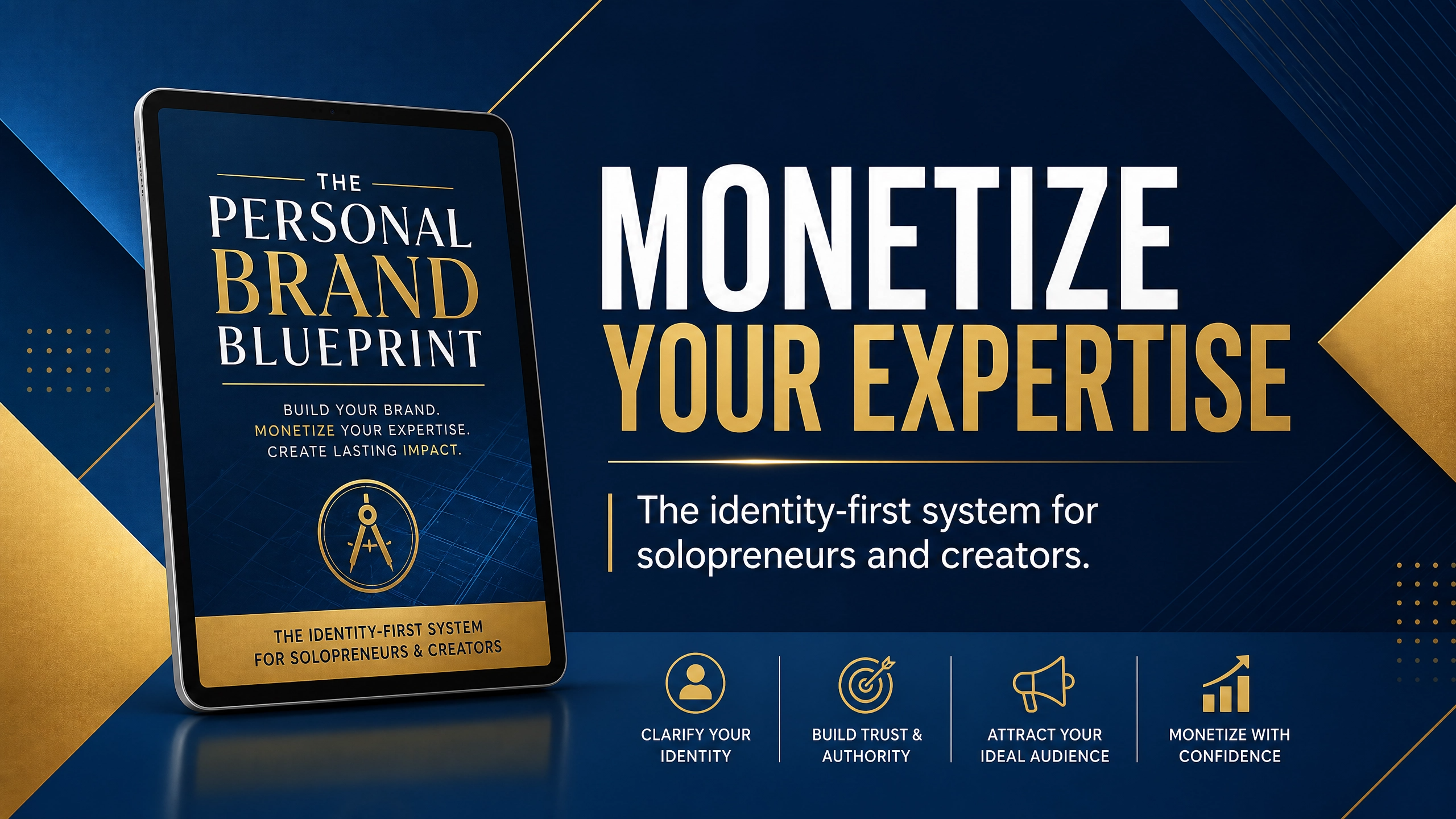
Trust me, I wish I’d had a blueprint when I was first explaining my work to strangers.
Final Thoughts
Your online presence is working for you or against you every day, whether you’re posting or not. The good news is that you control it. Audit what people see, clarify your message, show proof of your work, and build real relationships. Do that for 30 days, and the next time someone searches your name, they’ll find exactly who you want them to meet.









Leave a Reply