


A few weeks ago, I asked an AI assistant to find me a birthday gift, compare three options, and tell me where to buy. It did all of it in about a minute. I never visited a single store website. And that’s when it hit me: if shoppers can skip our websites entirely, marketers need to rethink how customers find us.
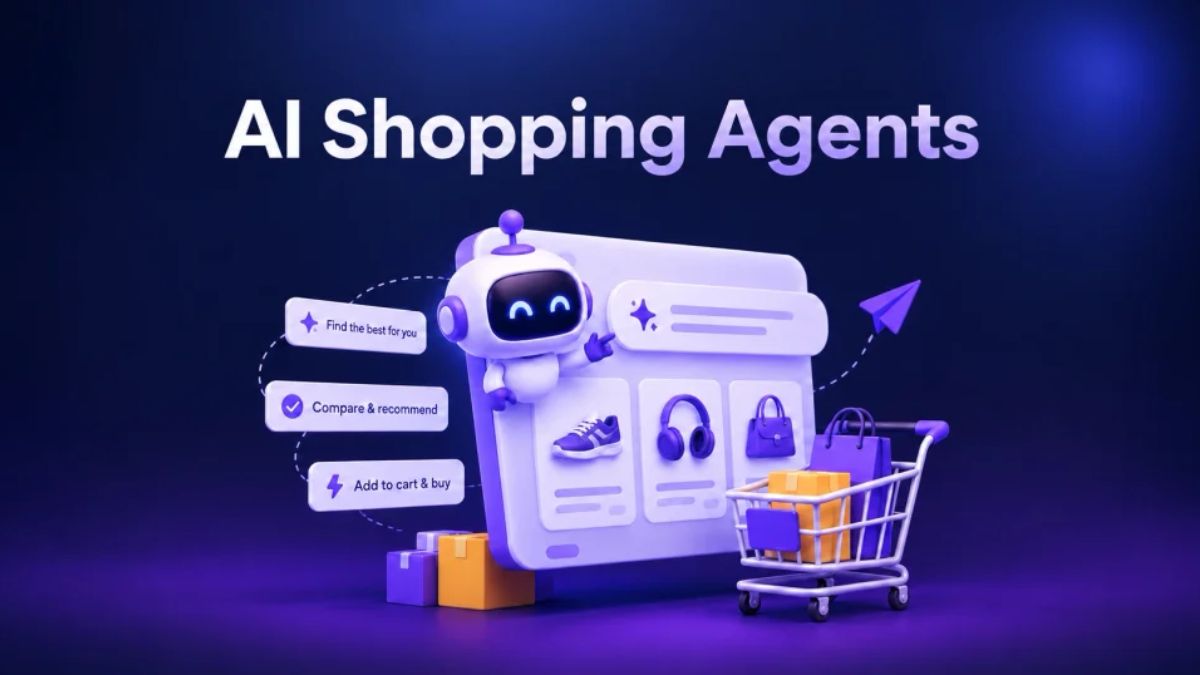
That’s the world of agentic shopping, where AI agents research, compare, and sometimes even complete purchases on a person’s behalf. In just the last six weeks, Google enabled direct AI checkout for some Shopify merchants, Meta pushed its Muse agent with Shopify checkout, OpenAI introduced Sponsored Agents in ChatGPT ads, and TikTok connected its ad tools to popular AI assistants.
In this guide, I’ll explain what these AI agents in digital marketing actually do, what the data says about shopper attitudes, and a practical checklist for solopreneurs and small businesses.
What Is “Agentic” Marketing and Shopping?
Put simply, an AI agent is a tool that can take multi-step actions for you, not just answer questions. In marketing, that shows up in two ways:
- Agents that help marketers work (building campaigns, analyzing performance, writing reports).
- Agents that help shoppers buy (finding products, comparing prices, checking out).
Let’s look at what’s new on both sides.

New for Shoppers: AI That Can Buy
Here’s what has launched recently, according to industry reports:
- Google AI checkout: Google opened native checkout in AI Mode and the Gemini app to eligible Shopify merchants, powered by its Universal Commerce Protocol. For eligible stores, direct checkout can be enabled automatically when products are connected through Merchant Center, though merchants can opt out.
- Google Universal Cart: Now live for the holiday season, letting shoppers save products from multiple retailers, watch price and inventory changes, and pay with Google Pay.
- Meta Muse: Meta partnered with Shopify to enable agentic checkout with Shop Pay. Amazon reportedly asked to be removed from Muse’s agent list, citing its rules against automated shopping tools.
- ChatGPT Sponsored Agents: Users can click an ad and chat with a business-sponsored agent that answers questions, suggests products, and shares a purchase link.
Here’s the truth: purchases may happen inside AI interfaces, which changes how you track sales and customer journeys.

New for Marketers: AI That Helps You Work
- Meta Muse for business: Meta describes uses like assessing ad performance, building campaigns through conversation, setting up automations, and connecting tools like Instagram analytics, Shopify, QuickBooks, Canva, and Slack. Reports say it’s free for most uses, with premium plans around $20 to $100 a month. For creators, Muse can reportedly flag potential brand collaboration opportunities and compare offers to industry averages.
- TikTok’s AI connectors: TikTok expanded its MCP connector so brands can build campaigns, upload creative, and analyze performance through AI platforms they already use, including assistants like Claude and Perplexity.
- ChatGPT Ads tools: AI-assisted campaign tools and integrations with HubSpot and Shopify.
- Google Ads API: Moving to two releases per month, which Google says supports a new “agentic era” of automated workflows.
A word of caution: Agents often need access to your accounts. Read permissions carefully, start with low-risk tasks (reports, drafts), and review anything before it goes live or spends money.
What Shoppers Actually Think (A Reality Check)
Before you rebuild your whole business around AI agents, look at the attitudes data:
- In one recent study, 47% of U.S. digital shoppers said they haven’t used a retail chatbot and aren’t interested, up from about 38% in an earlier survey.
- Only about 7.8% said they use retail chatbots regularly.
- Another study found about 34% of shoppers still start with the website’s search bar, while only 9% went to an AI chat assistant first.
So AI shopping is growing, but traditional search, strong product pages, and trust still matter. The smart move isn’t to panic. It’s to be ready for both.
Creators Are Winning in AI Recommendations
Here’s some encouraging news for creators and small brands. Research shared this month covering nearly 4,000 product videos found that about 60% of the videos cited by AI recommendation tools came from creators, compared with about 10% from brands. Detailed reviews seemed to matter more than production quality or view counts.
That means honest, specific, helpful content (like detailed reviews, comparisons, and tutorials) can help your products get recommended, even if you don’t have a big budget.
Your Agent-Ready Checklist
Here’s what I’d do this month, in order:
1. Clean up your product and business data
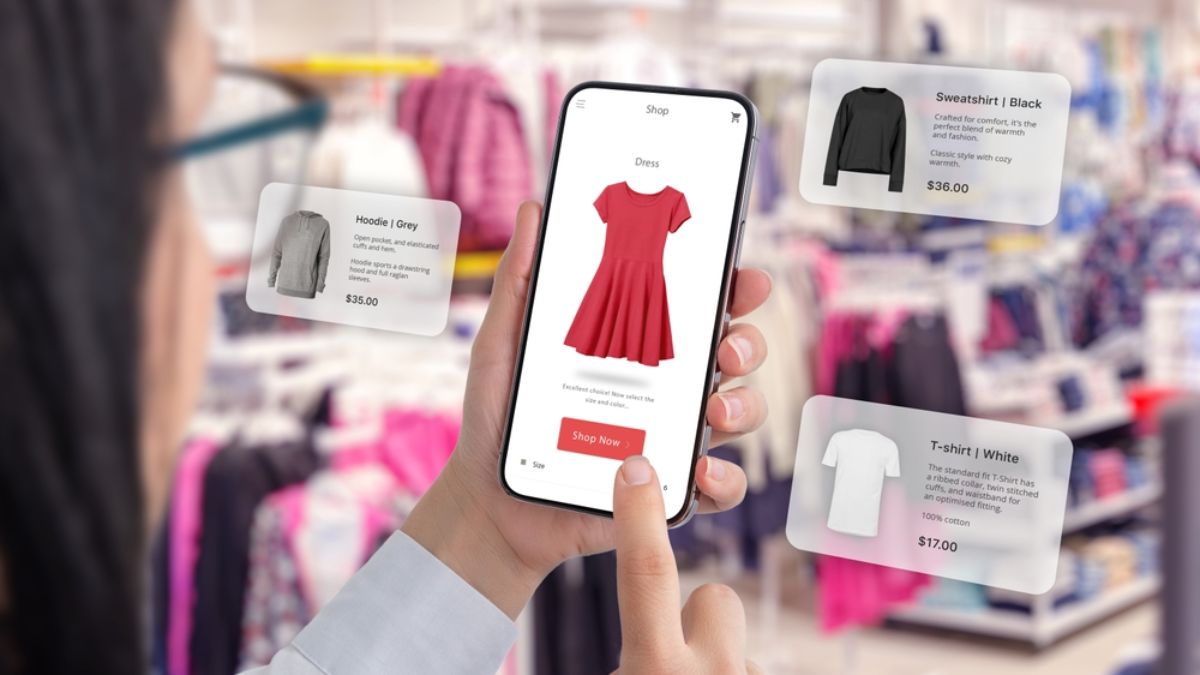
- Accurate prices, availability, titles, descriptions, and images
- Consistent business name, address, hours, and contact details
- Updated Merchant Center feed if you sell products
2. Make your content answer real questions
- Use FAQ sections, comparison tables, and “who it’s for” explanations
- Add specifics: sizes, materials, ingredients, results, limitations
- Share honest reviews and customer stories
3. Check your checkout settings
- If you use Shopify and Merchant Center, review whether AI checkout is enabled for your store
- Decide whether you want purchases to happen on your site or inside AI interfaces
- Test how sales are tracked so your reports stay accurate
4. Decide your AI crawler policy
- Cloudflare now lets site owners block AI training bots without blocking Googlebot, with separate choices for search, agent, and training bots
- Google has also started a pilot to pay some publishers when their content contributes to AI answers (still early, with details unreleased)
- Think about what you want to allow, and review your robots.txt
5. Start small with AI tools
- Use AI agents for low-risk tasks first: drafting emails, summarizing reports, brainstorming content
- Keep a human in the loop for anything public or involving money
- Write down what worked so you can repeat it
6. Own your audience
- Build your email list
- Keep a strong website with clear offers
- Don’t depend on any single AI platform
Pro tip: One more change to note: Reddit is ending RSS feed support on November 13 and plans to shut down public API access in March 2027. If you use social listening or AI tools that pull Reddit data, check your tools now.

Mistakes to Avoid
- Giving agents broad account access without understanding it.
- Letting AI write or post without review. Accuracy and honesty matter.
- Ignoring tracking. If purchases move into AI interfaces, you need new ways to see them.
- Chasing every new tool. Choose two or three that save you real time.
Build a System, Not a Pile of Tools
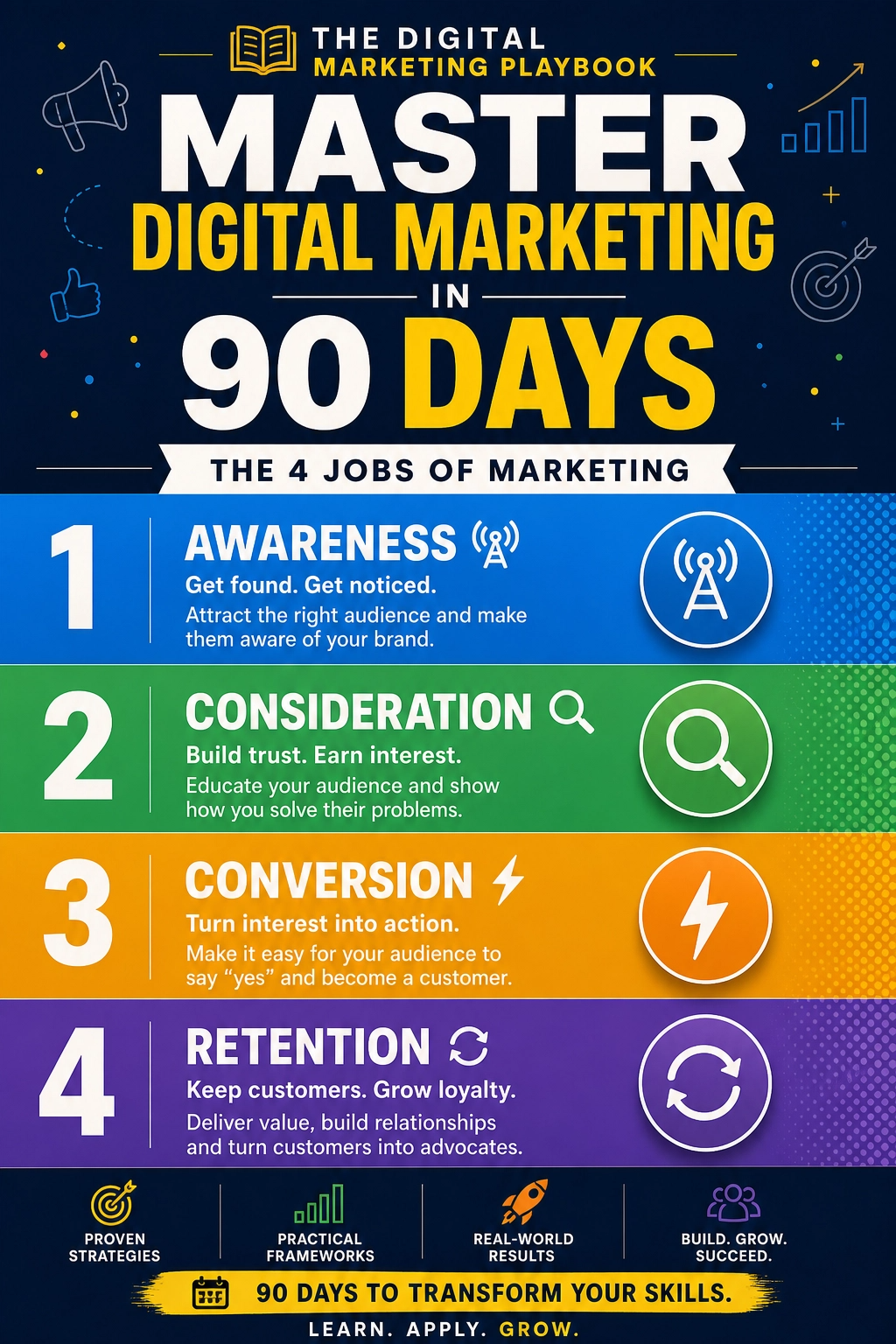
AI agents can save time, but they work best when you already have a clear offer, a strategy, and a measurement plan. If you want a step-by-step framework to organize your marketing before you add more tools, take a look at my guide:
The Digital Marketing Playbook
Trust me, tools multiply what you already have. A solid system makes them work harder.
Final Thoughts
Agentic shopping and AI marketing tools are arriving quickly, but most shoppers still rely on familiar habits. That gives you time to prepare thoughtfully. Clean up your data, create genuinely helpful content, test new tools in small ways, protect your accounts, and keep building direct relationships with customers. The businesses that win won’t be the ones who adopt every new feature first. They’ll be the ones who stay trustworthy, organized, and useful.










Leave a Reply