

The first year I tried to run a holiday sale, I started planning on Black Friday morning. Yes, you read that right. I scrambled to write an email, threw together a graphic, and wondered why nothing worked. By the time I figured out what I was doing, the shopping rush was almost over. Learn from my mistake: the best Black Friday results come from the work you do in the weeks before.
The good news? As I write this on October 26, 2026, Black Friday (November 27) is about a month away, which is just enough time to build a smart plan. Fresh data on holiday ad creative, new Google shopping tools, Pinterest’s holiday push, and cheaper display ads all point to opportunities for small businesses and creators.
In this Black Friday 2026 digital marketing plan, I’ll share the newest numbers and give you a week-by-week checklist you can start today.
What the Latest Data Says
Let me share what caught my attention this month:
- Fresh creative wins. Marketing Dive analyzed AppLovin data from last year’s Black Friday and Cyber Monday window. Advertisers who released new creative almost every week in November 2025 saw about 23% higher seven-day return on ad spend than advertisers who refreshed once or twice. Creative uploaded in November also returned about 20% more on first interaction than assets older than 60 days. (This is AppLovin’s own platform data, so treat it as direction, not a rule.)
- Promotions drive revenue. Promotional messaging accounted for roughly 64% of day-seven attributed revenue in that data, even though evergreen product messaging made up more of the creative.
- Short videos led. The shortest videos delivered the biggest lift in first-interaction return compared with longer ones.
- Display ads are cheaper. Display prospecting CPMs were reported about 45% lower year over year between July and early September, and retargeting CPMs about 29% lower. Just remember that cheaper reach doesn’t guarantee more sales, especially with consumer confidence under pressure.
- Google Universal Cart is live. Google says shoppers can now save products from multiple retailers, keep tabs on price or inventory changes, spot hidden savings, and check out with Google Pay.
- Pinterest is a holiday research engine. Pinterest reports more than 640 million monthly users, that 64% of monthly Pinners say it helped them confidently choose a purchase during the holidays, and that 36% of Pinterest ad impact happens after the first eight weeks of a campaign.
Here’s the truth: shoppers are researching earlier, comparing across platforms, and responding to fresh, clear offers. Your job is to show up early and keep things new.
The 30-Day Black Friday Checklist
Week 1 (Oct 26 – Nov 1): Foundation
- Choose your offer. Decide your Black Friday deal. Keep it simple: a clear discount, bundle, bonus, or free shipping. Confusing offers kill sales.
- Set your goal and numbers. How many sales or signups do you want? What’s your break-even cost per sale?
- Audit your product data. If you sell physical products, check your Google Merchant Center feed for accurate prices, availability, titles, and images. The new shopping tools depend on correct data.
- Test your checkout. Buy something yourself on mobile. Fix anything slow or confusing.
- Check your tracking. Make sure your analytics and ad pixels record purchases correctly.
- Start your waitlist. Announce your sale is coming and invite people to join an early-access email or SMS list.
Week 2 (Nov 2 – Nov 8): Build Interest
- Warm up your audience. Share content that builds desire, not just discounts: how-tos, comparisons, customer stories, gift guides.
- Set up Pinterest. Create holiday boards and Pins now, since people save ideas weeks before buying. Plan campaigns early if you use Pinterest ads.
- Write your email sequence. Plan at least five emails: teaser, early access, launch day, mid-weekend reminder, last-chance.
- Create your first batch of creative. Make several versions of your main message: short videos, static images, and one customer-proof asset.
- Update your Google Business Profile (for local businesses) with holiday hours, offers, and photos.
Week 3 (Nov 9 – Nov 15): Soft Launch
- Launch early-access offers to your email list and followers.
- Start low-budget ad tests. Test two or three creatives and see which gets the best click-through and cost per result.
- Collect social proof. Ask recent customers for reviews and photos, and use them in your ads and pages.
- Prepare customer support. Write FAQs about shipping times, returns, and discount rules.
Week 4 (Nov 16 – Nov 22): Refresh and Prepare
- Refresh creative. Based on the AppLovin data, aim for at least one small change every week: a new image, a sharper first line, a clearer offer.
- Bring the promotion forward. As the holiday gets closer, move from awareness messaging to deal messaging.
- Prepare your inventory and delivery promises. Overselling erodes trust.
- Schedule your content. Draft and schedule posts, stories, and emails for Black Friday weekend.
Week 5 (Nov 23 – Nov 30): Launch and Sprint
- Black Friday (Nov 27): Send your launch email first thing, post across your channels, and check ad spend daily.
- Weekend: Send a mid-weekend reminder with new proof (bestsellers, reviews, low stock).
- Cyber Monday (Nov 30): Highlight a bonus or extended deal for people who missed out.
- After the sale: Thank buyers, ask for reviews, and tag purchasers so you can email them your next offer.
Pro tip: You don’t need 20 new ads. One tiny change every week is enough to keep creative feeling fresh.
Quick Wins for Different Types of Businesses
If you sell digital products or courses
- Offer a limited-time bonus (template, bonus lesson, or a call) rather than only cutting the price.
- Show results and testimonials in every email.
- Create a clear before-and-after story.
If you sell physical products
- Keep inventory data updated everywhere you list products.
- Bundle products to raise your average order value.
- Test shipping promises (free shipping thresholds work well).
If you’re a creator or affiliate marketer
- Create gift-guide content and “best deals” lists early.
- Use disclosure labels properly on every sponsored or affiliate post.
- Prepare link pages and bio links in advance, and remember that Facebook limits link posts for non-paying pages.
If you run a local business
- Keep your Google Business Profile accurate, and respond to suggested edits quickly (Google reports you may have only about four days before a user’s edit can go live).
- Promote time-limited local offers.
Mistakes to Avoid
- Waiting until the last minute. Early planning beats frantic execution.
- Discounting too deeply. Know your margins before you set the price.
- Ignoring email. Email and SMS lists are owned channels that don’t depend on an algorithm.
- Letting creative go stale. Fresh creative performed better in the data we reviewed.
- Not tracking results. If you can’t measure it, you can’t improve it next year.
Want a Full Marketing Playbook Beyond the Holidays?
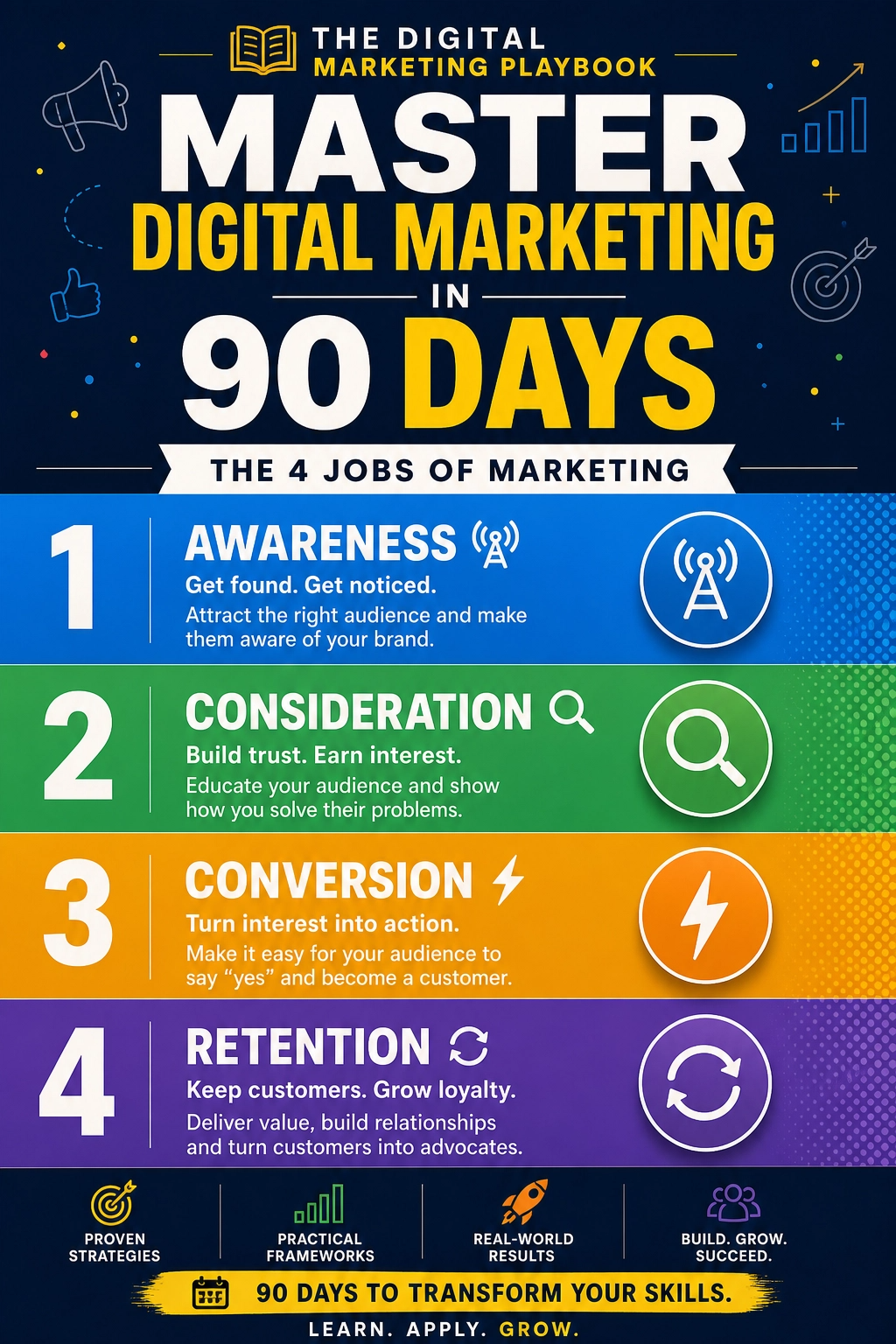
Black Friday is a great test of your marketing system, but the real win is building a system that works all year: offers, content, email, ads, and tracking working together. If you want a clear, step-by-step blueprint, check out:
The Digital Marketing Playbook
Trust me, planning your next sale with a playbook beats improvising on the big day.
Final Thoughts
Black Friday doesn’t belong only to giant retailers. With a clear offer, early planning, fresh creative, and accurate data, small businesses and creators can compete and win. Start this week: pick your offer, audit your data, and plan one small creative refresh for each week of November. A month of steady work beats one day of panic every time.







Leave a Reply