

Here’s something that made me stop scrolling last month: a friend sent me a screenshot of a “lifestyle creator” with 200K followers, gorgeous apartment, perfect skin, daily Reels… and then casually said, “Wait, is she even real?” She wasn’t. And honestly, I couldn’t tell either.
That moment is exactly why the Instagram AI-generated profile label is one of the biggest influencer news stories of 2026. If you’re building a personal brand, running a KOL account, or even just dreaming about it, this change affects how your content gets seen. I’ve been watching platform updates for years, and trust me, this is one you don’t want to learn about the hard way.
In this guide, I’ll walk you through what Instagram actually changed, who it applies to (and who it doesn’t), what YouTube and TikTok are doing at the same time, and how real creators can turn this into an advantage.
What Instagram Changed (and When)
Let me share the timeline, because it got a little confusing for a lot of creators:
- May 4, 2026: Instagram began testing an opt-in “AI creator” label. It was voluntary, and critics at the time said it would do very little because nobody was forced to use it.
- August 31, 2026: Instagram renamed it the “AI-generated profile” label and attached a real consequence. According to coverage of the announcement, profiles featuring an AI-generated person that skip the label can have their reach and recommendations limited.
That second step is the game-changer. For the first time, the platform put a penalty on undisclosed AI personas. Disclosure went from “nice to have” to “do it or lose distribution.”
Who the label is actually for
Here’s the part that stops a lot of panic: the label is aimed at accounts where an AI-generated person is the central identity. Think virtual influencers, synthetic models, or fictional lifestyle personalities that post and reply like a human creator.
It is not meant for every creator who touches AI. Instagram has said the label isn’t required for every use of AI. So if you’re a real person who uses AI to brighten a thumbnail, draft a caption, or edit a product demo, you’re dealing with post-level disclosure questions, not a profile-level label.
Pro tip: Ask yourself one simple question. Is the face and personality of my account a real, identifiable human? If yes, you’re very likely in the clear at the profile level. If no, label it.
Why Platforms Are Cracking Down Now
Boy, was I wrong when I thought audiences wouldn’t care about this. The numbers say otherwise:
- Only about 23% of adults globally say they’re likely to consume content from AI-generated influencers.
- Around 47% of U.S. adults say they’re very unlikely to follow one.
Add in the investigations that surfaced this year (reporters found apparently AI-generated personas selling supplements without clear disclosure, and dozens of apparently AI-generated male accounts promoting a dating app), and you can see why platforms moved. Trust is the product. If people stop believing what they see, the whole creator economy gets weaker.
There’s also regulation in the background. Reporting on the EU’s AI Act points to Article 50 transparency rules for AI-generated content with an August 2026 date, which adds pressure on platforms operating in Europe.
What YouTube and TikTok Are Doing
Instagram isn’t alone. If you post across platforms, here’s the quick scorecard:
- YouTube: Disclosure of realistic synthetic content has been mandatory since May 2025, and labels were moved into more visible positions in May 2026. Likeness detection was extended to every creator aged 18 and over on May 16, 2026, so you can spot deepfakes of yourself. YouTube has also clarified that generic, repetitive, template-style content (including some AI-persona content) may not qualify for monetization.
- TikTok: It asks for its AI-generated content (AIGC) label on realistic posts, and TikTok Shop rules from May 23, 2026 ban AI voices standing in for live presenters.
- Instagram: Account-level “AI-generated profile” label, plus the existing post-level “AI info” labels, which can be added automatically when AI tools are detected.
The pattern is obvious: real, identifiable humans are getting rewarded, and anonymous synthetic content is getting squeezed.
How Real Creators Can Turn This Into an Advantage
When I first read about this update, my gut reaction was fear. Then I realized: this is the best news small, real creators have had in a while. Here’s how to use it.
1. Show your face and your voice
AI can copy a style, but it can’t copy lived experience. Post behind-the-scenes clips, talk to camera, share the messy first drafts. That’s your moat.
2. Disclose AI use before a platform makes you
If you use AI tools in your workflow, a short, honest note builds trust:
- “Thumbnail enhanced with AI”
- “Script outline drafted with AI, rewritten by me”
- Use the platform’s built-in AI labels where they apply
I learned the hard way that audiences forgive almost anything except feeling tricked.
3. Protect your likeness
If you’re on YouTube and 18+, turn on likeness detection tools so you’re alerted when someone uses your face. Screenshot and save the original posting dates of your content too. It helps if you ever need to prove it’s yours.
4. Pitch brands on authenticity
Brands are nervous about AI personas, undisclosed ads, and fake engagement. When you pitch, lead with proof you’re real: audience comments, live sessions, case studies, past results. Use this in your media kit.
What This Means for Brands and Paid Partnerships
If you take paid partnerships, assume brands will start writing AI clauses into contracts. Expect questions like:
- Will AI-generated actors or voices appear in the sponsored content?
- Who owns the AI-assisted assets?
- Who is responsible for disclosure on each platform?
Get answers in writing. A clean, simple clause saves you a headache later.
A Simple 7-Day Action Plan
- Day 1: Check your profile and last 20 posts. Is anything AI-generated that isn’t labeled?
- Day 2: Turn on any available likeness protection and review each platform’s AI settings.
- Day 3: Write a one-line AI-use policy for your bio or link page (optional but powerful).
- Day 4: Film a “meet the real me” video.
- Day 5: Update your media kit with an authenticity section.
- Day 6: Add AI and disclosure terms to your brand deal template.
- Day 7: Plan the next 30 days of face-forward content.
Build a Career That AI Can’t Copy
The real lesson from this update isn’t about a label. It’s that trust, personality, and a real point of view are now the most valuable assets a creator can own. Algorithms change every few months, but a loyal audience that believes in you doesn’t.
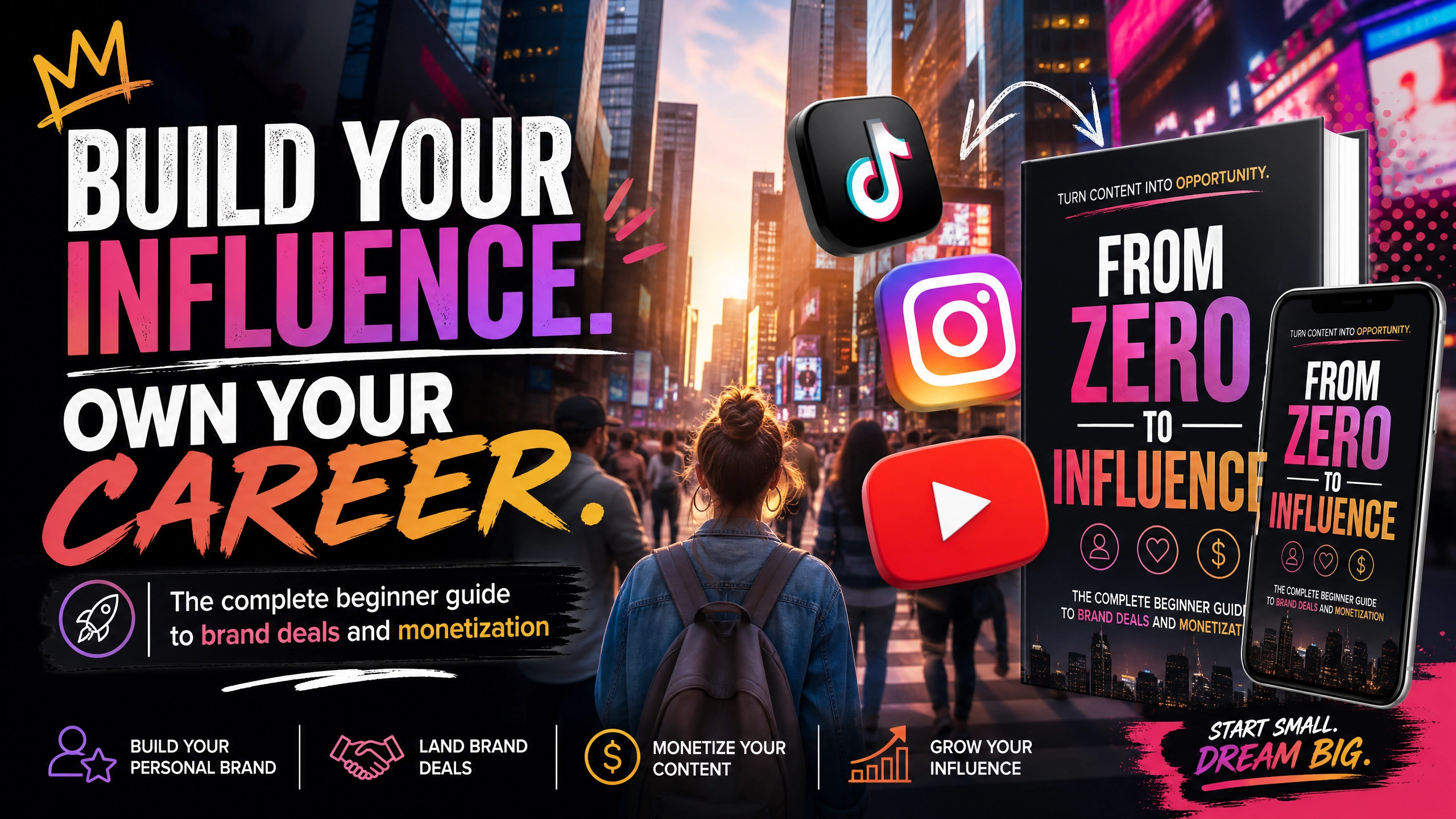
If you want a step-by-step roadmap for turning that trust into an actual career, from picking your niche to landing your first brand deals, grab my beginner’s guide:
The Complete Beginner’s Guide to Building a KOL/Influencer Career
I wish someone had handed me a guide like this when I was guessing my way through my first partnerships. It’ll save you months of trial and error.
Final Thoughts
Instagram’s AI-generated profile label is a signal of where the whole industry is heading: more transparency, more rewards for real humans, and less patience for anonymous synthetic content. Stay honest, stay visible, and keep building something only you can build. Your audience can feel the difference, and now the algorithm can too.









Leave a Reply