


There’s a moment every remote worker knows. You’re sitting at your usual desk, staring at the same four walls, and you think, “If I can do this from here, why can’t I do it from somewhere with a view?” I had that exact thought on a gray Tuesday afternoon, and it wouldn’t leave me alone.
Here’s what I wish someone had told me back then: becoming a digital nomad doesn’t require a trust fund, a viral following, or a tech startup. It requires portable income, a realistic budget, a bit of planning, and the courage to book that first ticket. My first “work trip” was a modest month in a small apartment abroad with a laptop, a secondhand backpack, and a lot of nerves. It wasn’t perfect (the Wi-Fi went out on my second day!), but it changed how I thought about work forever.
In this guide, I’ll walk you through how to become a digital nomad on a budget in 2026: how to earn location-independent income, where to live affordably, what to budget for, how to handle visas, taxes, and safety, and how to keep your business running smoothly while you explore.
What Does “Digital Nomad” Really Mean?
A digital nomad earns a living online and isn’t tied to one location. Some travel constantly. Others “slow travel,” staying one to three months in each place. Many keep a home base and take extended work trips.
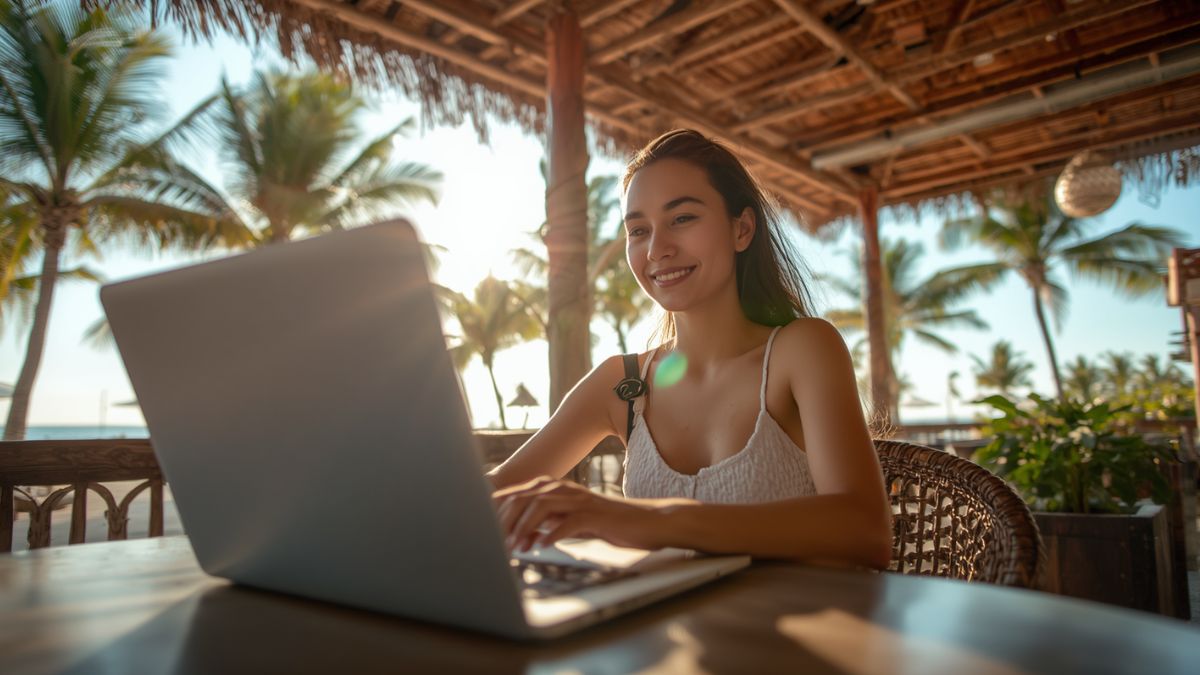
Here’s the truth: The Instagram version (laptop on a beach with perfect Wi-Fi) is rarely reality. Real nomad life includes deadlines, time zones, laundry, and the occasional flight delay. But it also includes new cultures, fresh perspectives, and a lifestyle many people find deeply rewarding.
Step 1: Secure Location-Independent Income First
Never leave for the trip first and figure out money later. Build your income stream before you go.
Income Options That Travel Well
- Remote employment: many companies now hire remote or hybrid staff. Ask whether your current employer allows working from abroad. Policies vary, and there may be legal or tax implications.
- Freelancing: writing, design, virtual assistance, editing, bookkeeping, web development, and social media management
- Digital products: printables, templates, clip art, and courses that sell without your constant presence. You can browse the Omnimart24h clip art collection to see how themed digital products are packaged and presented.
- Blogging and affiliate marketing: slower to build but flexible
- Online tutoring or coaching
Pro tip: Aim to have at least a few months of consistent income, plus a savings cushion, before you go. Stability makes travel more fun and less stressful.
Step 2: Build Your Budget Realistically
This is where the “on a budget” part becomes real. Let me share the categories I track.
Monthly Nomad Budget Checklist
- Accommodation: rent, short-term stays, or house-sitting
- Food: groceries, restaurants, coffee (and coworking cafe purchases)
- Transportation: local transit, rideshares, occasional trips
- Coworking or workspace: optional but helpful
- SIM card or data plan: critical for reliable internet
- Health insurance and travel insurance: non-negotiable
- Visa fees and paperwork
- Software and business expenses
- Fun money: because you’re allowed to enjoy it
- Emergency fund: for flights home, medical costs, or equipment replacement

How to Set Your Number
- Look at cost-of-living databases and community forums for your target destinations.
- Add a 15 to 20 percent buffer for surprises.
- Compare the total to your reliable monthly income.
- Adjust the destination, length of stay, or income goals until the math works.
Costs vary widely by location, season, and lifestyle, so treat any estimates you see online as starting points and verify current numbers before you commit.
Step 3: Choose Budget-Friendly Destinations
The cheapest place isn’t always the best place. Balance cost with internet quality, safety, time zone, and visa options.
What to Look For
- Reliable internet: test the speed in listings and ask hosts for speed test screenshots
- Time zone compatibility: if you have clients or a job in a specific zone, think about overlap hours
- Safety and health care access
- Visa-friendly policies: some countries offer digital nomad visas or long tourist stays
- Community: coworking spaces and meetups make the experience less lonely
- Climate and lifestyle: choose somewhere you’ll actually enjoy
Regions popular with budget-minded nomads often include parts of Southeast Asia, Eastern Europe, Latin America, and Portugal or Spain for those who want a European base. Research current conditions, since prices and rules change.
BUY NOW!
Step 4: Handle Visas, Taxes, and Legal Basics
This is the not-so-fun part, but skipping it can cause real problems.
Visas
- Tourist visas may not legally allow remote work in some countries.
- Digital nomad visas exist in a growing number of places, often with income requirements.
- Always check official government sources for the latest rules.
Taxes
- Your tax obligations depend on your citizenship, residency status, and where you earn income.
- Some countries tax based on residency, others on citizenship.
- Keep organized records of income and expenses.
- Talk to a qualified tax professional who understands international situations. I’m not a tax advisor, and this is one area where professional guidance pays for itself.
Insurance
- Travel medical insurance or international health coverage
- Equipment insurance for your laptop and gear
- Trip cancellation coverage when relevant

Step 5: Book Your First Trip Smartly
Your first trip is a test run. Keep it simple.
Tips for a Smooth Start
- Start with one to two months in a single location.
- Book the first week or two of accommodation in advance, then extend once you’ve seen the place.
- Choose a place with a kitchen to save on food.
- Fly on flexible days and use fare alerts.
- Travel light. A carry-on plus a small bag saves fees and hassle.

There’s something powerful about the moment you’re holding that boarding pass and realizing your work really can go anywhere. It reminds me of the excitement captured in this woman holding a plane ticket clipart, that mix of anticipation and possibility before a new journey begins. If you ever create a travel vision board, planner cover, or blog graphic to keep yourself motivated, that kind of imagery can be a fun touch (just check the product page’s license details for how you can use it).
Step 6: Pack Your Work Setup
Your gear can make or break your workday.
Essentials
- Laptop and charger (plus a universal adapter)
- Noise-canceling headphones
- Portable hotspot or local SIM as Wi-Fi backup
- Portable laptop stand and compact keyboard
- External hard drive or reliable cloud backup
- Power bank
Digital Safety
- Use a password manager and two-factor authentication
- Use a reputable VPN on public Wi-Fi
- Keep backups of important files in the cloud
- Keep digital copies of your passport and key documents

Step 7: Stay Productive and Connected
The freedom is wonderful, but work still has to happen.
Habits That Helped Me
- Set a routine. Even a loose schedule keeps you grounded.
- Work during your peak hours and explore during the rest.
- Use coworking spaces or cafes for a change of scenery and better Wi-Fi.
- Communicate time zone availability to clients or coworkers.
- Plan around deadlines, not just tourist attractions.
- Build community. Meetups, coworking events, and online groups help combat isolation.
Common Budget Nomad Mistakes
- Leaving without a stable income source
- Underestimating costs, especially visas and insurance
- Moving too fast. Constant travel is expensive and exhausting.
- Ignoring taxes and legal requirements
- Skipping backups for both data and money
- Not budgeting for emergencies

Your Journey Starts With One Small Decision
Becoming a digital nomad on a budget in 2026 is more achievable than it looks. Start by securing reliable, location-independent income, build a realistic budget with a healthy buffer, choose a destination that balances cost and comfort, and take care of visa, tax, and insurance basics. Then take a small first step, like a one-month trial in a new place. By planning carefully and staying flexible, you’ll be well-equipped to build a life where your work fits around your adventures, not the other way around. Start researching one destination tonight. That’s how my journey began!









Leave a Reply