

Here’s a lesson I learned the hard way: the holiday shopping season doesn’t start in December. It starts in summer.
I still remember my first Q4 as a print on demand seller. It was mid-November, I’d just discovered that people buy gifts for the holidays, and I frantically uploaded a handful of festive designs. Then I waited. And waited. Turns out, shoppers had been searching for “Christmas gift for teacher” and “matching family pajamas” for weeks, and the sellers who showed up early had already collected reviews, rankings, and momentum. Boy, was I late to the party.
The good news? You’re reading this now, which means you can plan ahead and avoid my mistake. Q4 is consistently the biggest sales period of the year for many online sellers, and print on demand is one of the smartest ways to take advantage of it because you never have to guess how much inventory to order.
In this comprehensive guide, I’ll walk you through how to prepare your print on demand store for the holiday season in 2026. We’ll cover timelines, product selection, design planning, shipping deadlines, listing optimization, marketing, and how to use Printful and Printify to keep everything running smoothly when orders start rolling in. Let’s get started!
Why Q4 Matters So Much for Print on Demand
Print on demand products are built for gifting. Mugs, sweatshirts, tote bags, posters, and personalized items are exactly what shoppers hunt for between October and December.
What makes the holiday season special
- Higher shopper intent: People aren’t browsing. They’re buying.
- Gift-driven searches: Shoppers look for specific recipients, like “gifts for nurses” or “gifts for dog lovers.”
- Bigger baskets: Bundles and multi-item orders are more common.
- Multiple mini-seasons: Halloween, Thanksgiving, Black Friday, Cyber Monday, Christmas, Hanukkah, Kwanzaa, and New Year’s all offer opportunities.
- Returning customers: Happy buyers often come back for more gifts.

The challenge
With opportunity comes pressure. Competition increases, shipping carriers get busy, and deadlines are tight. That’s why planning ahead is the difference between a stressful scramble and a profitable season.
Pro tip: Your goal is to have your holiday listings live, optimized, and photographed well before shoppers begin their serious search. Aim for late summer to early fall.
Step 1: Build Your Q4 Timeline
A clear calendar keeps you from panicking. Here’s the timeline I follow (adjust it to your niche and target market).
A practical Q4 planning calendar
- June to July: Research trends, review last year’s data, and brainstorm design themes.
- August: Create designs and order samples.
- September: Publish listings, refine SEO, and start Pinterest content.
- October: Promote heavily, build your email list, and prepare Black Friday offers.
- November: Monitor stock-free fulfillment, shipping cutoffs, and customer messages.
- December: Communicate order deadlines clearly and prepare for post-holiday gift card and New Year’s shoppers.
If you’re reading this closer to the season, don’t panic. Start with your best-selling products and a few focused holiday designs instead of trying to do everything.
Step 2: Review Your Data and Choose Your Holiday Focus
Before creating anything new, look at what you’ve already learned.
Questions to ask
- Which products and niches sold best over the past year?
- Which designs got the most favorites and views?
- Were there seasonal spikes I missed?
- What questions did customers ask?
- Which shipping issues caused problems?

Choose your holiday strategy
You don’t need to serve every holiday. Pick two or three that fit your niche:
- Christmas and winter holidays: The biggest for most gift sellers.
- Halloween: Great for apparel, mugs, and décor.
- Thanksgiving and fall: Cozy sweatshirts and home items.
- Hanukkah and other celebrations: Serve underrepresented audiences with respectful, authentic designs.
- Teacher, nurse, and pet-lover gifts: Niche gifting stays strong year-round and peaks at the holidays.
Here’s what I learned: Niche-specific holiday designs often outperform generic ones. “Christmas Sweatshirt for Nurses” beats “Christmas Sweatshirt” because the buyer feels seen.
Step 3: Choose the Right Holiday Products
Not every product suits every audience. Think about what people actually buy as gifts.
Best-performing holiday product categories
- Sweatshirts and hoodies: Cozy, giftable, and higher priced
- T-shirts: Great for matching family and group designs
- Mugs and tumblers: Affordable, easy to ship, and ideal for coworker and teacher gifts
- Tote bags: Practical and popular for stocking-stuffer-style gifting
- Posters, framed prints, and canvases: Home décor and personalized gifts
- Pillows and blankets: Cozy gifts with a higher perceived value
- Ornaments and accessories: Where available through your print partner
Choosing your print partners for the season
For Q4, I lean on both platforms:
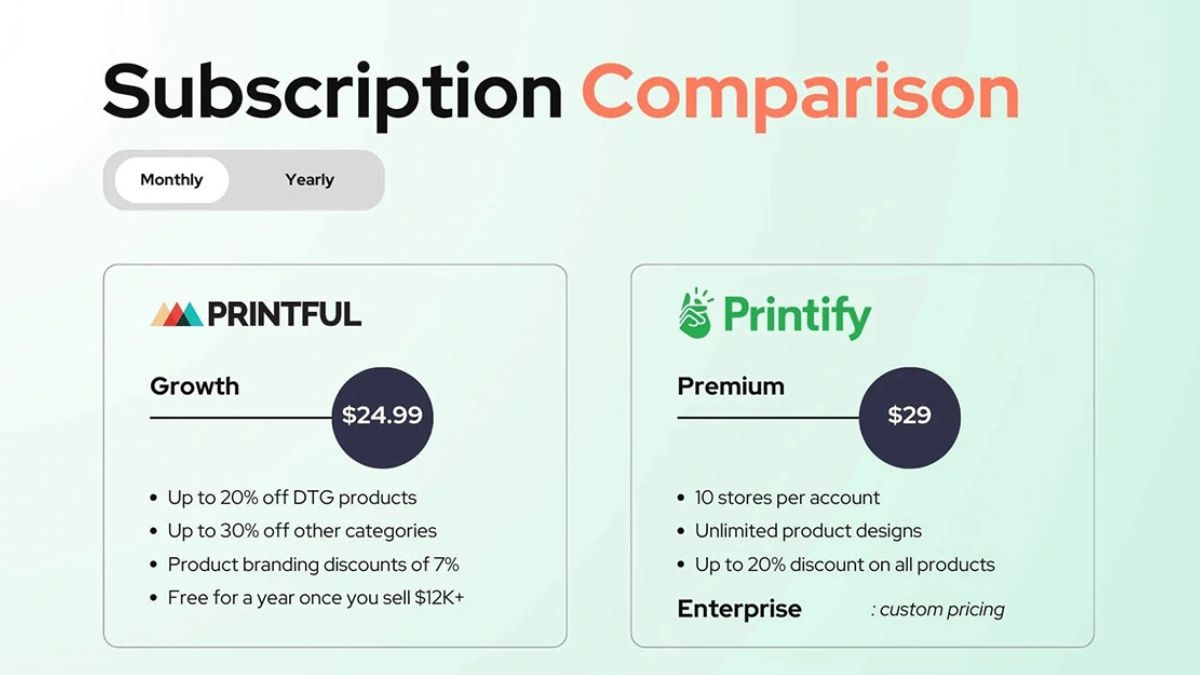
- Printful for premium items, consistent quality, and branded packaging that makes gifts feel special.
- Printify for broader variety, competitive base costs, and the ability to choose print providers close to your customers for faster delivery.
Both are free to open, so you can compare products and prices before the rush begins.
Step 4: Create Holiday Designs That Sell
Now for the fun part. Holiday designs work best when they combine seasonal spirit with your niche’s personality.
Design ideas by theme
- Humor: “Naughty List Nurse,” “Dog Mom Christmas Crew”
- Cozy and nostalgic: Retro Christmas fonts, snowy cabins, and vintage ornaments
- Minimalist holiday art: Simple line-art trees and stars
- Personalized designs: Family names, pet names, and “Est. 2026” styles
- Group and matching designs: Family, couples, and coworker sets
- Gratitude and kindness: Thanksgiving and winter positivity messages
Technical tips
- Use high-resolution transparent PNG files sized to your product’s recommended print area.
- Create light and dark versions of each design for different shirt colors.
- Keep text bold and readable, especially on mugs and ornaments.
- Preview mockups on multiple colors before publishing.
Stay legally safe
Holiday season doesn’t suspend copyright law. Avoid trademarked characters, movie quotes, song lyrics, brand logos, and protected phrases. Check the trademark database for your country before using a catchy slogan on merchandise.
Pro tip: Design in collections. One phrase in five colors and three product types is easier to manage than fifteen unrelated designs.
Step 5: Order Samples Early
This step is non-negotiable in Q4. Samples take time to be produced and delivered, and you want them in your hands before you promote anything.
What to check
- Print quality and color accuracy
- Fabric feel and fit
- Packaging and presentation
- Delivery time to your location
Use samples as content
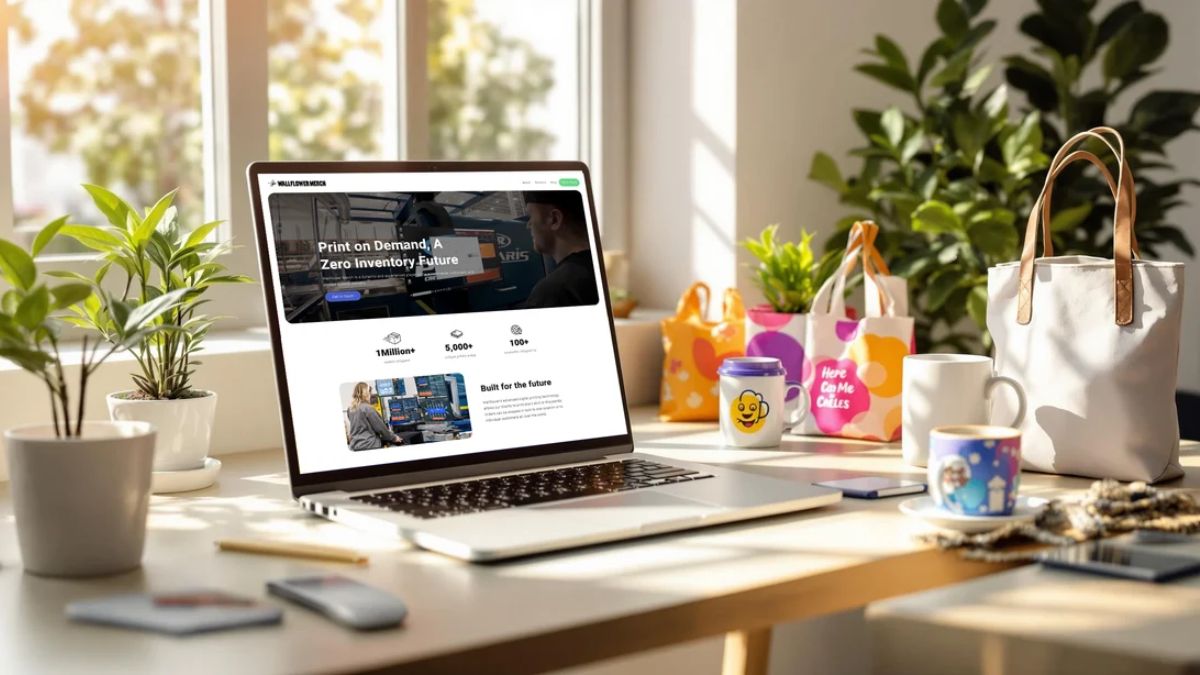
Photograph your samples in cozy seasonal settings: a mug beside a candle, a sweatshirt by a fireplace, a poster on a decorated wall. Real photos convert better than generic mockups and give you material for Pinterest, Instagram, and TikTok.

Order from both platforms if you’re testing. Printful and Printify both offer sample ordering, and comparing them side by side helps you decide which product goes where.
Step 6: Understand Production and Shipping Deadlines
This is where Q4 sellers get burned. Everyone is shipping at once, and delays can happen.
What to do
- Check current production and shipping times in your POD dashboards. Both Printful and Printify publish estimated timelines and holiday cutoff information on their sites and help centers.
- Note the last recommended order dates for each region to arrive before major holidays.
- Post clear cutoff dates in your listings, banner, and announcements.
- Set realistic expectations in your shop policies.
- Consider providers closer to your customers on Printify to help with speed.
Communicate proactively
Add a simple banner like: “Order by [date] for holiday delivery.” Customers appreciate honesty, and it reduces angry messages. Because deadlines change year to year, always confirm the latest information directly with each platform rather than relying on last year’s dates.
Step 7: Optimize Your Listings for Holiday Search
Holiday shoppers search with specific phrases, so your SEO needs to match.
Listing optimization checklist
- Front-load keywords: “Christmas Gift for Teacher, Funny Teacher Sweatshirt”
- Use all available tags with long-tail phrases like “teacher holiday gift” and “coworker Christmas present.”
- Include occasions and recipients in titles and descriptions.
- Upload lifestyle images and size charts.
- Add gift-oriented copy: “The perfect present for your favorite nurse.”
- Update attributes and categories for holiday filters.
- Publish early so listings have time to be indexed and gather activity.

Research tools
Use Etsy autocomplete, Pinterest Trends, and Google Trends to identify rising terms. Paid tools like eRank or Marmalead can help too, but they aren’t required.
Step 8: Price Smartly for Q4
Holiday shoppers are willing to pay for good gifts, but you still need healthy margins.
Pricing framework
Retail price = Production cost + Shipping (if included) + Platform fees + Promotion budget + Profit
Tips
- Don’t underprice because everyone is running sales. Build promotional room into your base price.
- Offer bundles such as “mug plus tote gift set.”
- Consider free shipping by including the cost in your price.
- Use limited-time discounts for Black Friday and Cyber Monday, but plan them before you set your normal prices.
- Avoid constant discounting, which trains customers to wait for sales.

Step 9: Market Your Holiday Collection
Great listings still need traffic. Here’s where to focus.
Pinterest users plan ahead, often searching for holiday ideas weeks or months early. Publish gift-guide pins and product pins beginning in late summer or early fall, with keyword-rich descriptions.
TikTok and Instagram
Share unboxings, design process videos, and “gift idea for [niche]” content. Seasonal, cozy visuals perform well.
Email marketing
Build an email list before Q4. Offer a small discount for signing up, then send:
- Early-access collection announcements
- Gift-guide emails
- Last-order-date reminders
- Post-holiday thank-you messages
Etsy and marketplace promotion
- Refresh listings regularly.
- Consider small Etsy Ads tests on products that already convert.
- Encourage reviews from early buyers.
Paid ads (carefully)
Only advertise products with proven conversion. Start with a modest budget and track return on ad spend.
Step 10: Prepare Customer Service for the Rush
More orders mean more messages, and holiday customers are especially anxious about delivery.
Preparation checklist
- Create reply templates for tracking, delivery times, sizing, and personalization.
- Set up clear policies for returns, defects, and wrong-address issues.
- Check your messages daily. Fast responses protect your reputation.
- Know your POD platforms’ reprint and refund policies so you can resolve issues quickly.
- Keep order numbers and screenshots for any problem you need to escalate.
Trust me on this: a calm, friendly response in December can turn a stressed customer into a repeat buyer.
Step 11: Plan for After the Holidays
The season doesn’t end on December 25th.
- Gift card and gift-money shoppers buy through early January.
- New Year’s resolution and self-care products trend after the holidays.
- Valentine’s Day preparation begins in January.
- Review your data to learn what worked and what didn’t.
- Save your best designs and plan next year’s calendar.
Write down your lessons while they’re fresh. Future you will be grateful.
Common Holiday Season Mistakes
- Starting too late
- Skipping samples
- Ignoring shipping cutoffs
- Using trademarked holiday characters or phrases
- Underpricing
- Neglecting customer service
- Trying to cover every holiday instead of focusing
Your 8-Week Holiday Prep Plan
Weeks 1 to 2: Review your data, choose your niches and holidays, and open or update your accounts with Printful and Printify.
Weeks 3 to 4: Create designs, order samples, and take photos.
Weeks 5 to 6: Publish optimized listings and begin Pinterest and social content.
Weeks 7 to 8: Launch email campaigns, finalize promotions, and post shipping deadlines.
Get Your Store Ready for the Biggest Season of the Year
Preparing your print on demand store for the holiday season isn’t about working harder at the last minute. It’s about planning early, choosing the right products, creating niche-focused designs, and partnering with reliable fulfillment providers who can handle the rush for you. When you get ahead of the curve, you turn a stressful season into a real opportunity.
That’s why I encourage you to set up both partners right now. Join Printful for premium quality and branded packaging that makes gifts feel special, and join Printify for a wide catalog and flexible provider options. Both are free to open, so you can start creating holiday products today. Pick your niche, upload your first holiday design this week, and give your store the head start it deserves!








Leave a Reply