


I remember downloading probably a dozen different budgeting apps over the years, filling in numbers for exactly one week, and then abandoning every single one. Big mistake I kept repeating: I was copying budget templates that worked for other people’s lives, not mine. The budget that finally stuck was the one I built around how I actually spend money, not how I thought I should.
In this guide, I’ll walk you through everything you need to know about building a budget in 2026 that you’ll actually stick with, instead of abandoning by week two.
Why Most Budgets Fail
Here’s the truth: most budgets fail not because people lack discipline, but because the budget itself is unrealistic. Restricting every category to the bare minimum sets you up to “fail” and quit within weeks.
Step 1: Track Before You Budget
Before assigning a single dollar, spend two to four weeks simply tracking where your money currently goes — every subscription, every coffee, every “small” purchase. Use a simple app or even a notes app. This step alone is often eye-opening.
Step 2: Choose a Budgeting Method That Fits Your Personality
Not every method works for every person. A few reliable options:
- The 50/30/20 rule — 50% needs, 30% wants, 20% savings/debt (great for beginners)
- Zero-based budgeting — every dollar assigned a job (great for detail-oriented planners)
- Cash envelope method — physical or digital “envelopes” per category (great for visual spenders)
Pro tip: don’t force yourself into the most popular method if it doesn’t match how your brain works — the “best” budget is the one you’ll actually maintain.

Step 3: Build in Realistic Categories
Little did I know that leaving out categories like “gifts,” “car maintenance,” or “subscriptions” was exactly why my old budgets kept collapsing — those unaccounted expenses always showed up eventually. Common categories to include:
- Fixed expenses (rent, insurance, loan payments)
- Variable necessities (groceries, gas, utilities)
- Irregular expenses (car maintenance, gifts, annual subscriptions)
- Savings and debt payoff
- A genuine “fun money” category — restriction without any flexibility rarely lasts
Step 4: Automate What You Can
Trust me on this — automation removes willpower from the equation entirely. Set up:
- Automatic transfers to savings the day you’re paid
- Automatic minimum payments on all debts
- Automatic bill pay for fixed expenses

Step 5: Review and Adjust Monthly
A budget isn’t a “set it and forget it” document. Set a 15-minute monthly check-in to:
- Compare actual spending to your planned categories
- Adjust categories that were consistently over or under
- Celebrate progress, even small wins
Handling the Emotional Side of Budgeting
Here’s what I learned the hard way: budgeting isn’t just math, it’s emotional. Guilt and shame around past spending mistakes often derail people faster than the numbers themselves do. Approach your budget as a tool for future decisions, not a punishment for past ones.
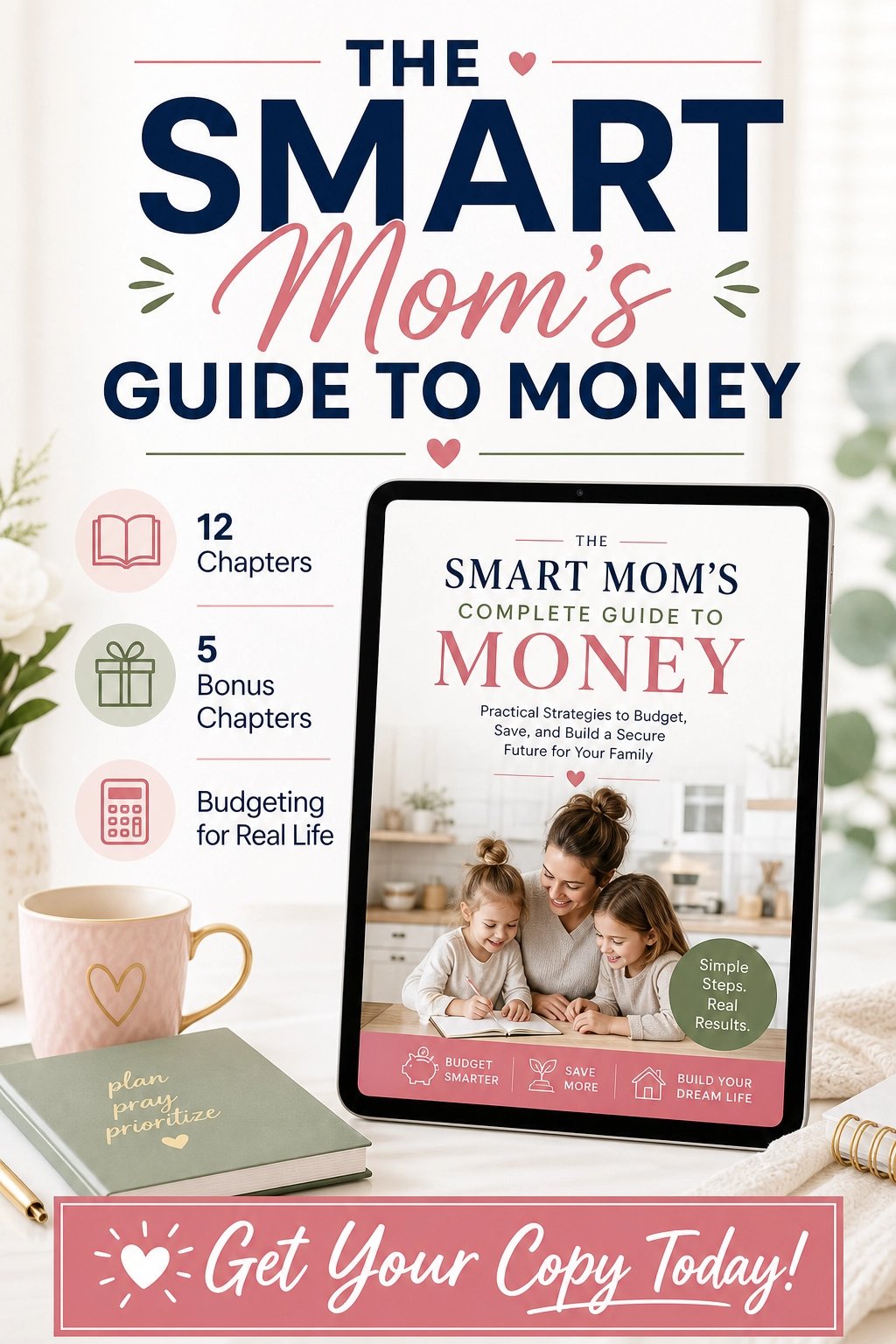
If you want the exact budget template and category breakdown I personally use, I’ve included it in this guide: LadyBossIncome Ebooks.

Final Thoughts
A budget that actually works is one built around your real life, not an idealized version of it. Track honestly, choose a method that fits your personality, automate where you can, and revisit it monthly — consistency beats perfection every time.









Leave a Reply