


Here’s the truth about online courses that surprised me most: you don’t need to be the world’s leading expert to create one — you just need to be a few steps ahead of the person you’re teaching. When I first started, I was terrified someone would call me out for “not knowing enough.” Little did I know, the students who bought my course just wanted the exact roadmap I’d already figured out for myself.
In this guide, I’ll walk you through everything you need to know about creating and selling your first online course in 2026.
Choosing a Course Topic People Will Pay For
The biggest mistake I see is picking a topic based on passion alone, without checking if people are actually willing to pay to learn it. Ask yourself:
- What do people already ask me for help with, over and over?
- Is there a clear, tangible result my course delivers (not just “information”)?
- Are people already paying for similar courses in this space?
A course that promises a specific transformation — “launch your Etsy shop in 14 days,” not “learn about Etsy” — sells far better than a vague, information-dump course.
Structuring Your Course
Here’s what I learned the hard way: more content isn’t better content. A tightly structured, results-focused course beats a bloated one every time. A simple structure that works:
- Welcome module — set expectations and outcomes
- Foundational modules — the core concepts
- Action-based modules — step-by-step implementation
- Bonus module — templates, worksheets, or troubleshooting
Aim for modules students can realistically complete in 15–30 minutes each — long, rambling videos lead to abandoned courses.
Recording Your Course
You don’t need a professional studio to start. What I actually use:
- A decent USB microphone (audio quality matters more than video quality)
- Loom or Zoom for screen recordings
- Canva for simple slide-based lessons
- A quiet room with good lighting near a window
Pro tip: script your key points but don’t read word-for-word — a slightly imperfect, conversational delivery builds more trust than an overly polished one.
Choosing a Course Platform
- Teachable or Thinkific — beginner-friendly, hosts everything for you
- Kajabi — more built-in marketing tools, higher price point
- Podia — simple and budget-friendly for a first course

Pricing and Launching Your Course
Price based on the transformation and time saved, not the number of video minutes. A focused, results-driven course can easily be priced $47–$297+ depending on the depth and outcome.
For your launch:
- Build anticipation with a waitlist beforehand
- Offer founding-member pricing for your first cohort
- Collect testimonials early and feature them in future promotions
Turning a Single Course Into an Ongoing Income Stream
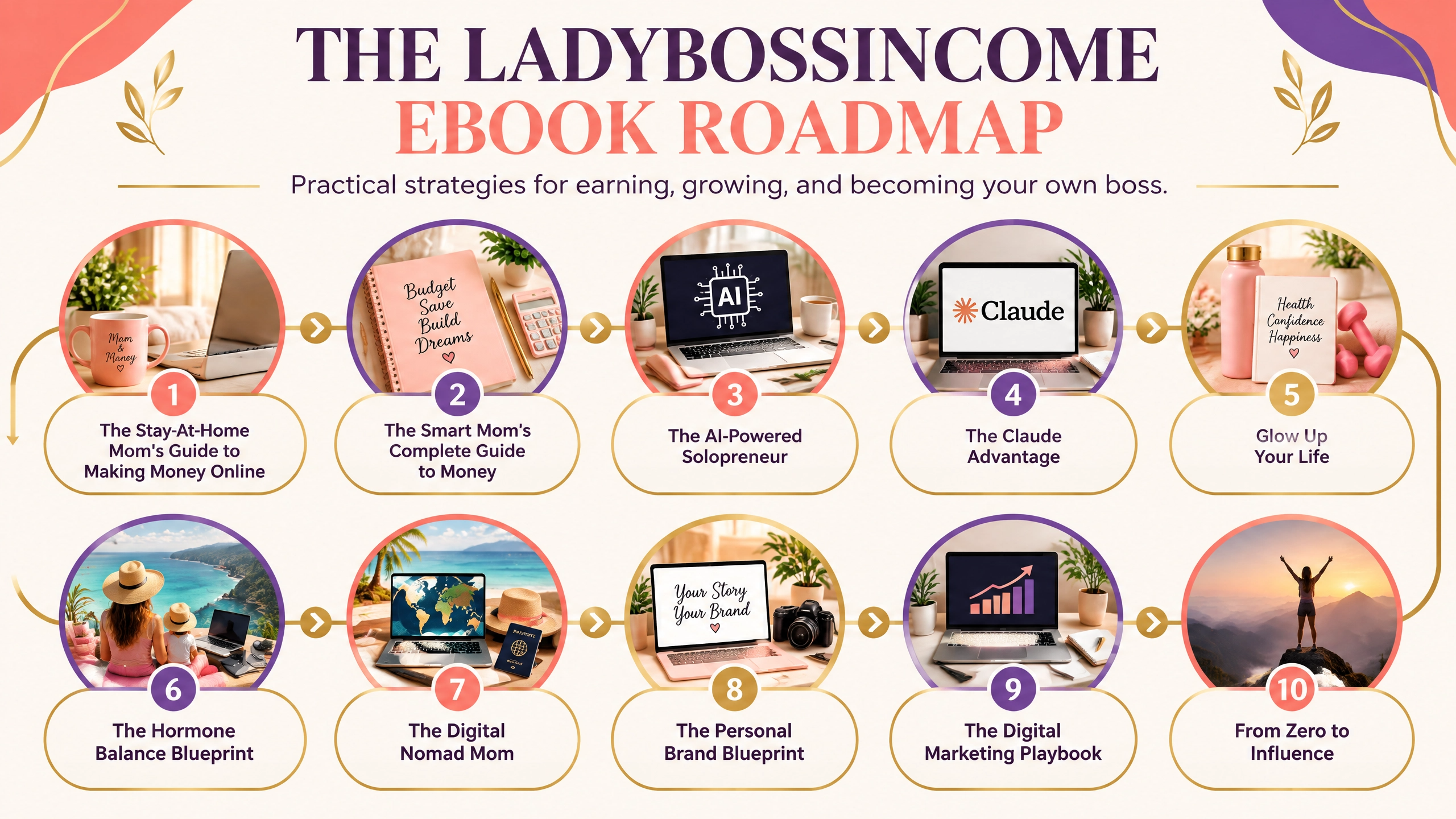
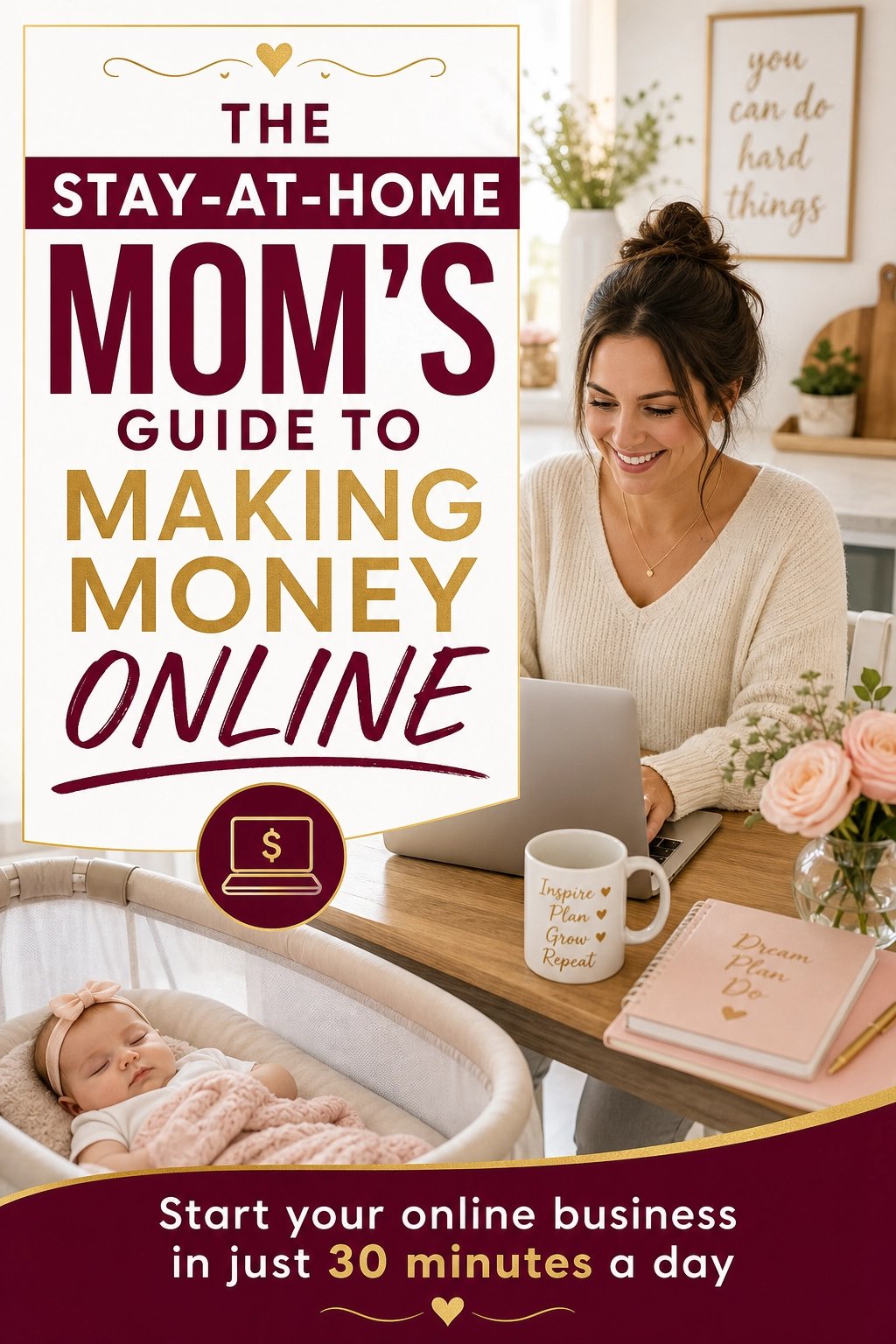
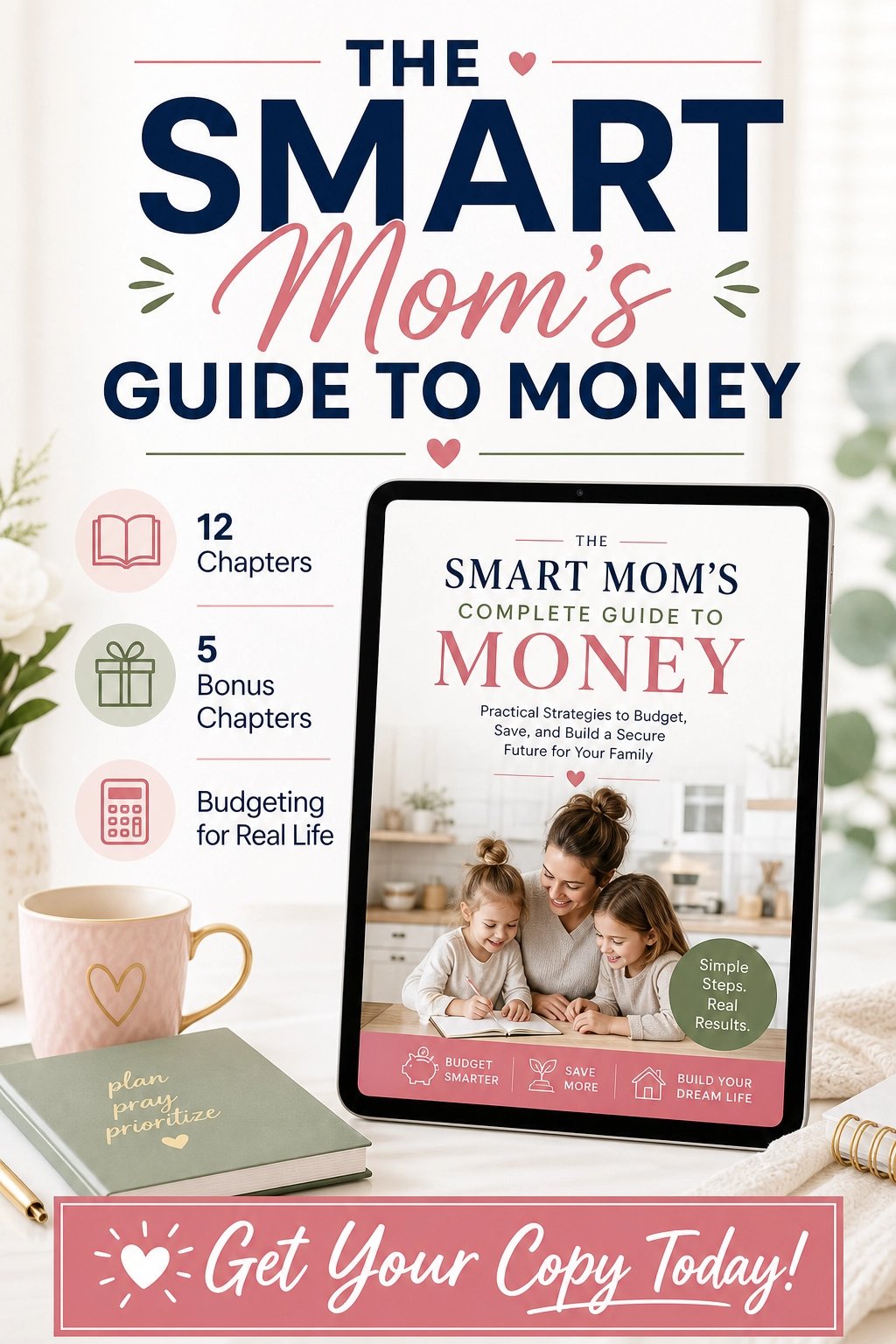
Once your first course is out, you can add a companion ebook or workbook, create a lower-priced mini-course as an entry point, or build a small suite of related offers. If you want to see a real example of a lean digital product lineup, take a look at our LadyBossIncome Ebooks collection.
Final Thoughts
Creating an online course is one of the most rewarding ways to package your knowledge into scalable income. Keep your first course focused and results-driven, don’t wait for “perfect,” and let real student feedback guide how you expand it over time.






Leave a Reply